Tag

Cosmic Structures

All articles tagged with #cosmic structures

Understanding 'Gravitationally Bound' in an Expanding Universe

Originally Published 3 days ago — by Big Think

Featured image for Understanding 'Gravitationally Bound' in an Expanding Universe
Source: Big Think

The article explains what it means for objects to be gravitationally bound in an expanding universe, discussing how structures like stars, galaxies, and clusters are held together by gravity despite the universe's overall expansion, and explores how dark energy influences the future of these structures.

Scientists Discover the Most Powerful and Mysterious Radio Circles in Space

Originally Published 3 months ago — by ScienceAlert

Featured image for Scientists Discover the Most Powerful and Mysterious Radio Circles in Space
Source: ScienceAlert

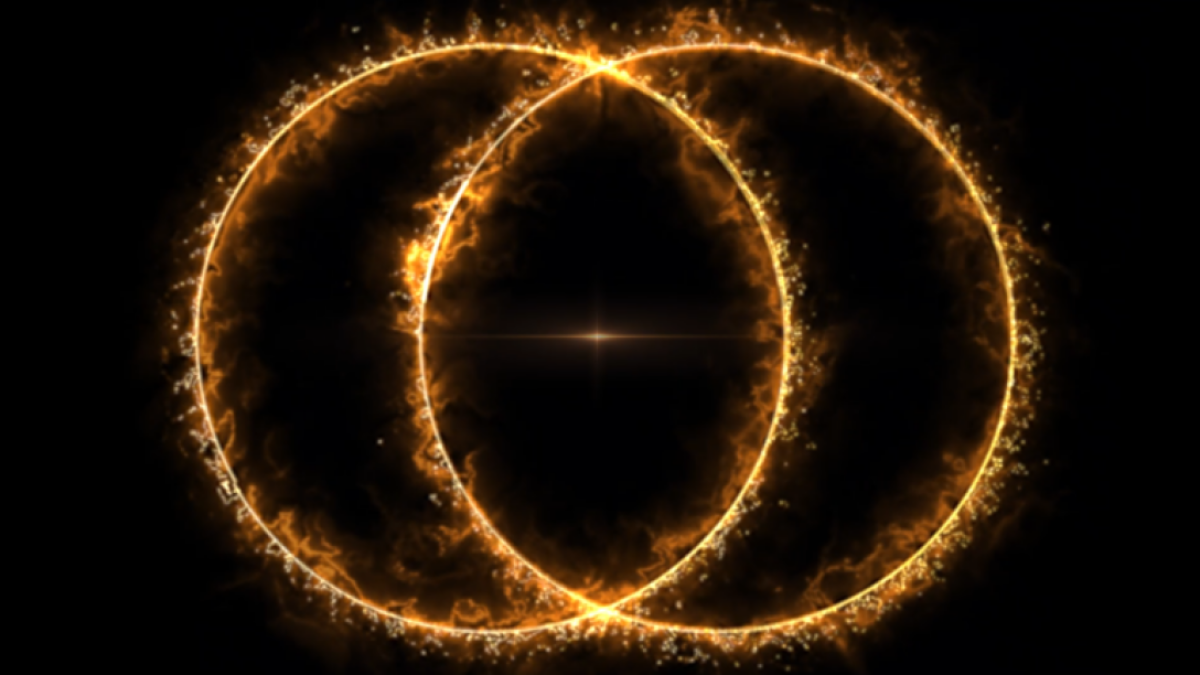
Astronomers, with citizen scientists, discovered the most powerful and distant odd radio circle (ORC), named J131346.9+500320, featuring two intersecting rings likely formed by black hole winds or shocks, providing insights into galaxy and black hole co-evolution.

Astronomers Discover the Largest Known Cosmic Structure, the Quipu, Spanning 1.3 Billion Light-Years

Originally Published 4 months ago — by Earth.com

Featured image for Astronomers Discover the Largest Known Cosmic Structure, the Quipu, Spanning 1.3 Billion Light-Years
Source: Earth.com

Astronomers have identified a massive, ring-like structure called the Big Ring, spanning about 1.3 billion light-years, which challenges current cosmological models that predict the universe's large-scale matter distribution should be more uniform. This discovery, along with findings about the Milky Way's larger gravitational basin, suggests the universe may contain more extensive and complex structures than previously thought, prompting a reevaluation of existing theories.

James Webb Telescope Unveils Cosmic Secrets and Challenges Our Universe Understanding

Originally Published 6 months ago — by Big Think

Featured image for James Webb Telescope Unveils Cosmic Secrets and Challenges Our Universe Understanding
Source: Big Think

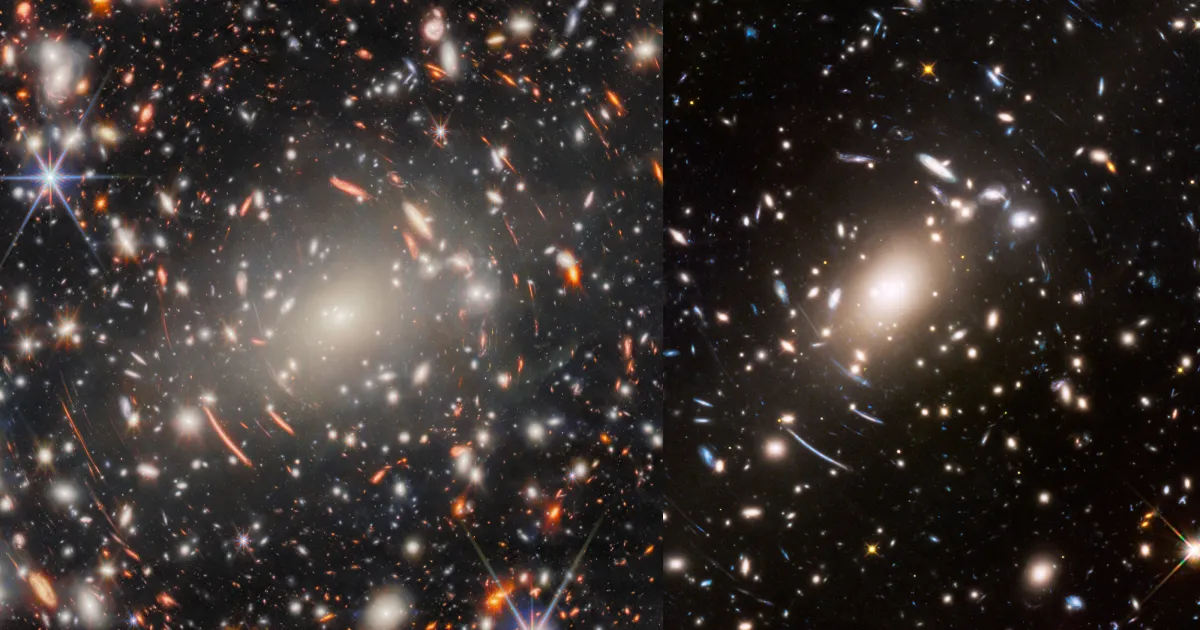
The James Webb Space Telescope (JWST) has captured its most extreme gravitational lensing image yet, focusing on galaxy cluster Abell S1063. This deep field observation reveals detailed features of distant, magnified galaxies, showcasing the power of JWST's advanced infrared capabilities to study cosmic structures, dark matter distribution, and galaxy interactions billions of light-years away.

Astronomers Uncover 15 New Giant Radio Galaxies, the Universe's Largest Objects

Originally Published 7 months ago — by Space

Featured image for Astronomers Uncover 15 New Giant Radio Galaxies, the Universe's Largest Objects
Source: Space

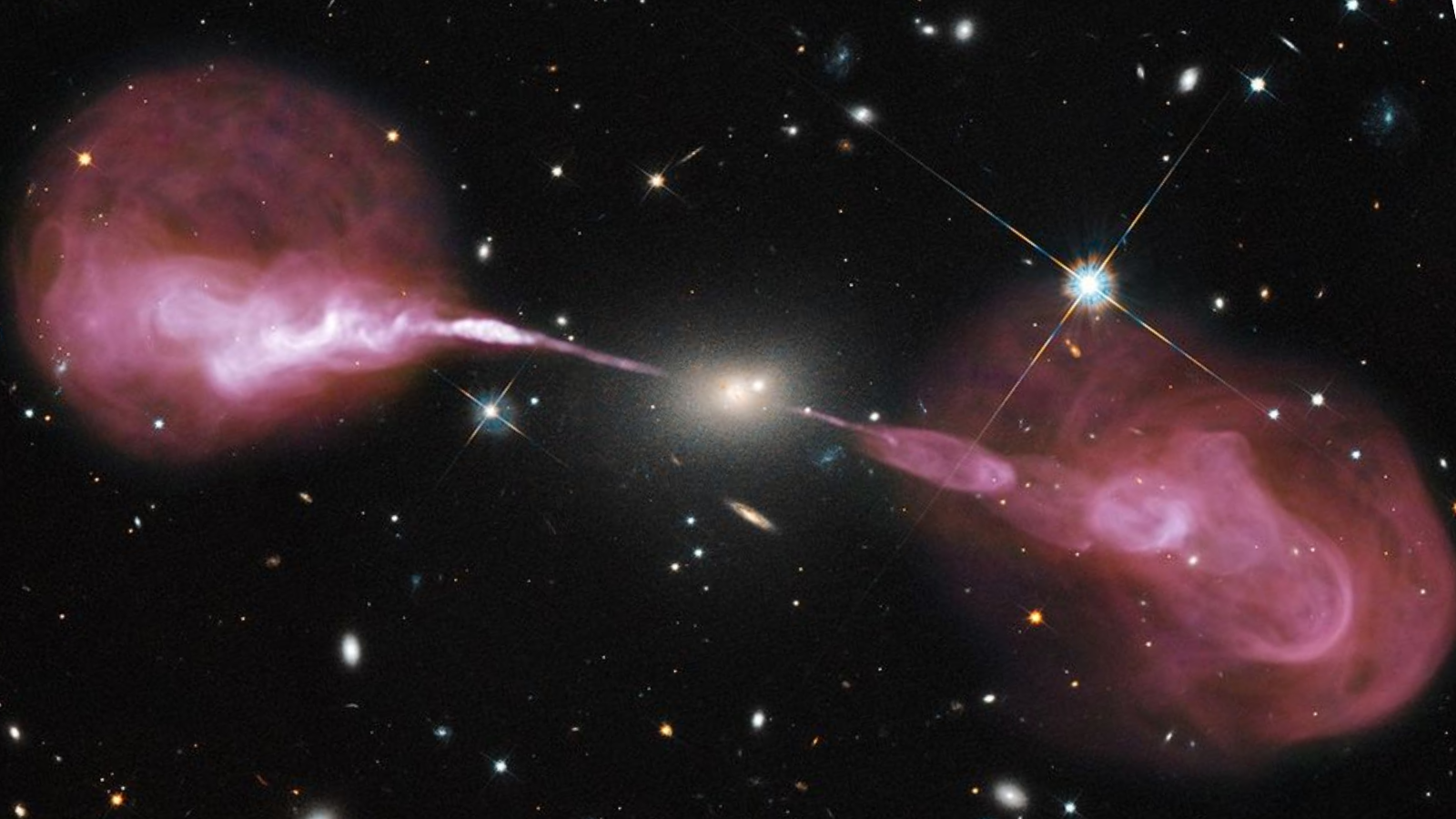
Astronomers using the ASKAP telescope discovered 15 new Giant Radio Galaxies, some over 12 million light-years wide, which are the largest single objects in the universe. These galaxies feature supermassive black holes that emit powerful jets, creating vast radio lobes, and their study helps understand galaxy growth and black hole activity cycles.

Exploring the Universe's Largest Galaxy

Originally Published 1 year ago — by Big Think

Featured image for Exploring the Universe's Largest Galaxy
Source: Big Think

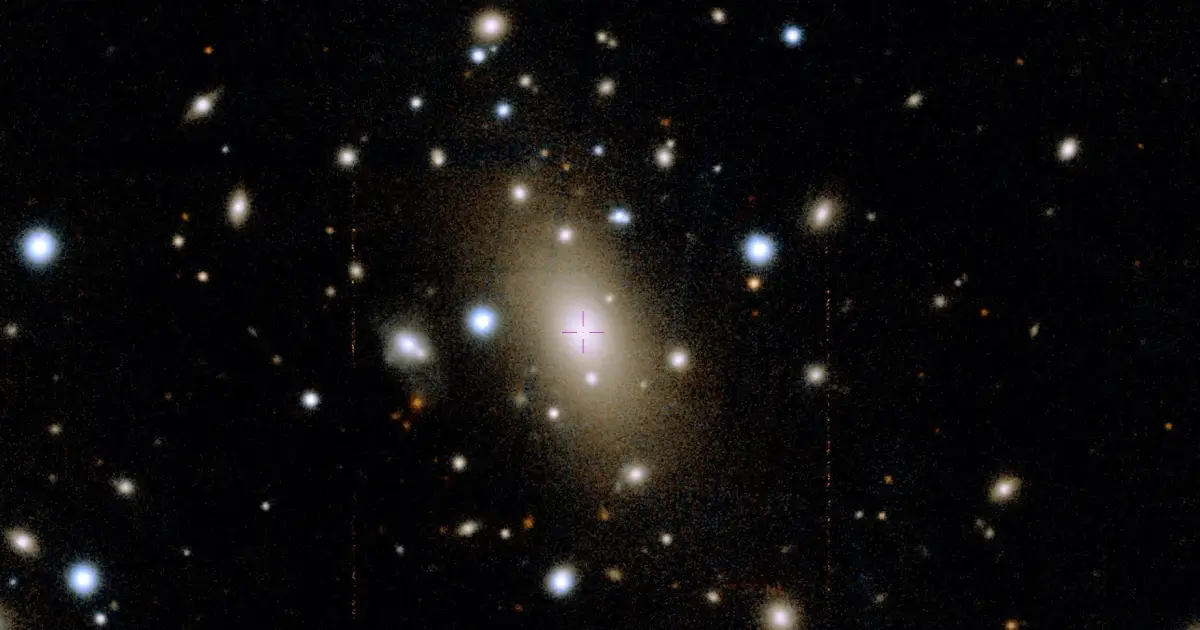
The largest known galaxy in the universe is IC 1101, located at the center of the Abell 2029 galaxy cluster. It spans an impressive 5.5 million light-years across, containing over 100 trillion stars and a mass nearly equivalent to a quadrillion suns. This giant elliptical galaxy dwarfs others, including the Milky Way and Andromeda, highlighting the vast diversity of cosmic structures.

Euclid Mission Unveils Stunning Images of the Cosmos

Originally Published 2 years ago — by The Wall Street Journal

Featured image for Euclid Mission Unveils Stunning Images of the Cosmos
Source: The Wall Street Journal

The Euclid mission, launched by the European Space Agency, aims to study dark matter and dark energy, which make up the majority of the universe but are undetectable using traditional telescopes. Euclid will observe the distortion of distant galaxies to study dark matter and create a three-dimensional map of more than one-third of the sky, encompassing billions of galaxies. The mission, equipped with one of the largest cameras ever sent into space, will continue its study of the dark universe over the next six years.

Mysterious Force Halts Cosmic Structure Growth

Originally Published 2 years ago — by NDTV

Featured image for Mysterious Force Halts Cosmic Structure Growth
Source: NDTV

Scientists from the University of Michigan have discovered that the growth of large cosmic structures, such as galaxy clusters and filaments, is slower than predicted by the standard model of cosmology based on Einstein's theory of general relativity. This challenges our understanding of the universe and could be explained by the presence of a new type of dark matter or dark energy, or a modification of our understanding of gravity. The findings could help explain the sigma-8 tension, a discrepancy in the distribution of matter in the universe.

"Webb Telescope's Discovery: Dark Matter Fuels Enigmatic 'Dark Stars'"

Originally Published 2 years ago — by Gizmodo

Featured image for "Webb Telescope's Discovery: Dark Matter Fuels Enigmatic 'Dark Stars'"
Source: Gizmodo

Astronomers using the Webb Space Telescope have identified three objects that could be "dark stars," theoretical objects powered by dark matter. These objects, which date back to when the universe was between 320 million and 400 million years old, were initially identified as galaxies but may actually be never-before-seen dark stars. Dark stars would be powered by the collisions of dark matter particles rather than nuclear fusion and could be millions of times the mass of our Sun. Further observations with the Webb Space Telescope will provide more insights into these ancient sources of light and help scientists understand the evolution of cosmic structures.