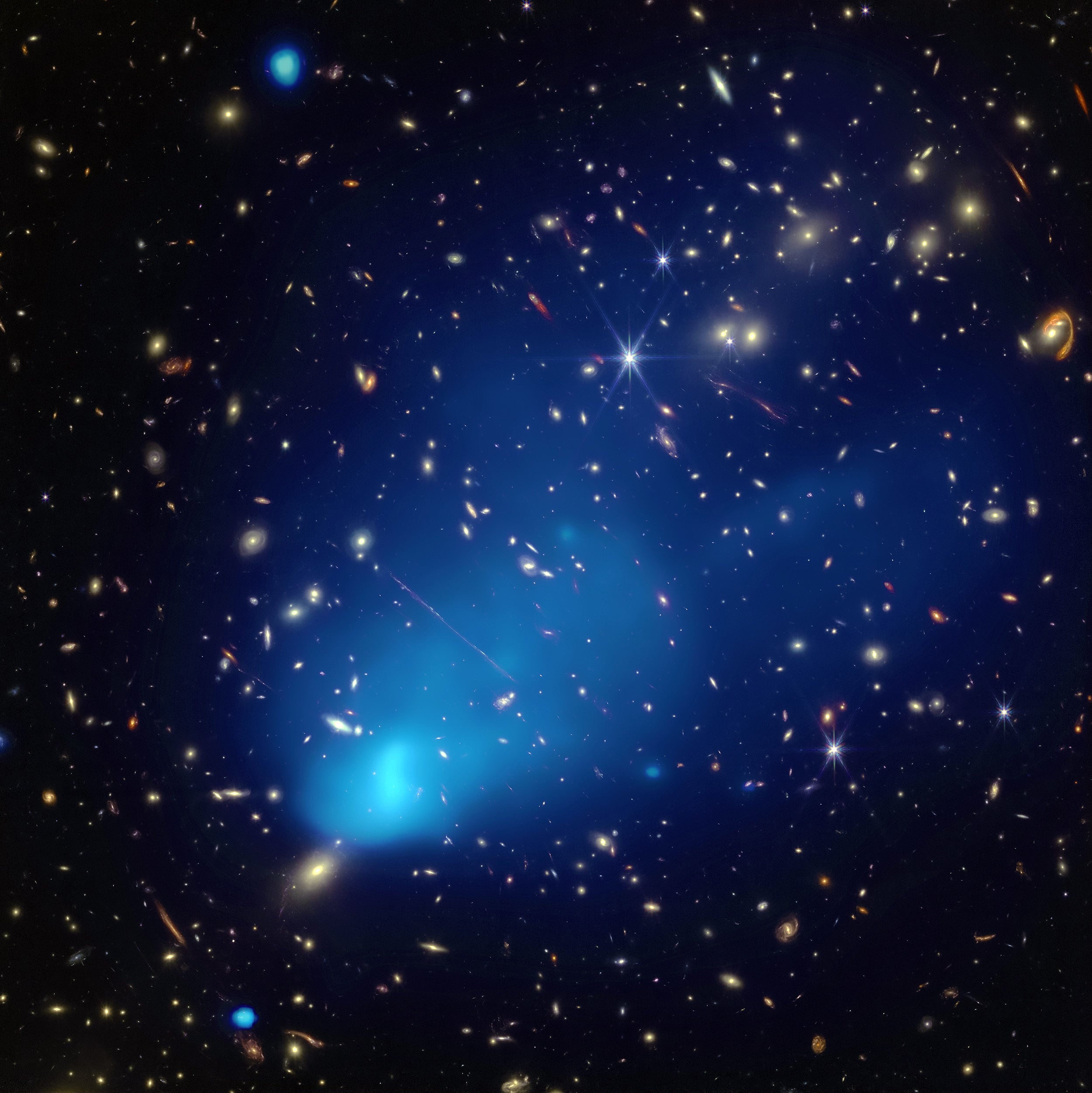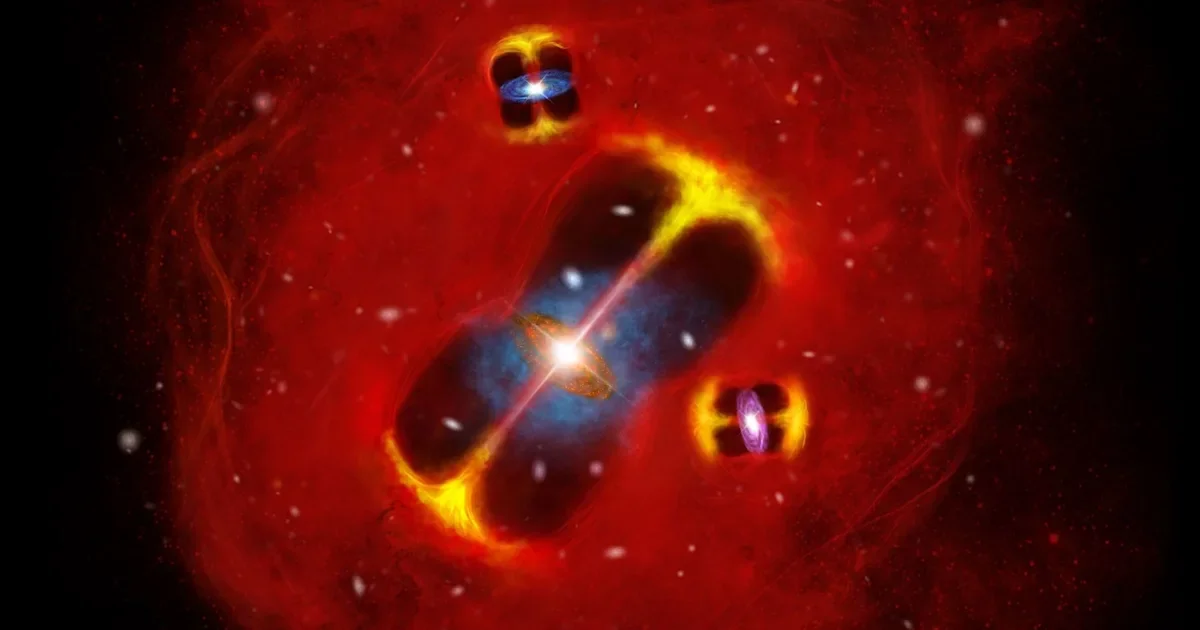
Scientists discovered an extremely hot and old galaxy cluster from just 1.4 billion years after the Big Bang, which challenges current cosmological theories. The cluster's unexpected heat is likely due to energy from supermassive black holes at its core, suggesting galaxy clusters evolve more explosively than previously thought, potentially reshaping our understanding of the early universe.
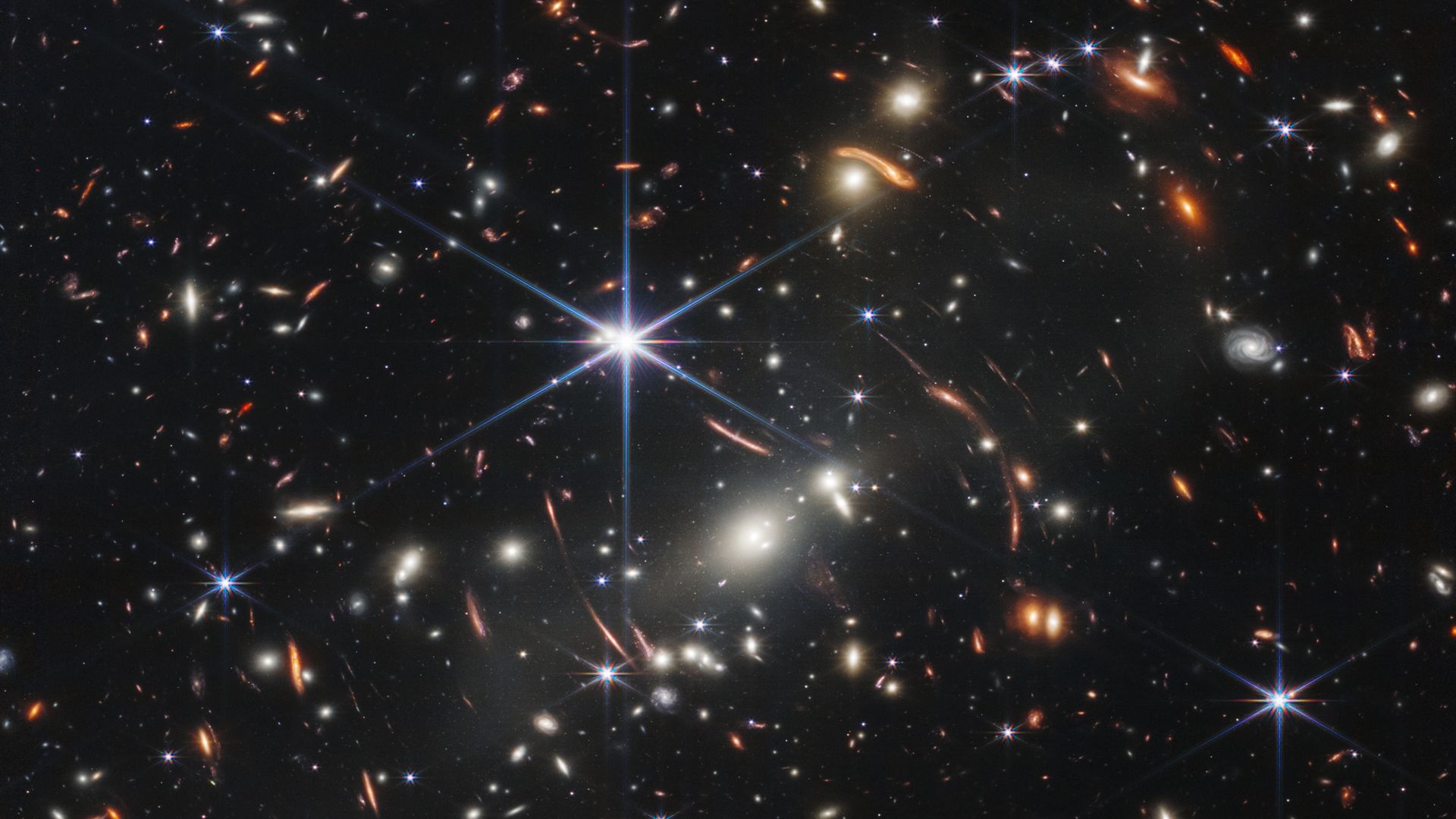
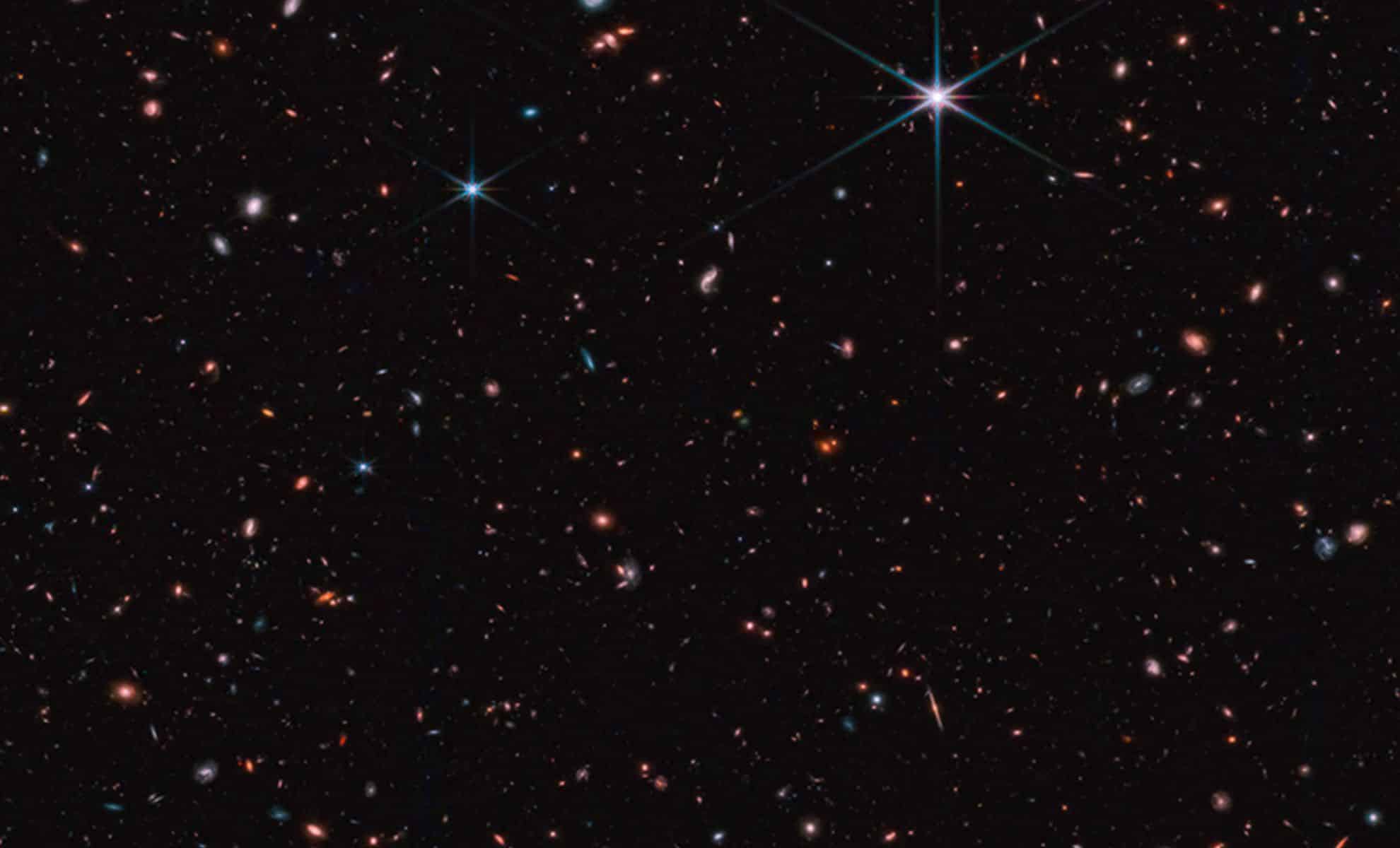
A study using the James Webb Space Telescope reveals that the universe's earliest galaxies were chaotic and turbulent, with irregular gas flows and intense star formation, before settling into the more structured galaxies we observe today.
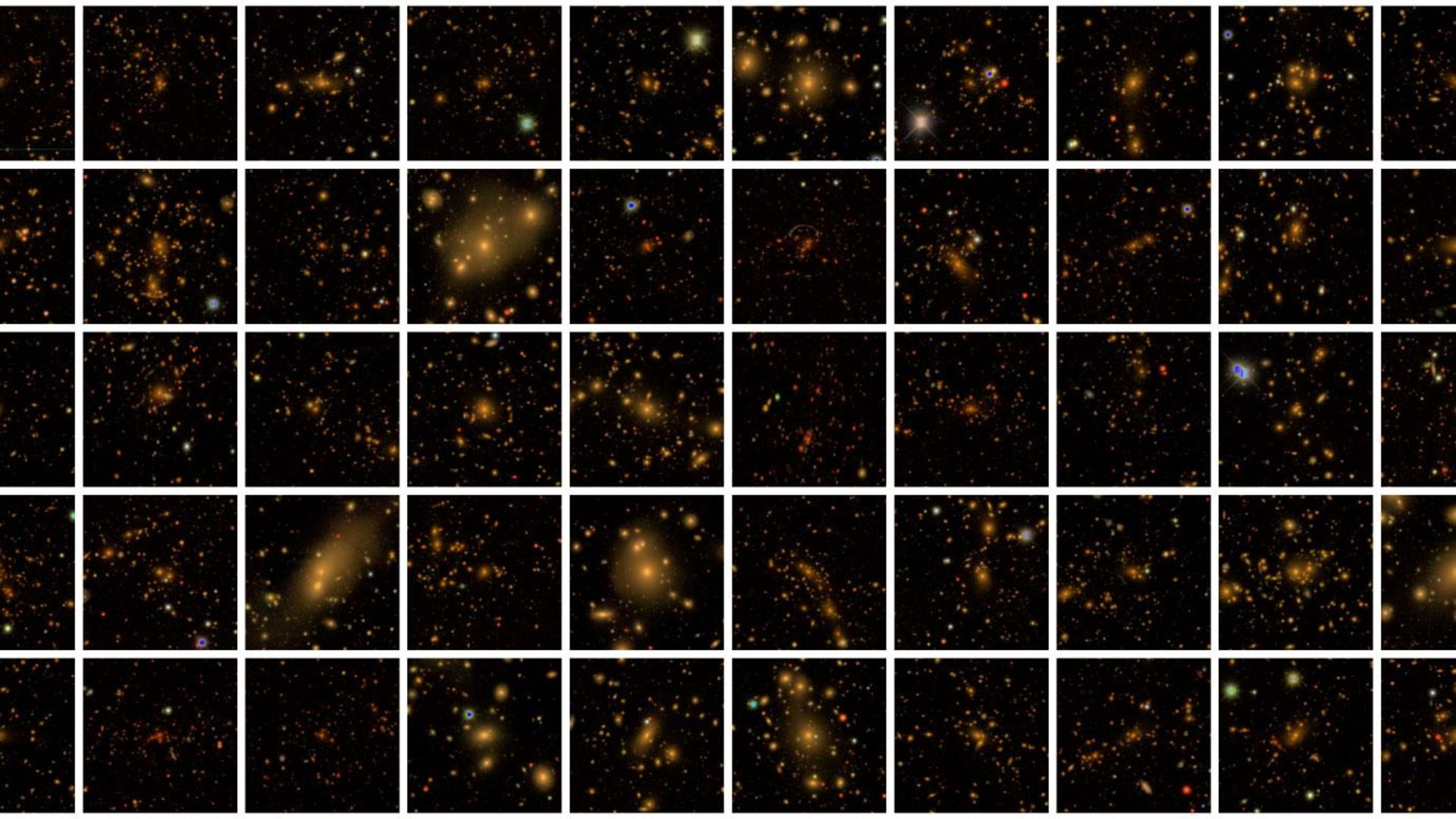
Astronomers have created the largest galaxy cluster catalog to date, providing new insights into the universe's structure and testing the Lambda-CDM model, with findings supporting its accuracy and offering a clearer map of the cosmic landscape.
Physicist Rajendra Gupta proposes a new theory suggesting that dark matter and dark energy are illusions caused by the gradual weakening of the universe's fundamental forces, offering a simpler explanation for cosmic phenomena and challenging the standard cosmological model.
Recent studies suggest that dark energy may not be constant over time but could be evolving, with data indicating a decrease in its density over billions of years. This challenges the traditional cosmological constant model and has significant implications for the universe's future, potentially leading to a cold, dark universe rather than catastrophic extremes like the Big Rip or Big Crunch. Future surveys aim to clarify the nature of dark energy and its role in cosmic expansion.
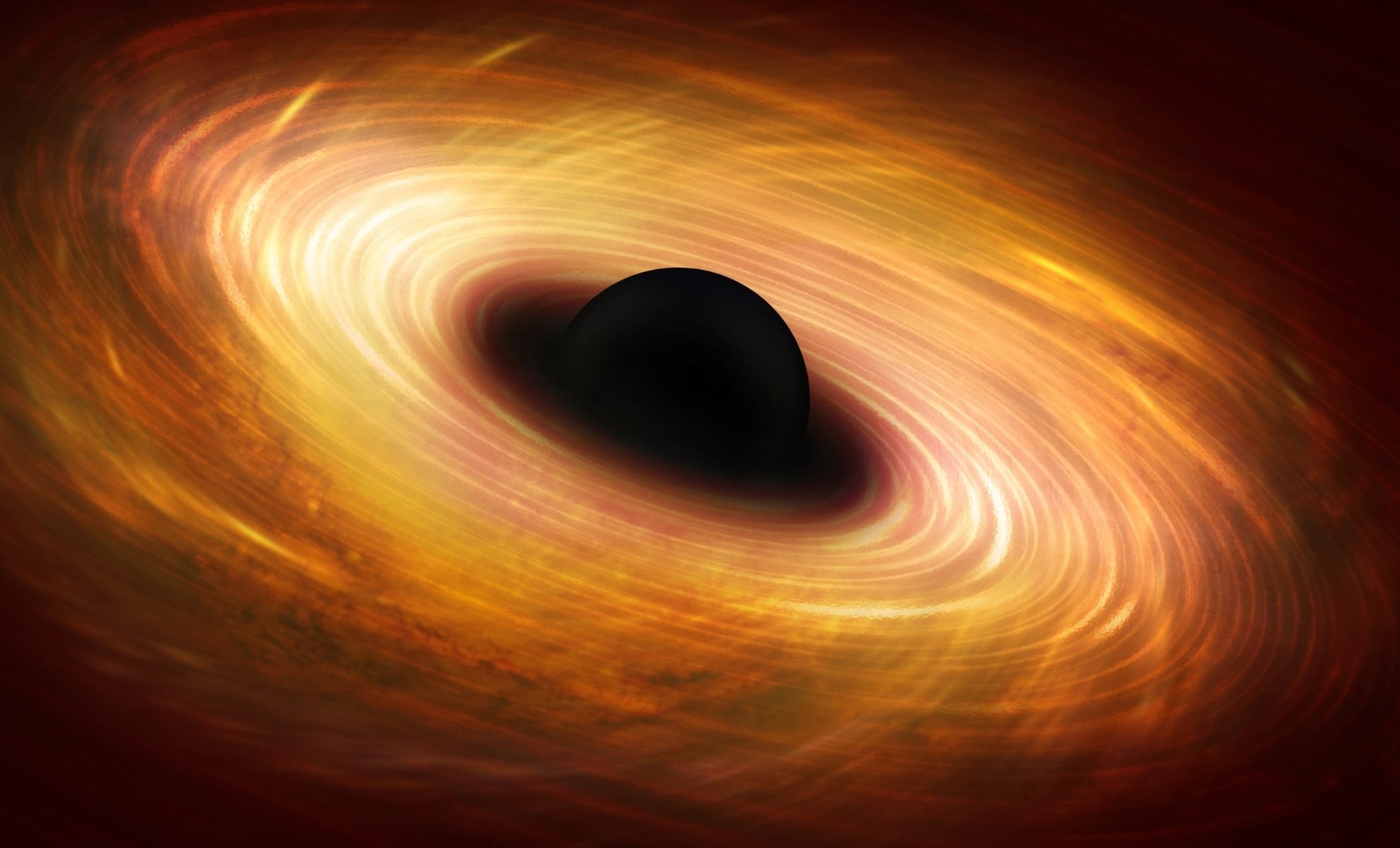
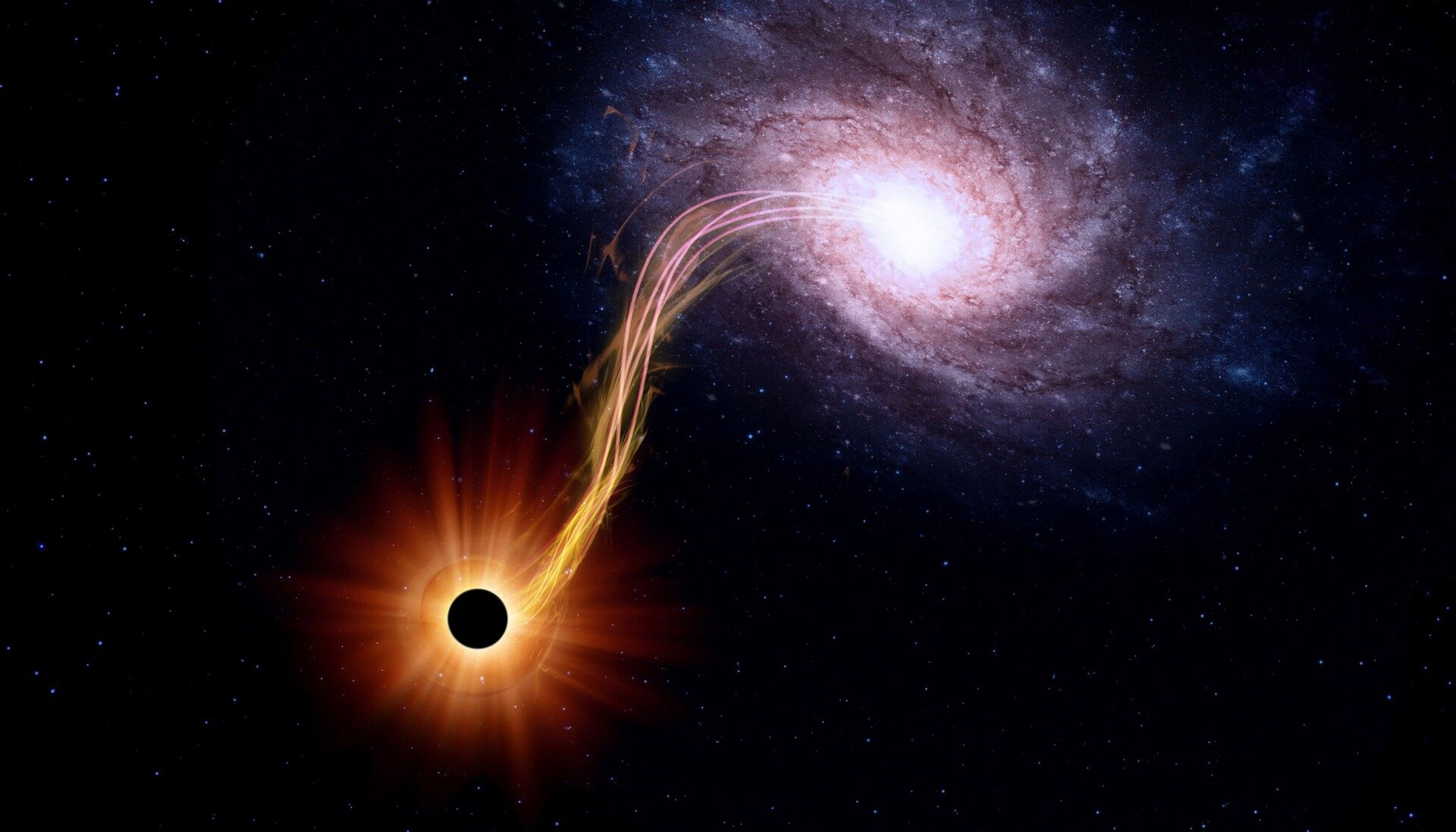
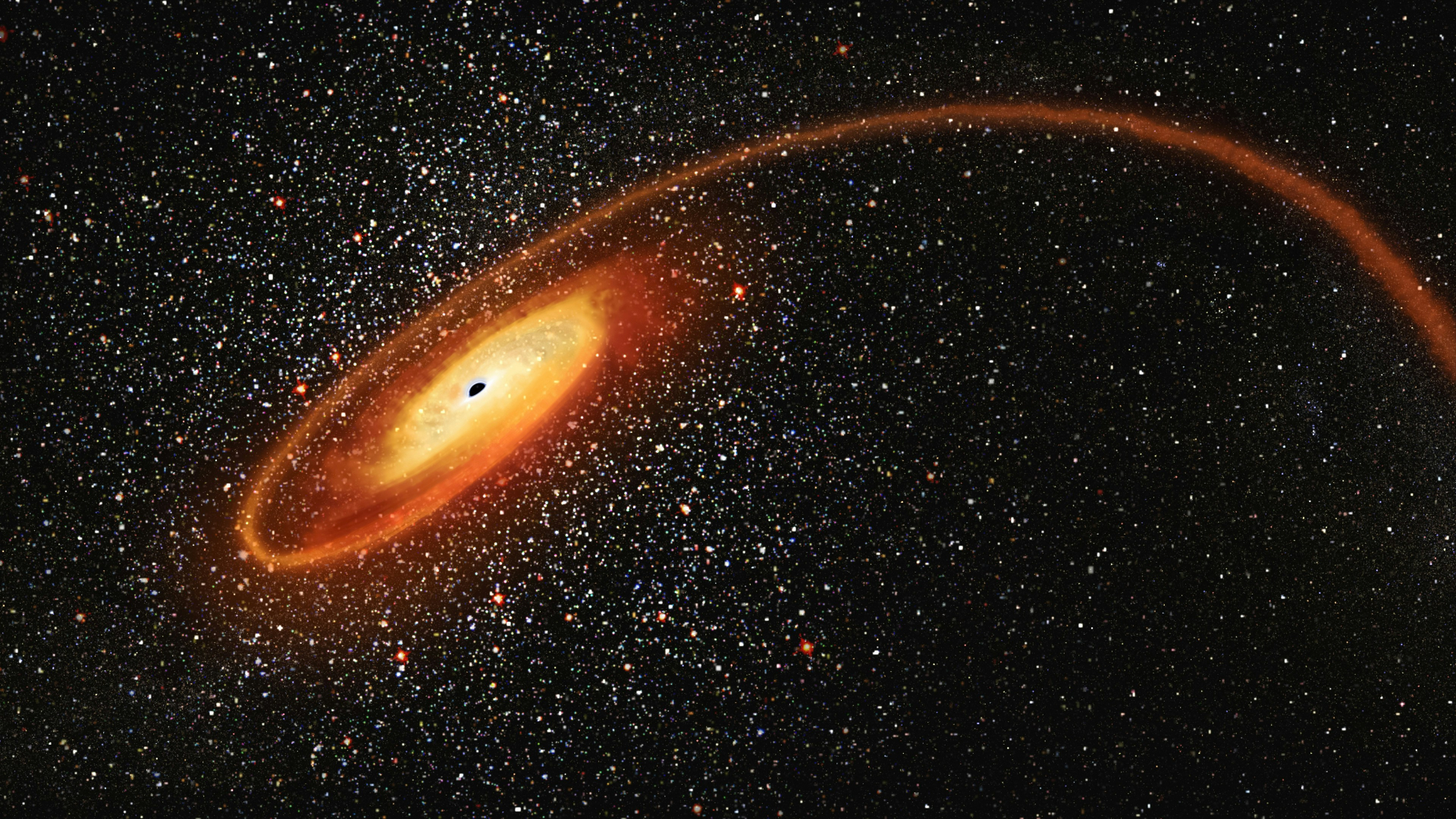
Researchers propose that black holes may convert matter into dark energy, potentially explaining the universe's accelerated expansion and resolving issues with neutrino mass measurements, based on data from the DESI mission and cosmic observations.
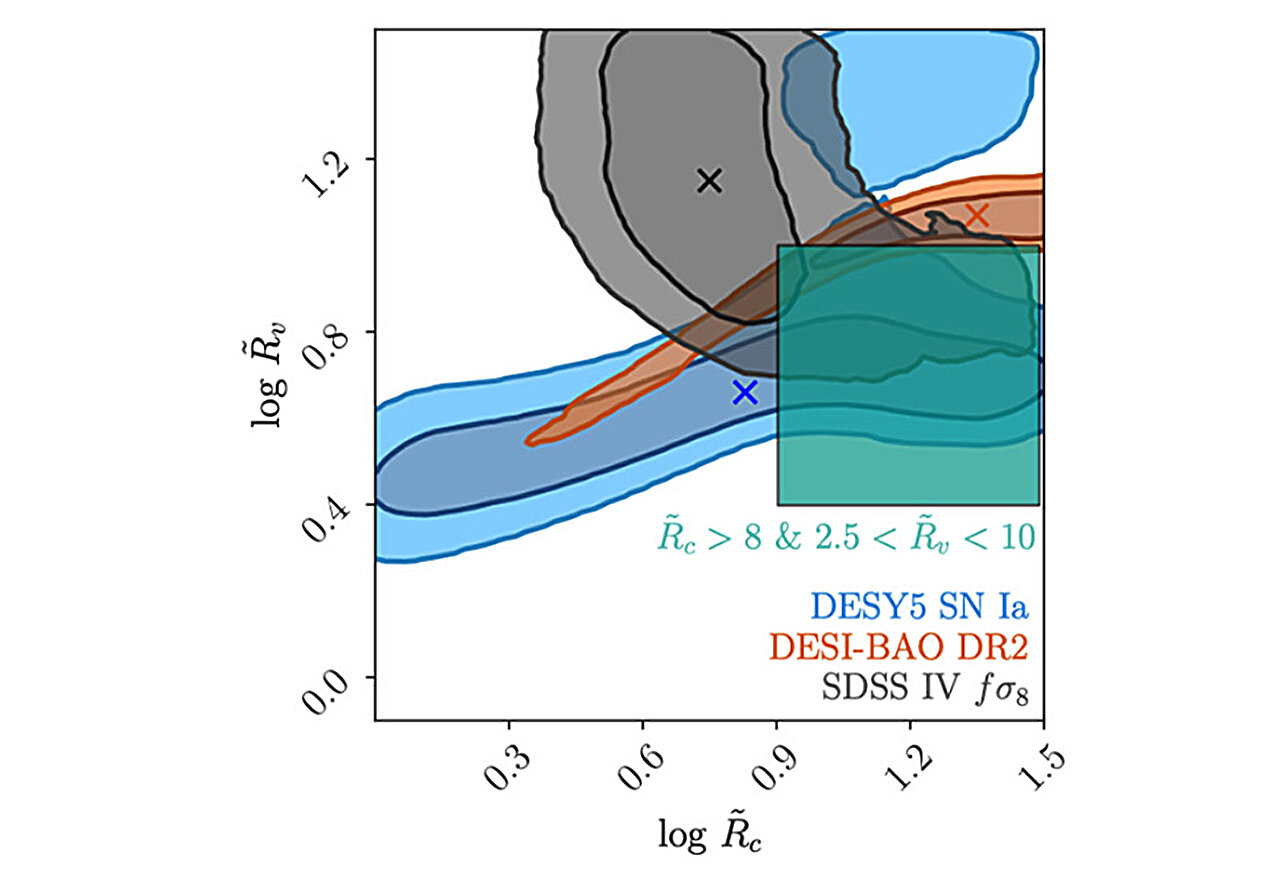
A University of Queensland researcher developed a new mathematical model that incorporates collapsing matter regions and expanding voids, offering insights into the universe's evolution and addressing key issues like Hubble tension and dark energy variability, using data from DESI.
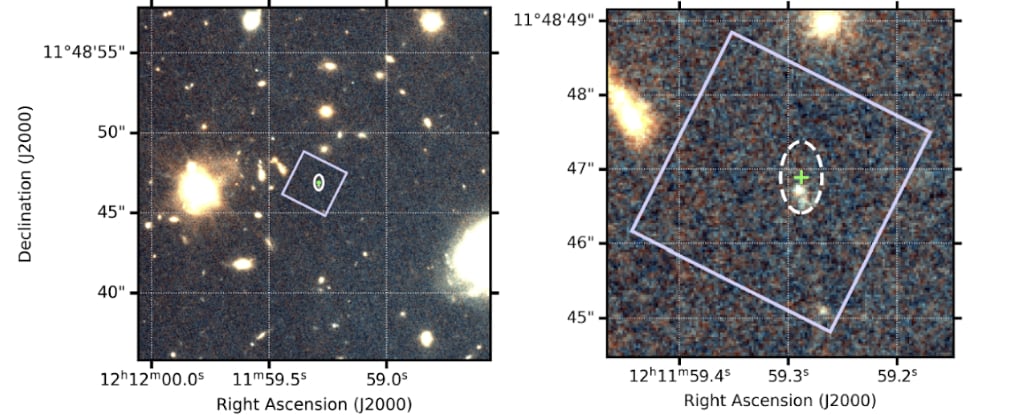
Scientists are searching for 'lite intermediate black holes'—black holes with masses between stellar and supermassive—using gravitational wave data from LIGO, and have identified several potential candidates, shedding light on their formation and role in cosmic evolution.
Scientists have traced a fast radio burst (FRB 20240304B) back to a galaxy just 3 billion years after the Big Bang, using the MeerKAT radio telescope and the James Webb Space Telescope. This discovery pushes the observational boundary of FRBs to earlier in cosmic history, providing new insights into the universe's evolution, star formation, and magnetic fields across gigaparsec scales.
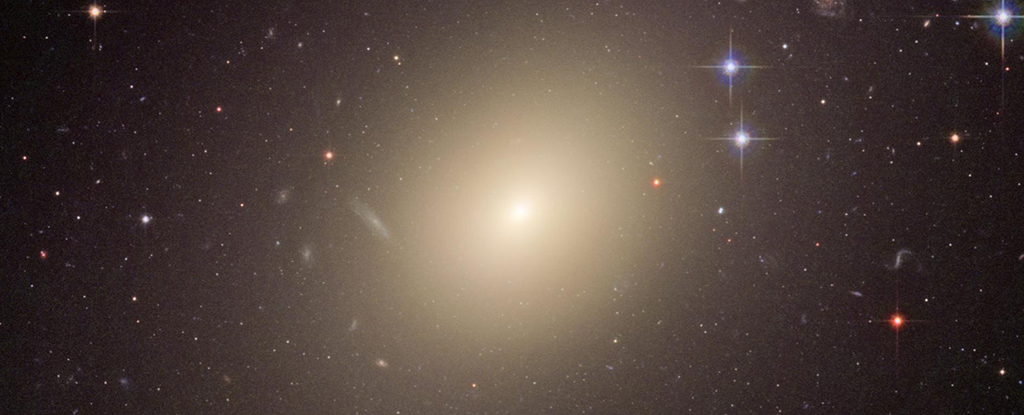
A new study questions the traditional understanding of the Cosmic Microwave Background (CMB) as a remnant of the Big Bang, suggesting that early-type galaxies (ETGs) might account for some or all of the CMB, potentially requiring a revision of the universe's history. The findings, based on recent data from the James Webb Space Telescope, imply that the formation timeline of galaxies and the interpretation of cosmic radiation may need to be reconsidered, although the research is still preliminary.
Recent studies reveal that while the initial phase of galaxy formation is largely complete, star formation within existing galaxies continues, contributing to their evolution. The James Webb Space Telescope has provided insights into the role of dark matter in galaxy formation. However, the formation of entirely new galaxies is becoming increasingly rare due to the accelerating expansion of the universe.
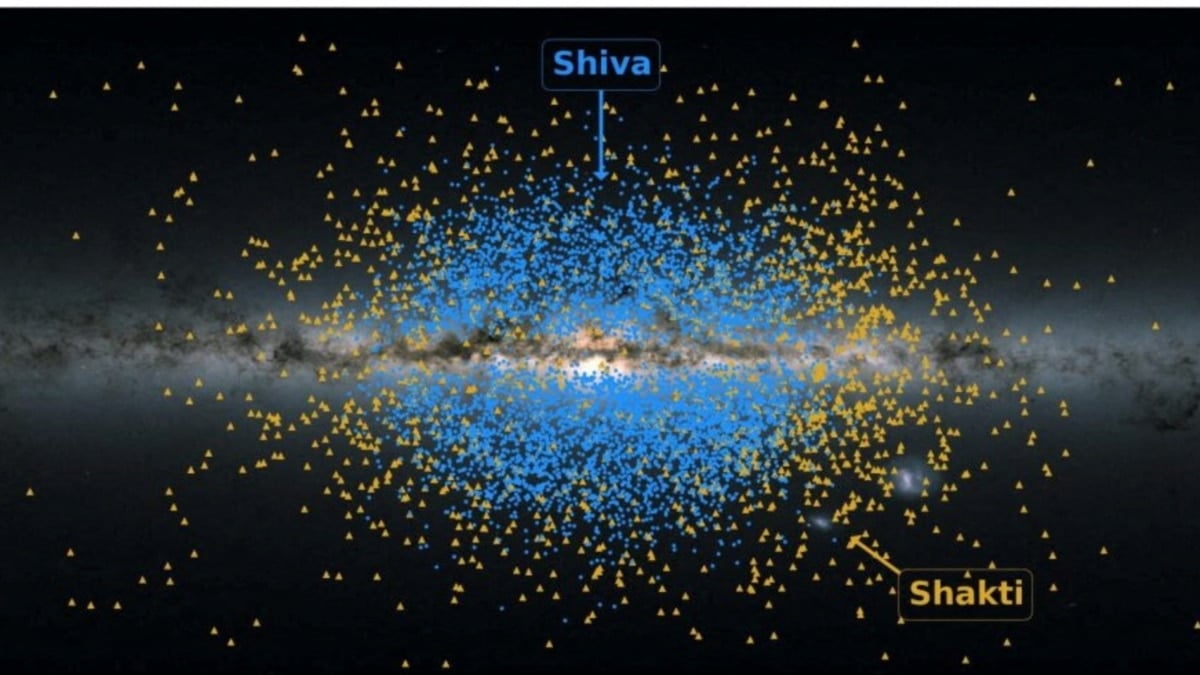
Scientists using the Gaia space telescope have identified two ancient star groupings, named Shakti and Shiva, which are believed to be among the Milky Way Galaxy’s earliest parts and may be the remains of two galaxies that combined 12 billion years ago. These structures offer new insights into how our galaxy formed and are made up of stars containing similar chemicals, believed to have formed 12 to 13 billion years ago. The discovery provides valuable information about the early stages of the Milky Way's formation and its evolution.
NASA's James Webb Space Telescope has discovered the oldest-known dead galaxy, which ceased star formation nearly 13 billion years ago, shedding light on the early stages of the universe. The find, detailed in a study published in Nature, offers insights into the regulation and cessation of star formation in galaxies, with implications for understanding the evolution of the cosmos. This discovery expands our understanding of the universe's expansion and the potential for dormant galaxies to reinitiate star-forming processes.
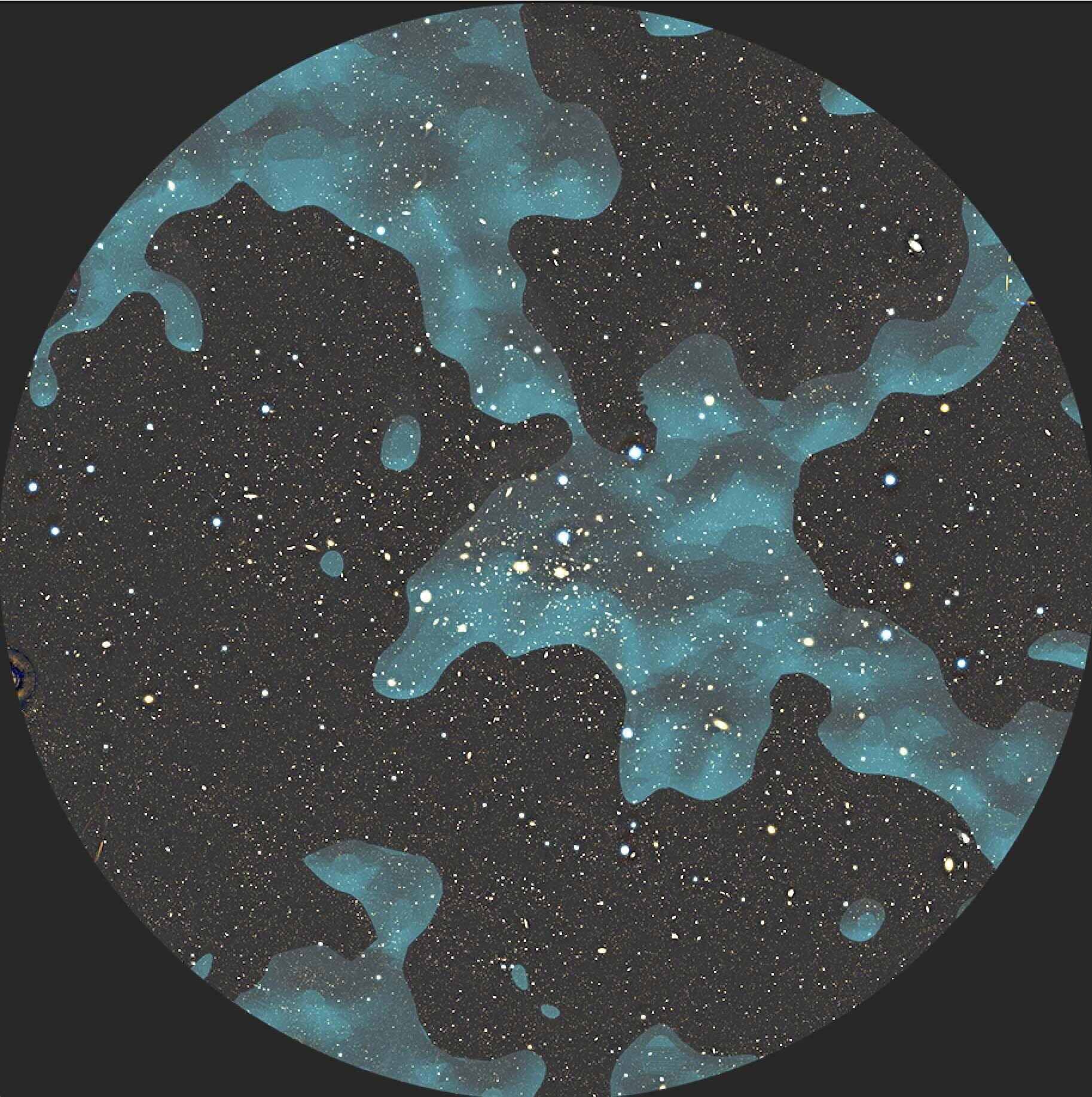
The Subaru Telescope has directly detected the terminal ends of dark matter filaments in the Coma cluster, providing the first evidence of the cosmic dark matter web spanning millions of light years. This discovery offers new insights for testing theories about the evolution of the universe and was made possible by the telescope's high sensitivity, resolution, and wide field of view. The findings, published in Nature Astronomy, confirm the existence of invisible dark matter filaments attached to the Coma cluster, shedding light on the structure of the universe.
The recent discovery of a collision between two colossal galaxy clusters challenges the standard theory of cosmology, known as the Lambda-cold dark matter (ΛCDM) model. The collision, observed when the Universe was only half its current age, contradicts the belief that galaxy clusters form later in the cosmic timeline. The study, which focused on the El Gordo galaxy cluster, found that the collision clashes sharply with the ΛCDM model, raising questions about the accuracy of current cosmological understanding. This discovery not only reshapes our understanding of cosmic events but also calls for a fresh approach to the way we comprehend the evolution of the universe.