Tag

Gaia Space Telescope

All articles tagged with #gaia space telescope

science1 year ago

Milky Way's Last Major Collision More Recent Than Expected

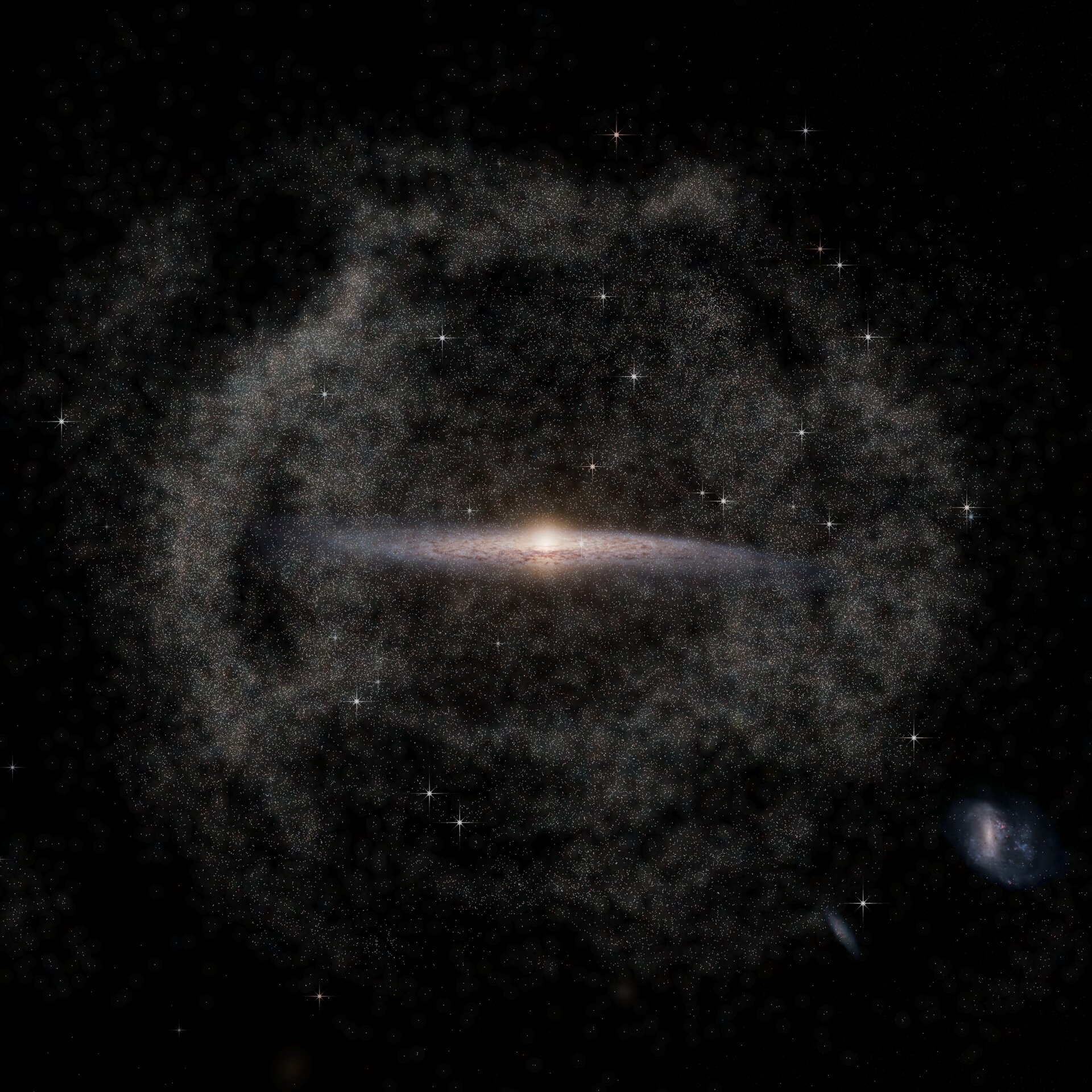
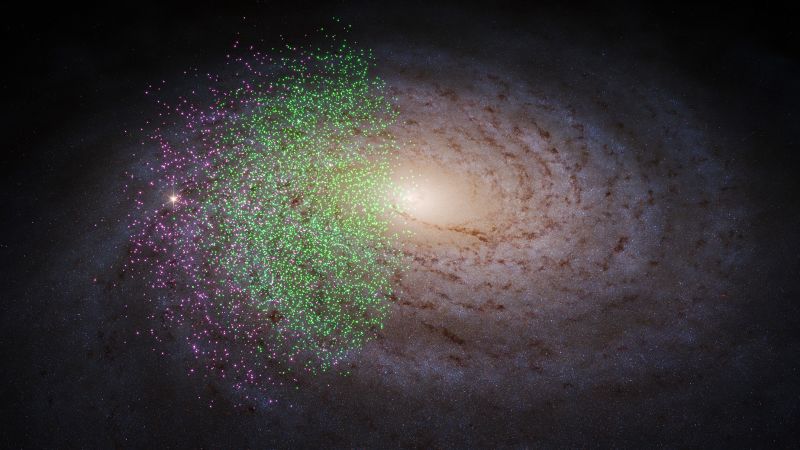
ESA's Gaia space telescope has revealed that the Milky Way's last major collision, known as the Virgo Radial Merger, occurred around 2.7 billion years ago, much more recently than previously thought. This finding challenges earlier beliefs that the last significant merger happened 8 to 11 billion years ago and suggests that many of the stars in the Milky Way's halo were acquired from this more recent event.

astronomy1 year ago

"Reviving Retro: The Resurgence of Binary Stars"

Binary stars, once neglected in astrophysics, are experiencing a renaissance in research thanks to the Gaia space telescope's decade of cosmic data, which has revealed a wealth of new information about these systems. Around 50% of stars like the sun exist with a binary partner, offering insights into stellar evolution and exotic astrophysical phenomena. Gaia's data has also improved estimations of binary star distances and revealed previously unseen phenomena, sparking renewed interest in understanding how these systems form and evolve.

astronomy1 year ago

"Discovery: Ancient Building Blocks Shakti and Shiva Found in Milky Way"

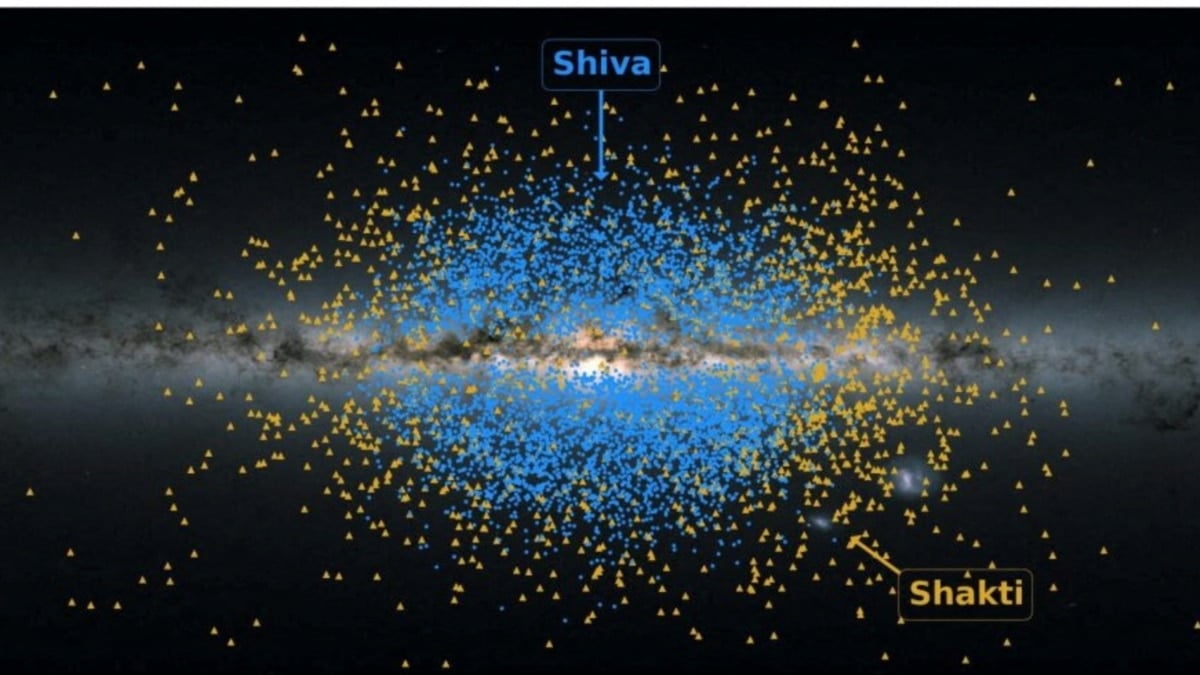
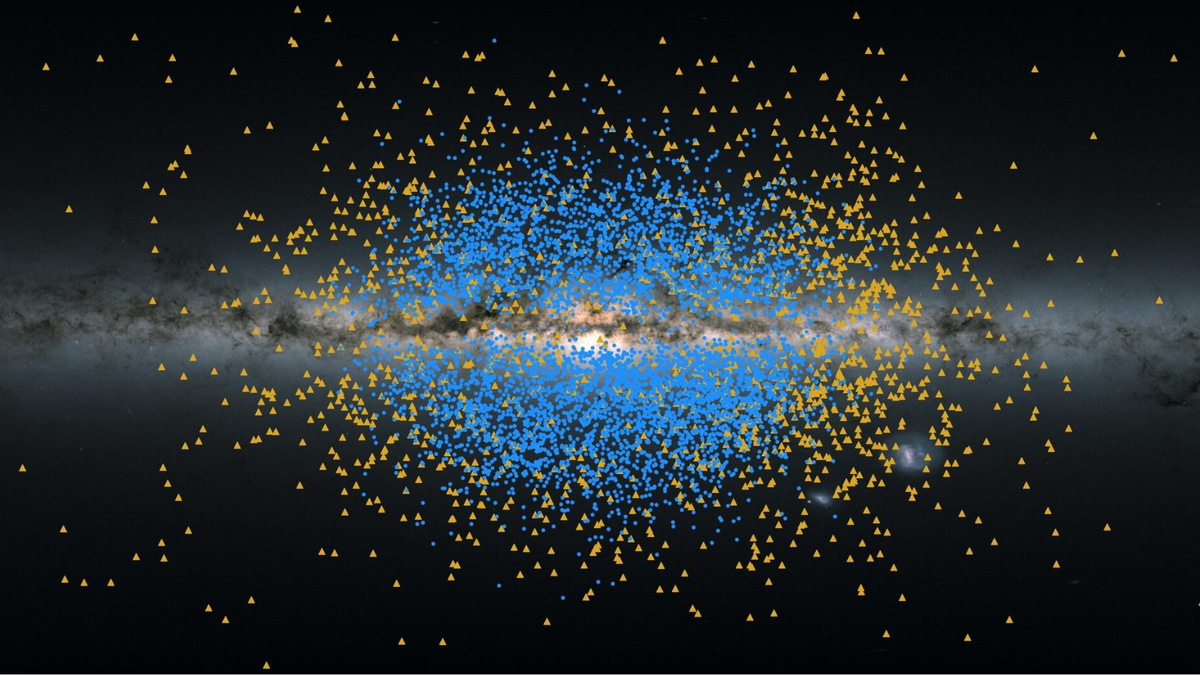
Scientists using the Gaia space telescope have identified two ancient star groupings, named Shakti and Shiva, which are believed to be among the Milky Way Galaxy’s earliest parts and may be the remains of two galaxies that combined 12 billion years ago. These structures offer new insights into how our galaxy formed and are made up of stars containing similar chemicals, believed to have formed 12 to 13 billion years ago. The discovery provides valuable information about the early stages of the Milky Way's formation and its evolution.

space-science1 year ago

Unveiling the Ancient Star Streams of the Milky Way

The landing site of Chandrayaan 3, named 'Shiv Shakti', has been approved by the International Astronomical Union, while astronomers have identified two ancient streams of stars in the Milky Way named 'Shakti' and 'Shiva', believed to be among the galaxy's earliest building blocks. These structures, found using data from the Gaia space telescope, are thought to be relics of two distinct galaxies that merged with the Milky Way around 12 billion years ago, shedding light on the galaxy's turbulent early stages.

astronomy1 year ago

"Unveiling Shakti and Shiva: The Ancient Star Streams at the Heart of the Milky Way"

Astronomers have discovered two ancient streams of stars in the Milky Way, named Shakti and Shiva, which are believed to be among the galaxy's earliest building blocks. These structures, identified using data from the Gaia space telescope, may have originated from two distinct galaxies that merged with the Milky Way around 12 billion years ago. The discovery sheds light on the galaxy's turbulent early stages and provides insight into how galaxies form in the universe. The stars in Shakti and Shiva are "metal poor," containing lesser amounts of heavier elements, and their identification contributes to a better understanding of the Milky Way's formation and evolution.

astronomy1 year ago

Unveiling Shiva and Shakti: Ancient Star Streams Weaving the Milky Way

The Gaia space telescope has discovered two ancient streams of stars, named Shakti and Shiva, that merged over 12 billion years ago to form the Milky Way. These streams are among the oldest structures in the galaxy and provide insight into its early formation. By analyzing the orbits and compositions of individual stars, astronomers have gained a better understanding of the Milky Way's ancient history and its growth towards its present size. The research, published in the Astrophysical Journal, highlights the importance of Gaia in uncovering the early cosmic history of our galaxy.

astronomy1 year ago

"Unveiling Shiva and Shakti: Ancient Star Streams that Shaped the Milky Way"

Astronomers using the Gaia space telescope have discovered two ancient streams of stars, named Shakti and Shiva, which are remnants of galaxies that merged with an early version of the Milky Way over 12 billion years ago. These streams provide insights into the galaxy's earliest days and its evolution, shedding light on how the Milky Way grew in size by merging with other galaxies. The unprecedented data from Gaia has enabled the detection of these ancient structures, contributing to a fuller understanding of the Milky Way's cosmic history.

science1 year ago

"Nightmare Fuel: Unveiling the Largest-Ever Map of Supermassive Black Holes in the Universe"

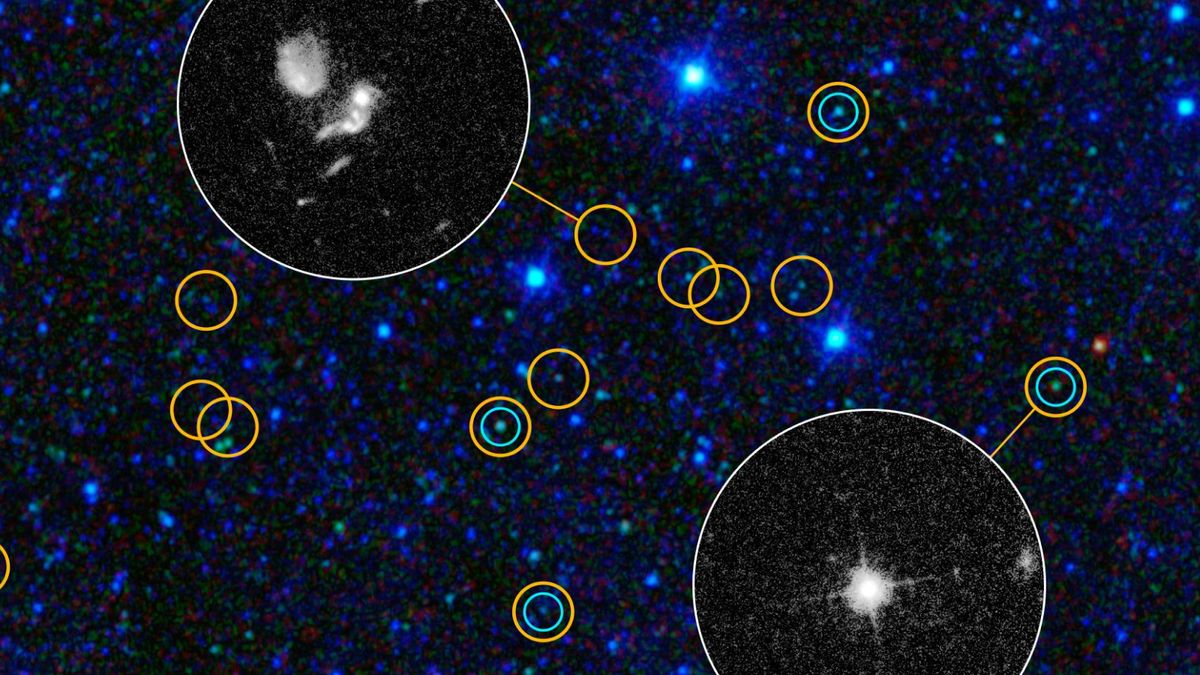
Scientists have created the largest ever supermassive black hole map, featuring over 1.3 million quasars, with the furthest black hole existing when the universe was only 1.5 billion years old. The map, showcased in a video, was built using data from the Gaia space telescope and provides insights into the early universe's matter clustering. This feat, accomplished with data from multiple sources, may help answer long-standing questions about the cosmos, but the sheer number of black holes in the universe might give you nightmares.

astronomy1 year ago

"Unveiling the Vast Universe: Largest-Ever Map of Supermassive Black Holes"

The European Space Agency's Gaia space telescope, originally intended to map stars within the Milky Way, has inadvertently provided data on objects beyond our galaxy, including quasars and distant galaxies. Scientists have used this data to create a groundbreaking map detailing approximately 1.3 million active supermassive black holes in three-dimensional space, offering unprecedented insights into the vast expanse of the universe and revolutionizing our understanding of cosmic evolution. This unexpected treasure trove of data has led to the creation of a comprehensive catalogue of quasars, shedding light on the distribution of dark matter throughout the cosmos and catalyzing new discoveries and inquiries for astronomers worldwide.

astronomy1 year ago

"Unveiling the Largest 3D Map of 1.3 Million Active Supermassive Black Holes in the Universe"

Scientists have revealed a 3D map of supermassive black holes, comprising 1.3 million quasars, the largest volume of the universe ever charted. The map, called Quaia, provides a catalog of quasars based on data from the Gaia space telescope and other sources, offering insights into the evolution of supermassive black holes and their host galaxies. This groundbreaking map also presents an opportunity to study dark matter and its influence on the distribution of regular matter across the universe.

astronomy1 year ago

"Unveiling the Largest 3D Map of the Universe's Black Holes and Quasars"

An international team of astronomers has created the largest-ever three-dimensional map of the known universe using data from the Gaia Space Telescope, revealing the locations of over 1.3 million quasars powered by supermassive black holes. The map is already aiding scientific research by helping measure matter clumping throughout the cosmos and providing insights into dark matter. This groundbreaking map is expected to support a wide range of astronomical research efforts.

astronomy1 year ago

"The Enigmatic Oscillation of the Radcliffe Wave in Our Galaxy"

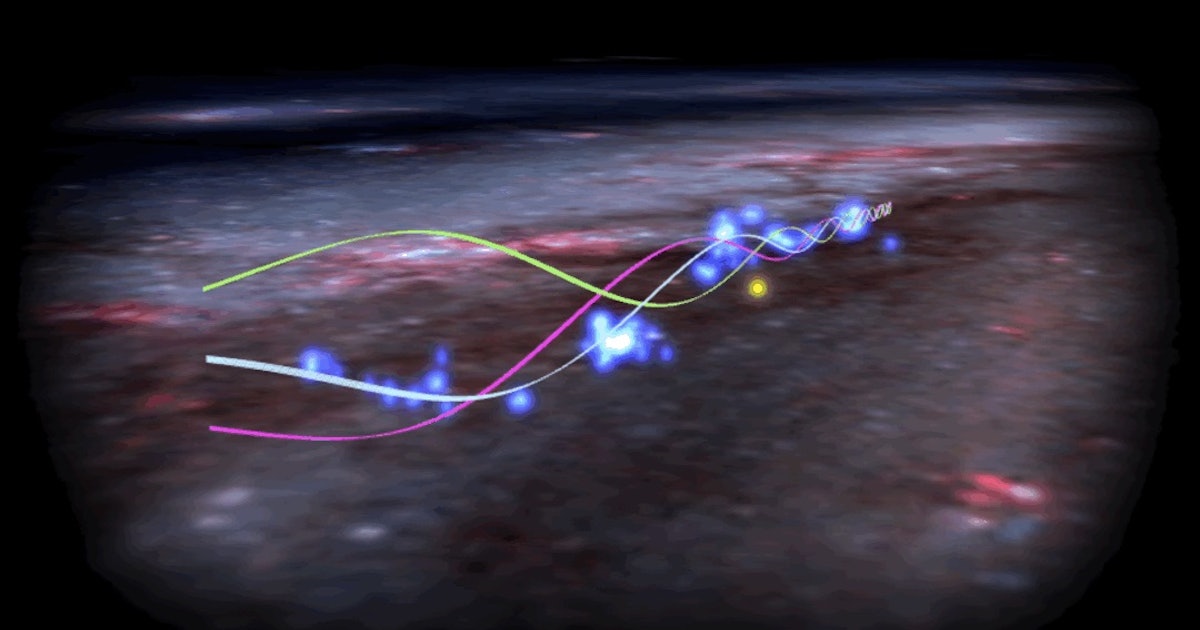
Astronomers have discovered that the Radcliffe Wave, a chain of dense gas clouds and newborn star clusters stretching 9,000 light years along the Orion Spur of the Milky Way, is oscillating up and down like a wave. Using data from the Gaia space telescope, researchers found that the entire structure is in motion, raising questions about its formation and the forces driving its movement. The discovery challenges previous assumptions about the stability of galactic structures and may provide insights into the dynamics of spiral arms in galaxies.

astronomy2 years ago

'Rogue' Star's Collision Course with Our Solar System Averted

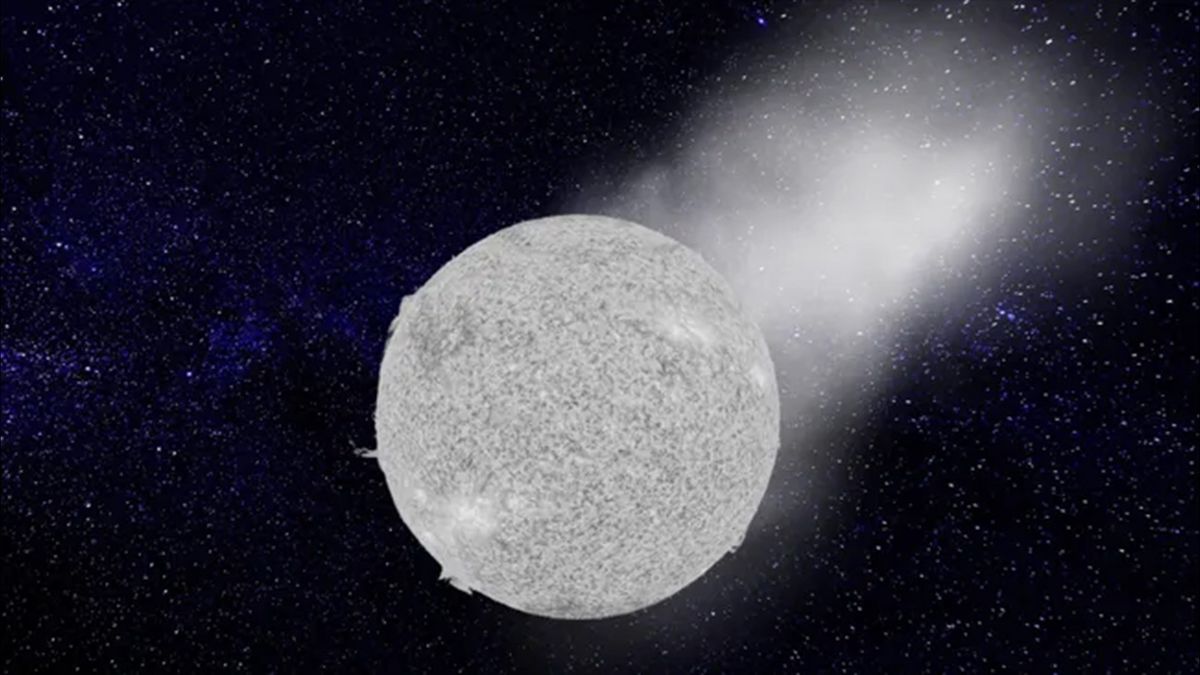
The "rogue" white dwarf star, WD 0810-353, previously predicted to have a close encounter with our solar system in 29,000 years, is now believed to not be heading our way at all, according to new research. The Gaia space telescope's measurements of the star's approach speed were found to be incorrect, and it was discovered that WD 0810-353 has a large magnetic field that affected the interpretation of its trajectory. The solar system is likely safe from the disturbances caused by this particular rogue white dwarf.

astronomy2 years ago

Rogue Star's Collision Threat to Our Solar System Proven False

The solar system has been saved from a potential collision with a rogue dwarf star, WD 0810–353, as new calculations reveal that the star is not actually moving towards the Sun. Initially, the Gaia space telescope had predicted a close encounter between the star and the Sun, but the measurements were incorrect due to the star's strong magnetic field. By using the Very Large Telescope, astronomers accurately analyzed the star's spectrum and determined that our solar system is not in danger from the white dwarf.