Tag

Early Galaxies

All articles tagged with #early galaxies

science6 months ago

JWST Unveils the Universe's Origins and Our Cosmic Vision

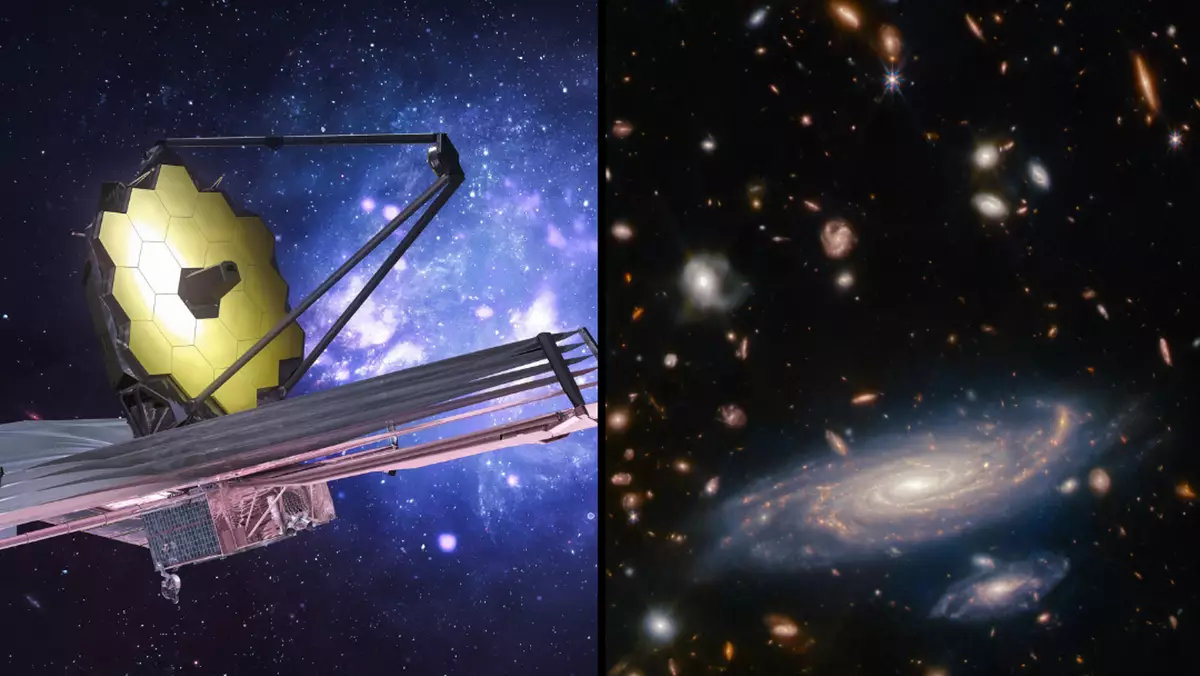
The James Webb Space Telescope revealed an overabundance of bright, massive, and evolved galaxies in the early universe, initially thought to challenge existing cosmological models. However, further analysis showed that this was due to JWST's optical performance, better understanding of galaxy formation, bursty star formation, and active black holes, which together explain the observations without breaking the universe. The findings also suggest a progression from dust-free, early galaxies to dust-rich, later galaxies, providing a comprehensive picture of galaxy evolution.

science7 months ago

James Webb Telescope Unveils Ancient and Massive Galaxies Reshaping Cosmic Understanding

The James Webb Space Telescope has discovered three massive, ancient galaxies called 'red monsters' from nearly 13 billion years ago, challenging existing theories of galaxy formation by showing these structures were already very large and highly active in star production shortly after the Big Bang, thanks to Webb's advanced infrared technology.

science1 year ago

James Webb Telescope Reveals Ancient Galaxies, Redefining Cosmic Age and Theories

The James Webb Space Telescope has made a groundbreaking discovery that challenges the long-held belief about the universe's age. Previously thought to be 13.8 billion years old, new findings suggest it could be 26.7 billion years old. This revelation stems from observations of 'impossible early galaxies' that formed sooner than expected, prompting scientists to reconsider existing cosmological models. The research combines the tired light theory with evolving models, offering a new perspective on the universe's timeline.

science-and-space1 year ago

"Ancient Light Source That Ignited the Universe Discovered"

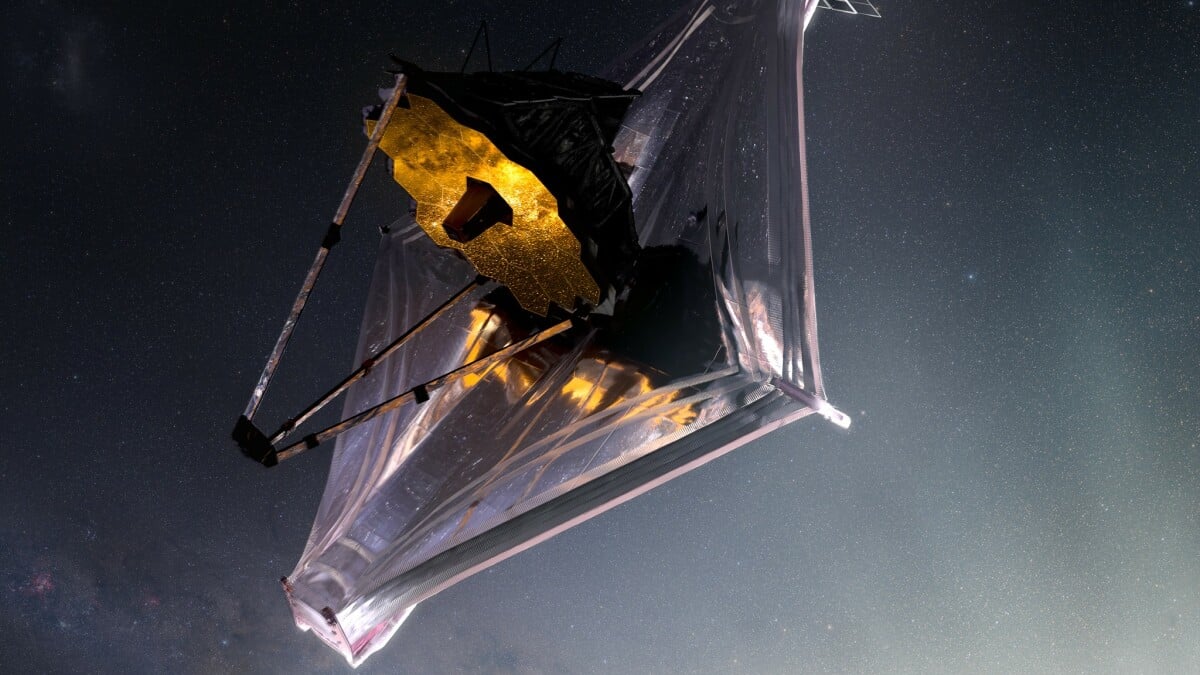
The James Webb Space Telescope (JWST) has discovered early galaxies that initially seemed to challenge the Big Bang theory due to their unexpected size and brightness. However, more precise measurements have shown these galaxies to be less extraordinary than first thought, aligning with current cosmological models. While JWST's findings raise intriguing questions about early galaxy formation, they do not "break" the Big Bang theory, but rather enhance our understanding of the universe's early stages.

science-and-technology1 year ago

James Webb Telescope Captures Universe's Earliest and Most Distant Galaxy

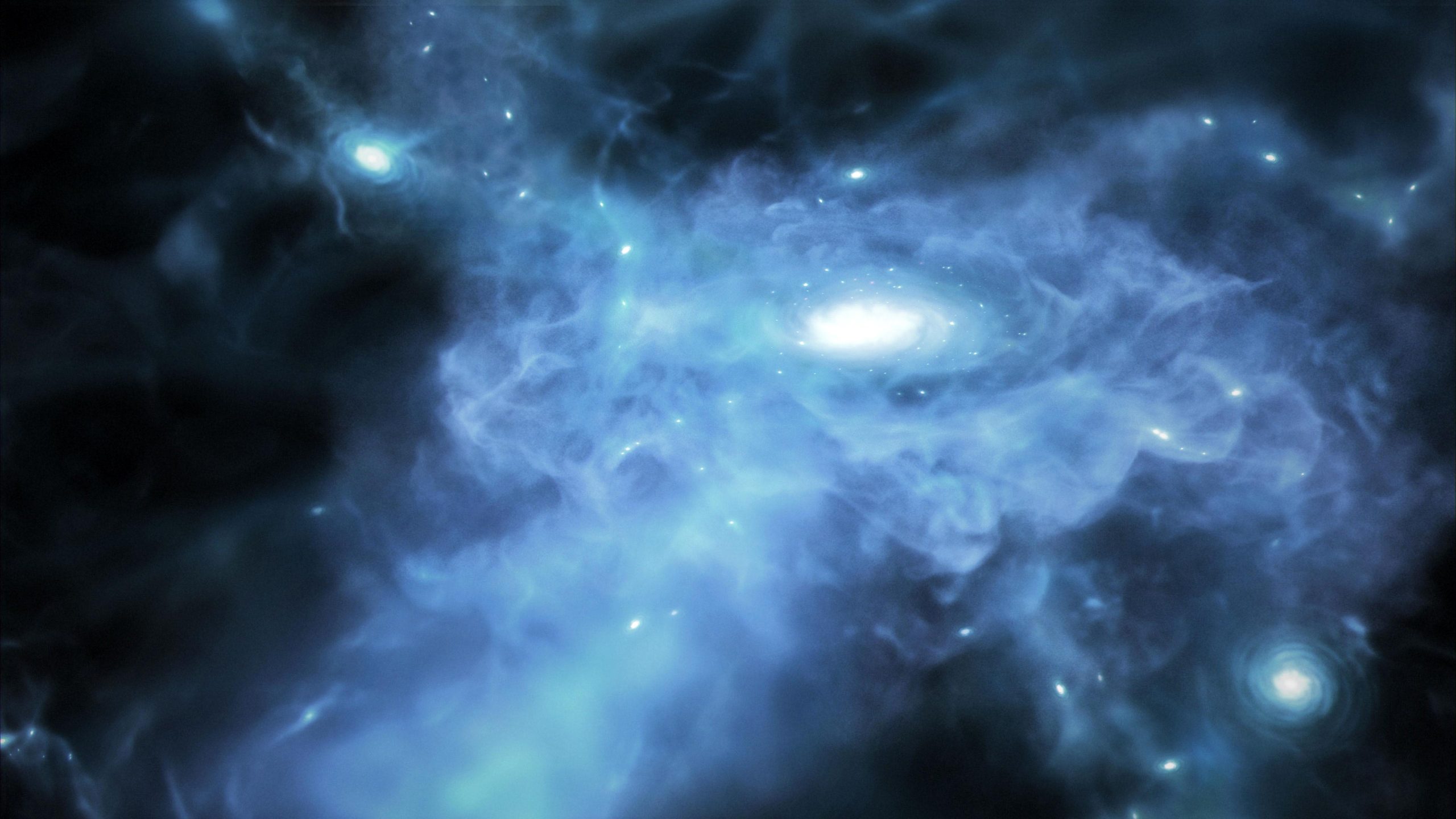
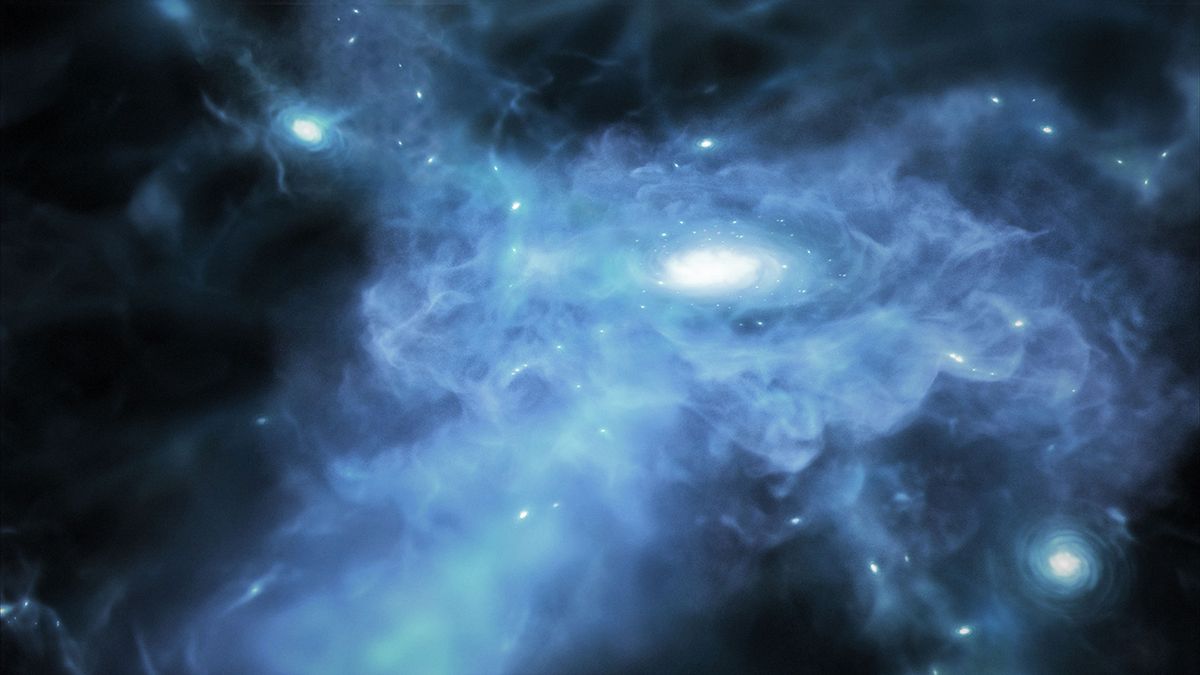
Researchers using the James Webb Space Telescope have captured the formation of three of the universe's earliest galaxies, dating back 13.3 to 13.4 billion years. This groundbreaking observation, part of the Cosmic Evolution Early Release Science (CEERS) Survey, provides the first direct images of galaxy formation, revealing dense, cold hydrogen gas in the early universe. The study, led by the Niels Bohr Institute, marks a significant step in understanding the origins of the universe and has been published in the journal Science.

science1 year ago

"Webb Telescope Unveils Early Universe's Sparkling Galaxies"

NASA's James Webb Space Telescope has discovered three of the universe's earliest galaxies, formed between 400 and 600 million years after the Big Bang. These observations, detailed in the journal Science, reveal galaxies surrounded by hydrogen and helium, marking the first direct images of galaxy formation. The findings provide crucial insights into the early universe and the formation of the first star systems.

science-and-technology1 year ago

"James Webb Telescope Unveils Earliest Galaxies from Cosmic Dawn"

NASA's James Webb Space Telescope has discovered three of the universe's earliest galaxies, formed between 400 million to 600 million years after the Big Bang. These galaxies, observed feeding on helium and hydrogen, provide the first direct images of galaxy formation, marking the birth of the first star systems in the universe.

science1 year ago

James Webb Telescope Discovers Universe's Earliest Galaxies

The James Webb Space Telescope has captured images of three of the universe's earliest galaxies, formed 400 to 600 million years after the Big Bang. These galaxies, seen as red smudges, are in the initial stages of formation, feeding on helium and hydrogen. This discovery provides unprecedented direct images of galaxy formation and offers insights into the early universe's structure and evolution.

science1 year ago

"James Webb Space Telescope Unveils Impossible Discovery"

The James Webb Space Telescope has made an astonishing discovery, finding a small bunch of red dots identified as some of the earliest galaxies ever formed, shedding light on the coexistence of black holes and the first stars. This challenges the traditional concept of black hole formation and suggests that black holes formed along with the first stars, with their growth initially promoting the stars before transitioning into a mode of turning off the stars. This groundbreaking finding has the potential to change our understanding of how galaxies and black holes started out, opening up new avenues for scientific exploration in astrophysics and the early universe.

astronomy1 year ago

Unveiling the Mystery: The Surprising Relationship Between Black Holes and Galaxies

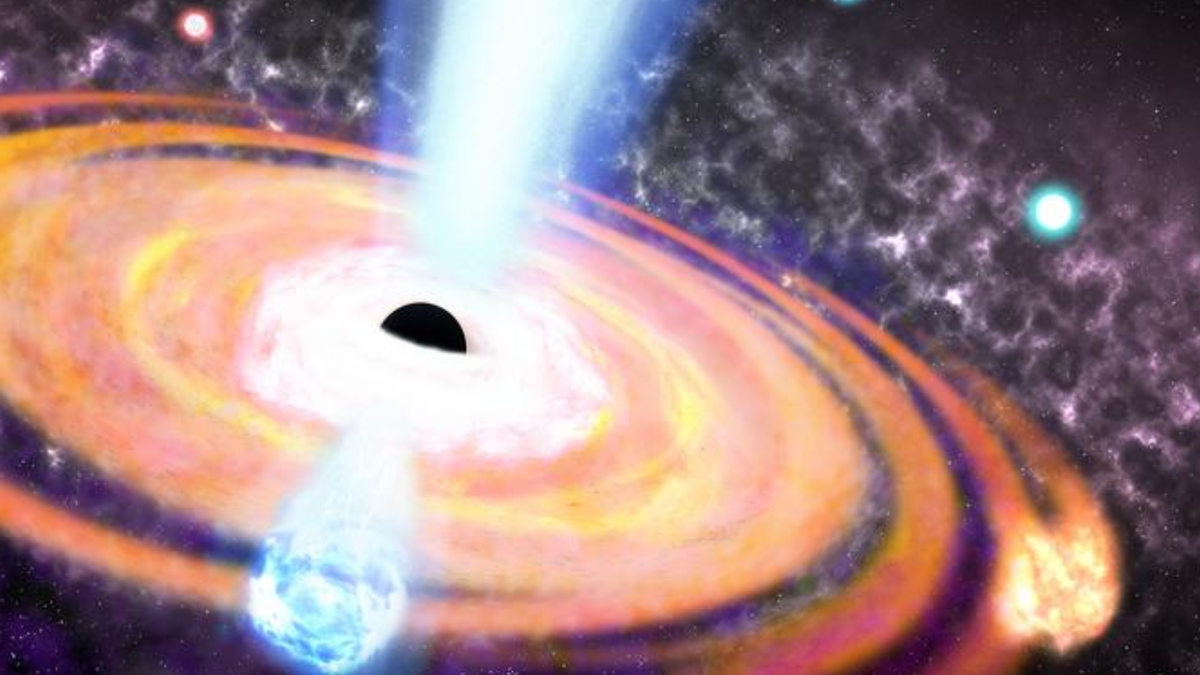
New research based on a reanalysis of data from the James Webb Space Telescope suggests that supermassive black holes may have existed during the first 50 million years of the universe, challenging previous theories that they formed after the first stars and galaxies. The findings indicate that these black holes could have influenced the early universe by driving star formation, potentially reshaping our understanding of how galaxies form. The research team theorizes that the early universe had two distinct phases, with black holes accelerating star formation in the first phase and triggering rapid star formation in the second phase before stymying it with massive outflows. The team believes that future JWST data could confirm this new theory and provide answers to fundamental questions about the universe.

astronomy2 years ago

Unveiling the Enigma of Early Galaxies: Webb Telescope's Revelation

The James Webb Space Telescope has unraveled a cosmic mystery by revealing that the inexplicable light previously observed from early galaxies is actually emitted by groups of galaxies colliding and merging with one another, creating an active cosmic environment that allows the light to escape into space. This discovery challenges previous hypotheses and provides new insights into the formation of early galaxies. Equipped with a powerful mirror and infrared view, the Webb telescope is poised to revolutionize our understanding of the early universe and distant exoplanets.

astronomy2 years ago

"James Webb Telescope Uncovers Surprising Shapes of Early Galaxies"

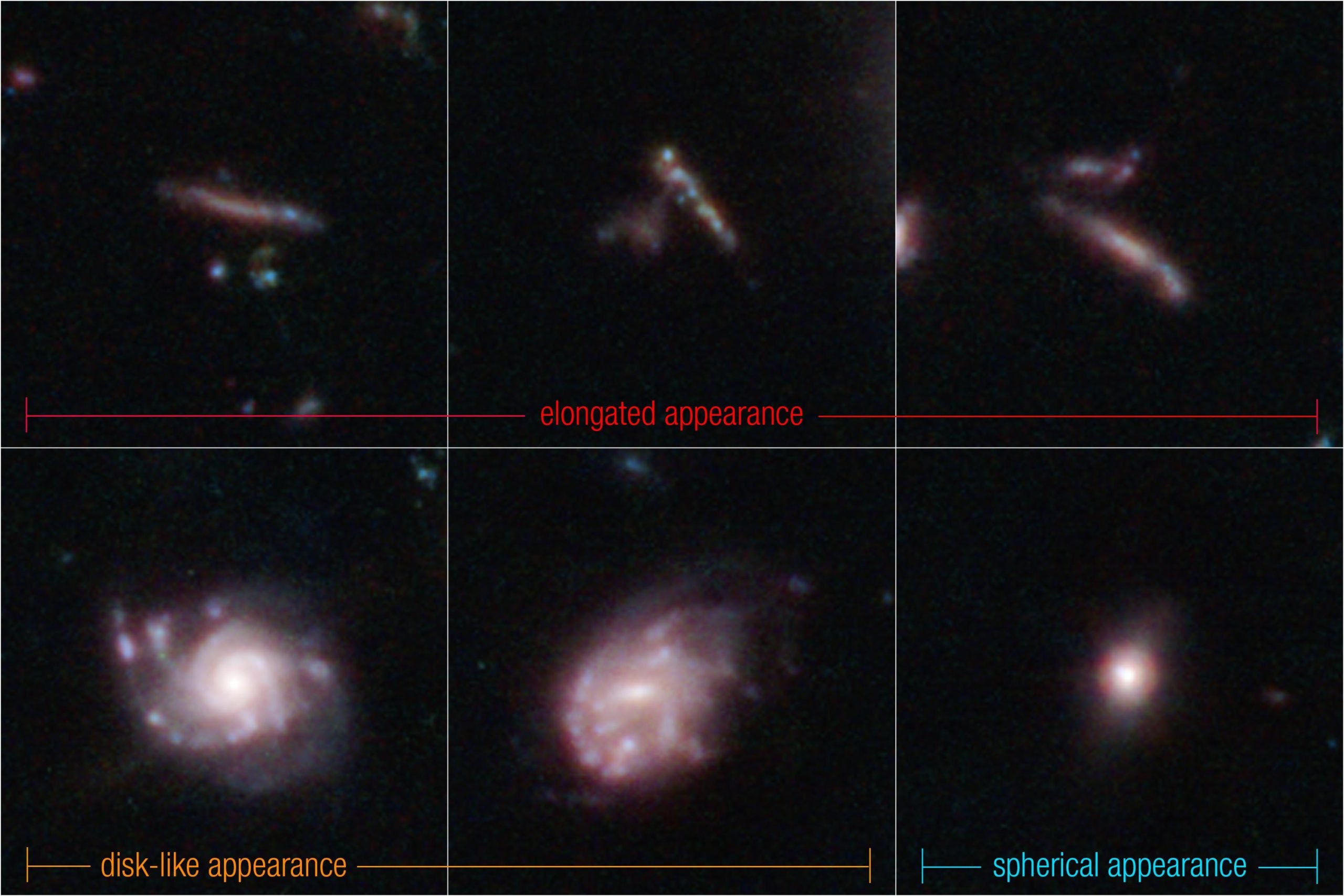
NASA's James Webb Space Telescope has discovered that galaxies in the early universe often had elongated shapes resembling surfboards and pool noodles, rather than round forms. This finding, based on near-infrared images from the CEERS Survey, challenges previous assumptions about the structure of early galaxies and provides new insights into their 3D geometries. The telescope's observations also revealed that these elongated galaxies were more common in the early universe, with implications for understanding the evolution of galaxy shapes over cosmic time.