Astronomers have detected dark matter hanging from massive filaments in the cosmic web for the first time using the Subaru Telescope, indirectly observing dark matter on cosmic web filaments in the Coma Cluster. This discovery could help confirm how the cosmic web has influenced the universe's evolution, and the team's results were published in the journal Nature Astronomy.
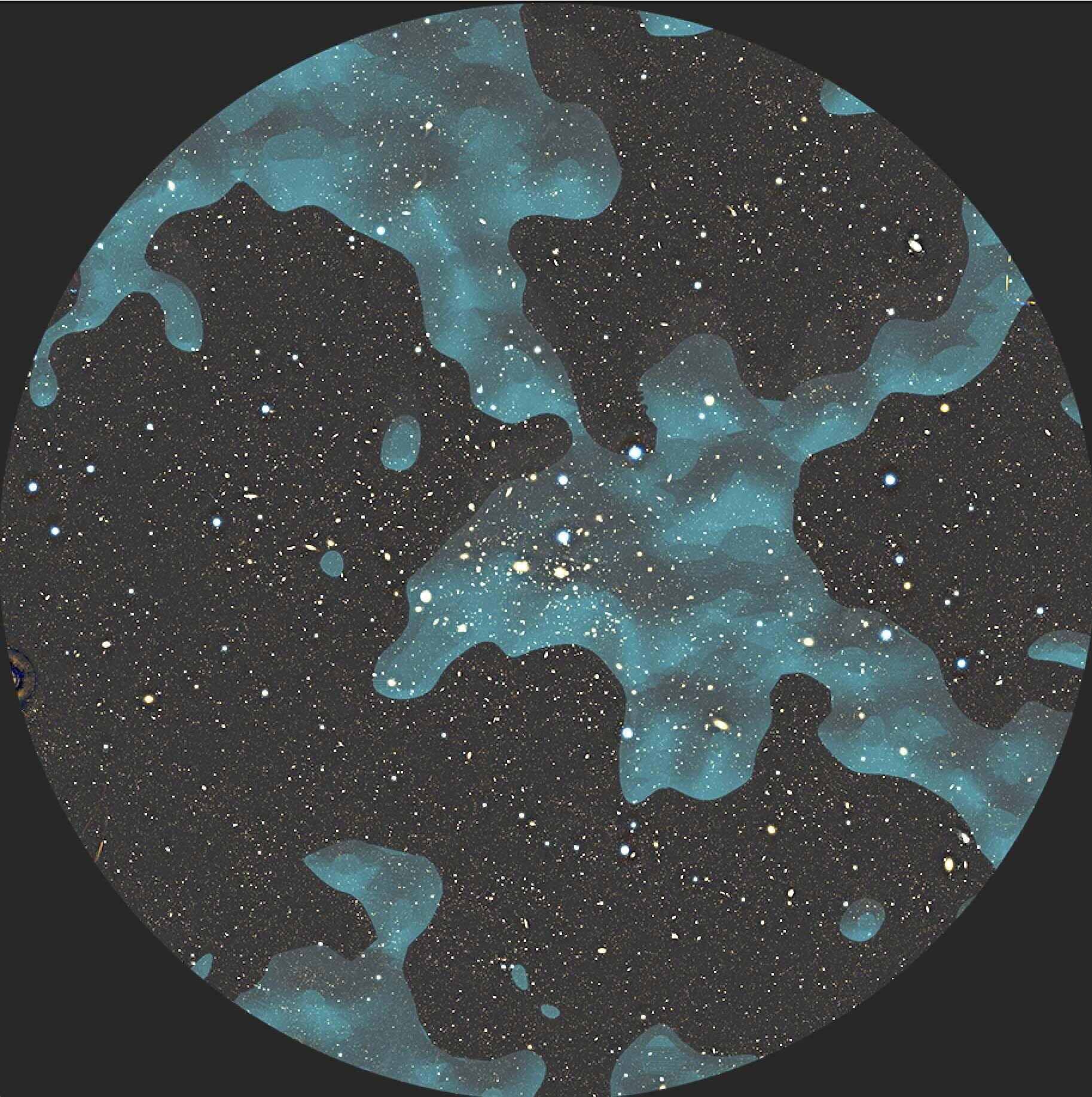
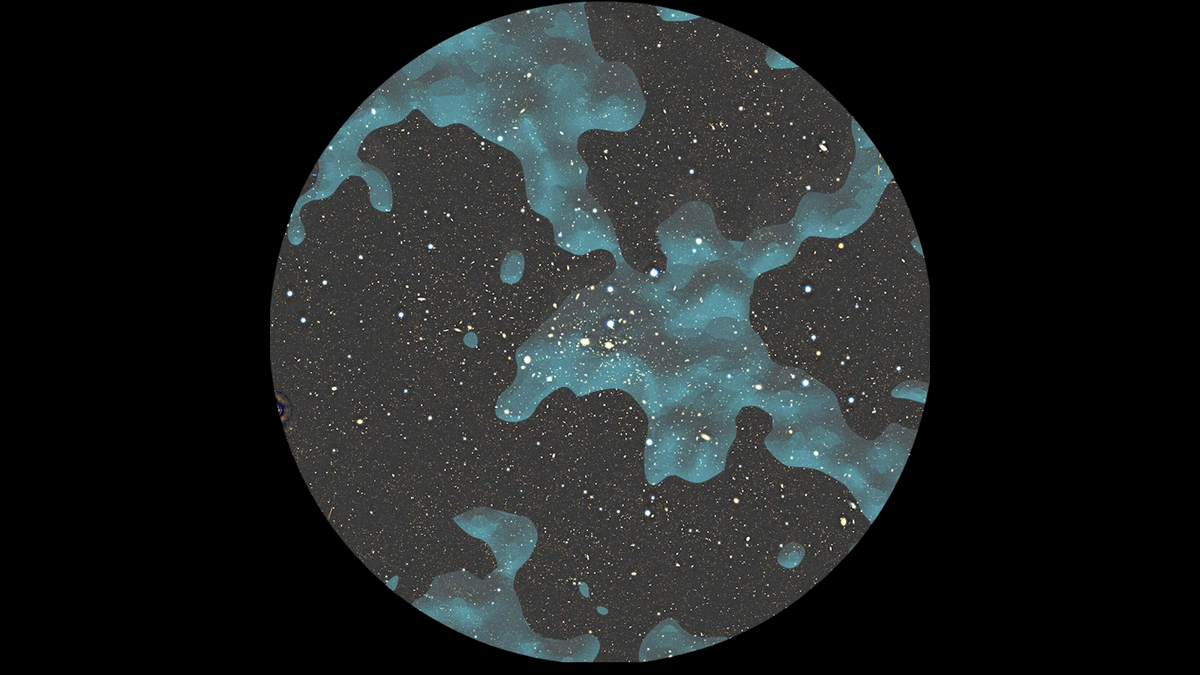
The Subaru Telescope has directly detected the terminal ends of dark matter filaments in the Coma cluster, providing the first evidence of the cosmic dark matter web spanning millions of light years. This discovery offers new insights for testing theories about the evolution of the universe and was made possible by the telescope's high sensitivity, resolution, and wide field of view. The findings, published in Nature Astronomy, confirm the existence of invisible dark matter filaments attached to the Coma cluster, shedding light on the structure of the universe.
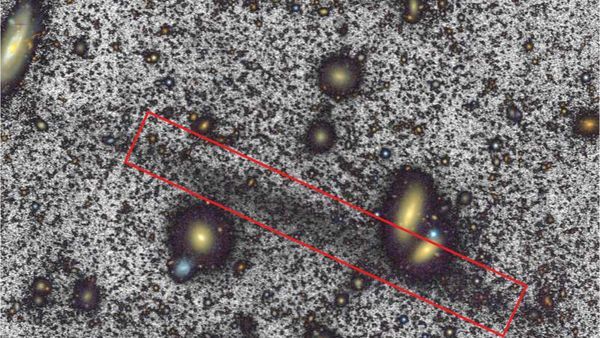
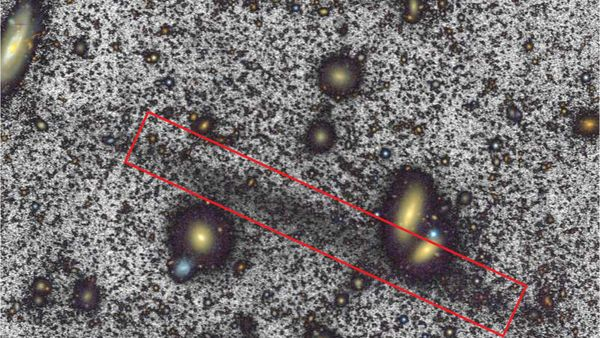
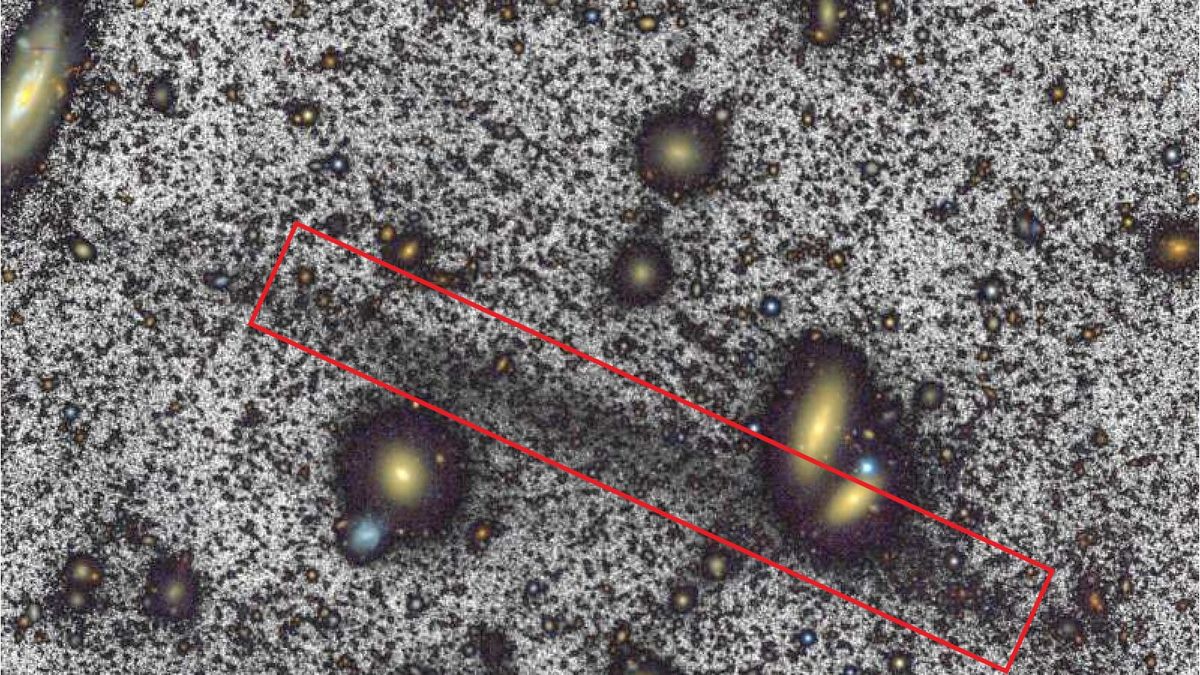
Astronomers have discovered the first intergalactic trail of stars, a gigantic "stellar stream" that is 10 times longer than the Milky Way. Named the Giant Coma Stream, it stretches through the Coma Cluster, a group of over 1,000 small galaxies located 321 million light-years from Earth. This finding suggests that more intergalactic stellar streams could exist. The researchers speculate that dark matter within the galaxy group may have helped shape and maintain the stream. Further study of the stream and its individual stars is planned to uncover its origins and unique characteristics.
Astronomers have accidentally discovered the first intergalactic trail of stars, known as the Giant Coma Stream, which is around 10 times longer than the Milky Way. This structure, located within the Coma Cluster, suggests that more intergalactic stellar streams could exist. The researchers speculate that dark matter within the galaxy group may have helped shape and preserve the stream. Further study of the Giant Coma Stream and analysis of its individual stars could provide insights into its origins and uniqueness. This discovery also paves the way for the potential discovery of more intergalactic stellar streams with advanced telescopes.
Astronomers have accidentally discovered the first known intergalactic trail of stars, a gigantic "stellar stream" that is around 10 times longer than the Milky Way. The stream, named the Giant Coma Stream, was found in the Coma Cluster, a group of more than 1,000 small galaxies located around 321 million light-years from Earth. This discovery suggests that there could be more intergalactic stellar streams in deep space. The researchers believe that dark matter within the galaxy group may have helped stretch the stellar stream into its current shape. Further studies are planned to learn more about the structure and its origins.
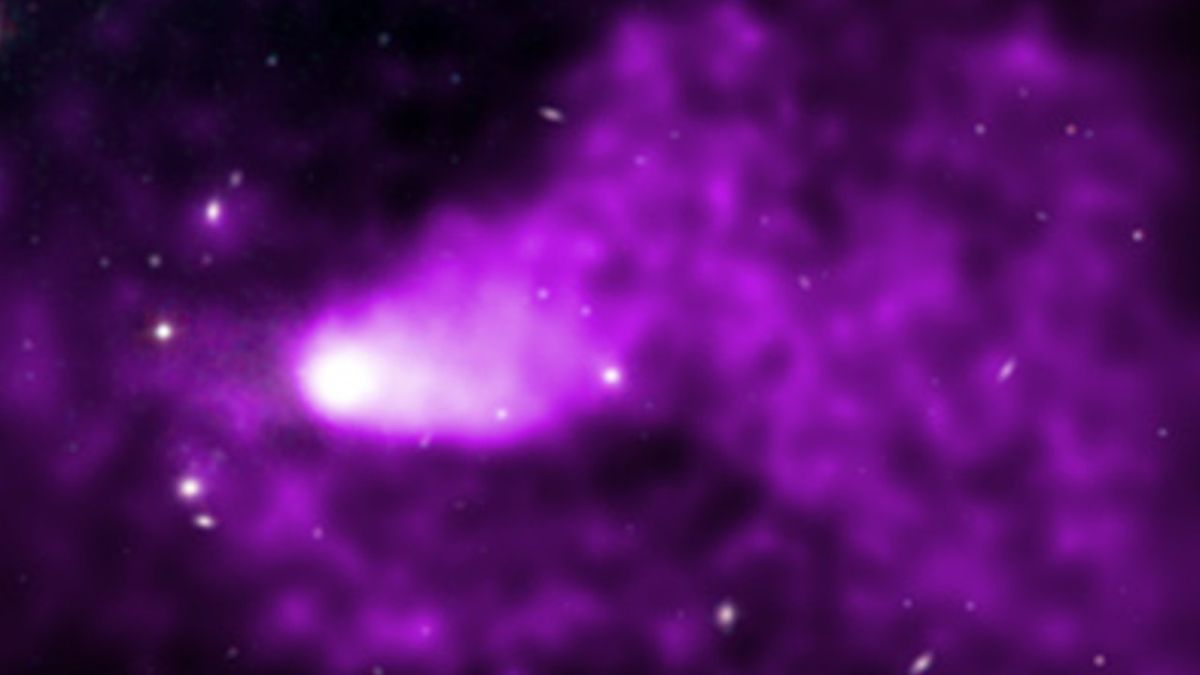
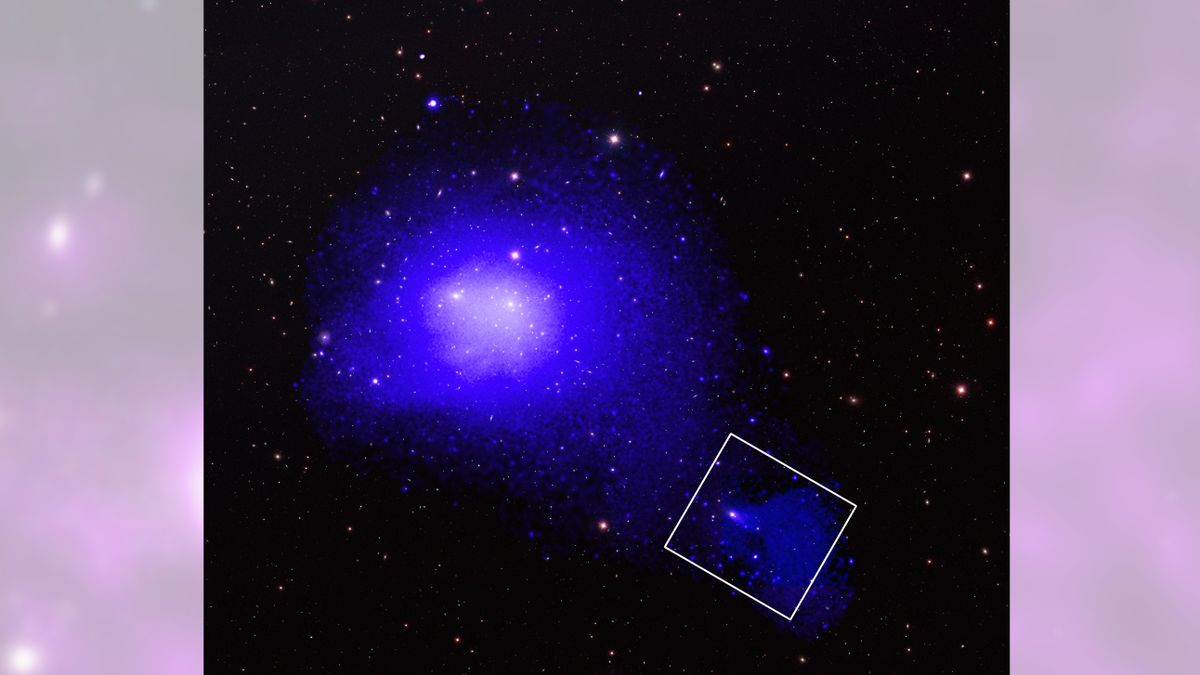
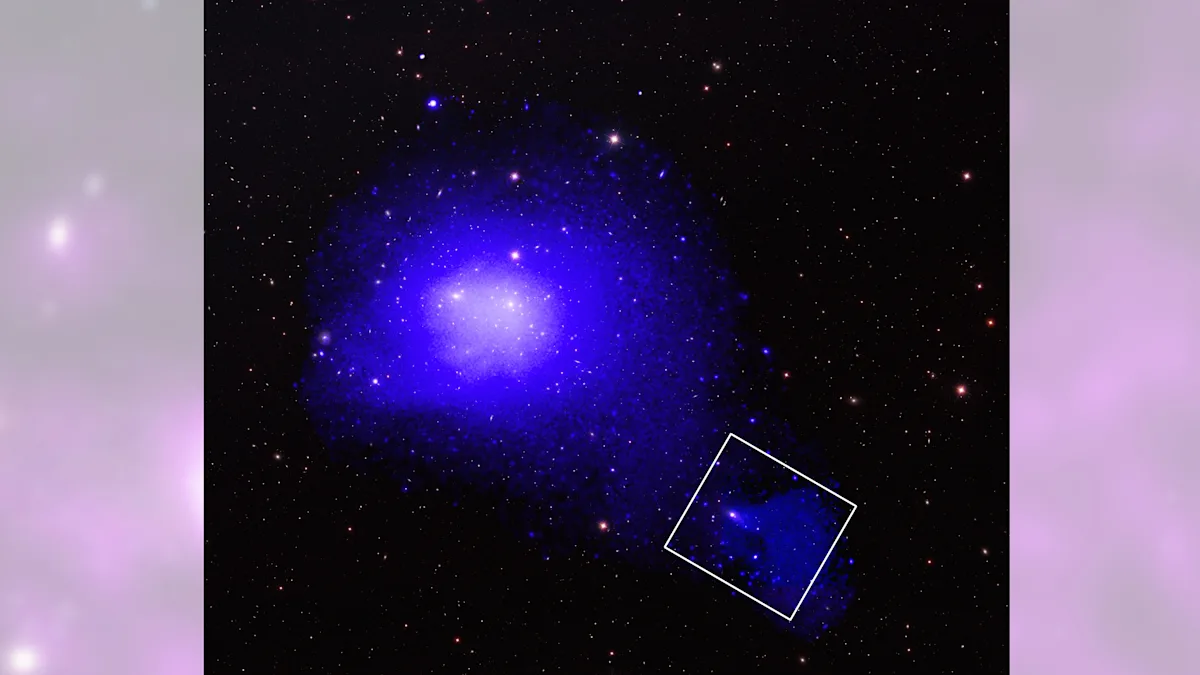
A large cluster of galaxies is consuming a smaller galactic grouping, causing it to emit a record-breaking tail of hot gas. The tail is 1.5 million light-years-long, making it the largest tendril of gas ever seen emerging from a galactic group. The absorption of NGC 4839 by the Coma cluster could help astronomers understand the processes galaxy groups undergo as they merge. The brightness of the tail offers astronomers a unique opportunity to study the physics at play in such events.
Astronomers have discovered a gas tail stretching over a million light-years long behind galaxy group NGC 4839, which is merging with the much larger Coma Cluster. Using X-ray data from NASA's Chandra X-ray Observatory and optical data from the Sloan Digital Sky Survey, scientists measured the tail as NGC 4839 moved through the Coma Cluster. The tail is the longest such structure ever observed and is burning especially bright, giving astronomers a rare opportunity to study it in more detail and learn more about the mechanics of how galaxy clusters merge.
Astronomers have discovered the longest galactic tail ever seen, measuring over a million light-years long, using data from NASA's Chandra X-ray Observatory and the Sloan Digital Sky Survey. The tail was created by a galaxy group called NGC 4839 as it moved through the Coma Cluster, leaving a trail of hot gas in its wake. The discovery provides a rare opportunity to study the mechanics of how galaxy clusters merge and will eventually disperse as the gas mixes with cooler gases in the cluster.