Tag

Ultraviolet Radiation

All articles tagged with #ultraviolet radiation

science1 month ago

James Webb Telescope Uncovers Mysterious High-Energy Radiation in Star Birth Regions

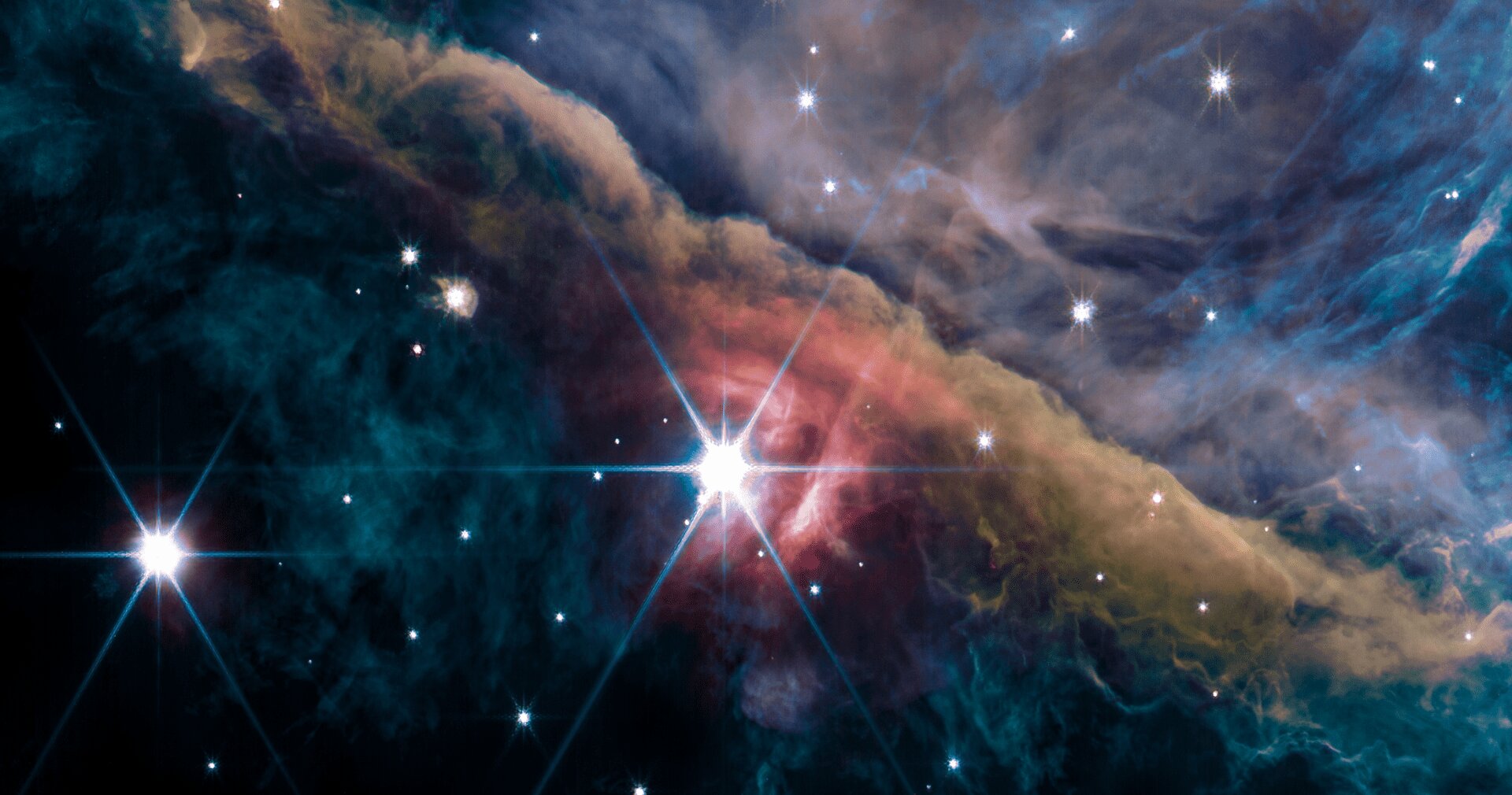
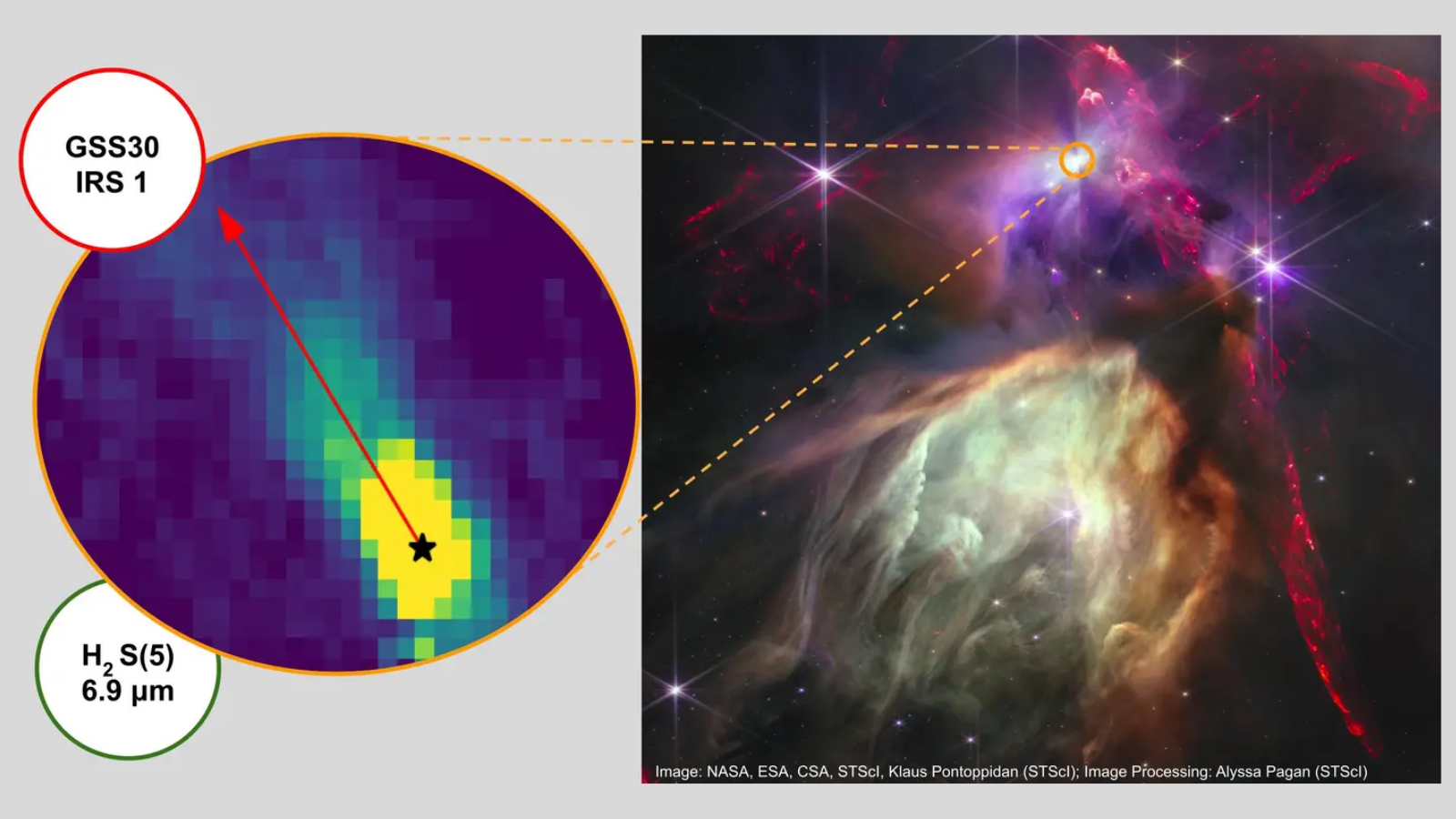
Astronomers using the James Webb Space Telescope discovered unexpected high-energy ultraviolet radiation around five protostars in the Ophiuchus star-forming region, challenging previous assumptions that young stars do not produce such radiation. The findings suggest the radiation is likely generated internally, possibly from shocks during material infall or jets from the protostars, prompting a reevaluation of star formation models.

science6 months ago

James Webb Telescope Finds Planets in Extreme Environments

Using the James Webb Space Telescope, astronomers discovered that Earth-like planets can form even in the galaxy's most radiation-intense environments, challenging previous assumptions about the effects of ultraviolet radiation on planet formation, with findings showing that the inner regions of protoplanetary disks remain shielded and capable of supporting habitable planets.

astronomy1 year ago

"James Webb Telescope Unveils Impact of Stellar Radiation on Planet Formation"

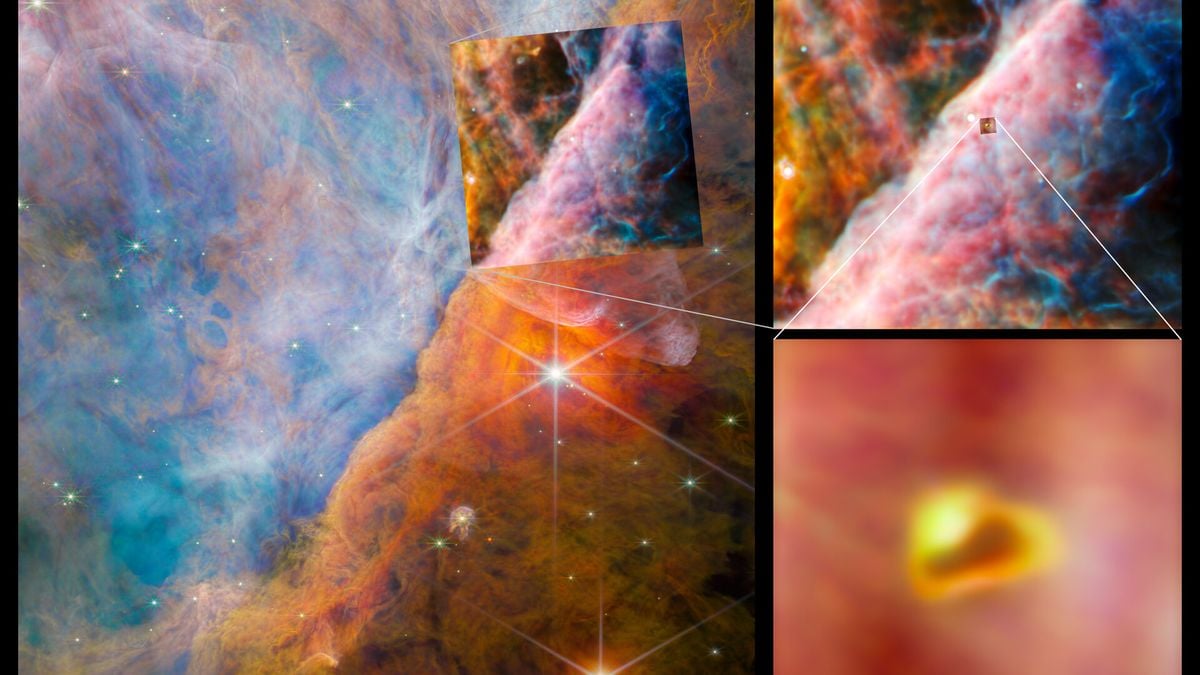
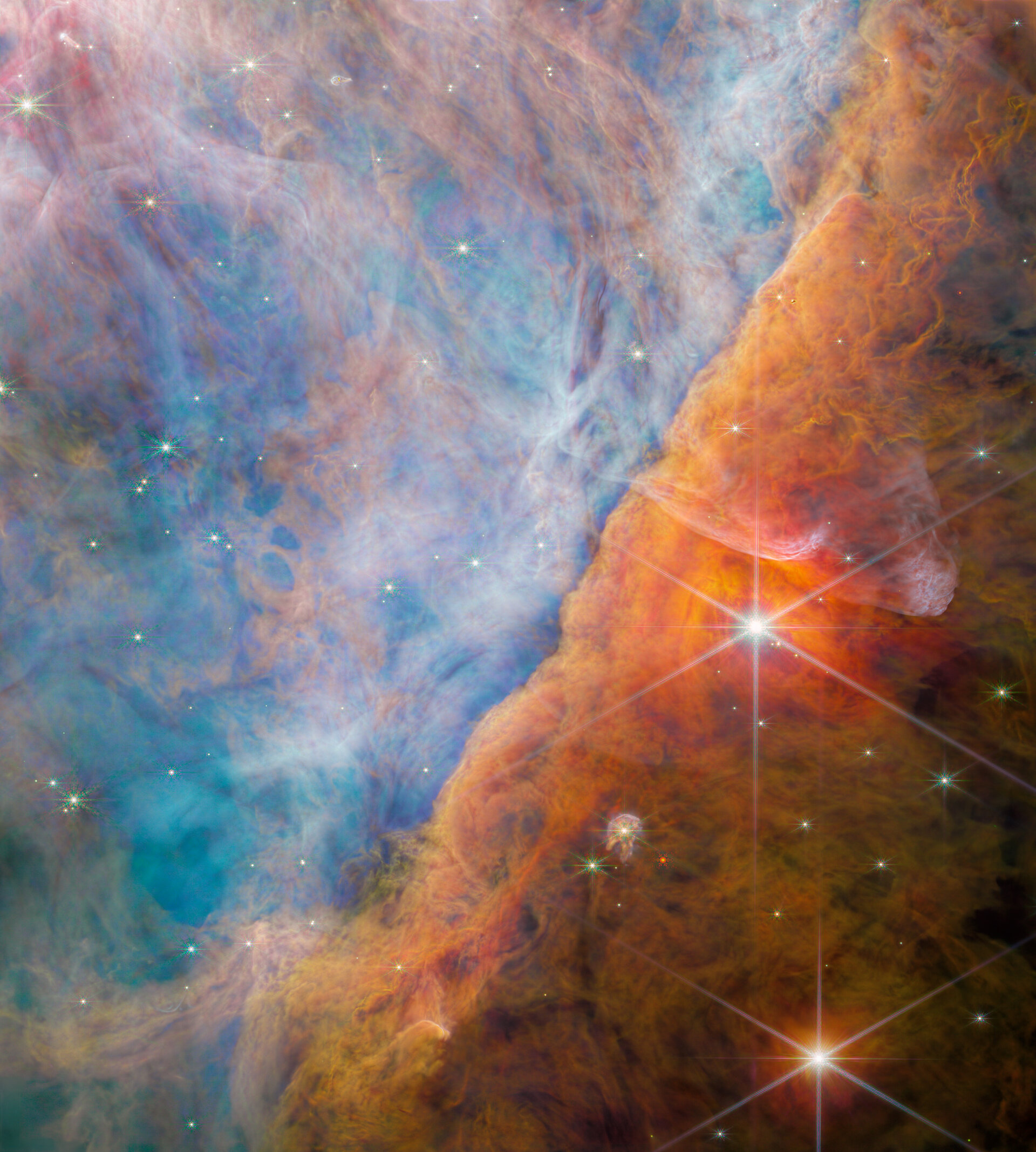
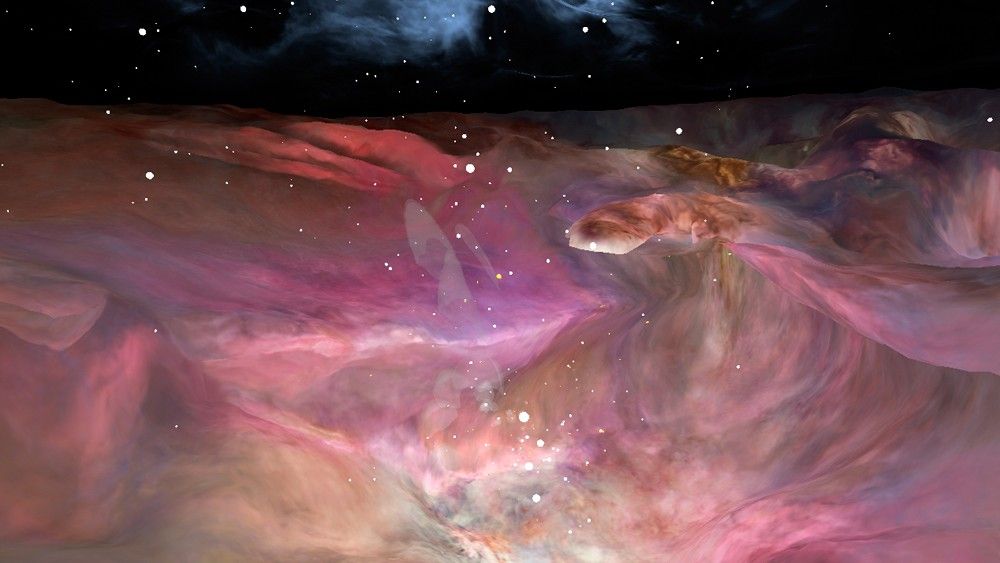
The James Webb Space Telescope has observed a protoplanetary disk in the Orion Nebula losing significant amounts of hydrogen due to intense ultraviolet radiation from nearby massive stars, potentially hindering the formation of large planets. This finding sheds light on the impact of massive stars on young planetary systems and may provide insights into the early stages of our own solar system. The observations suggest that the planet-forming material is escaping easily due to the weaker grip of the young star in the system, and further research on similar systems within the nebula is planned to gain a more comprehensive understanding of this phenomenon.

astronomy1 year ago

"Uncovering the Massive Water Loss in the Orion Nebula with JWST"

Researchers, including astrophysicists Els Peeters and Jan Cami, have discovered the destruction and re-formation of a significant amount of water in a planet-forming disk at the heart of the Orion Nebula, using observations from the James Webb Space Telescope and quantum physics calculations. The intense ultraviolet radiation in the Orion Nebula leads to the destruction and re-formation of water, making it a true interstellar laboratory. The equivalent of all of Earth's oceans' worth of water is estimated to be destroyed and replenished per month in the d203-506 system, shedding light on the enigmatic recycling of water in interstellar space.

science2 years ago

Oxygen Found in Surprising Amounts in Venus's Atmosphere

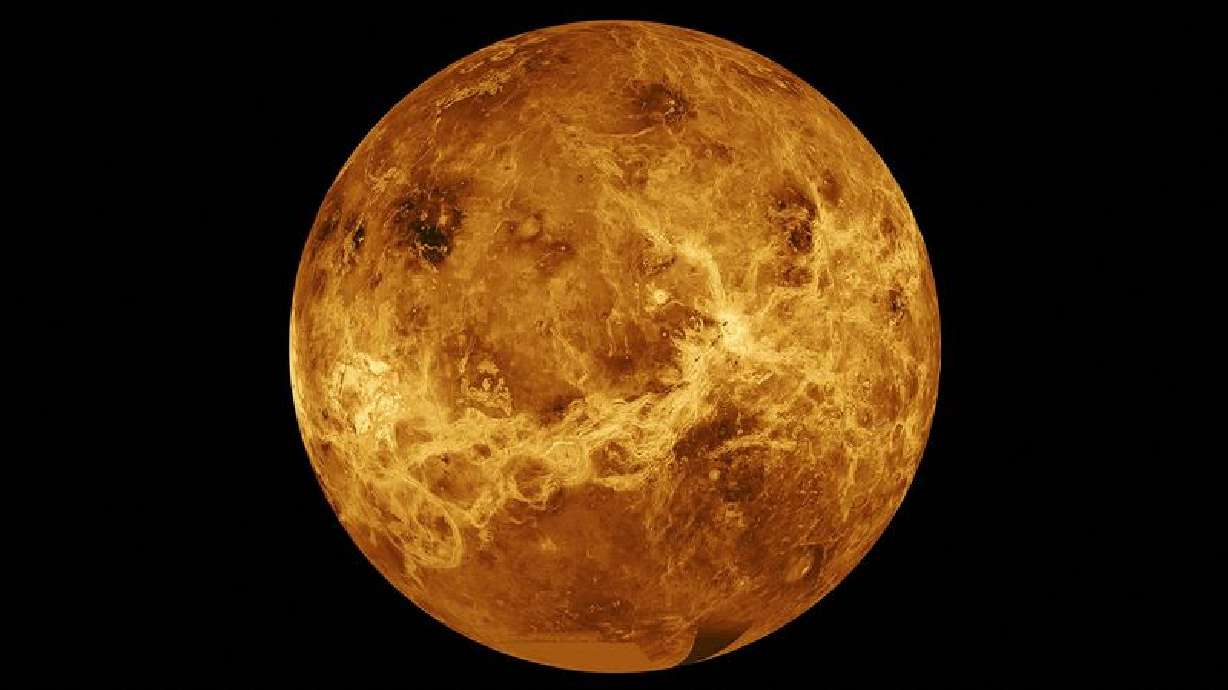
Scientists have detected atomic oxygen in a thin layer of Venus' atmosphere using an instrument aboard the SOFIA airborne observatory. This marks the first direct detection of oxygen on Venus, which has a thick and noxious atmosphere dominated by carbon dioxide. The oxygen is produced on the planet's dayside by ultraviolet radiation from the sun, breaking down atmospheric carbon dioxide and carbon monoxide. It is then transported by winds to the Venusian night side. The discovery provides insight into the photochemistry and atmospheric dynamics of Venus, a planet that is vastly different from Earth.

health2 years ago

Sun Exposure at Work: A Deadly Risk for Skin Cancer, Warns UN and WHO

Working outdoors in the sun is a major cause of skin cancer, according to a report by the World Health Organization and the International Labour Organization. The study found that nearly 1 in 3 deaths from non-melanoma skin cancer is caused by ultraviolet radiation from outdoor work. Occupational ultraviolet radiation exposure is now ranked as the third largest occupational carcinogen. The report highlights the need for employers and policymakers to take steps to reduce workers' risk of exposure, such as providing shade, protective clothing, and sunscreen, as well as improving access to early screening for skin cancer.

astronomy2 years ago

Neptune's Clouds Vanish as Sun Reaches Fiery Apex

All of Neptune's clouds have disappeared, and scientists believe that the sun's increased ultraviolet radiation due to its heightened activity may be the cause. The clouds began fading in 2019 and were completely gone by 2020. The loss of cloud cover is attributed to sunlight hitting Neptune's atmosphere and triggering chemical reactions that create the clouds. The sun's activity, which follows an 11-year cycle, has been more active than expected, and scientists anticipate it could peak by the end of this year.

science-and-astronomy2 years ago

"James Webb Telescope Discovers Crucial Carbon Compounds for Life in Distant Star System"

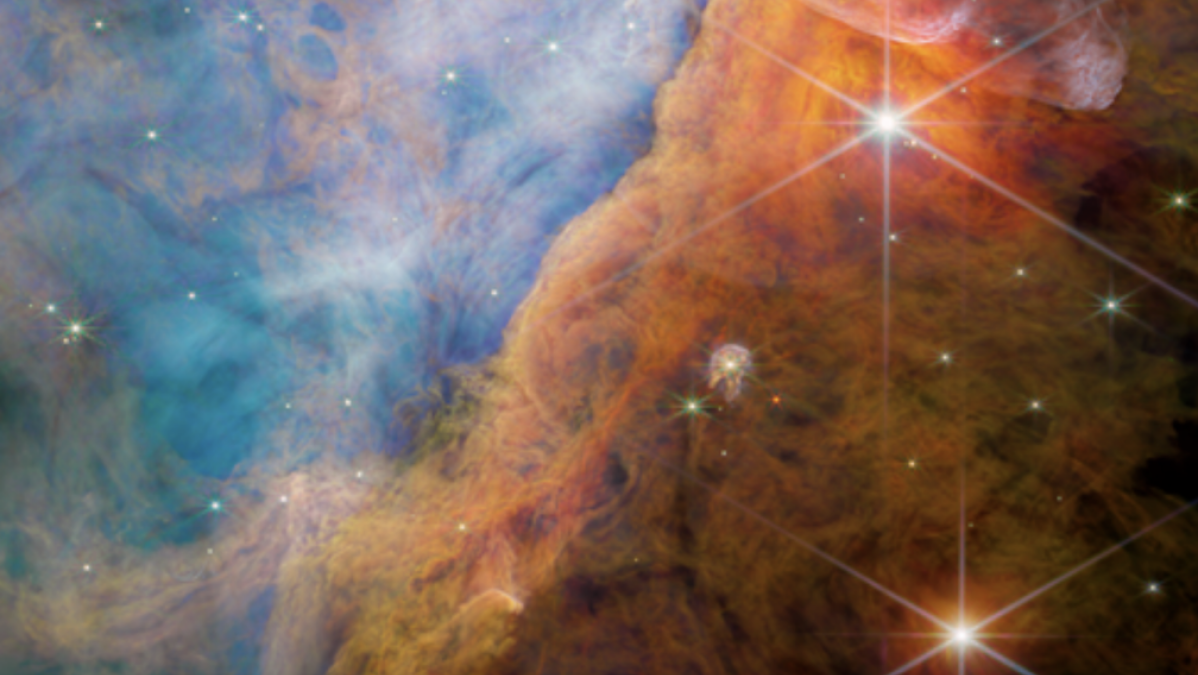
The James Webb Space Telescope (JWST) has detected a carbon molecule called methyl cation (CH3+) in a planet-forming disk around a young star in the Orion Nebula. This discovery is significant because it challenges the belief that intense ultraviolet radiation destroys complex organic molecules needed for life. Methyl cation is a key molecule in interstellar chemistry and can kick-start the growth of more complex carbon molecules. The detection of this molecule validates the sensitivity of JWST and provides insights into the early stages of life's origins.

science2 years ago

Webb Telescope's Unprecedented Discovery in Orion Nebula: Crucial Carbon Molecule Detected.

The James Webb Space Telescope has detected a carbon molecule, methyl cation, in the Orion Nebula, a baby star nursery about 1,350 light-years away. This molecule is thought to be a crucial ingredient for all known life and assists with the formation of more complex carbon-based molecules. The molecule was found in a young star system with a protoplanetary disk, and the region has high levels of ultraviolet light from the Trapezium. Ultraviolet radiation tends to destroy complex organic molecules, but in this instance, it might be what's providing the needed energy for the molecule to form.

science-and-exploration2 years ago

NASA's Webb Telescope Detects Crucial Carbon Molecule and Amino Acid in Space

The James Webb Space Telescope has detected the methyl cation (CH3+) for the first time in a protoplanetary disc surrounding a young star, providing insight into interstellar carbon chemistry and the potential for life elsewhere in the universe. CH3+ is a crucial carbon-based molecule that initiates the growth of more complex organic compounds. The molecule's detection was made possible through a cross-disciplinary analysis, including input from laboratory spectroscopists. The discovery was made in the Orion Nebula, where the system is bombarded by strong ultraviolet radiation from nearby hot, young, massive stars, which may play a critical role in the early chemical stages of the origins of life.

astronomy2 years ago

Metal-Poor Stars: Better for Life?

Metal-poor stars, which contain comparatively large amounts of heavy elements, provide more favorable conditions for the emergence of complex life than metal-rich stars, according to a study by scientists from the Max Planck Institutes for Solar System Research and for Chemistry as well as from the University of Göttingen. The study shows how the metallicity of a star is connected to the ability of its planets to surround themselves with a protective ozone layer, which is crucial for the emergence of complex life. As the universe ages, it becomes increasingly unfriendly to the emergence of complex life on new planets.

science2 years ago

Saturn's Rings Cause Mysterious Heating of Atmosphere, Astronomers Discover

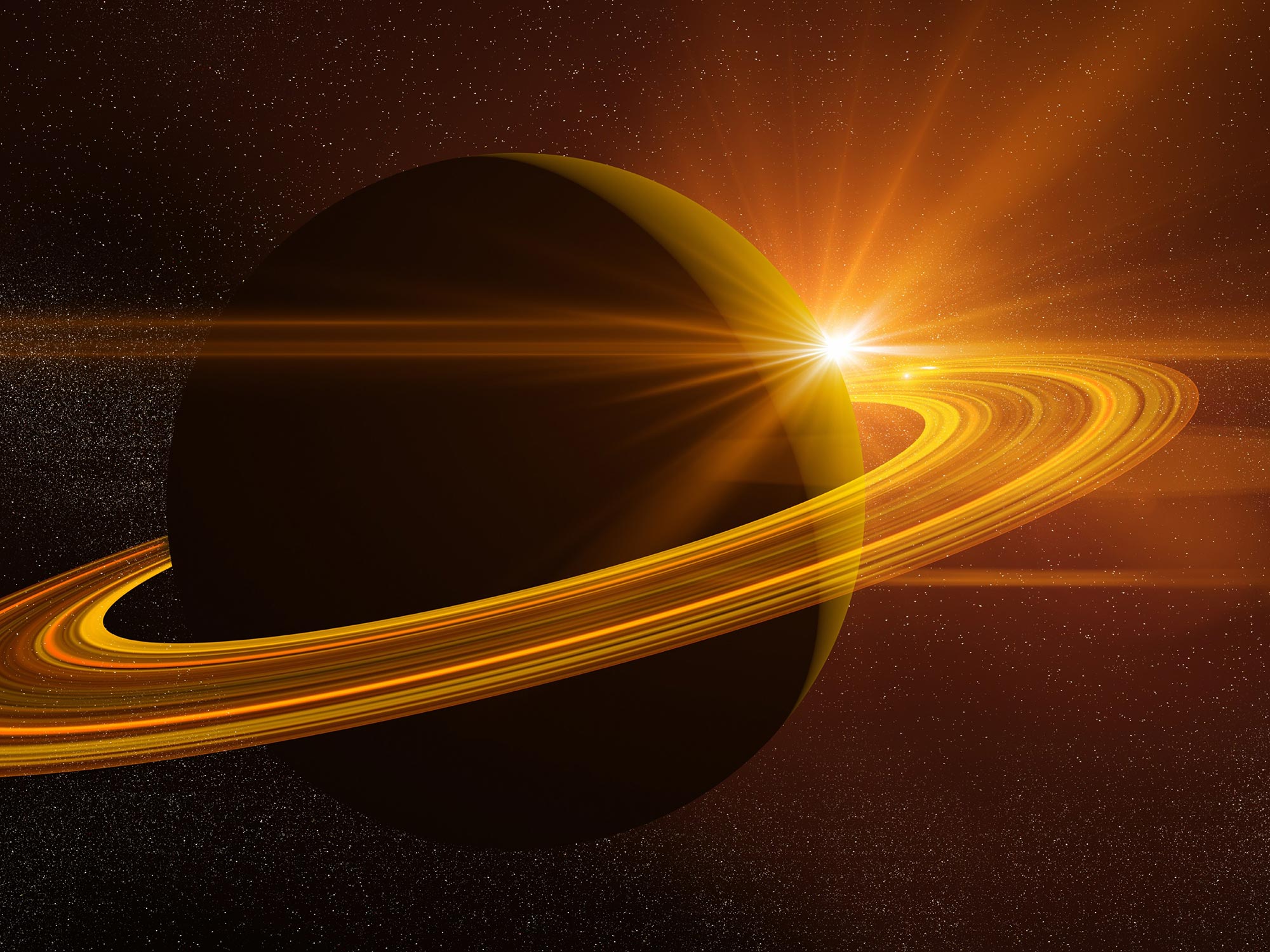
Saturn's rings are heating its upper atmosphere, causing an excess of ultraviolet radiation that has never been seen before in our solar system. The phenomenon is due to icy ring particles raining down onto Saturn's atmosphere, causing heating through various processes. The discovery could potentially provide a tool for predicting if planets around other stars have Saturn-like ring systems. The finding was made by analyzing four decades of ultraviolet data from various space missions, including NASA's Hubble Space Telescope and retired Cassini probe.

astronomy2 years ago

Unraveling Saturn's Mysterious Ring-Heat Phenomenon.

Saturn's ring system is heating the planet's upper atmosphere, a phenomenon never before observed in our solar system. By analyzing 40 years of ultraviolet data from multiple space missions, including NASA's Hubble Space Telescope, the Cassini probe, Voyager 1 and 2, and the International Ultraviolet Explorer, the researcher found that icy ring particles are raining down onto Saturn's atmosphere, causing heating. This groundbreaking discovery not only highlights an unexpected interaction between the planet and its rings, but also opens up the possibility of using this information to predict the existence of Saturn-like ring systems around exoplanets.

astronomy2 years ago

Unprecedented Discoveries: Saturn's Surprising Phenomena.

Saturn's rings are heating its upper atmosphere, causing an excess of ultraviolet radiation that has never been seen before in our solar system. The phenomenon was discovered using observations from NASA's Hubble Space Telescope, retired Cassini probe, Voyager 1 and 2 spacecraft, and the retired International Ultraviolet Explorer mission. The heating is likely caused by icy ring particles raining down onto Saturn's atmosphere, and this unexpected interaction could potentially help predict if planets around other stars have Saturn-like ring systems.

astronomy2 years ago

Unprecedented Discoveries: Saturn's Rings Reveal Surprising Phenomena.

Saturn's rings are heating its upper atmosphere, causing an excess of ultraviolet radiation that has never been seen before in our solar system. The phenomenon was discovered using observations from NASA's Hubble Space Telescope, retired Cassini probe, Voyager 1 and 2 spacecraft, and the retired International Ultraviolet Explorer mission. The heating is likely caused by icy ring particles raining down onto Saturn's atmosphere due to the planet's gravitational field. The discovery could potentially help predict if planets around other stars have Saturn-like ring systems.