Tag

Protostars

All articles tagged with #protostars

science1 month ago

James Webb Telescope Uncovers Mysterious High-Energy Radiation in Star Birth Regions

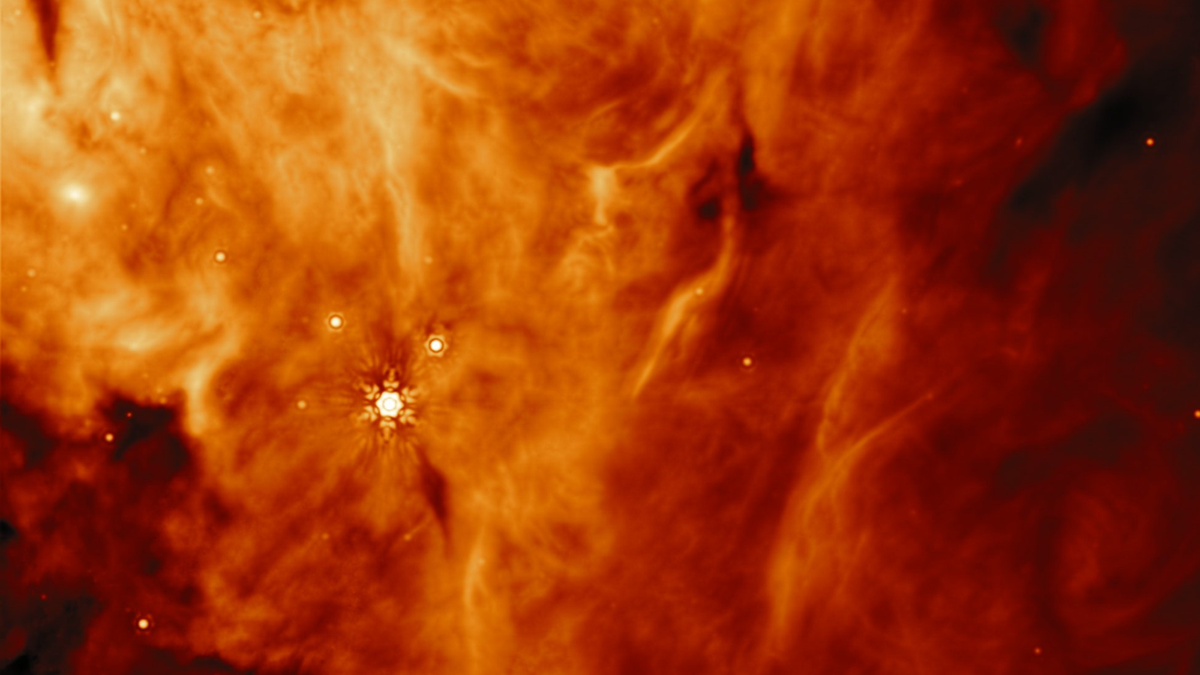
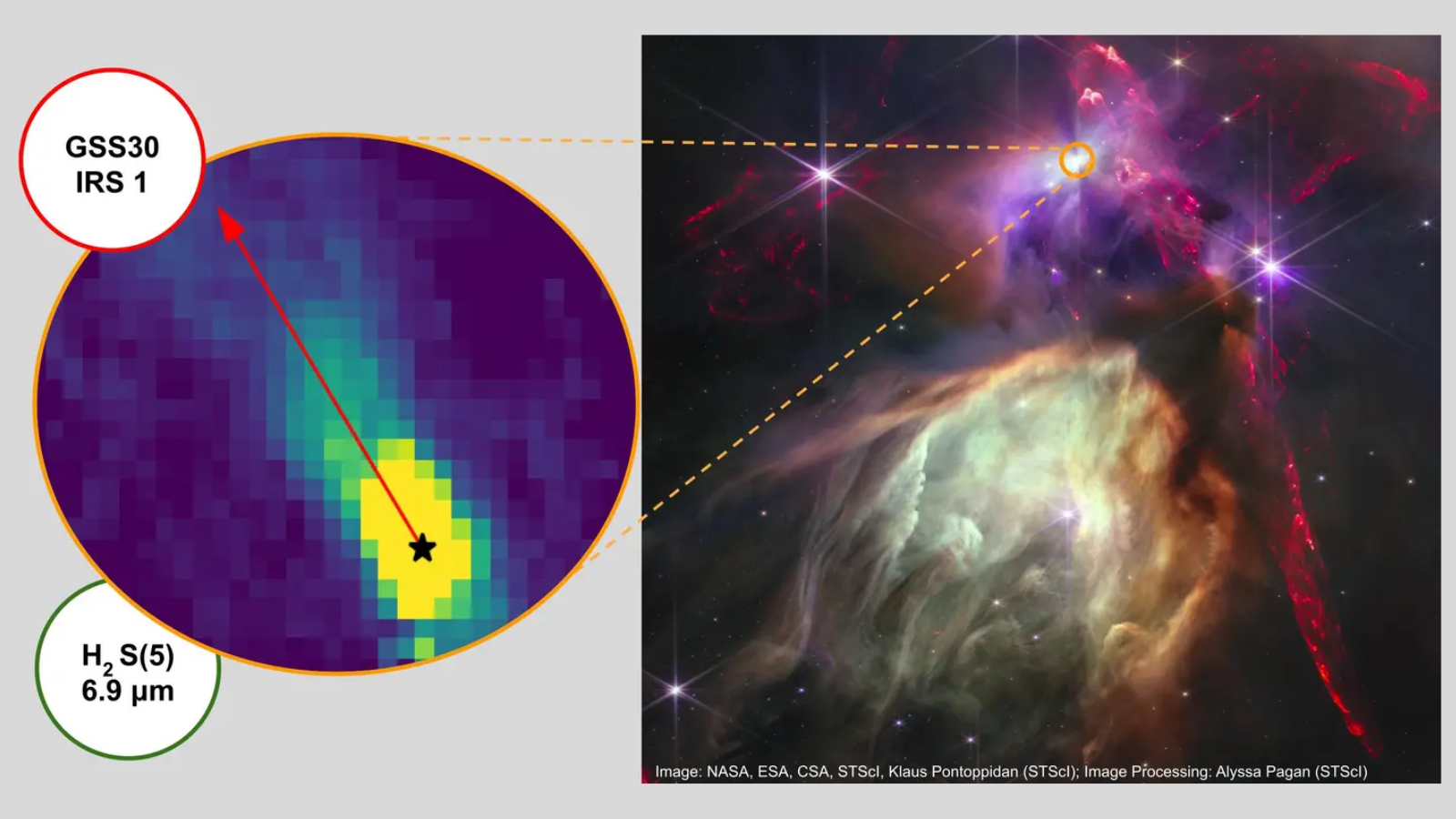
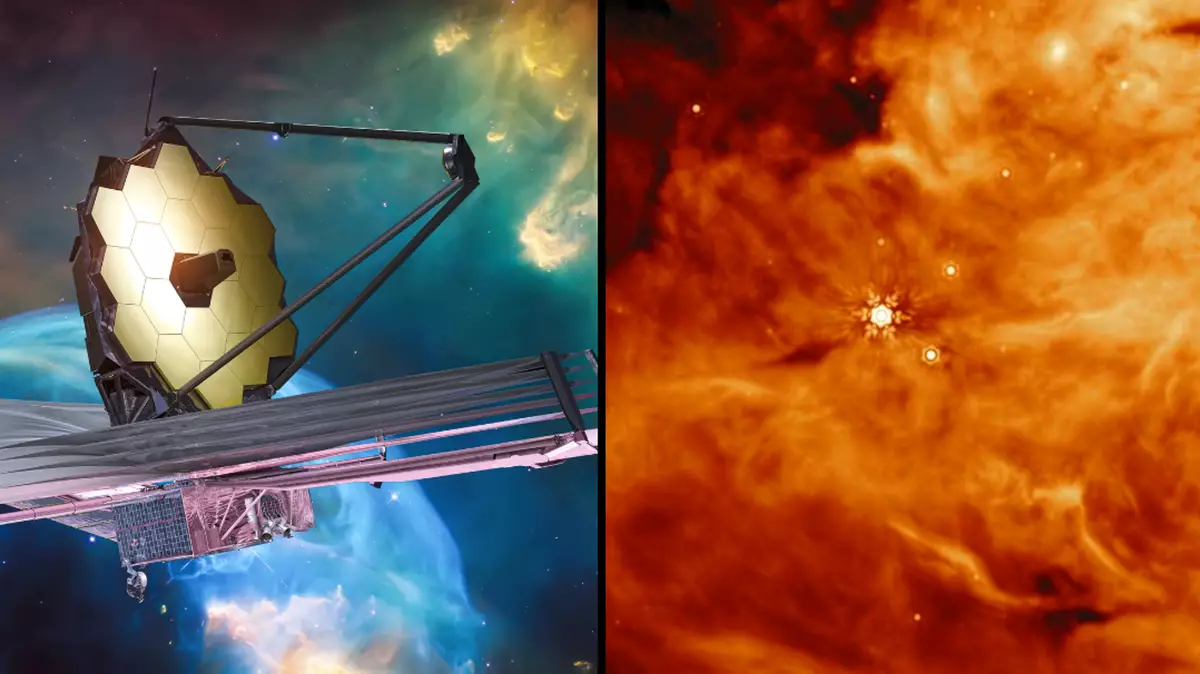
Astronomers using the James Webb Space Telescope discovered unexpected high-energy ultraviolet radiation around five protostars in the Ophiuchus star-forming region, challenging previous assumptions that young stars do not produce such radiation. The findings suggest the radiation is likely generated internally, possibly from shocks during material infall or jets from the protostars, prompting a reevaluation of star formation models.
astronomy1 year ago

"Sneezing Baby Stars: Insights into Cosmic Development"

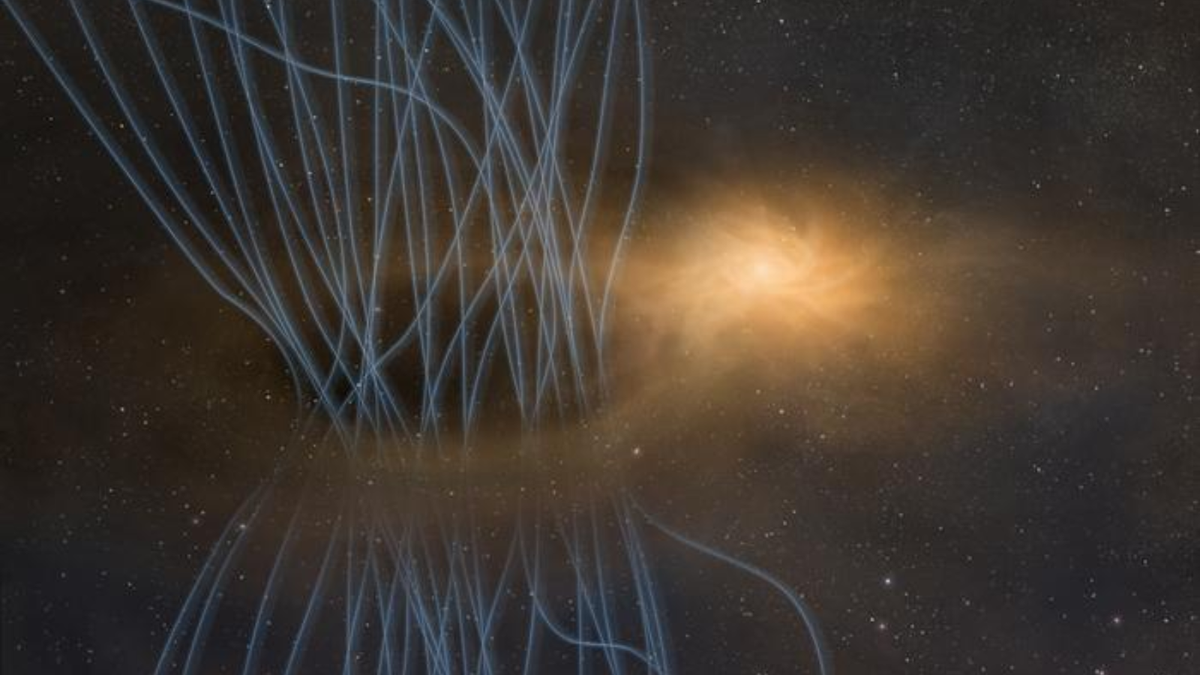
Baby stars, or protostars, have been observed "sneezing" by expelling gas, dust, and magnetic fields, which is a vital part of their development and can provide insights into their evolution and potential planet formation. Researchers from Kyushu University used the ALMA telescope to study these sneezes and discovered spike-like structures extending from protostellar disks, indicating the expulsion of magnetic flux. Understanding these processes can enhance our knowledge of how stars and planets are formed.

science1 year ago

"Webb Telescope Discovers Ethanol and Burning Acid in Deep Space"

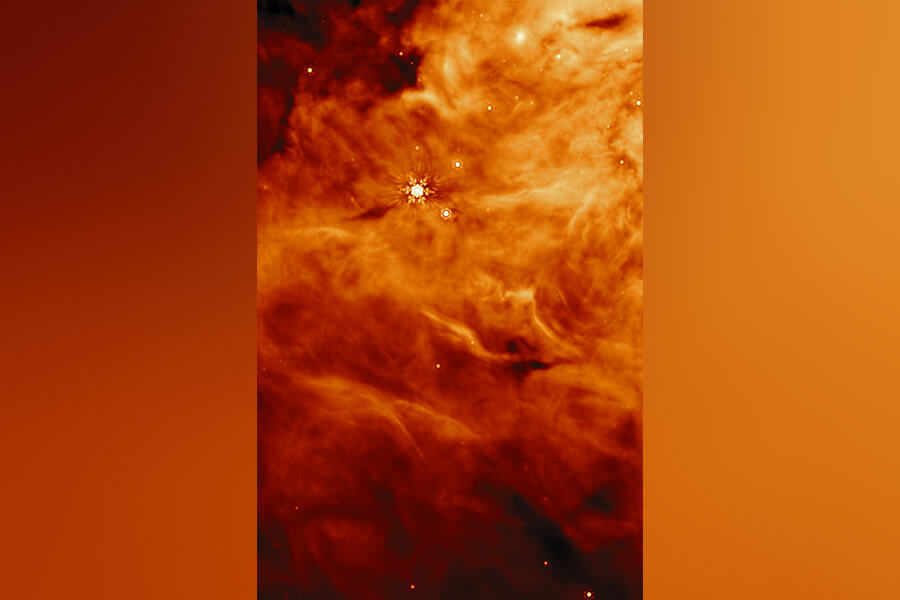
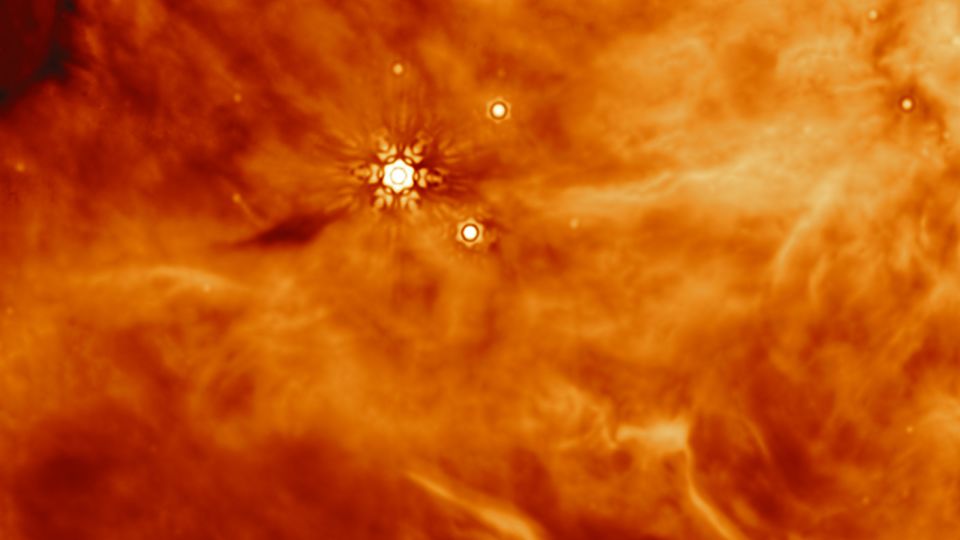
NASA's James Webb Space Telescope has made a new discovery, detecting key ingredients for making potentially habitable worlds when observing protostars, including ethanol, acetic acid, methane, formaldehyde, and sulfur dioxide. These findings contribute to the understanding of the origin of complex organic molecules in space and suggest that solid-phase chemical reactions on the surfaces of cold dust grains can build complex kinds of molecules, which can become part of comets, asteroids, and new planetary systems as the protostellar system evolves.

astronomy1 year ago

"Discovery of Burning Acid Associated with Ant Stings Near Binary Stars"

The James Webb Space Telescope has detected familiar chemical ingredients like acetic acid and formic acid around two young stars, IRAS 2A and IRAS 23385, which are still in the protostar stage. These molecules, found in icy compounds, could be crucial for potentially habitable worlds and may provide insight into the early formation of our solar system. The discovery contributes to the understanding of complex organic molecules' origins in space and their potential role in the formation of planets and planetary systems.

space-science1 year ago

"James Webb Telescope Discovers Alcohol and Organic Molecules Around Infant Stars"

The James Webb Space Telescope has detected complex organic molecules, including ethanol and other key ingredients, around two youthful protostars, shedding light on the chemical-rich regions where planets are formed. These findings could provide insights into the origins of organic materials in our solar system and potentially habitable worlds. The telescope's powerful abilities, including its giant mirror and infrared view, allow it to peer into the deepest cosmos and revolutionize our understanding of distant exoplanets, offering the potential for groundbreaking discoveries in the search for habitable worlds.

astronomy1 year ago

"James Webb Telescope Discovers Organic Ingredients for Earth-like Worlds Around Infant Stars"

Astronomers using the James Webb Space Telescope have detected familiar chemical ingredients such as acetic acid, ethanol, and formic acid around two young stars, which could be crucial for potentially habitable worlds. These molecules were found surrounding protostars IRAS 2A and IRAS 23385 and may provide insight into the early history of our solar system. The discovery contributes to the understanding of complex organic molecules in space and their potential role in the formation of planets and the delivery of ingredients that could support life.

astronomy1 year ago

"Ingredients for Habitable Worlds Found Around Two Baby Stars"

Astronomers using the James Webb Space Telescope have detected commonplace chemical ingredients found in vinegar, ant stings, and even margaritas around two young protostars, including acetic acid, ethanol, formic acid, sulfur dioxide, methane, and formaldehyde. These molecules could be crucial ingredients for potentially habitable worlds and may provide insight into the early history of our solar system. The discovery contributes to understanding the origins and incorporation of complex organic molecules in planets and has implications for astrochemistry research.

astronomy-and-space1 year ago

"James Webb Telescope Discovers Ethanol and Organic Molecules Around Infant Stars"

Using the James Webb Space Telescope, astronomers have confirmed the presence of icy building blocks of life, including complex organic molecules, in the gas and dust swirling around two infant stars, or "protostars." This discovery sheds light on the origins of complex molecules in space and their potential delivery to forming planets, offering insights into the early stages of our solar system's development. The findings, published in the journal Astronomy & Astrophysics, provide valuable clues for understanding the chemical complexity of protostellar environments and their implications for planetary formation.

astronomy1 year ago

"Discovery of 'Old Smokers' and Erupting Protostars Unveils New Stellar Types in the Milky Way"

Astronomers have discovered new types of stars in the Milky Way, including "old smokers" and erupting protostars, through a decade-long infrared survey. These findings challenge existing theories on stellar life cycles and element distribution in space. The discovery of elderly giant stars that periodically emit smoke and undergo outbursts provides new insights into stellar evolution and the formation of new solar systems. This groundbreaking research was conducted using advanced telescopes and could potentially change our understanding of how elements are distributed across space.

astronomy1 year ago

"Unveiling Ancient 'Old Smokers' and 'Screaming' Newborn Stars in the Milky Way"

Astronomers have discovered a new category of ancient giant red stars, dubbed "old smokers," as well as violently erupting newborn protostars in the Milky Way's heart through a 10-year survey with the VISTA telescope. The team found 32 erupting protostars and 21 "old smokers," which are red stars that suddenly emit clouds of smoke after sitting quietly for decades. These discoveries could provide insights into the distribution of heavy elements in the cosmos and the formation of stars and planets.

astronomy1 year ago

"Astronomers Uncover Ancient Smoking Stars in Milky Way's Core"

Astronomers have discovered a group of giant elderly stars, dubbed "old smokers," at the center of the Milky Way emitting solar system-sized clouds of dust and gas. These stars, previously faded to near invisibility, suddenly release vast clouds of smoke, a phenomenon attributed to convection currents and instabilities within the stars. The discovery, made during a 10-year survey of almost a billion stars in infrared light, has wider implications for the spread of heavy elements in the nuclear disc and metal-rich regions of other galaxies.

astronomy1 year ago

"Discovery of 'Old Smokers': Ancient Giant Stars Unveiled in the Milky Way"

Astronomers have discovered hidden stars, including a new type of elderly giant nicknamed "old smokers," at the heart of the Milky Way galaxy, using infrared light to see through the dust and gas that obscures them in visible light. The team also found rarely-seen newborn stars, known as protostars, undergoing extreme outbursts, shedding light on the formation of new solar systems. Additionally, they detected a new type of red giant star that remains dim and red for years before puffing out clouds of smoke, challenging previous understanding of stellar matter ejection and the distribution of heavy elements in the galaxy.

astronomy2 years ago

"Stunning Image: James Webb Telescope Reveals Super-Hot Jet 1000 Light-Years Away"

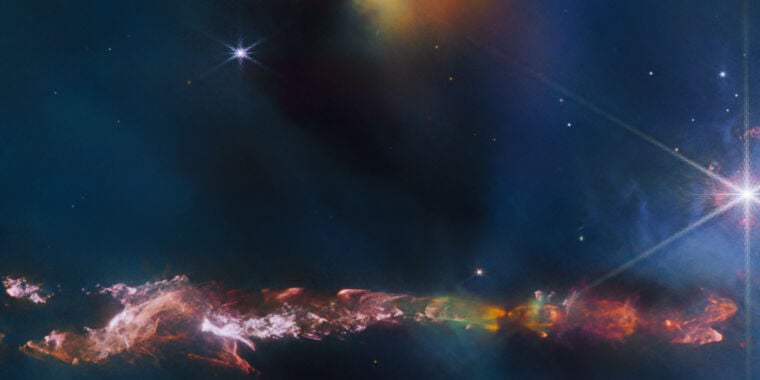
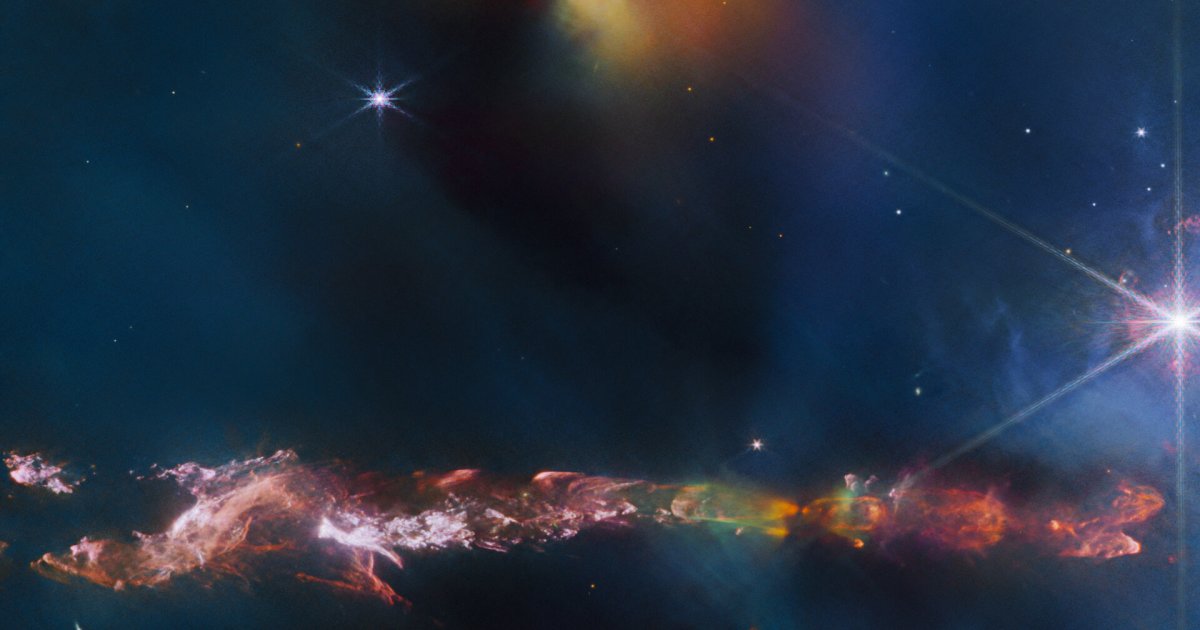
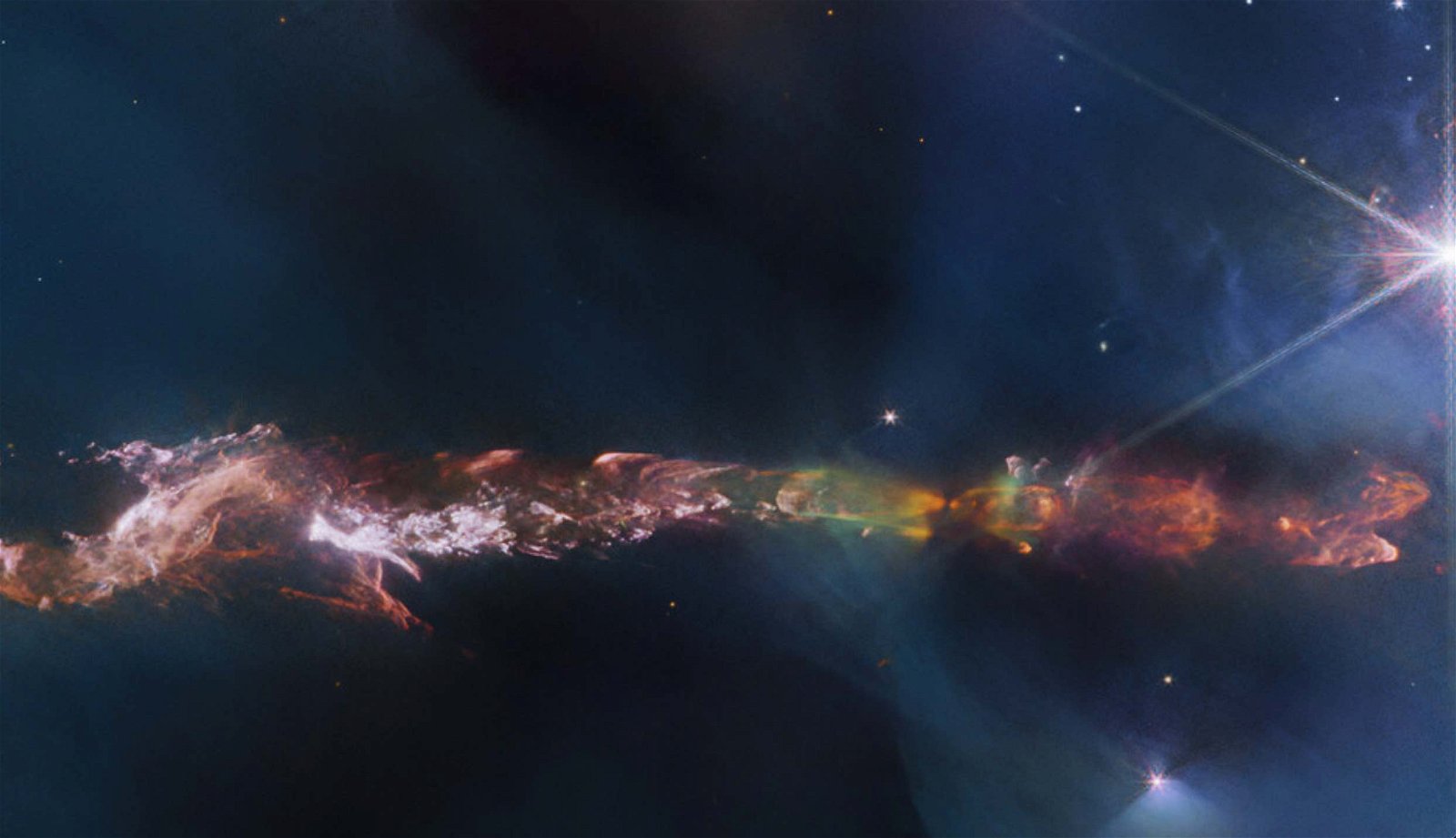
The James Webb Space Telescope has captured a stunning image of Herbig Haro object number 797, a luminous region surrounding newborn stars located about 1,000 light-years from Earth. The image reveals the previously unknown source of the spectacular jets as two stars, along with other outflows from a protostar. The Webb telescope's infrared capabilities allow it to visualize the structure of the outflows by collecting the infrared light emitted by molecules excited by the turbulent conditions.

space2 years ago

"Stunning Image: James Webb Telescope Reveals Birth of a Star"

The James Webb Space Telescope has captured a stunning image of a Herbig-Haro object, showcasing the dramatic outflows from a young star. These objects are formed when stellar winds shoot off in opposite directions from newborn stars, colliding with nearby gas and dust. The image, taken using Webb's Near-Infrared Camera, reveals intricate details of the object and shows that there are actually two sets of outflows coming from a pair of stars at the center. Infrared imaging is particularly useful for studying newborn stars and their outflows, as it can penetrate the obscuring gas and dust.

space-science2 years ago

Mysterious Entity Discovered Near Bright Object in Perseus Dark Cloud Complex

NASA's Webb Telescope has captured stunning imagery of Herbig Haro object 797 (HH797), a luminous nebulosity surrounding a young star in the Perseus dark cloud complex. The Webb Telescope's Near-InfraRed Camera (NIRCam) allows astronomers to see through the gas and dust surrounding the object, revealing intricate details of its structure and outflows. The new images also suggest the presence of two parallel streams, indicating the existence of two stars in the region. These observations contribute to our understanding of the dynamics of stellar nurseries.