UC San Diego has accepted an invitation to join the West Coast Conference starting in 2027, aiming to enhance its athletic and academic profile while competing against top-tier teams and local rivals, with a strong history of NCAA success and high academic achievement among its athletes.
A study from UC San Diego suggests that 'regulation of cues' therapy may be more effective than traditional CBT in reducing binge eating and promoting weight loss among veterans, by helping individuals better recognize hunger signals and resist emotional cravings.
A study from UC San Diego found that smoking marijuana significantly increases the risk of oral cancer, especially when combined with cigarette smoking, with cannabis users being 624% more likely to develop the disease within five years. The research highlights the carcinogenic potential of cannabis smoke, similar to tobacco, and emphasizes the importance of regular dental check-ups for cannabis users. The findings add to growing concerns about the long-term health effects of cannabis, particularly when smoked.
UC San Diego has been ranked 9th globally for having the most influential researchers, tied with Germany's Max Planck Society. This recognition highlights the university's strong impact across various disciplines, including neuroscience, bioengineering, and environmental science. UC San Diego is the top-ranked public research university in the U.S. and the only UC institution in the top 10. The university's culture of innovation supports researchers in translating their work into real-world solutions, exemplified by projects like wearable ultrasound devices and microrobots for cancer treatment. Notable researchers like Rob Knight and Pieter Dorrestein have been recognized for their groundbreaking contributions in multiple fields.
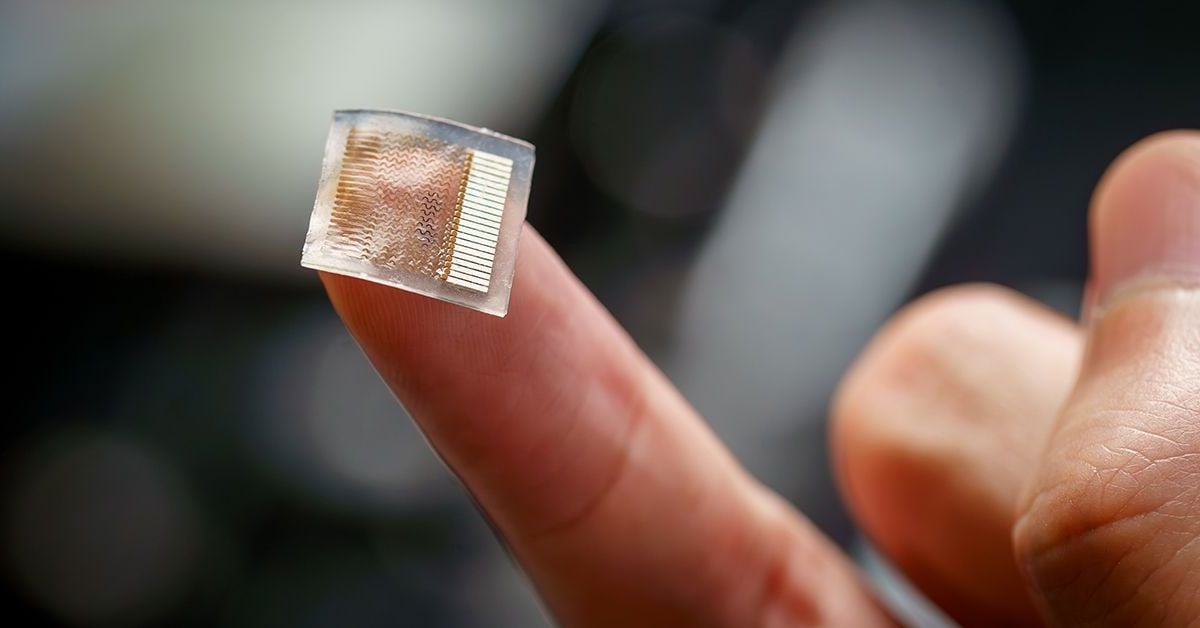
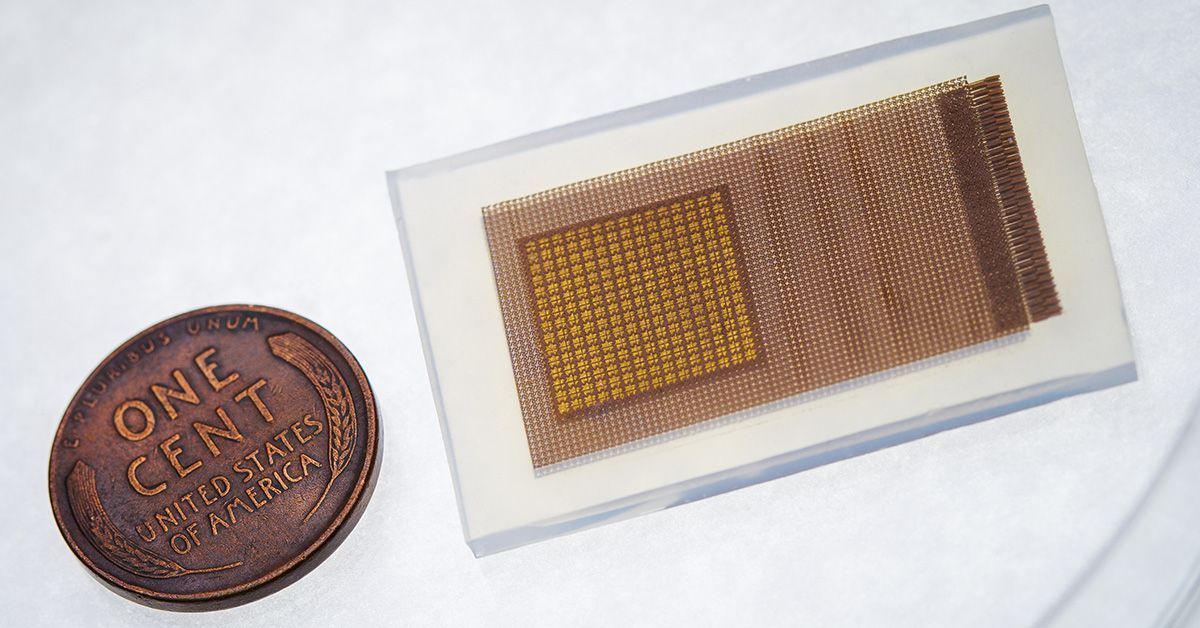
Researchers at UC San Diego have developed a wearable ultrasound patch for continuous blood pressure monitoring, which has undergone comprehensive clinical validation on 117 subjects. This patch, made of a silicone elastomer with piezoelectric transducers, offers a noninvasive alternative to traditional methods, providing real-time blood pressure data. The device has shown comparable results to invasive arterial lines and is set for large-scale trials, with plans to integrate machine learning and develop a wireless version.
San Diego State Aztecs narrowly defeated UC San Diego Tritons 63-58 in their season opener at Viejas Arena, maintaining several winning streaks despite a challenging game. The Aztecs, who struggled offensively in the first half, rallied with a 12-0 run late in the game to secure the win. Miles Byrd had a standout performance with 20 points, while UCSD's Tyler McGhie scored 21 points. The Aztecs now face a tough schedule ahead, including games against top-ranked teams like Gonzaga and Creighton.
Engineers at UC San Diego have developed a wearable ultrasound patch that provides continuous, non-invasive monitoring of cerebral blood flow. This innovative device, which can be comfortably worn on the temple, offers three-dimensional data and overcomes the limitations of traditional transcranial Doppler ultrasound. The patch has been tested on healthy volunteers and plans are underway to test it on patients with neurological conditions.
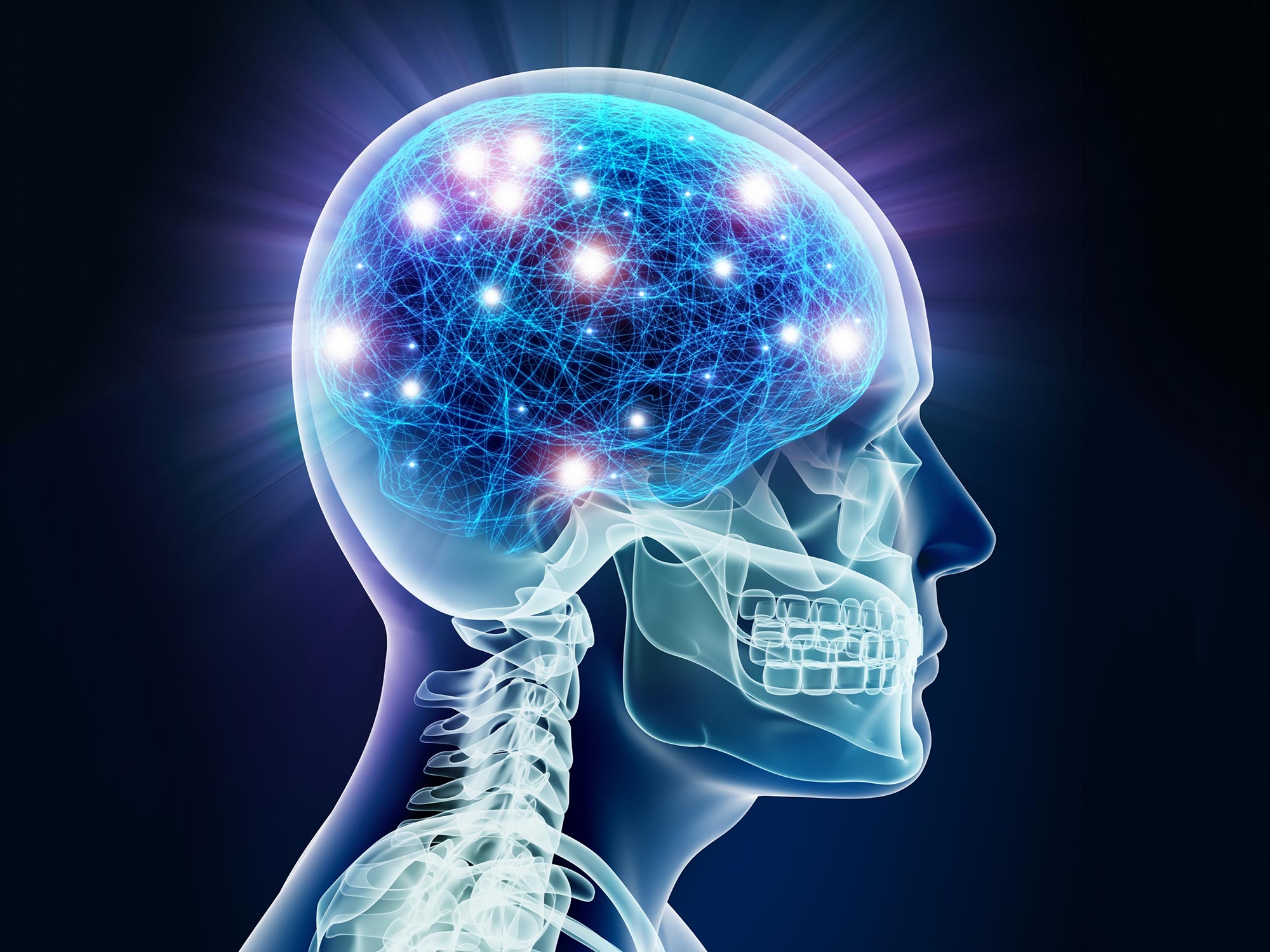
Researchers at UC San Diego have discovered unique inhibitory neurons in the human forebrain, challenging existing models of brain development that are based on studies of mice. The study provides insights into the cellular lineage of neurons in the human brain and may lead to improved models of brain function and disease. The findings have significant implications for understanding brain diseases such as epilepsy, schizophrenia, and autism, and could help generate better models of neurological disease.
Researchers at the University of California San Diego have developed a new genetic analysis tool, the Integrated Classifier Pipeline (ICP), to track on- and off-target mutational edits resulting from CRISPR-based DNA repair outcomes. The ICP system can reveal specific categories of potentially risky mutations and help untangle complex biological issues related to CRISPR editing. This tool has the potential for various applications in human health, including gene therapy and tumor progression analysis, as well as tracking inheritance across generations in gene drive systems.
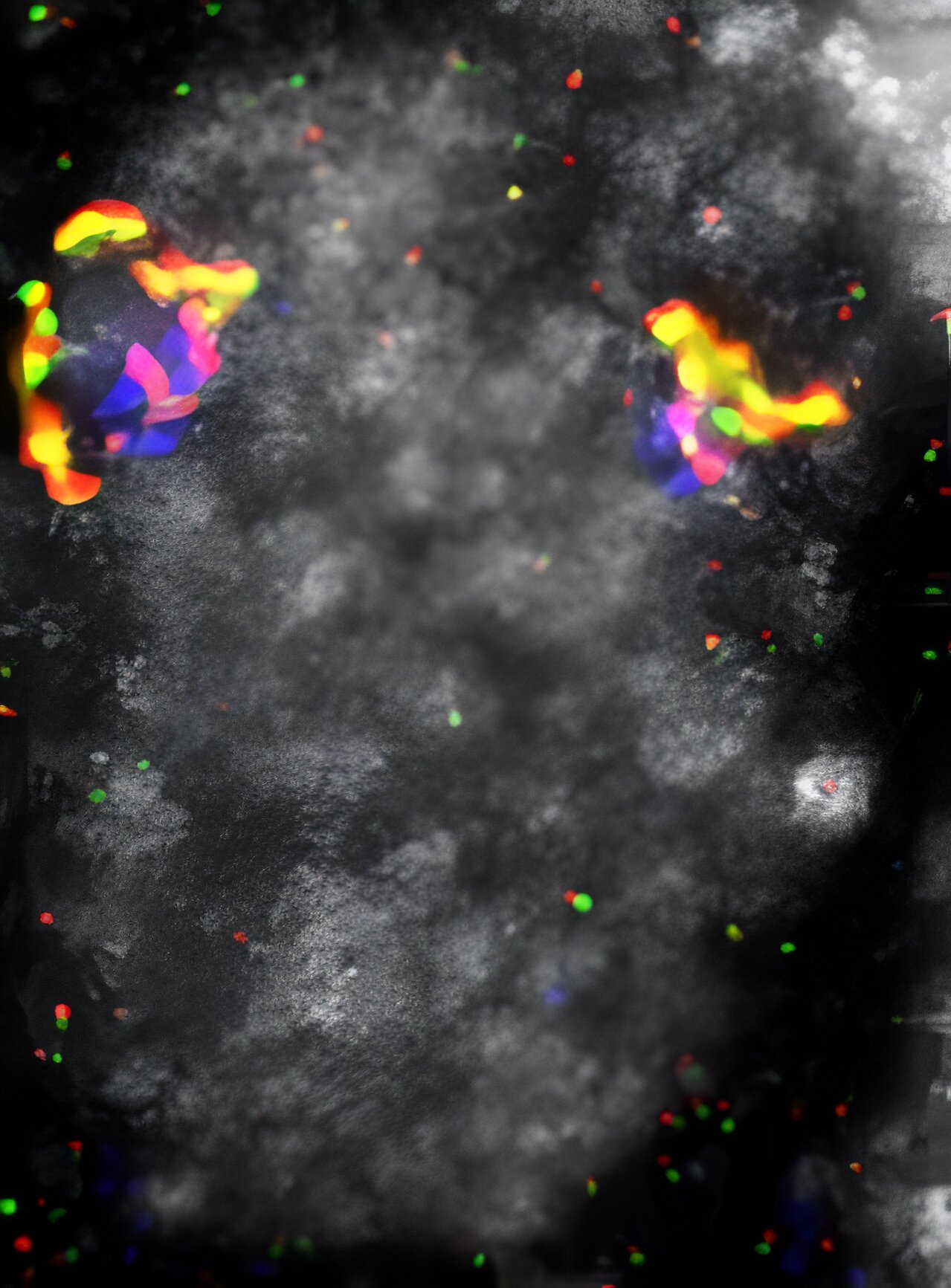
Scientists at UC San Diego have discovered a neural mechanism in the brain that sustains fear in individuals with PTSD, leading to a generalized feeling of fear even in safe environments. By studying lab mice and postmortem human brains, they identified a neurotransmitter switch in the brainstem that allows for this generalized fear to persist. Injecting mice with a harmless virus to stop this switch and administering Prozac after a stressful event both appeared to halt the fear response. This research provides insights into potential interventions for PTSD and related disorders.
Scientists at UC San Diego have discovered a neural "switch" in the brain that causes fear generalization in individuals with PTSD, leading to prolonged fear and anxiety even in safe environments. By studying lab mice and postmortem human brains, they found that a neurotransmitter switch in the brainstem sustains this generalized fear response. Injecting mice with a virus to stop this switch and administering Prozac after a stressful event effectively curtailed the fear reaction. This research provides insights into potential interventions for PTSD and related disorders.
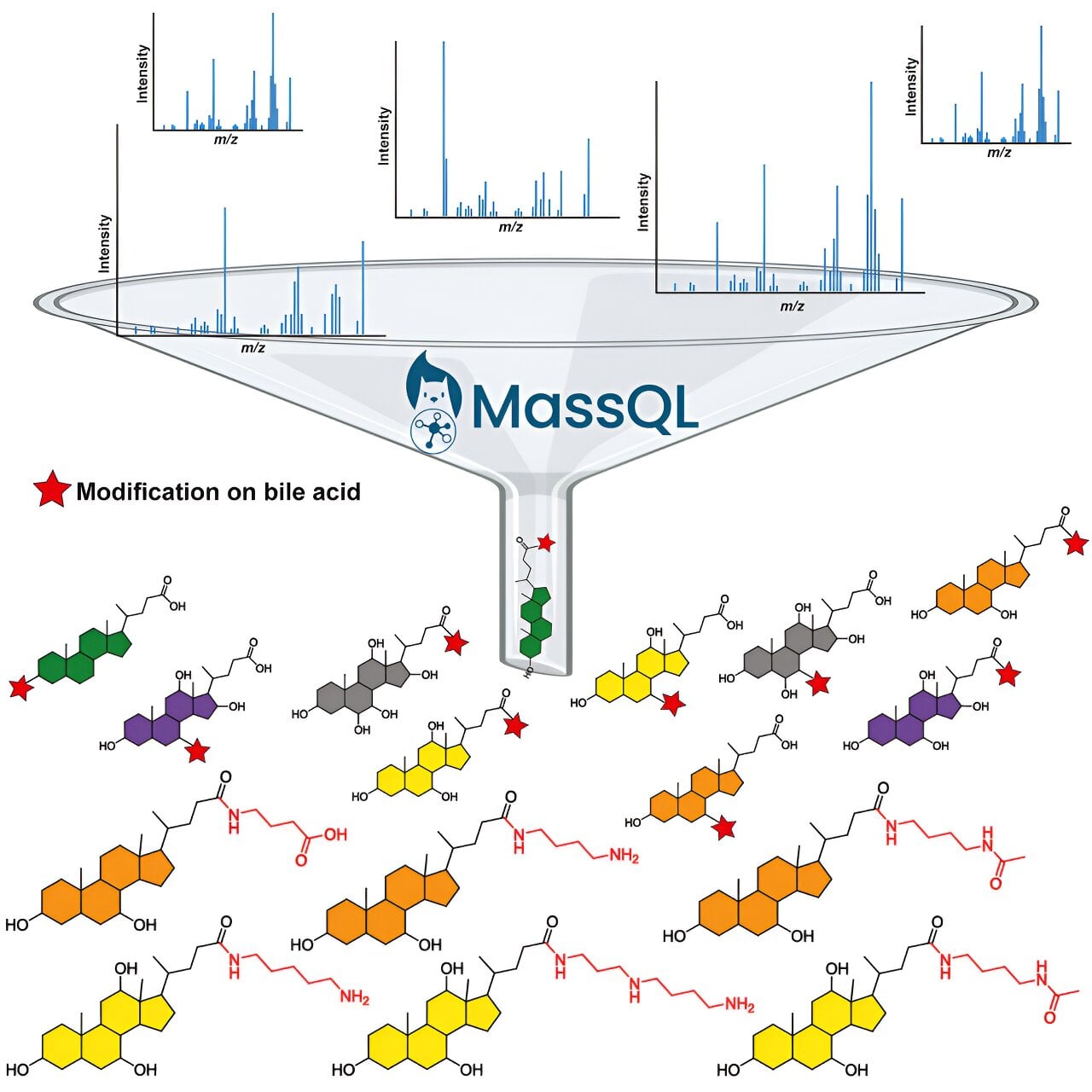
Researchers at UC San Diego have discovered thousands of previously unknown bile acids, shedding light on the biochemical language used by gut microbes to communicate with the body. These bile acids, which are produced by the liver and metabolized by gut microbes, play a crucial role in digestion, immune regulation, and metabolic functions. The findings, likened to a "molecular Rosetta Stone," could revolutionize our understanding of human metabolism and disease treatment. The study, published in Cell, was made possible by the Collaborative Microbial Metabolite Center at UC San Diego and could lead to significant breakthroughs in the field of microbial metabolomics.
Hawaii extends their lead in the men's team standings at the 2024 MPSF Championships, with the men's 200 free relay setting an NCAA 'A' standard and breaking the MPSF record. Karol Ostrowski, a junior at Hawaii, made a significant impact by winning the men's 50 free individually and setting a new program record. UC San Diego had a strong showing in the women's events, winning the 200 free relay and seeing Miranda Renner and Eva Boehlke secure individual victories.
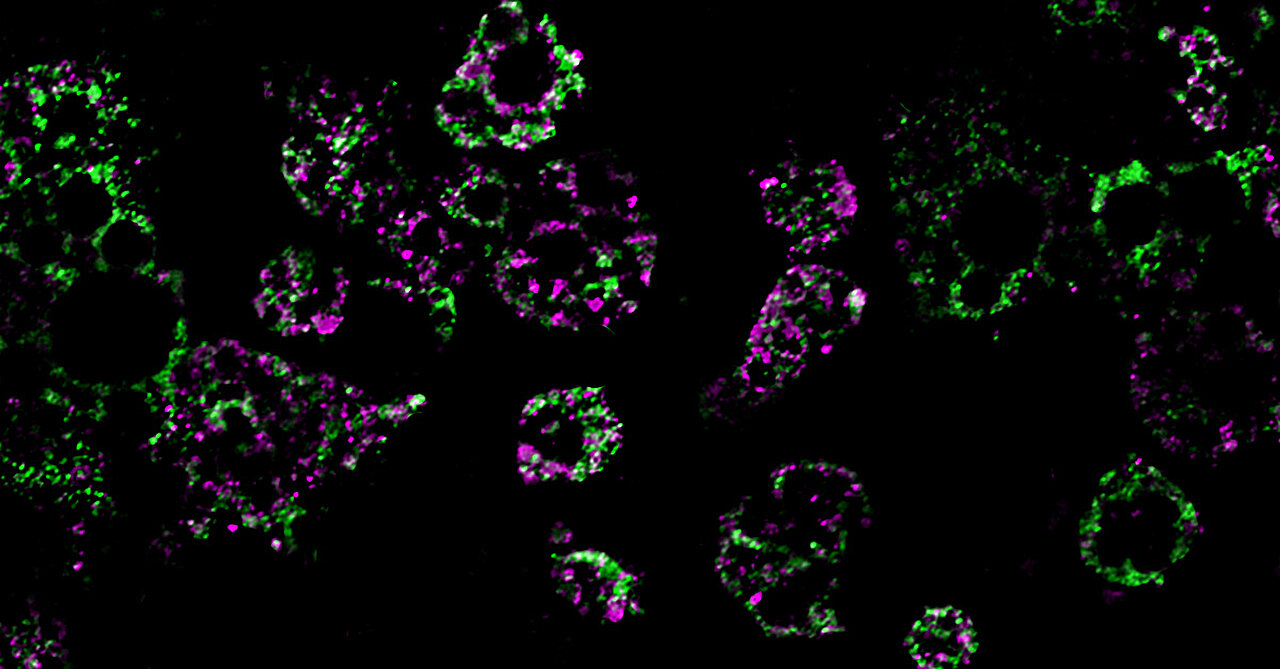
A study from UC San Diego reveals that a high-fat diet causes mitochondria within fat cells to break apart, reducing their capacity to burn fat and leading to weight gain. Researchers identified a gene, RaIA, that controls this process and found that deleting it protected mice from excess weight gain. Understanding this mechanism brings us closer to developing targeted therapies for addressing weight gain and associated metabolic dysfunctions caused by obesity.
A UC San Diego-led study published in Clinical Infectious Diseases found that infection prevention measures such as universal masking and high ventilation standards were effective in preventing SARS-CoV-2 transmissions during the COVID-19 pandemic. The study used electronic health and contact tracing records to analyze virus transmission among patients and healthcare workers, revealing that personal protective equipment virtually eliminated healthcare-associated transmission. The study collected 12,933 virus samples and concluded that most transmissions occurred outside of healthcare settings, emphasizing the importance of universal masking and proper ventilation in preventing COVID-19 spread.