Raipur oncologist Dr. Sharma emphasizes the importance of recognizing subtle early signs of cancer, such as persistent mouth sores, abnormal bleeding, fatigue, and unexplained weight loss, to enable timely diagnosis and improve treatment outcomes. Regular screenings and awareness are crucial, especially for high-risk groups, as early detection significantly increases the chances of cure.
A study from UC San Diego found that smoking marijuana significantly increases the risk of oral cancer, especially when combined with cigarette smoking, with cannabis users being 624% more likely to develop the disease within five years. The research highlights the carcinogenic potential of cannabis smoke, similar to tobacco, and emphasizes the importance of regular dental check-ups for cannabis users. The findings add to growing concerns about the long-term health effects of cannabis, particularly when smoked.
A study by UCSD found that individuals with cannabis use disorder (CUD) are over three times more likely to develop oral cancer within five years, with cannabis smoke containing carcinogens similar to tobacco. Heavy, frequent cannabis use, especially through smoking, may damage oral tissues and impair immune defenses, increasing cancer risk. The findings highlight the need for awareness and preventive measures, especially as cannabis legalization expands.
A UC San Diego study found that individuals with cannabis use disorder are over three times more likely to develop oral cancer within five years, even after accounting for smoking, suggesting cannabis may have carcinogenic effects and highlighting the need for updated screening and public health awareness.
Saskia Rogers, a teenager from Hobart, Tasmania, discovered an ulcer in her mouth that was initially dismissed by doctors as benign. However, after opting for elective surgery, she was diagnosed with oral cancer. The diagnosis significantly impacted her social life and school experience, leading her to join the youth cancer charity Canteen, where she found support and understanding. Now 20, Rogers is a youth ambassador for the group and plans to start nursing in 2025.
Health experts warn that oral sex is linked to a rise in mouth cancer cases, primarily due to the transmission of the human papillomavirus (HPV). The Oral Health Foundation reports a significant increase in mouth cancer, with 10,000 cases annually, and a 133% rise over the past two decades, especially among people in their 40s and 50s. Symptoms include mouth pain, lumps, ulcers, and difficulty swallowing. Early detection is crucial, as many cases are diagnosed at advanced stages.
The Commonwealth Cancer Association in the CNMI is raising awareness for Oral Cancer Awareness Month, highlighting the prevalence of oral cancer due to betel nut and tobacco use. Survivor Melvin Manahane emphasized the need to address the cultural tradition of chewing betel nut and tobacco, which contributes to addiction and death. Dr. Angelica Sabino stressed the economic, social, and physical impact of oral cancer on the community, calling for aggressive action to decrease its prevalence through education, prevention, and mental health support. The CCA is committed to raising awareness and education about all types of cancer, with a focus on promoting healthy habits and regular screenings. Governor Arnold I. Palacios and Lt. Gov. David M. Apatang urged citizens to unite in the battle against oral cancer, emphasizing the importance of breaking harmful habits and prioritizing regular screenings.
Wayne Reimer, a father-of-three from Alberta, Canada, was diagnosed with oral cancer after initially mistaking the symptoms for a toothache. He underwent a 17-hour operation to remove half of his jaw and reconstruct it using bone and tissue from his arm and leg. Following the surgery, he endured months of radiation therapy, which caused severe burns inside his mouth and led to significant weight loss. Despite the challenges, he has since recovered, retired, and now works part-time in search and rescue operations. Reimer urges others to ask their dentists about oral cancer screening during their next visit to potentially save lives and prevent needless suffering.
A study published in The New England Journal of Medicine by the International Agency for Research on Cancer (IARC) suggests that there is no safe amount of alcohol to drink to avoid the risk of oral and esophageal cancer. The research indicates that reducing or stopping alcohol intake can significantly lower the risk of these cancers, with a 34% reduction in oral cancer risk after 5-9 years of abstinence and a 65% reduction in esophageal cancer risk after 15+ years. The study highlights the carcinogenic effects of alcohol, including its metabolism to acetaldehyde and genotoxicity, which damages DNA. Health experts recommend that to prevent cancer, less alcohol consumption is better, and abstaining is best.
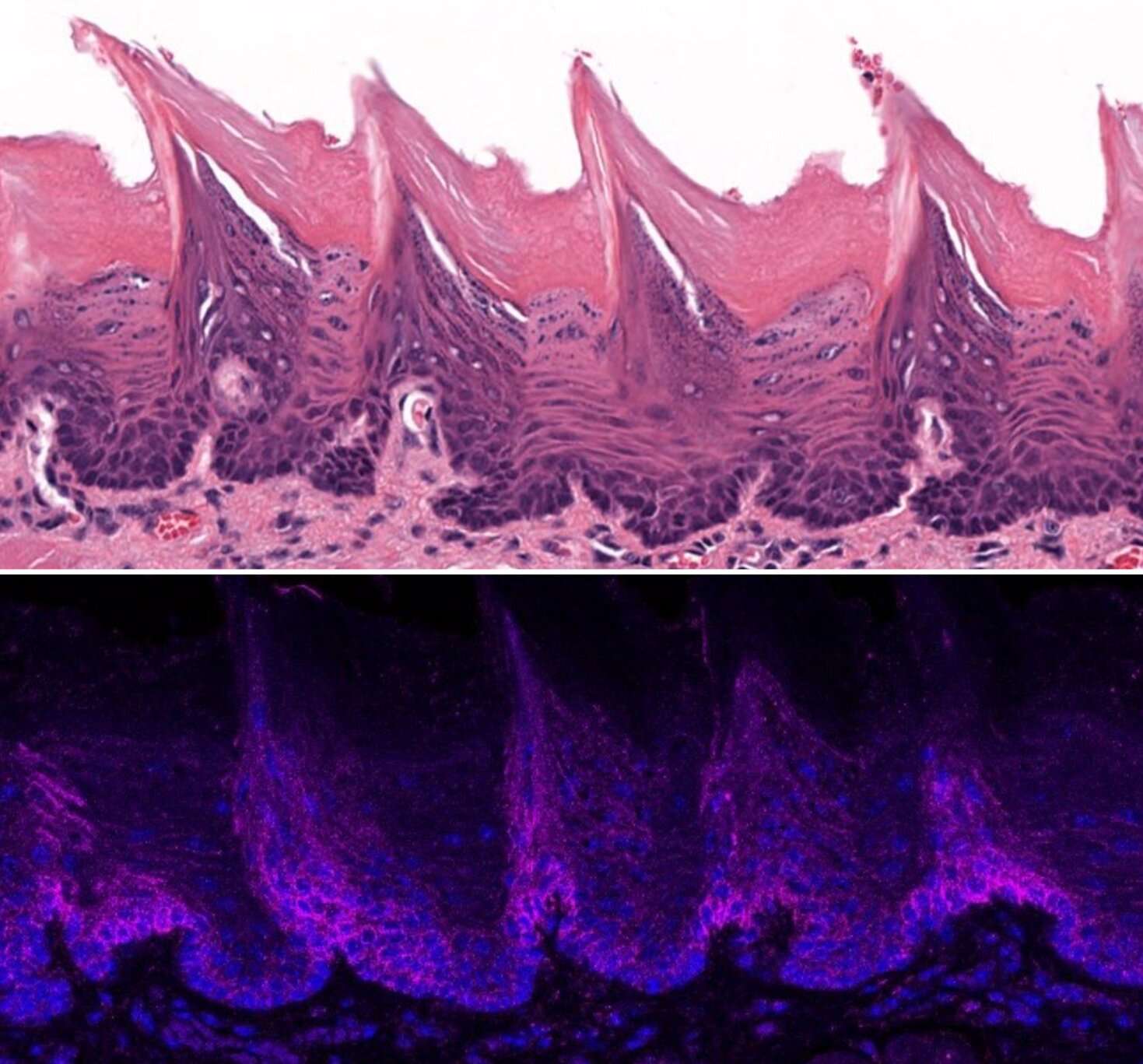
A study led by researchers at New York University College of Dentistry has found that the ORAI1 calcium channel, which acts as a gatekeeper for calcium entering cells, promotes the growth of oral cancer and generates pain. The overexpression of the ORAI1 gene was observed in oral cancer tumors but not in healthy tissue. Activating the ORAI1 calcium channel caused an influx of calcium into cancer cells, leading to the secretion of matrix metalloprotease 1 (MMP1), which is associated with cancer metastasis and poor prognosis. Removing the ORAI1 gene from oral cancer cells resulted in slower tumor growth and reduced pain. Targeting the ORAI1 channel could provide a new approach to treating oral cancer and alleviating pain.