
Tag

Dna Editing

All articles tagged with #dna editing

science-and-technology1 year ago

"Genetic Risk Tracking Tool for CRISPR Edits Unveiled"

Researchers at the University of California San Diego have developed a new genetic analysis tool, the Integrated Classifier Pipeline (ICP), to track on- and off-target mutational edits resulting from CRISPR-based DNA repair outcomes. The ICP system can reveal specific categories of potentially risky mutations and help untangle complex biological issues related to CRISPR editing. This tool has the potential for various applications in human health, including gene therapy and tumor progression analysis, as well as tracking inheritance across generations in gene drive systems.

science-and-technology1 year ago

"Debunking the Cool Factor: The Controversy Surrounding Woolly Mammoth Resurrection"

Scientists at Colossal Biosciences plan to bring back the woolly mammoth by 2028 using DNA editing, synthesis technologies, and AI, with the goal of combating climate change and saving modern elephants from extinction. However, critics argue that the reasons for resurrecting the species are unconvincing and raise concerns about potential ecological and health risks associated with bringing back extinct animals. The company's approach and lack of public input in the "de-extinction" campaign have sparked ethical and environmental concerns.

science-and-technology2 years ago

Revolutionary DNA Editing Technique Enhances Efficiency, Precision, and Reliability

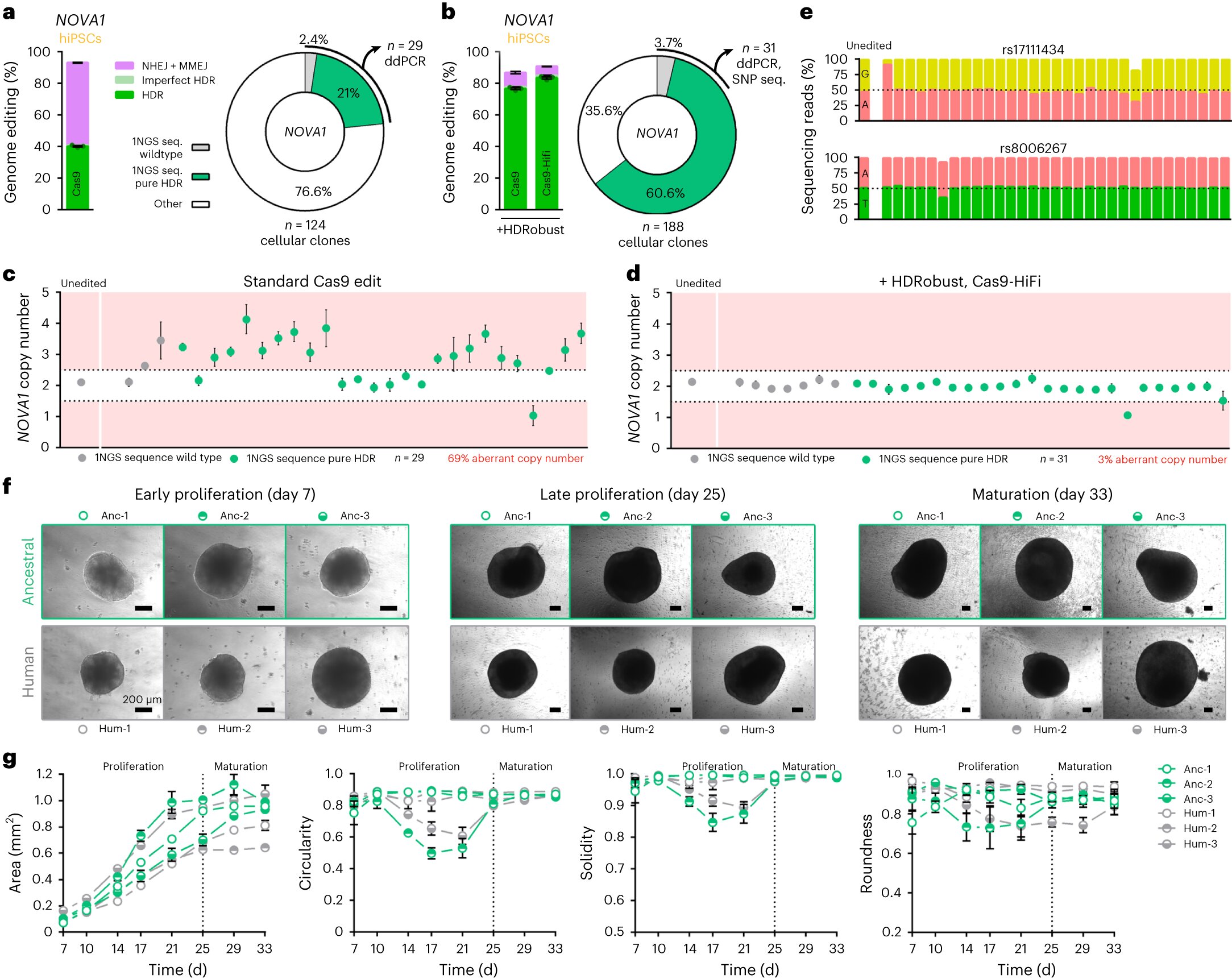
Researchers at the Max Planck Institute for Evolutionary Anthropology have developed a new method for DNA editing that significantly improves efficiency, precision, and reliability. By inhibiting competing repair pathways, the team achieved point mutations in up to 93% of chromosomes in cell populations, while minimizing unwanted insertions, deletions, and rearrangements. The method was successfully tested on 58 different target sites in human cells and corrected pathogenic mutations in cells derived from patients with genetic diseases. While the implications for curing human diseases are promising, further research and development are needed before applying the method to patients.