New research shows that exercise and cognitive behavioral therapy can significantly improve recovery in patients with Takotsubo syndrome, a stress-induced heart condition, highlighting the importance of the brain-heart connection in treatment.
A study demonstrates that cognitive behavioral therapy (CBT) can lead to structural changes in the brain, specifically increasing gray matter volume in areas associated with emotion processing, such as the amygdala and hippocampus, in patients with depression.
A University of Virginia-developed online insomnia treatment called SHUTi, tailored for adults over 55, effectively helps older adults improve sleep by teaching cognitive and behavioral strategies, with most users able to navigate the program independently, and it outperforms standard online information even a year after use.
A study from UC San Diego suggests that 'regulation of cues' therapy may be more effective than traditional CBT in reducing binge eating and promoting weight loss among veterans, by helping individuals better recognize hunger signals and resist emotional cravings.
A recent study suggests that mindfulness and cognitive behavioral therapy can significantly reduce chronic back pain, with benefits lasting up to a year, by changing how the brain perceives and reacts to pain. Practical tips include keeping a pain diary, accepting the pain, engaging with nature, managing emotional responses, and practicing deep breathing to help manage symptoms.
Caroline Crampton, author of 'A Body Made of Glass: A Cultural History of Hypochondria,' explores the impact of hypochondria, now known as illness anxiety disorder, on individuals' lives. She discusses her personal experiences with health anxiety following a cancer diagnosis and highlights how the internet can exacerbate 'cyberchondria.' Crampton emphasizes the importance of seeking medical advice when necessary and shares how cognitive behavioral therapy has helped manage her anxiety. She also reflects on her newfound appreciation for the human body's complexities.
A study by the University of Pennsylvania suggests that omega-3 supplements, found in foods like fish, flaxseed, and walnuts, can reduce aggressive behavior and improve mood. The research indicates that combining omega-3 with cognitive behavioral therapy (CBT) could be particularly effective. Omega-3s are known to benefit physical health and influence serotonin levels, which can help regulate mood and reduce inflammation.
Experts recommend identifying the root cause of insomnia, such as stress, anxiety, or restless leg syndrome, and treating it accordingly. It's important not to associate the bed with struggling to sleep, and instead, engage in relaxing activities outside of the bed until feeling drowsy. Maintaining a consistent bedtime and wake-up time is crucial, and if necessary, over-the-counter or prescription medications can be considered. If despite getting enough sleep, one still feels tired during the day, it's advised to consult a doctor to rule out any underlying sleep disorders.
Psychiatrists have found that a combination of regular exercise and cognitive behavioral therapy can effectively treat depression, potentially reducing the need for antidepressant medications. Research shows that exercise can be as effective as medication in treating depression, and cognitive behavioral therapy can help rewire the brain to correct negative thought patterns. While this approach may not work for all mental health conditions, it has been shown to have enduring effects on depression recovery and can be even more effective when combined with antidepressant medication.
Seasonal affective disorder (SAD) affects up to 5 percent of people and is characterized by symptoms such as sadness, loss of energy, and strong cravings for carbohydrates during the winter months. Light therapy, cognitive behavioral therapy (CBT), and outdoor activities are recommended to combat SAD. While SAD is linked to the shortage of daylight, some individuals find solace in the darkness, such as Cecilia Blomdahl, who embraces the polar night on a Norwegian island. Chasing the light isn't the only way to enjoy winter, and it's important to experiment and pay attention to how activities make you feel in order to combat the winter blues.
A new survey from AARP reveals that around 90 percent of women aged 35-plus experience menopausal symptoms, with hot flashes, night sweats, and mood swings being the most common. Women are trying various treatments, including supplements, diet and exercise changes, and prescription medications. Doctors emphasize that treating menopause symptoms doesn't have to be a guessing game and recommend evidence-based treatments such as hormone replacement therapy, new hot flash medications, nonhormonal medications, and cognitive behavioral therapy. Lifestyle changes, including diet, exercise, and stress management, are also critical in managing menopause symptoms.
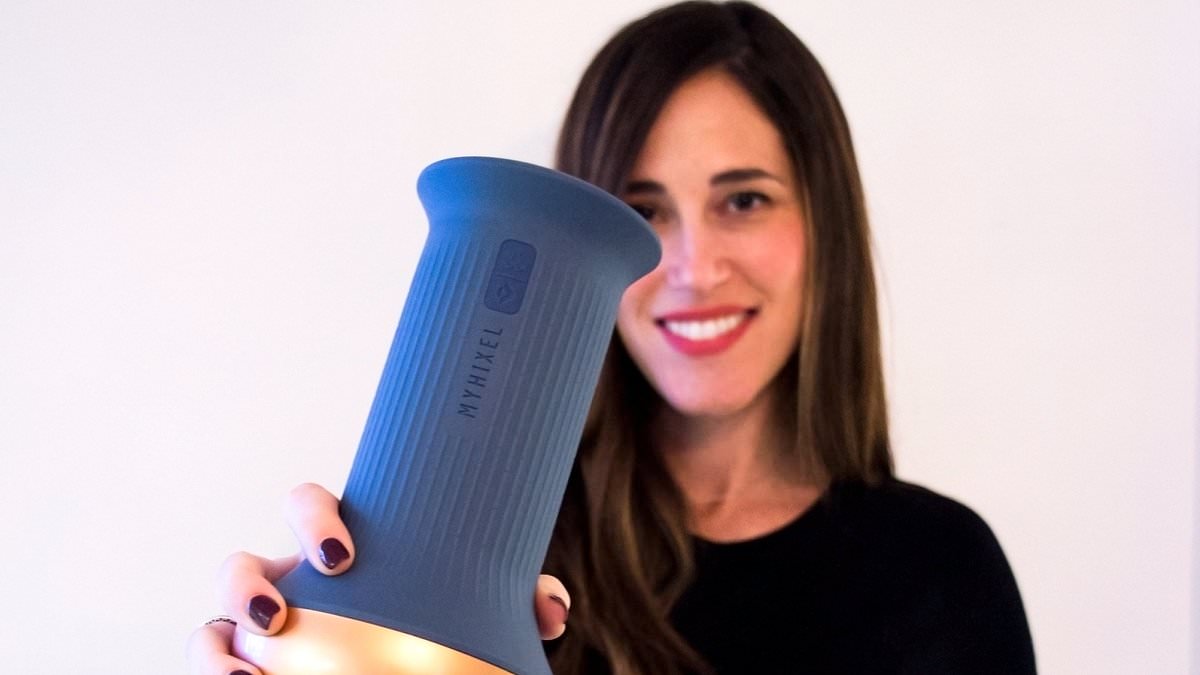
Patricia Lopez, founder of MyHixel, has developed a fleshlight sex toy and companion app that uses AI and cognitive behavioral therapy to help men with premature ejaculation last longer in bed. The device has undergone three clinical trials and has been shown to increase endurance by up to seven times. The app provides video-based cognitive therapy that is personalized using machine learning, and also offers nutrition, fitness, and mindfulness plans. Lopez aims to address the lack of products for men in the sexual wellness market and is now working on a new product for men with erectile dysfunction.
Researchers at the National Institutes of Health found that unmedicated children with anxiety disorders showed overactivation in various brain regions, including the frontal and parietal lobes and the amygdala, which improved after receiving cognitive behavioral therapy (CBT). The study, published in the American Journal of Psychiatry, revealed that CBT led to significant decreases in anxiety symptoms and improved brain functioning in children with anxiety. However, some brain regions, particularly limbic areas, continued to show higher activity even after treatment, suggesting the need for further research to enhance treatment outcomes for children with anxiety.
A recent Swedish study found that people with illness anxiety disorder may die earlier than others, with those diagnosed with the disorder being 84% more likely to die in the study period and dying an average of five years younger than those without the diagnosis. The disorder is severely under-diagnosed and under-treated, highlighting the need for improved diagnosis and communication between physicians and psychotherapists. Treatment, particularly cognitive behavioral therapy, is highly effective, and experts emphasize the importance of taking stress and anxiety seriously.
A new app called MindEar delivers cognitive behavioral therapy (CBT) to help people cope with tinnitus, a condition characterized by persistent ringing in the ears. A small study found that participants using the app experienced a reduction in distress related to tinnitus, with or without additional sessions with a psychologist. While the app doesn't change the perception of the ringing, it helps users relax, maintain control, and sleep better. The study's limitations include its small size and the need for further research, but the app shows potential for making CBT more accessible to those affected by tinnitus.