
Decoding Microbiome Communication: The Molecular Rosetta Stone
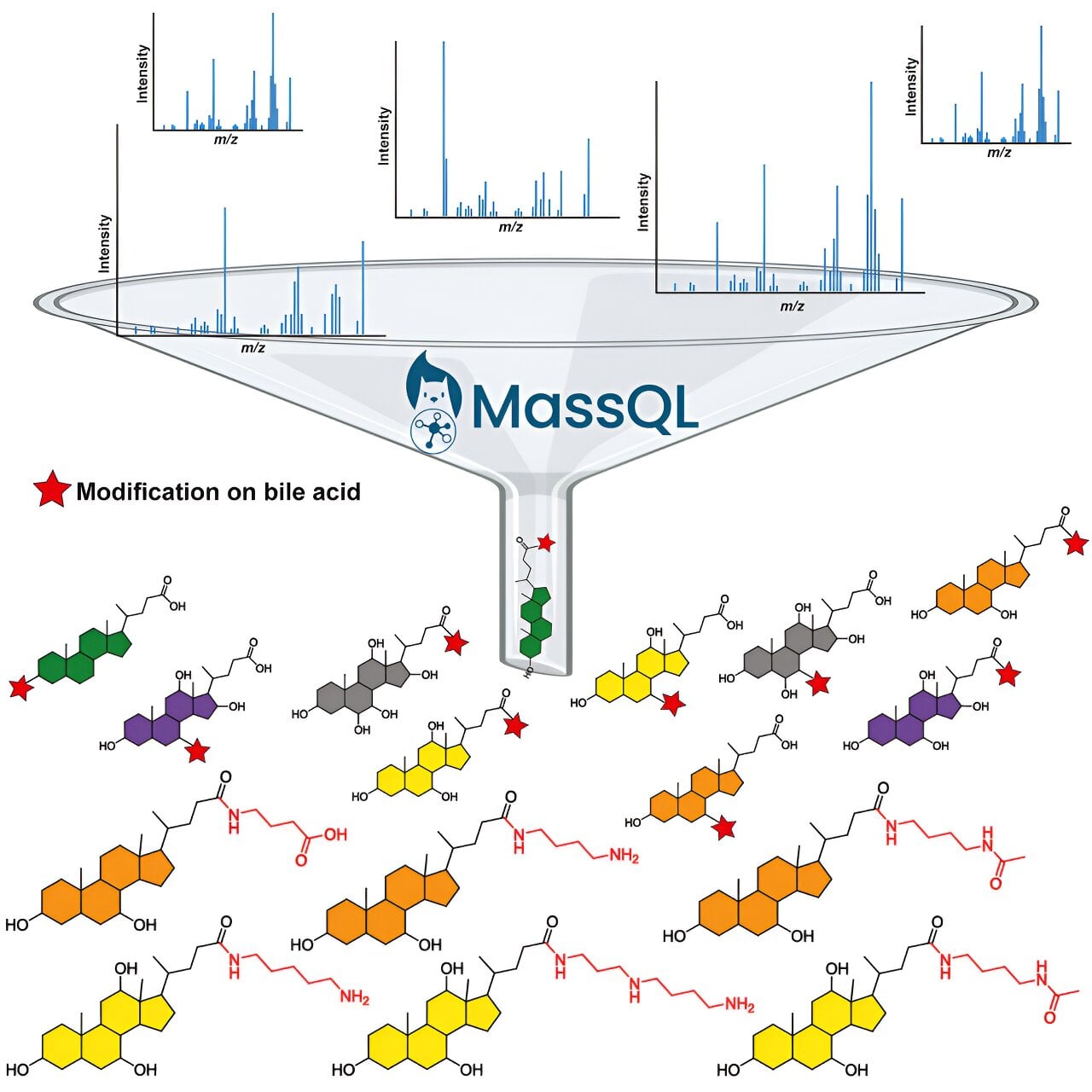
Researchers at UC San Diego have discovered thousands of previously unknown bile acids, shedding light on the biochemical language used by gut microbes to communicate with the body. These bile acids, which are produced by the liver and metabolized by gut microbes, play a crucial role in digestion, immune regulation, and metabolic functions. The findings, likened to a "molecular Rosetta Stone," could revolutionize our understanding of human metabolism and disease treatment. The study, published in Cell, was made possible by the Collaborative Microbial Metabolite Center at UC San Diego and could lead to significant breakthroughs in the field of microbial metabolomics.
Reading Insights
0
6
3 min
vs 4 min read
86%
740 → 101 words
Want the full story? Read the original article
Read on Phys.org