During a town hall in Nebraska, constituents vocally opposed President Trump's tax bill, criticizing its perceived monstrosity and opposing related policies like SNAP cuts and Medicaid work requirements, highlighting voter dissatisfaction with Trump's broader policies and the potential electoral impact for Republicans.

Larry Summers criticizes Trump's tax and spending bill, arguing it is not beneficial for the economy and will increase debt, with no objective economist supporting the White House's optimistic growth projections.
Economists warn that the significant increase in the US federal deficit due to Trump's tax and spending bill could lead to dangerous economic consequences, including higher interest rates, reduced government flexibility in crises, and potential a doom loop of rising debt and interest costs, threatening long-term economic stability.
Following the passage of Trump's tax bill in the House, Rivian and Lucid saw stock increases as the bill ends the $7,500 EV tax credit, which could negatively impact Tesla's sales due to reduced demand for EVs. Rivian and Lucid are expected to benefit from the change, while Tesla faces potential sales decline and profit impact.
The U.S. House has approved a $4.5 trillion tax bill that includes a $1.2 trillion cut to Medicaid and SNAP, threatening food security for over 700,000 Oregonians by potentially eliminating benefits for 108,000 residents and reducing family food budgets, with significant economic and social impacts expected in Oregon.
Originally Published 6 months ago — by Rolling Stone
The article discusses how President Trump's tax bill significantly cuts funding for environmental and climate justice programs, impacting communities in Louisiana that are fighting pollution and climate change, and highlights ongoing legal battles and community efforts to resist industry pollution and advocate for environmental health.
Stock futures for Dow, S&P 500, and Nasdaq are rising following strong payrolls data, while the Trump tax and spending bill is set for a vote, impacting market sentiment.
The Senate's passage of Trump's tax and spending bill is expected to significantly harm New York's healthcare sector by reducing Medicaid funding, cutting hospital revenues, and imposing stricter provider tax caps, potentially leading to increased emergency room wait times and loss of health coverage for millions.
The House is debating and preparing to vote on President Trump's comprehensive tax and Medicaid reform bill, with divisions among Republicans over the Senate version, which has passed narrowly with Vice President Vance's tie-breaking vote. Key figures, including Trump and House leaders, are actively lobbying for the bill's passage before the July 4 deadline, amid internal disagreements and opposition from some GOP members and external critics like Elon Musk.
The 10-year U.S. Treasury yield increased despite weak ADP jobs data, as investors weighed the impact of Trump's tax bill and upcoming economic reports, with market volatility expected to continue amid political and trade negotiations.
President Trump's proposed tax bill would significantly cut federal funding for Medicaid and ACA marketplaces, potentially leaving millions without insurance, reducing healthcare services especially in rural areas, and making it harder for people to enroll and retain coverage, while also increasing out-of-pocket costs for some Medicaid enrollees and restricting access for certain immigrants.
US stocks were mixed as the Senate passed Trump's tax bill, with the Dow rising and Nasdaq falling amid trade talks and Fed rate debates; healthcare stocks led gains, while Tesla and tech stocks declined due to political and regulatory tensions.
US stocks were mixed as the Senate passed Trump's tax bill, with the S&P 500 and Dow rising slightly, while Nasdaq and Tesla declined amid political and trade tensions. The market responded to legislative developments, trade talks, and Federal Reserve comments, with sector-specific movements in solar, crypto, and tech stocks. Key economic data and policy signals continue to influence investor sentiment.
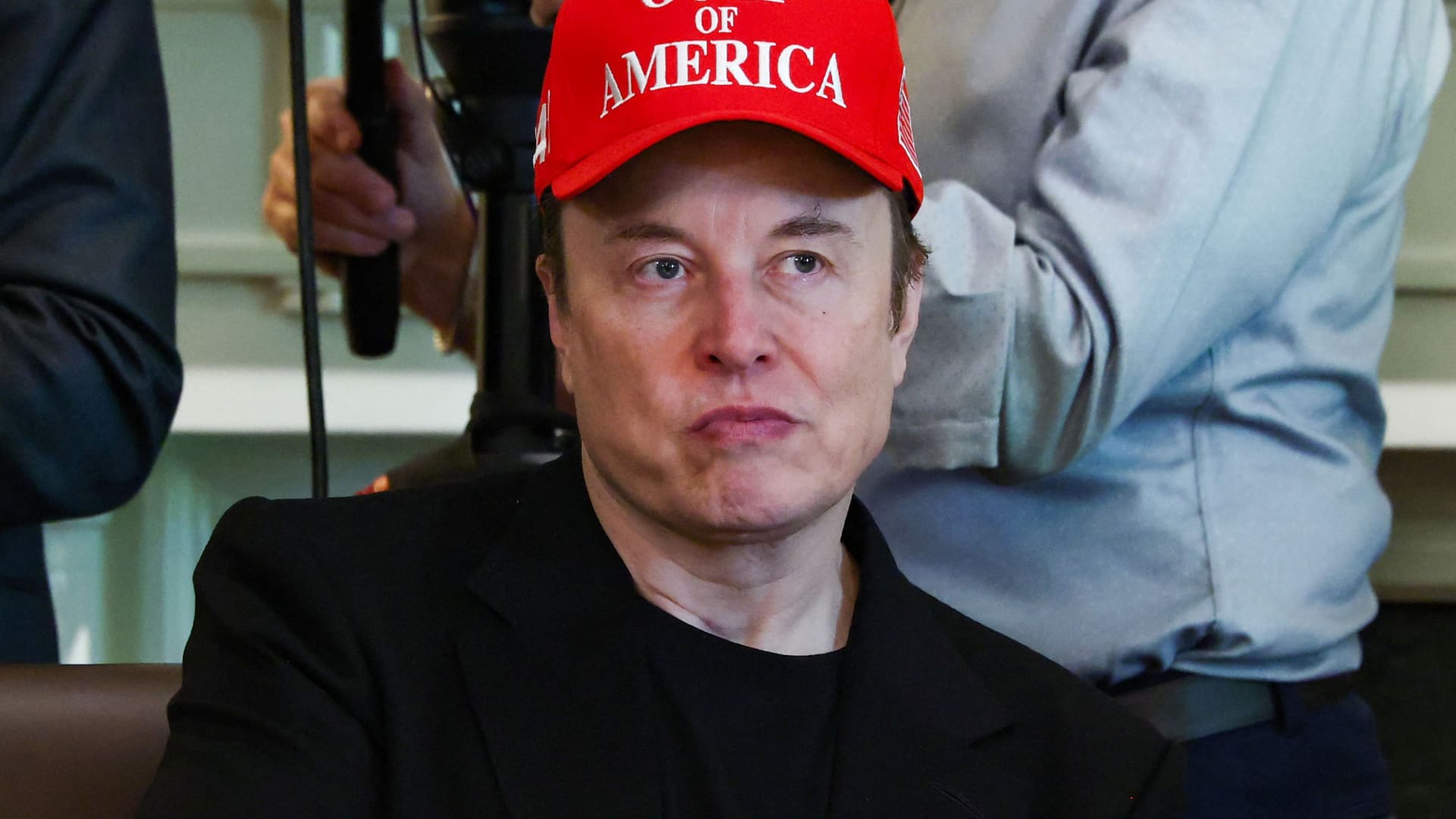
Elon Musk criticizes Trump's tax and spending bill, calling it 'debt slavery,' and threatens to challenge Republican lawmakers supporting it, advocating for a new political party and primary challenges to those who vote for the bill.
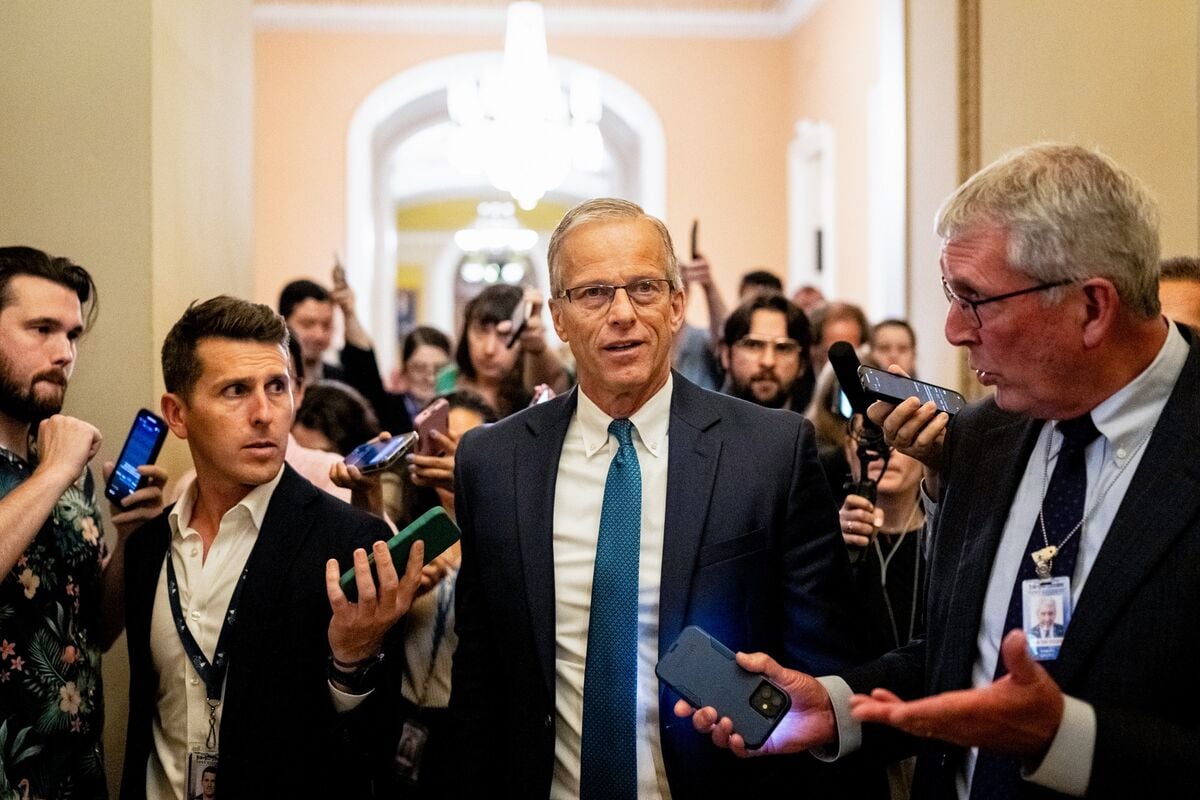
Senate Majority Leader Thune is racing to pass a large tax and spending bill by July 4, facing opposition from some Republican senators over spending cuts and funding for health and renewable energy, with President Trump closely monitoring and pressuring for swift passage.