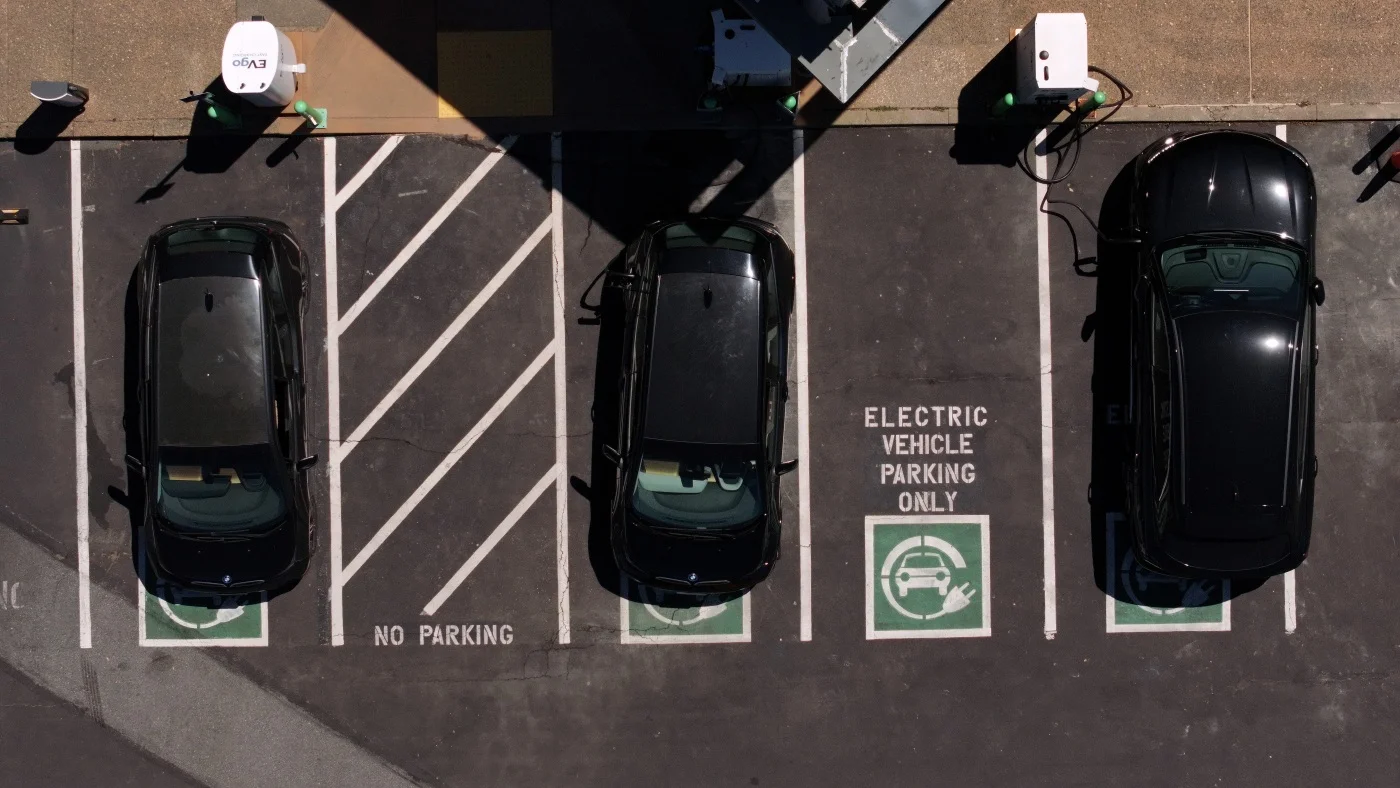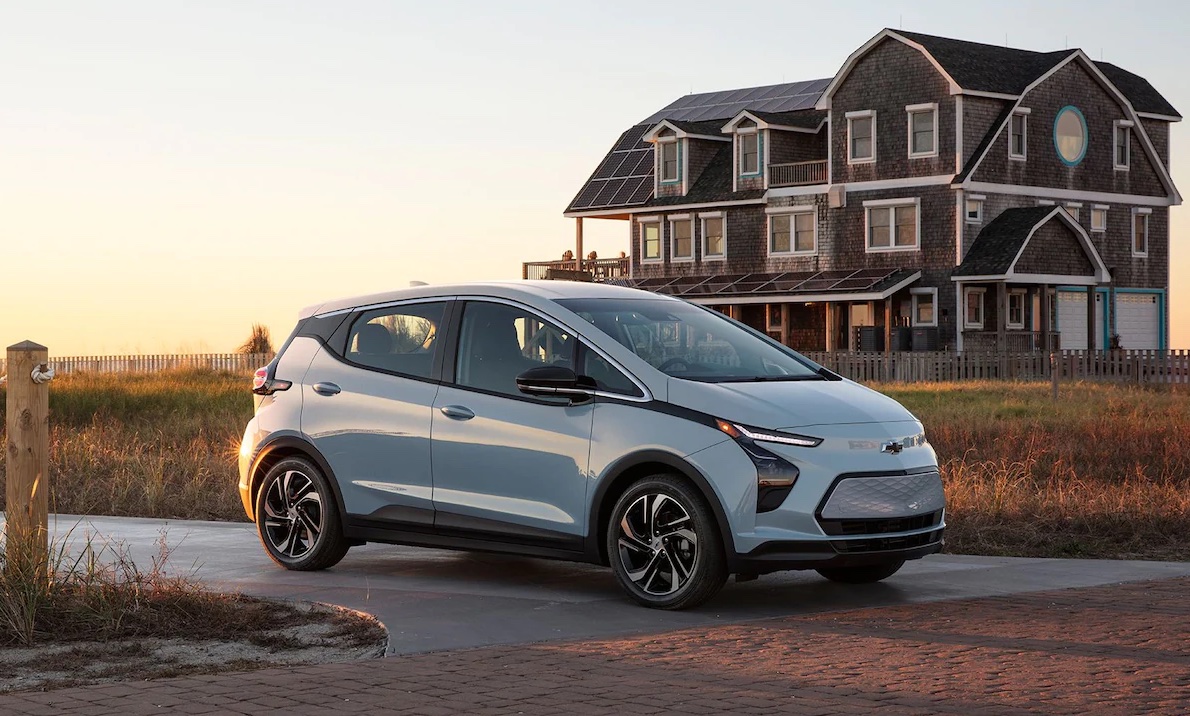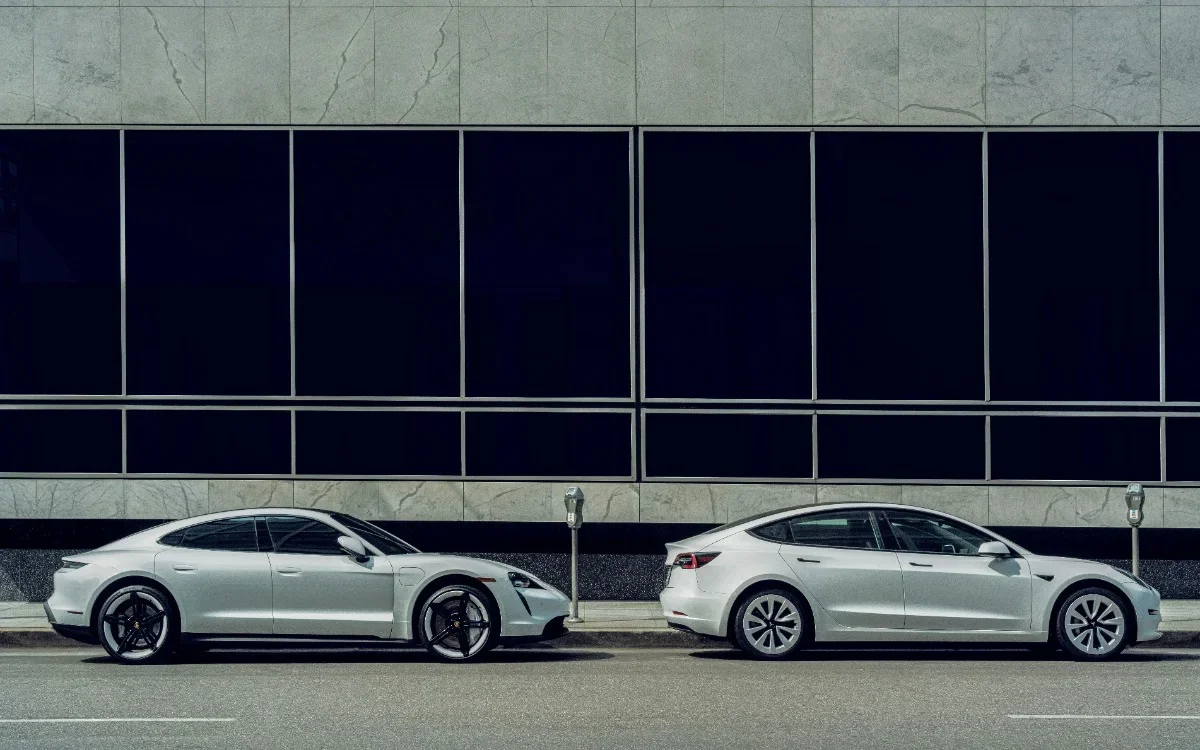
General Motors has decided not to proceed with a program that would have allowed its dealers to continue offering a $7,500 tax credit on EV leases after the federal subsidy expired, following concerns raised by Senator Bernie Moreno. The company initially planned to claim the credit on around 20,000 EVs in dealer inventories to ease the impact of the subsidy expiration, but ultimately scrapped the plan. Ford had a similar program, but its status remains unclear. The decision comes amid expectations of a decline in EV sales following the end of the tax credits.
General Motors has decided not to pursue a last-minute $7,500 federal tax credit for EV leases after initially planning to do so, citing concerns raised by a Republican senator and aiming to avoid potential issues with the expiration of the federal subsidy.
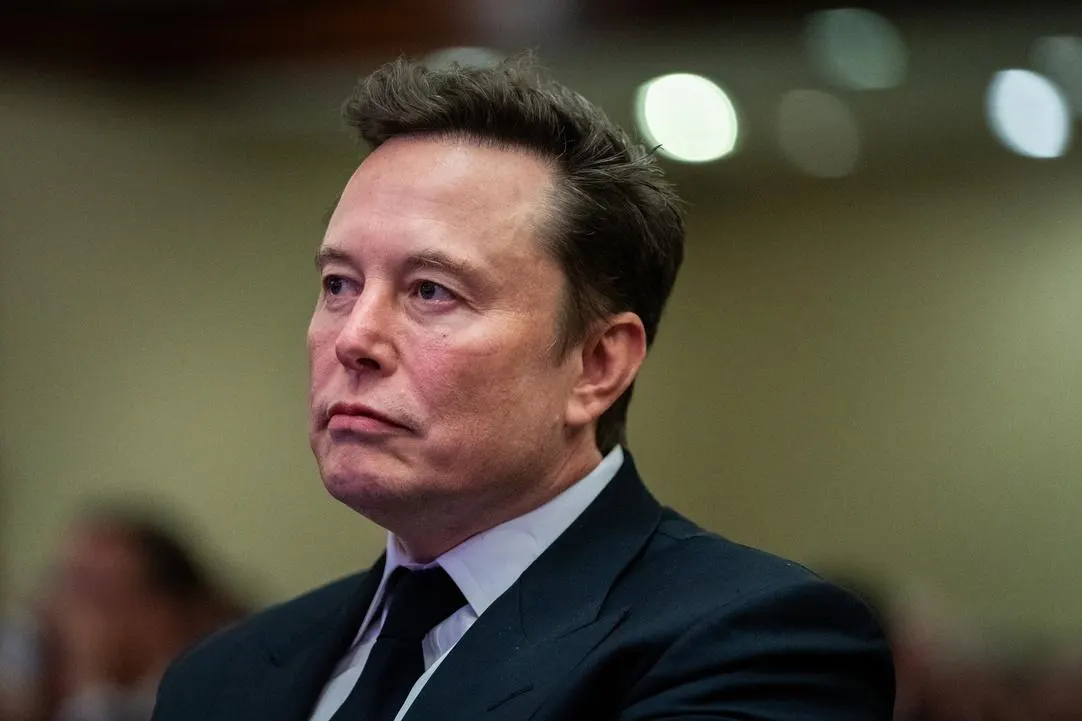
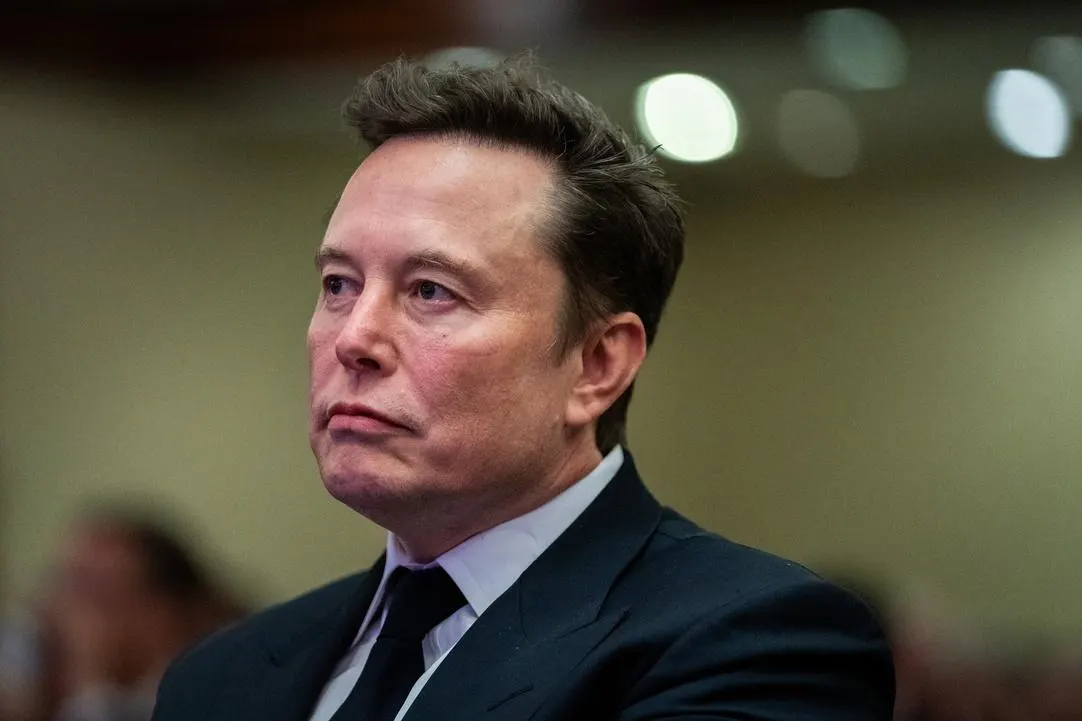
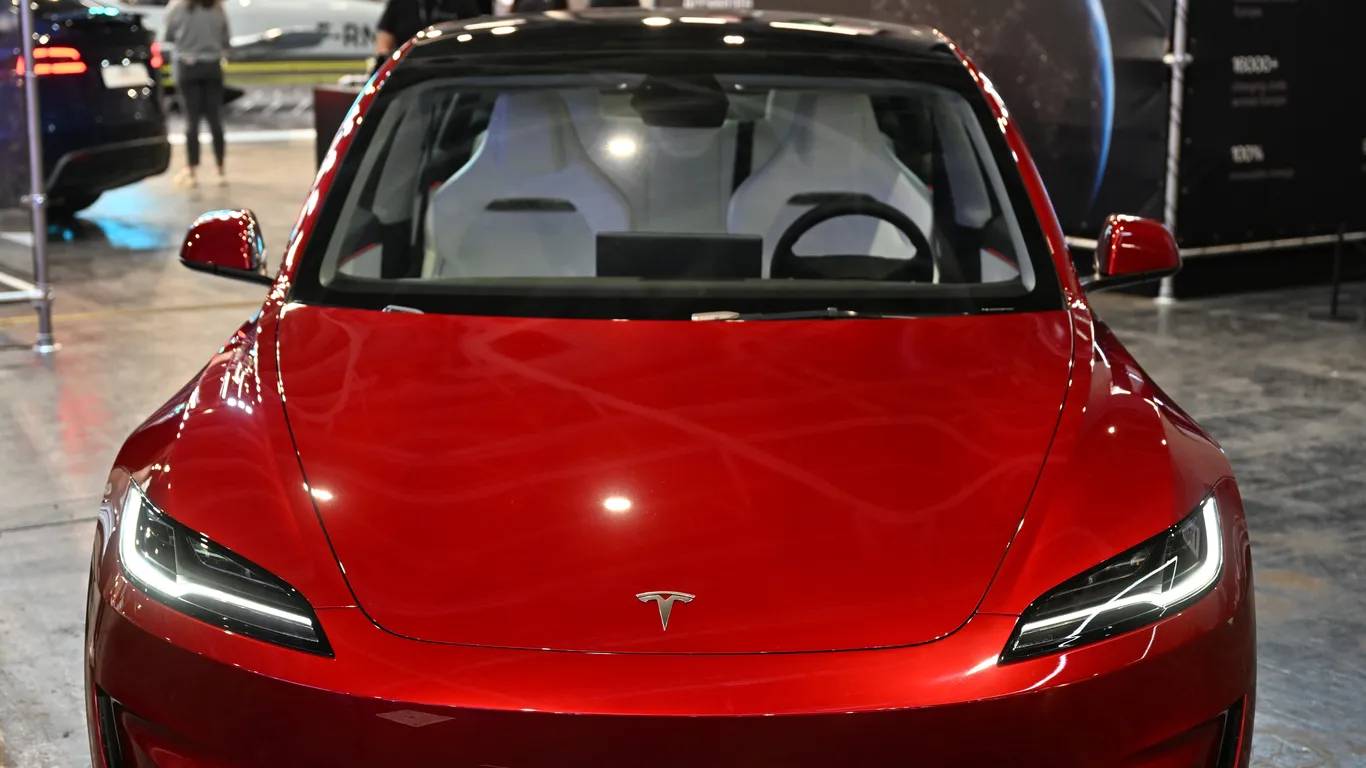
Tesla's stock dropped over 9%, leading to a $17 billion decrease in Elon Musk's net worth, amid concerns about upcoming expiration of federal EV tax credits and Tesla's recent revenue decline, with Musk warning of potential tough quarters ahead.
Tesla's shares dropped over 8%, leading to a $12 billion decrease in Elon Musk's net worth, amid concerns about upcoming expiration of federal EV tax credits and Tesla's recent revenue decline, with Musk warning of potential tough quarters ahead.
Following the passage of Trump's tax bill in the House, Rivian and Lucid saw stock increases as the bill ends the $7,500 EV tax credit, which could negatively impact Tesla's sales due to reduced demand for EVs. Rivian and Lucid are expected to benefit from the change, while Tesla faces potential sales decline and profit impact.
Elon Musk criticized Trump's 'Big Beautiful Bill,' which could negatively impact Tesla by phasing out EV tax credits and affecting its profits, while potentially benefiting Musk's AI company, xAI, due to increased federal AI spending and deregulation. The bill's effects on Tesla's energy and autonomous vehicle businesses are also significant, with mixed prospects for the automaker.
The future of US electric vehicle incentives hinges on negotiations over a Republican-led bill that proposes significant cuts to EV tax credits, potentially impacting EV adoption, manufacturing, and climate goals, with implications for the auto industry and U.S. jobs.
President-elect Donald Trump reportedly plans to eliminate the $7,500 electric vehicle (EV) tax credit, part of a broader tax overhaul, which could impact Georgia's burgeoning EV industry. The tax credit, introduced under President Biden's Inflation Reduction Act, has been pivotal in promoting domestic EV production and lowering costs for consumers. Georgia, a leader in EV manufacturing, could face challenges if the credit is removed, potentially affecting jobs and investments. Critics argue that ending the credit could hinder U.S. competitiveness in the global EV market.
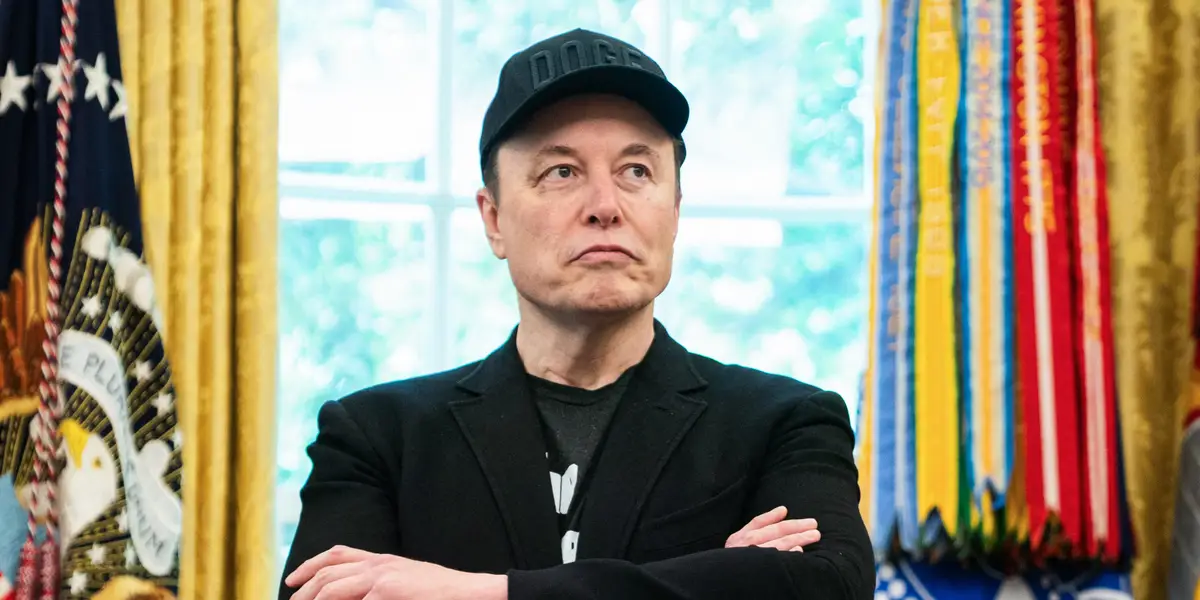
Elon Musk supports a plan by Trump to eliminate the $7,500 tax credit for electric vehicle purchases, arguing it would harm Tesla's competitors more than Tesla itself. Despite potentially reducing demand, Musk believes the move would ultimately benefit Tesla by pressuring smaller rivals. Tesla, which has a strong manufacturing presence in the US, has been leading an EV pricing war, maintaining its market dominance. The potential removal of tax credits has raised concerns among investors, causing a drop in Tesla's stock.
The Trump administration is reportedly planning to eliminate electric vehicle (EV) tax credits, which offer up to $7,500 in discounts, as part of broader tax reform. This move could impact EV adoption, which is crucial for transitioning away from fossil fuels. Tesla, led by Elon Musk, is seen as well-positioned to thrive without these incentives, potentially gaining a competitive edge. However, the repeal could face challenges, as some Republicans, especially those with EV-related industries in their districts, support maintaining the credits.
U.S. Senator Joe Manchin is urging American companies to sue the Treasury Department over its local content rules for clean energy tax credits under the Inflation Reduction Act, arguing that the rules harm U.S. manufacturers by deviating from the original legislation. Manchin, who recently left the Democratic Party, claims the Treasury's implementation allows continued reliance on Chinese supply chains, contrary to the bill's intent. Treasury Secretary Janet Yellen expressed willingness to discuss these concerns further.
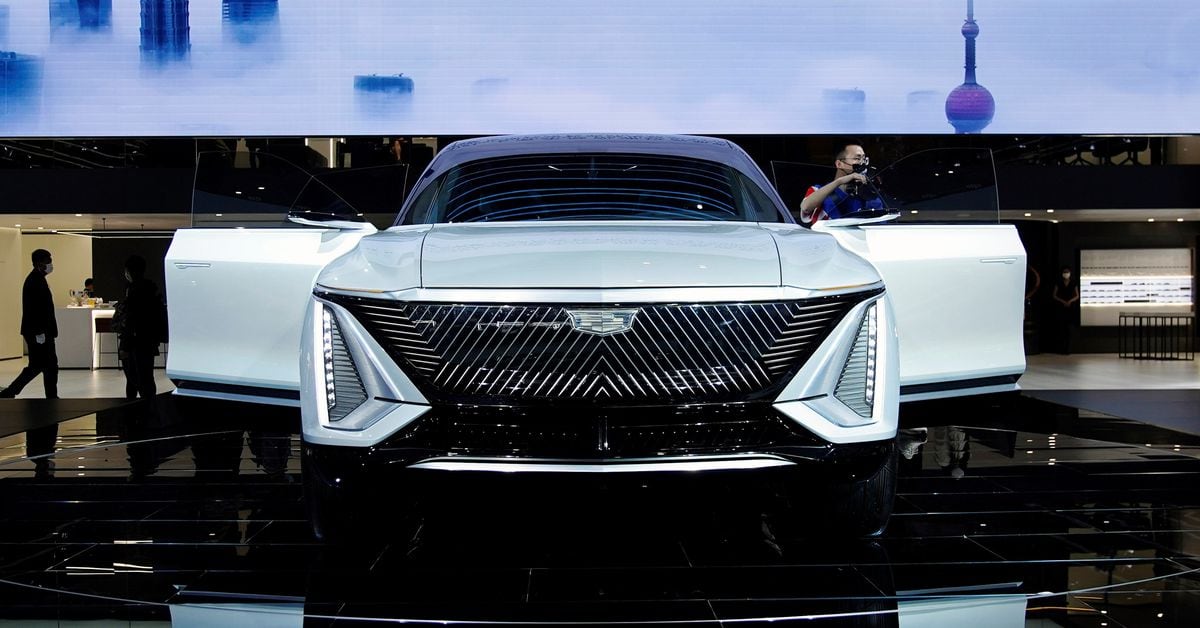
General Motors (GM) announced that its Cadillac Lyriq and Chevrolet Blazer EV will temporarily lose eligibility for the U.S. electric vehicle tax credit starting January 1, 2023. Only the Chevrolet Bolt EV will remain eligible for the consumer EV tax credit. Ford Motor also stated that its E-Transit, Mach-E, and Lincoln Aviator Grand Touring plug-in hybrid will lose the tax credit, while the F-150 EV Lighting and Lincoln Corsair Grand Touring will retain it. GM attributed the loss of credit to two minor components but expects the vehicles to regain eligibility in early 2024. The U.S. Treasury's new battery sourcing restrictions, effective January 1, aim to reduce reliance on China for the electric vehicle supply chain. Tesla's Model 3 Rear-Wheel Drive and Long Range vehicles will also lose federal tax credits starting January 1.
China has criticized the Biden administration's plans to limit Chinese content in batteries eligible for electric vehicle (EV) tax credits, stating that it violates international trade norms and disrupts global supply chains. The plans would make investors in the US EV supply chain ineligible for tax credits if they use critical materials from China or other countries deemed a "Foreign Entity of Concern." China's dominant position in the global battery supply chain has raised concerns among US and European officials, leading to investigations into unfair state subsidies. Analysts question whether the US and EU measures match the scale of the risk posed by China's position in global battery supply chains.
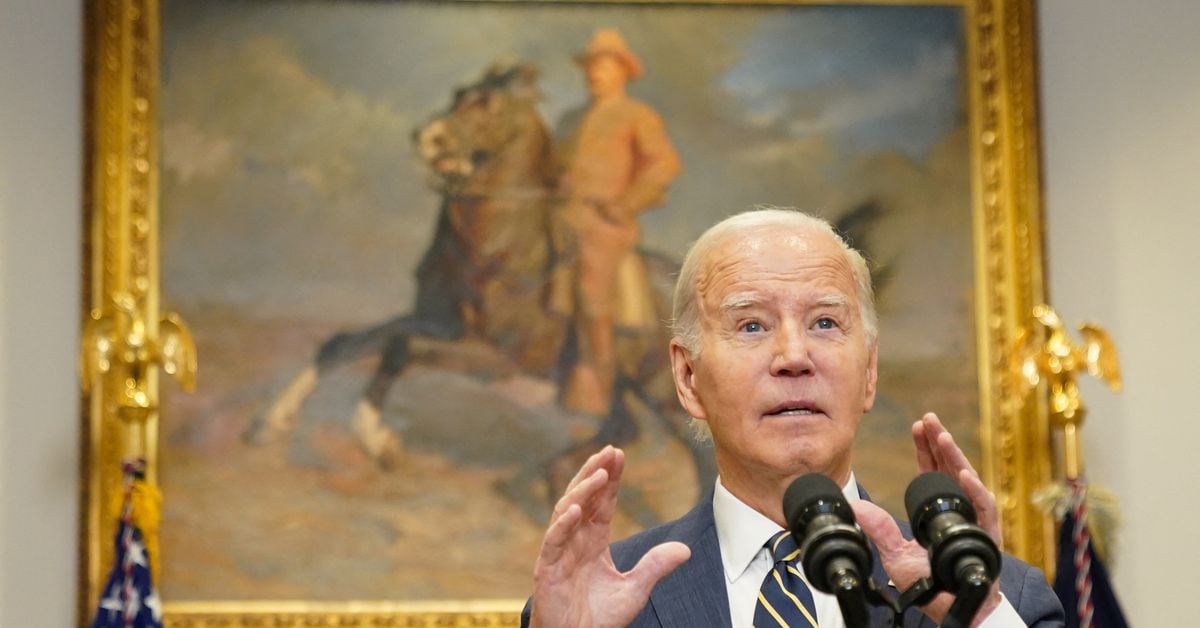
The White House has issued new guidance on federal electric vehicle (EV) tax credits in the U.S., providing a temporary exemption for automakers to switch to domestic minerals for battery production. The updated guidance aims to wean the U.S. battery supply chain off of China and other foreign sources. The exemption allows vehicles utilizing critical battery materials from China and other "Foreign Entities of Concern" to remain eligible for incentives until 2024 for completed batteries and until 2025 for trace critical minerals. The new rules are expected to limit the number of eligible EVs for the credit and require instant access to rebates for buyers.
A recent poll conducted by The Washington Post and the University of Maryland revealed that 71% of Americans know little or nothing about the Inflation Reduction Act (IRA) and its climate-related incentives, including federal EV tax credits and tax credits for rooftop solar. Elizabeth Gore, Senior Vice President of Political Affairs at the Environmental Defense Fund, attributes this lack of awareness to the broad scope of the IRA and the focus on individual impacts rather than the overall benefits. While the Biden administration has been proactive in promoting the benefits of the IRA, there are still challenges in disseminating information about the hundreds of provisions within the law. As funds are being distributed at the state level, there is variation in engagement and interest among states and localities, with some lacking the capacity to fully take advantage of the benefits. However, bipartisan support for the IRA is expected to grow, leading to increased adoption of the policies it has put into place.