Multiple lawsuits have been filed against the Education Department over a controversial loan forgiveness rule, with plaintiffs arguing it violates the Higher Education Act and First Amendment rights, while the department defends the rule as a neutral enforcement against misuse of taxpayer funds.

The Trump administration is holding $9.7 million worth of US-purchased contraceptives in Belgian warehouses instead of distributing them to women overseas, amid regulatory and political hurdles, raising concerns about increased maternal health risks and the potential expiration of the supplies.
Over 85 climate scientists have criticized a U.S. Energy Department report for containing numerous errors and misrepresentations of scientific literature, arguing it downplays the severity of climate change and supports industry interests, leading to ongoing debates and public comments.
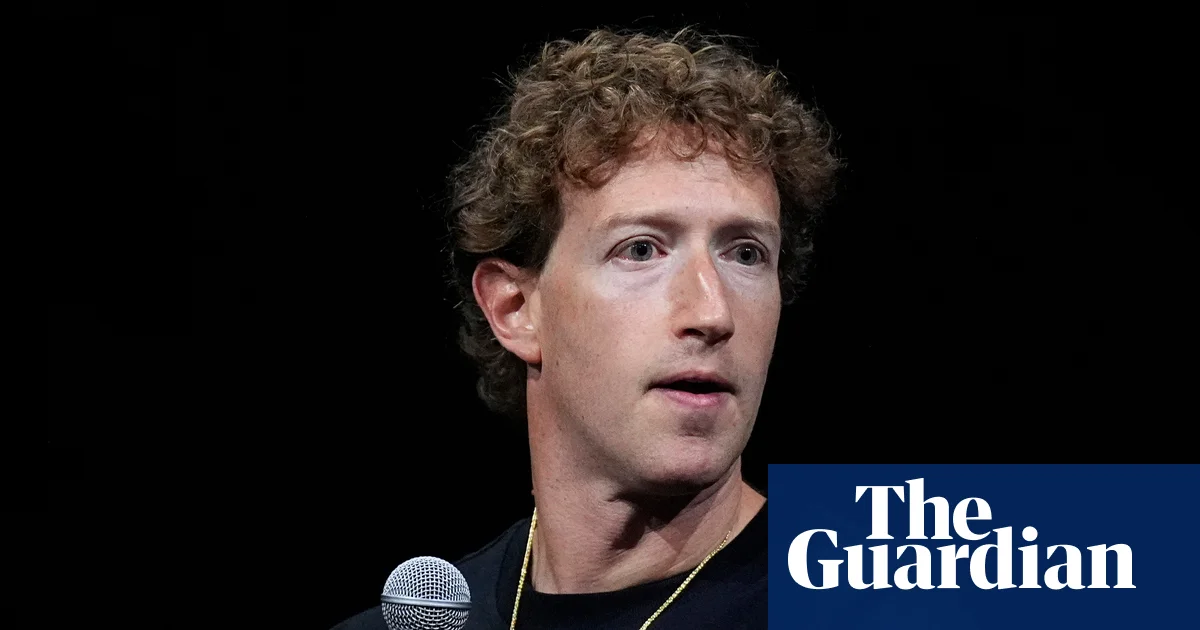
Meta faces criticism and legal scrutiny over its AI chatbot policies, which allegedly allow the bots to engage in inappropriate and harmful conversations with children, including romantic and sensual talk, despite internal guidelines that prohibit such behavior. The controversy has led to protests from public figures like Neil Young and investigations by US lawmakers, highlighting concerns about AI safety and corporate accountability.
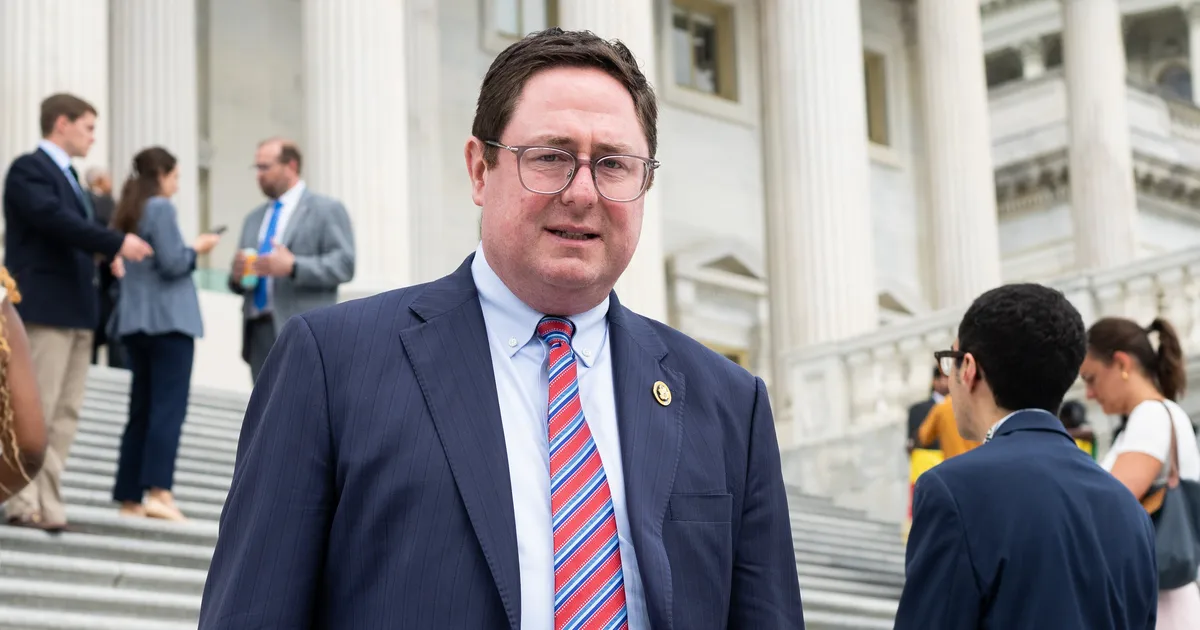
During a town hall in Nebraska, constituents vocally opposed President Trump's tax bill, criticizing its perceived monstrosity and opposing related policies like SNAP cuts and Medicaid work requirements, highlighting voter dissatisfaction with Trump's broader policies and the potential electoral impact for Republicans.
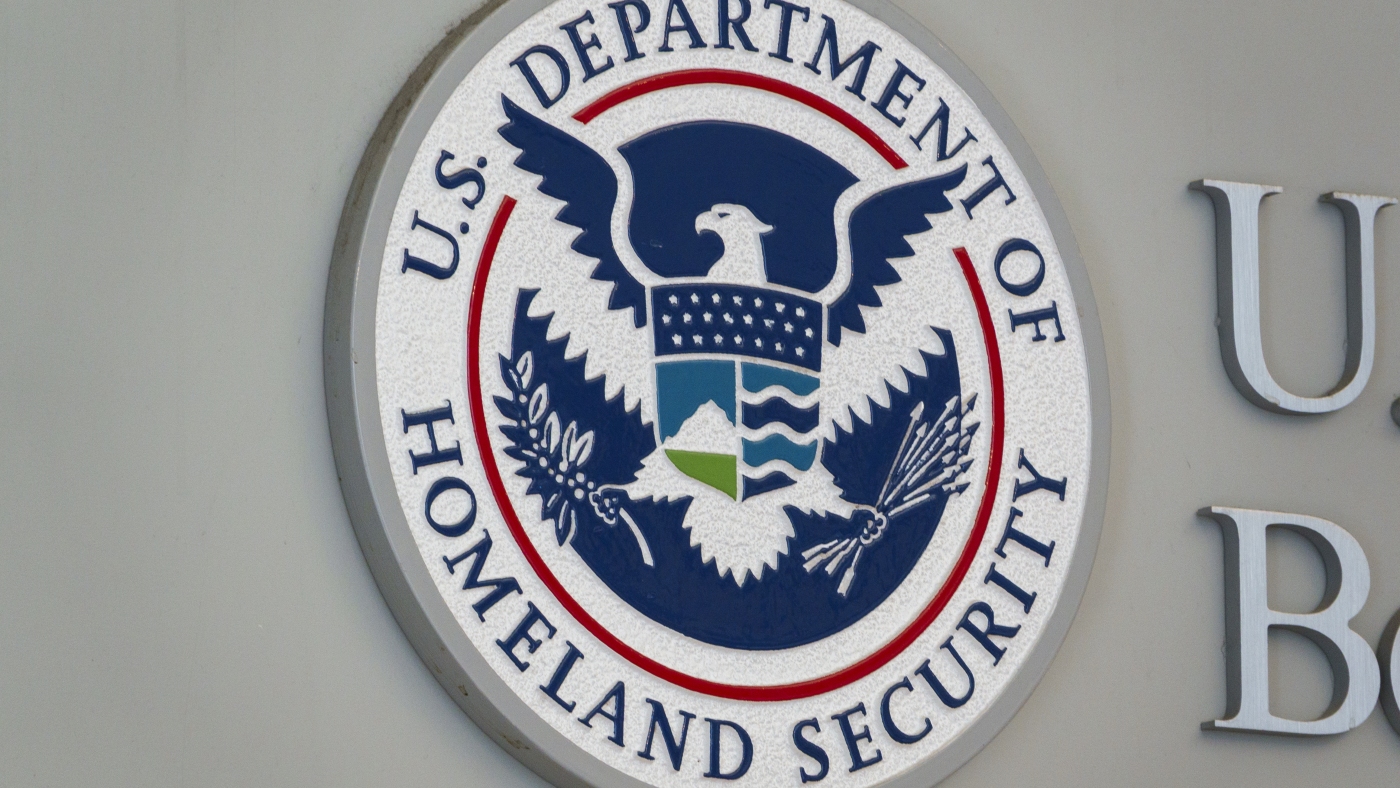
The U.S. Department of Homeland Security removed a controversial list of 'sanctuary jurisdictions' after facing criticism from local officials and law enforcement, amid ongoing tensions over immigration enforcement policies and federal funding.
The Catholic Diocese of Cleveland has implemented a new policy regarding "issues of sexuality and gender identity," which has sparked controversy among Catholics and the LGBTQ+ community. The policy prohibits gender-affirming care, the use of pronouns different from one's biological sex, and attending events with same-sex individuals who are not casual acquaintances. It also requires staff members to inform parents if a child may be transgender. While some Catholics support the policy as a way to uphold Catholic values, others criticize it as harmful and fear it may lead to physical harm for children. The LGBT Community Center of Greater Cleveland sees the policy as a setback in creating an inclusive community.