Community health workers in California are actively encouraging undocumented residents to re-enroll in Medicaid before the enrollment freeze takes effect, amid fears of immigration enforcement and misinformation about coverage loss, highlighting ongoing challenges in healthcare access for vulnerable populations.
A promising gene therapy for sickle cell disease, approved two years ago, remains largely inaccessible due to limited treatment centers, complex approval processes, and high costs, especially impacting rural and low-income populations despite recent federal initiatives to improve access.
New York Attorney General Letitia James, along with 18 states and D.C., filed a lawsuit against the U.S. HHS over a declaration that seeks to restrict access to gender-affirming care for youth, arguing it unlawfully oversteps legal authority, threatens healthcare providers, and endangers transgender youth's access to necessary medical treatment.
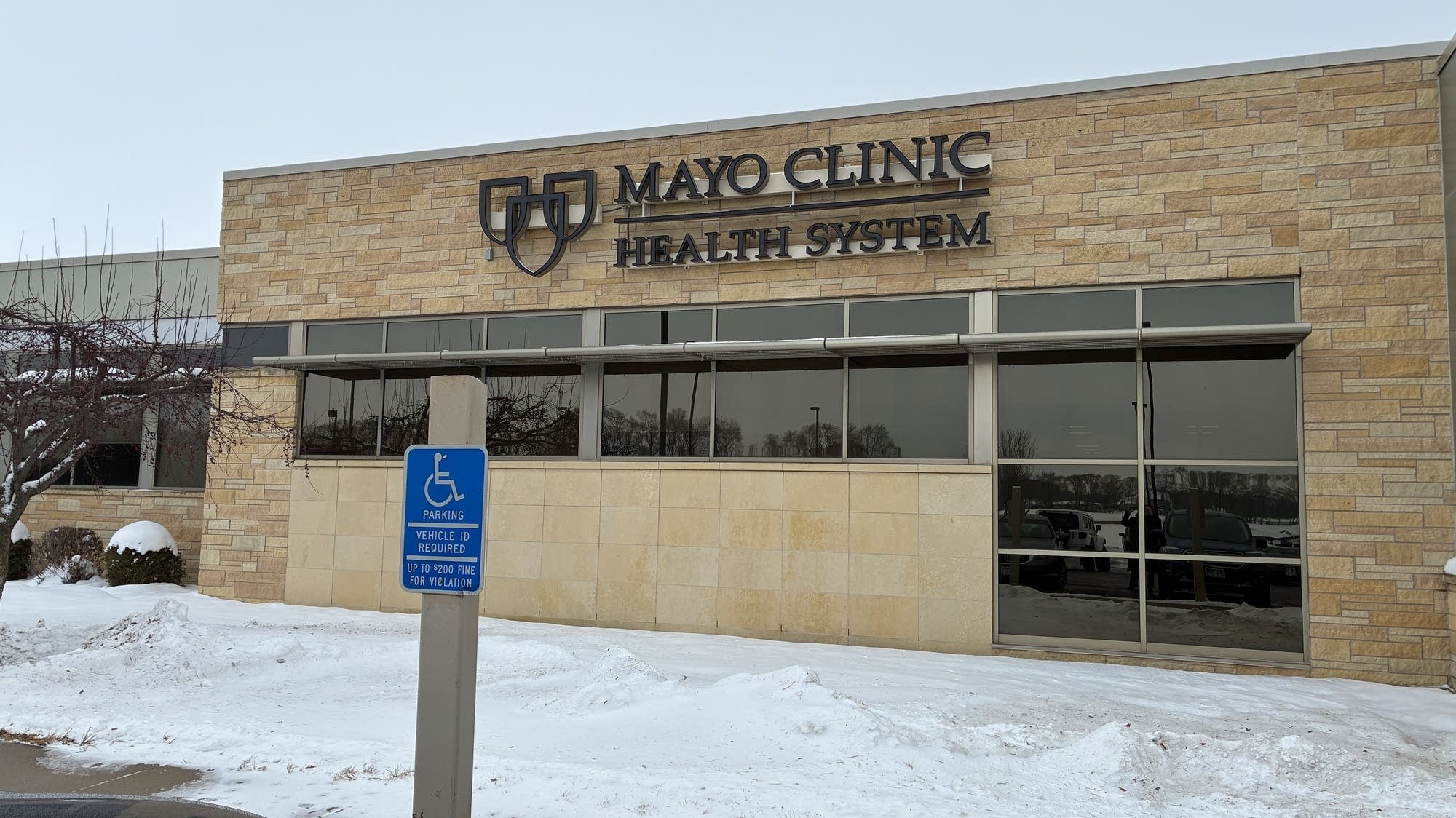
Mayo Clinic has closed six clinics in southeastern Minnesota, citing staffing and maintenance costs, shifting focus to centralized medical hubs and digital care, which has caused disappointment and concern among local communities about access to healthcare.
Parents in Humboldt County face significant challenges in obtaining COVID-19 vaccines for young children due to limited local supply, healthcare system barriers, and logistical issues, leading some to travel hours out of the area for vaccination, despite official recommendations for pediatric immunization.
World Menopause Day highlights the need to normalize menopause conversations, improve healthcare access, and implement supportive policies in workplaces and national systems to enhance women's health, productivity, and dignity during midlife.
A Labor Day rally and march organized by the South Carolina AFL-CIO and community allies took place outside the State House in Columbia to protest attacks on union jobs, healthcare, and immigrant rights.
A large-scale study in Kenya found that giving $1,000 in cash to low-income families significantly reduced infant and child mortality rates by nearly half, especially when delivered close to birth, highlighting cash transfers as an effective tool alongside healthcare improvements to save children's lives.
The VA has implemented a new policy allowing eligible veterans to receive uninterrupted care from private providers in 30 specialties for one year without needing reauthorization, aiming to improve continuity of care and reduce administrative burdens, amid ongoing concerns about access and funding.
The proposed megabill narrowly passed the Senate, aiming to cut nearly $930 billion from Medicaid and healthcare programs over a decade, which could increase the uninsured rate and complicate access to healthcare. It also includes measures to relax gun regulations and restructure the ATF, alongside other legislative and policy changes. The bill's passage faces political challenges and concerns about its impact on healthcare and public safety.
President Trump's proposed tax bill would significantly cut federal funding for Medicaid and ACA marketplaces, potentially leaving millions without insurance, reducing healthcare services especially in rural areas, and making it harder for people to enroll and retain coverage, while also increasing out-of-pocket costs for some Medicaid enrollees and restricting access for certain immigrants.
The Supreme Court ruled 6-3 that Medicaid patients do not have a right to choose their provider, potentially leading to the defunding of Planned Parenthood, which could impact access to abortion and other healthcare services. The case, stemming from South Carolina's restrictions, may encourage more states to exclude Planned Parenthood from Medicaid, further threatening reproductive health services and bodily autonomy.
The President emphasizes the importance of addressing men's health issues, including lower life expectancy, less healthcare utilization, and mental health challenges, pledging support through policy initiatives and national campaigns to promote healthier lives for American men.
A man and his husband are facing multiple health crises, including dialysis and sudden vision loss, while navigating financial challenges such as applying for SSDI and potential home equity issues, all amidst personal and systemic difficulties in healthcare access.
The discontinuation of the asthma drug Flovent by GSK, in response to federal price control penalties, has led to increased costs and access issues for patients, particularly affecting Medicaid providers and pediatric asthma care. The switch to a more expensive generic version has been criticized by Senator Elizabeth Warren as price gouging, with studies indicating a significant rise in Medicaid spending and pediatric asthma-related hospital admissions. Families and healthcare providers are struggling to find affordable and effective alternatives, highlighting the broader challenges in drug pricing and healthcare access.