Billie Eilish used her Grammys acceptance speech, after winning Song of the Year for “Wildflower,” to denounce ICE, declaring that ‘no one is illegal on stolen land’ and urging continued protest, a message she amplified after wearing an “ICE Out” pin on the red carpet.
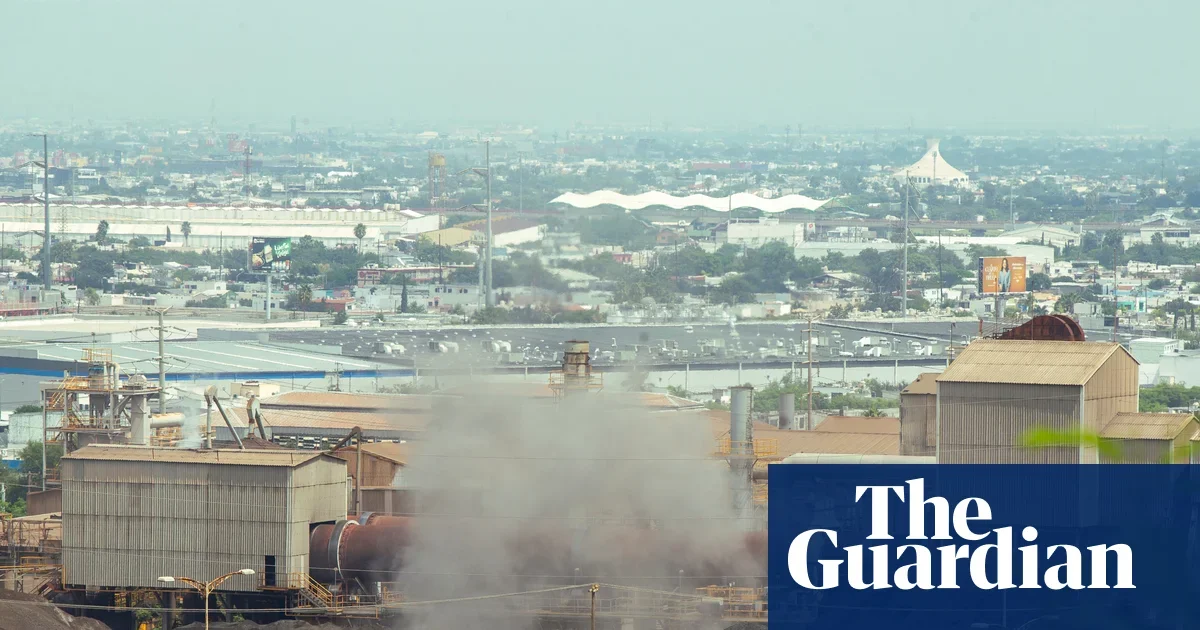
Mexico announced a sweeping pollution crackdown after Guardian investigations linked a Monterrey Zinc Nacional plant to heavy-metal contamination, unveiling a new atmospheric monitoring network, updated air and soil standards, and a $4.8 million fine with remediation steps, while lawmakers consider stricter toxic-waste imports and residents demand transparency.
Billie Eilish accepted the MLK Jr. Beloved Community Environmental Justice Award in Atlanta, denounced ICE and civil-rights rollbacks, noted DHS critics of her anti-ICE posts, and highlighted her plan to donate about $11.5 million to climate-justice groups while urging billionaires to give away their wealth.
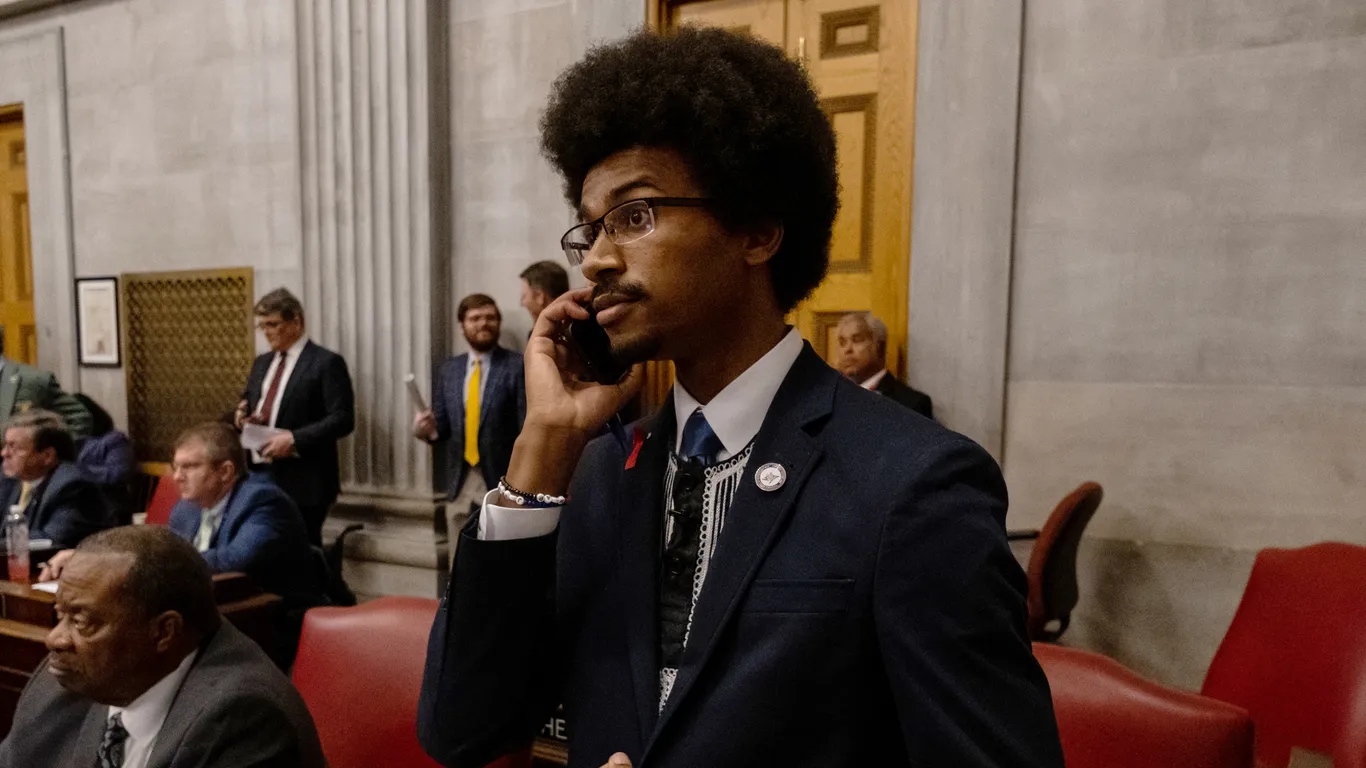
In Tennessee, Democratic candidate Justin Pearson is challenging incumbent Steve Cohen, focusing on opposition to AI data centers powered by fossil fuels due to environmental concerns, highlighting the growing political debate over the environmental impact of AI infrastructure in the 2026 midterms and beyond.
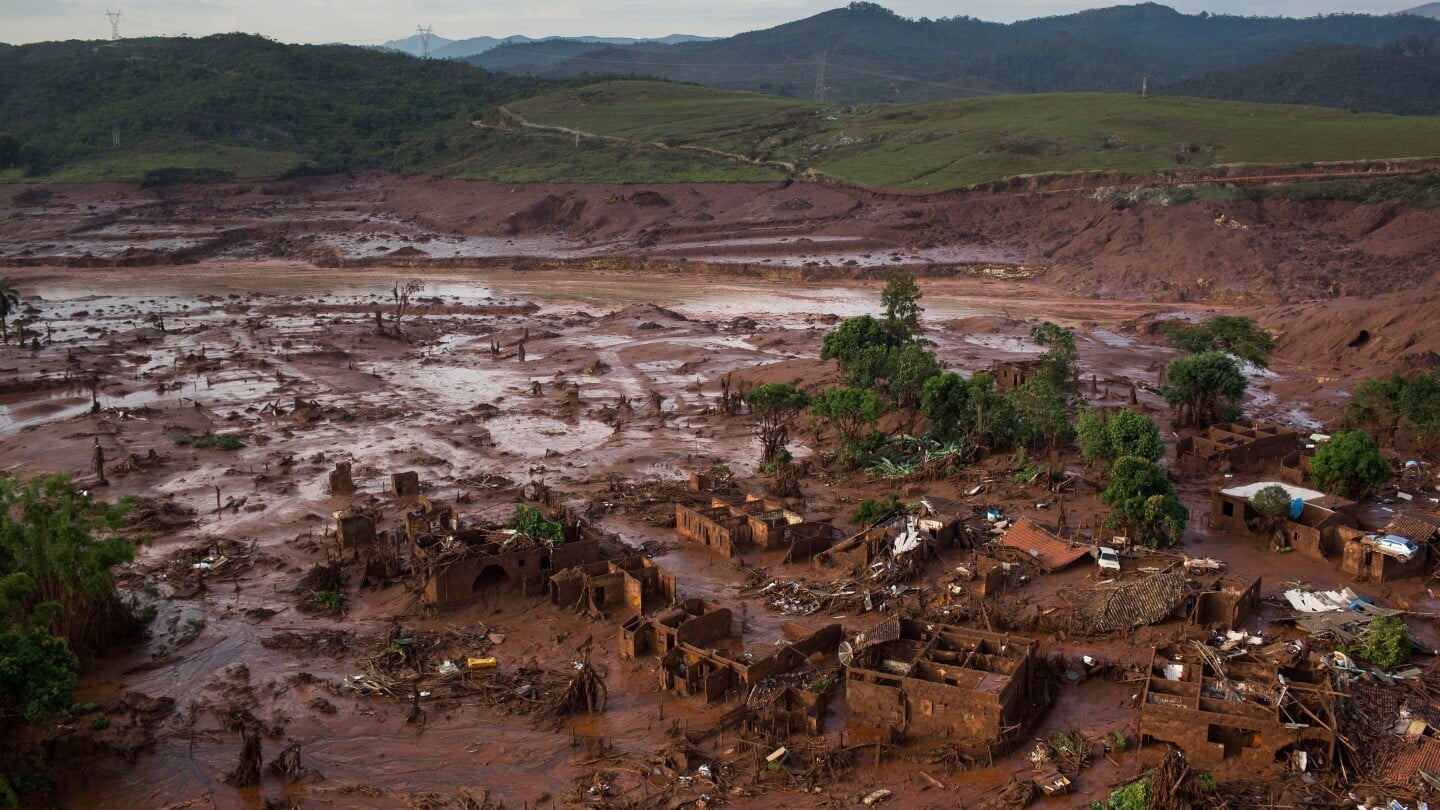
A decade after the Mariana dam collapse in Brazil, which caused environmental devastation and loss of life, the country faces ongoing challenges in environmental justice and governance, with critics questioning Brazil's climate leadership and the effectiveness of its policies, especially in relation to Indigenous communities and environmental protections, ahead of COP30.
Scientists are using AI, robotics, and new recording technologies to better understand whale communication, potentially enabling conversations with whales and strengthening legal protections for these animals, including rights-based approaches.
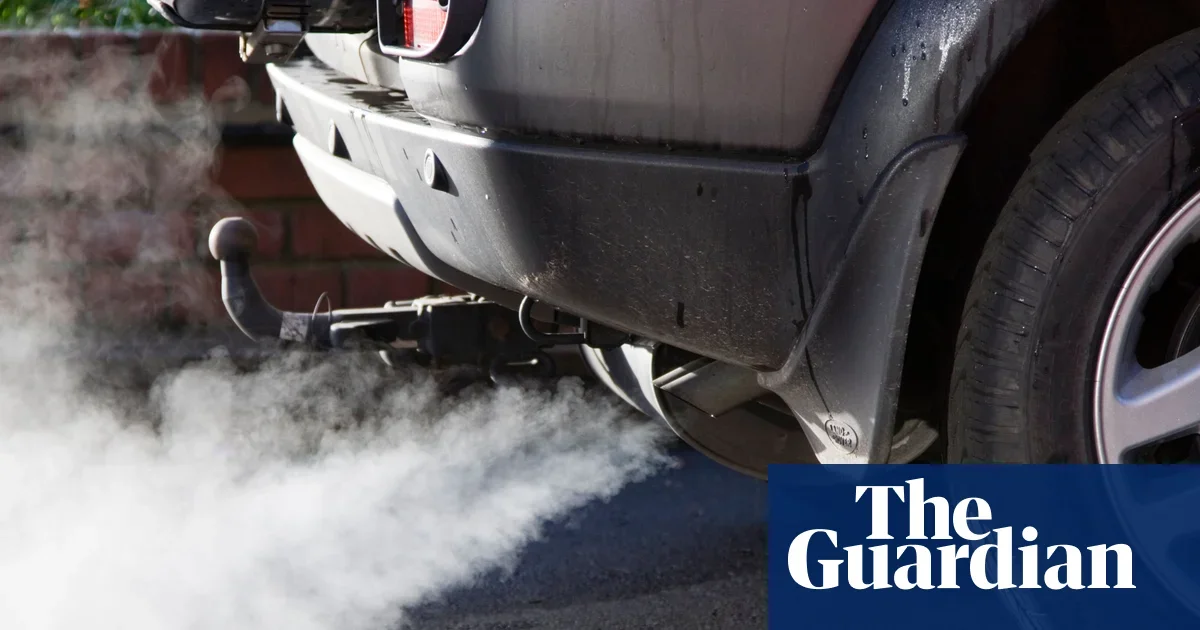
The UK’s largest group action trial alleges that major car manufacturers deliberately installed defeat devices in diesel vehicles to cheat emissions tests, prioritizing sales over legal compliance and causing significant environmental and health harm, with potential damages exceeding £6 billion.
The article discusses how President Trump's tax bill significantly cuts funding for environmental and climate justice programs, impacting communities in Louisiana that are fighting pollution and climate change, and highlights ongoing legal battles and community efforts to resist industry pollution and advocate for environmental health.
A federal judge ruled that the EPA's termination of $600 million in environmental justice grants was unlawful, affirming that the agency exceeded its authority by ending funds designated for low-income and communities of color, and emphasizing that Congress intended these funds for environmental justice efforts.
The University of Michigan is investigating vandalism at its on-campus peony garden, where about a third of the plants were damaged and signs left with a message linking the act to political statements. The university condemns the act and is seeking suspects, emphasizing the importance of respectful dialogue.
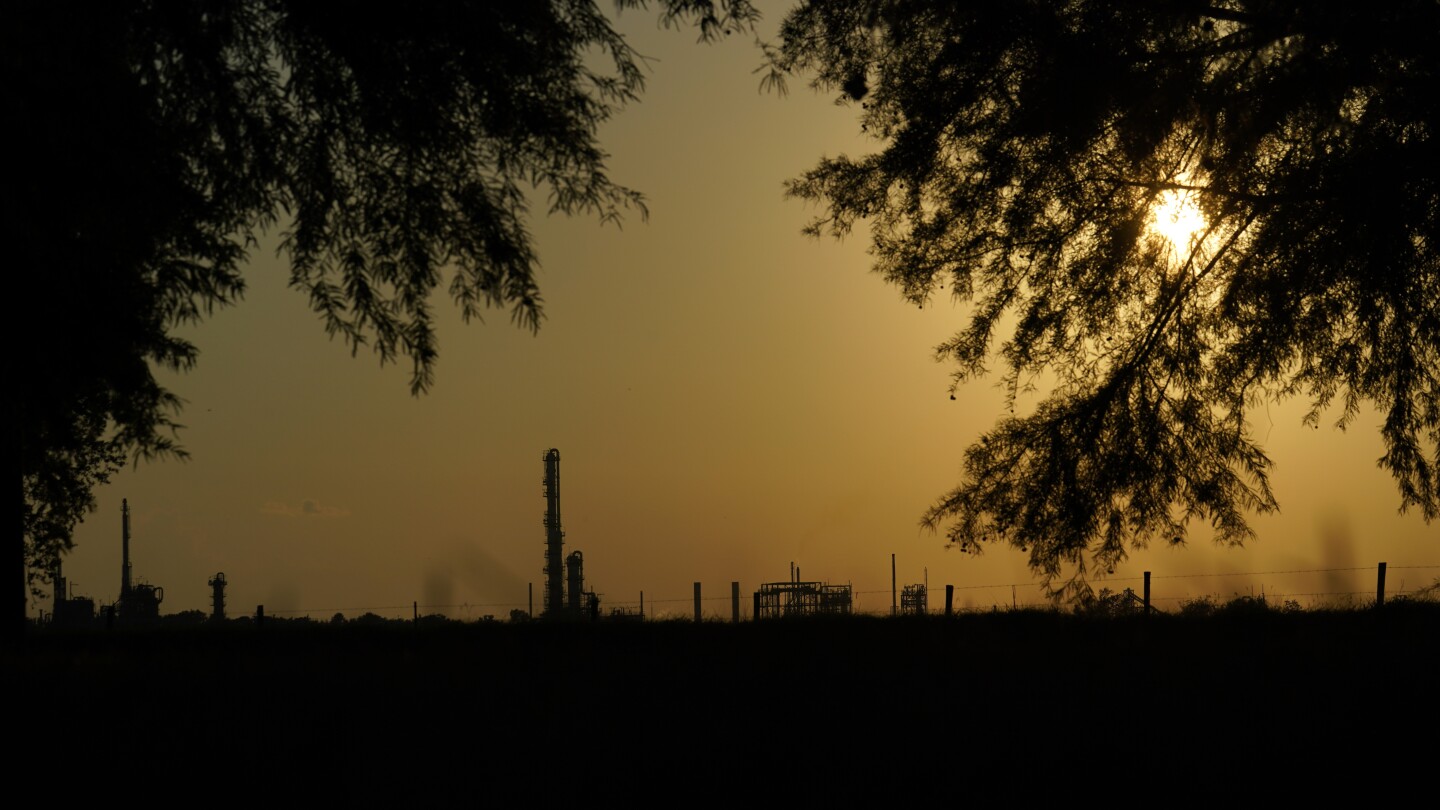
The EPA has announced a new rule to reduce toxic air pollution from over 200 chemical plants, targeting cancer-causing emissions and aiming to reduce cancer risk by 96% for nearby communities. The rule, the first of its kind in 30 years, focuses on pollutants disproportionately affecting minority communities in Texas and Louisiana. It requires industries to identify and repair sources of pollution, implement fence-line monitoring, and share data publicly. While praised by environmental groups and activists, it faces opposition from industry representatives and legal challenges.
The EPA has issued a new rule requiring over 200 chemical plants in the US to reduce toxic emissions likely to cause cancer, particularly targeting ethylene oxide and chloroprene. This move aligns with President Biden's environmental justice commitment and aims to protect communities burdened by industrial pollution. The rule will significantly cut emissions, benefitting areas like majority-Black neighborhoods near New Orleans. While praised by some lawmakers and environmental advocates, the American Chemistry Council criticized the rule, expressing concerns about its impact on chemical manufacturing. The EPA's action follows a civil rights investigation into a Louisiana plant and aims to promote environmental justice and reduce health risks in affected communities.
The US EPA has finalized a rule to significantly reduce toxic air pollution from chemical plants, including ethylene oxide and chloroprene, in line with President Biden's commitment to environmental justice and the Cancer Moonshot Initiative. The rule will cut over 6,200 tons of toxic air pollution annually, reducing cancer risk for nearby communities by 96% and requiring fenceline monitoring for key toxic chemicals. This move aligns with the administration's efforts to protect communities from harmful emissions and advance environmental justice, with Congressman Troy A. Carter, Sr. and Earthjustice expressing support for the rule's potential impact on public health and the environment.
The Environmental Protection Agency has awarded $20 billion from the Greenhouse Gas Reduction Fund to finance clean-energy projects, aiming to combat climate change and pollution in disadvantaged communities. The program allows access to low-interest loans for clean-energy projects, addressing obstacles faced by low-income and minority communities in attracting private capital. Critics have raised concerns about oversight and potential misuse of funds, while supporters emphasize the program's role in reducing energy consumption, creating clean-energy jobs, and advancing environmental justice goals.
The Biden-Harris Administration has announced $20 billion in awards to fund climate and clean energy projects across the U.S., with a focus on low-income and disadvantaged communities. This investment, part of the Environmental Protection Agency’s Greenhouse Gas Reduction Fund, aims to combat climate change, improve air quality, lower energy costs, and create jobs. The program will ensure that communities have access to capital for a cleaner, more sustainable economy. The awards will be deployed through two programs, the National Clean Investment Fund and the Clean Communities Investment Accelerator, with a focus on supporting projects such as clean power generation, net-zero retrofits, and zero-emission transportation. Additionally, the administration has implemented various innovative tools and programs to empower communities to participate in building the clean energy economy.