Tag

Tropical Forests

All articles tagged with #tropical forests

science6 months ago

Scientists Uncover Why Earth Remained a Hot Wasteland After the Great Dying

Scientists have uncovered that the prolonged super greenhouse conditions after the Permian–Triassic extinction were caused by the destruction of tropical forests, which normally help regulate Earth's carbon cycle. The volcanic eruptions in Siberia decimated these forests, reducing the planet's ability to absorb carbon and prolonging the hot, uninhabitable state for millions of years. Recovery was slow, with only small plants initially recolonizing the land, delaying the stabilization of Earth's climate.


science6 months ago

Ancient Earth’s Prolonged Greenhouse Era Explained by Vegetation Collapse

Scientists have discovered that the prolonged super greenhouse conditions after the Permian–Triassic mass extinction were caused by the loss of tropical forests, which reduced Earth's ability to absorb carbon dioxide, leading to a sustained hothouse state for about five million years. This research highlights the critical role of tropical biomes in maintaining climate stability and the potential consequences of their loss today.

science6 months ago

Scientists Uncover How Past Climate Catastrophes Shaped Earth's Recovery

Scientists have discovered that the prolonged super greenhouse conditions after the Permian–Triassic mass extinction were caused by the loss of tropical forests, which disrupted Earth's organic carbon cycle and kept the planet in a hothouse state for millions of years, highlighting the importance of tropical biomes in climate regulation.

science1 year ago

"Discovery of Alien-Like Multi-Legged Creatures in Jungle"

Scientists have discovered a new genus and five new species of millipedes in the remote jungles of Tanzania, with the millipedes being a few centimeters long and having about 200 legs each. The discovery was made while researchers were studying tree and vine growth in the Udzungwa Mountains, highlighting the significant amount left to discover in tropical forests and the importance of these species as indicators of forest health.

environment2 years ago

"Discovery: 2% of Rainforest Species Account for 50% of Trees"

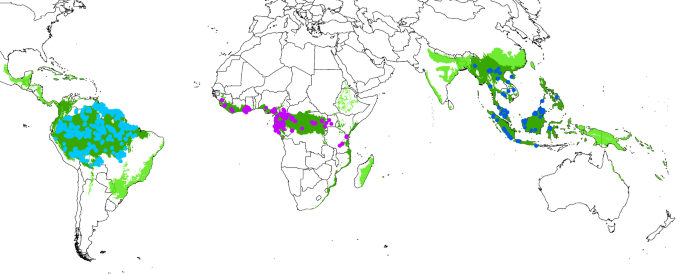
A new study led by University College London researchers has found that just 2% of rainforest tree species make up 50% of the trees in tropical forests across Africa, the Amazon, and south-east Asia. The international collaboration of 356 scientists uncovered similar patterns of tree diversity across the world's rainforests, with a few dominant tree species and thousands of rare species making up the rest. The findings have profound implications for understanding tropical forests and their response to environmental changes, as well as the global carbon sink they provide. The research indicates the existence of fundamental rules governing the assembly of all the world's tropical forests, and future work will focus on identifying this potential rule.

science-and-environment2 years ago

Unveiling the Key Species of Tropical Forests

A study analyzing tree species abundance in tropical forests across Africa, Amazonia, and Southeast Asia found consistent patterns of commonness, with a small number of species comprising the majority of trees in each region. The study estimates that just over 100 species account for 50% of the trees in each region, and extrapolates these findings to suggest that approximately 1,100 tree species may dominate tropical forests worldwide. The results highlight the importance of focusing research efforts on understanding the biology of these common tree species to gain insights into tropical forest ecology and their response to environmental change.

environment2 years ago

"Climate Change Threat: Rising Tree Temperatures Pose Severe Consequences"

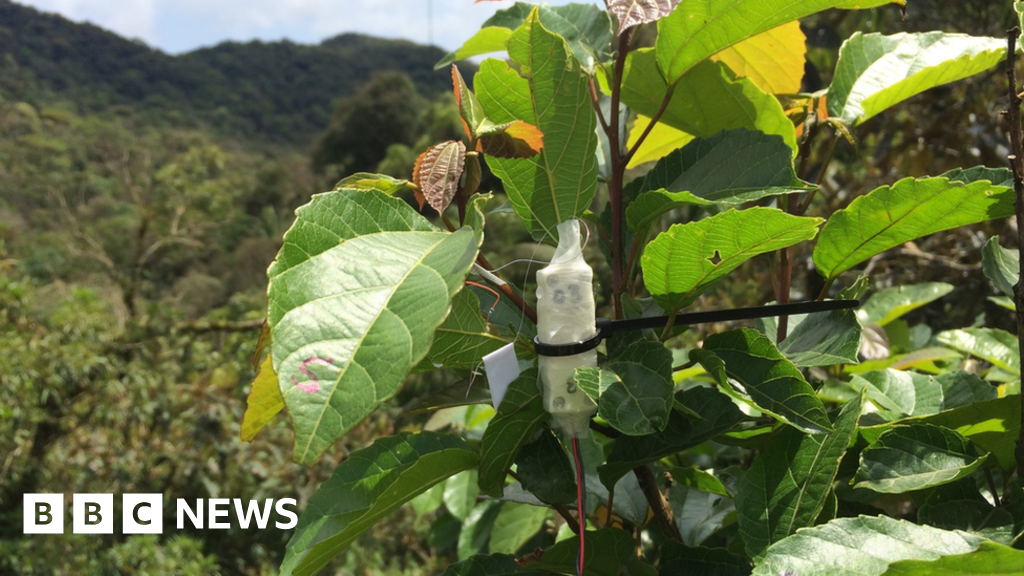
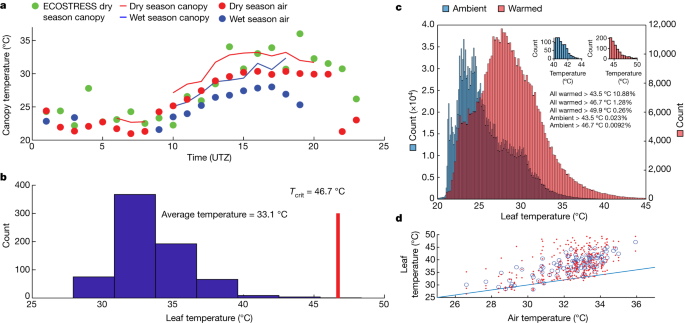
A new study warns that rising temperatures are causing trees to reach temperatures at which they can no longer function, with potential severe consequences for tropical forests. Researchers found that a small percentage of tropical leaves are already exceeding critical temperature thresholds, and if climate change continues, entire canopies could die. Tropical forests are crucial for biodiversity and climate regulation. The study highlights the need for climate mitigation efforts to protect these critical ecosystems.

environment2 years ago

"Climate Crisis: Tropical Forests on the Brink of Heat Extremes"

Tropical forests are approaching critical temperature thresholds due to global warming, which could lead to the collapse of their ability to transform sunlight and CO2 into energy, according to a study. Some upper canopy leaves have already reached temperatures above 47 degrees Celsius, preventing photosynthesis. If the average surface temperature of tropical forests warms 4C above current levels, total leaf death is predicted. The study suggests that leaf death could contribute to the transition of tropical forests into savannah-like landscapes. If temperatures continue to rise, mass mortality among the canopies could occur in a little over a century. Deforestation and increased fragmentation of forests are exacerbating the problem.

environment2 years ago

Tropical Forests on the Brink: Impending Leaf Death and Photosynthesis Crisis

Tropical forests are approaching critical temperature thresholds, according to a study that analyzed the heat tolerance of 147 tropical forest species. The research found that leaf heat tolerance varied with elevation and leaf functional traits, but not with phylogeny. The study highlights the need to address climate change and protect tropical forests, as rising temperatures could have significant impacts on their biodiversity and ecosystem functioning. Data and code related to the study are available for further analysis.

science2 years ago

"Social Distancing: How Tropical Trees Preserve Biodiversity"

Researchers at The University of Texas at Austin have discovered that adult trees in a Panamanian forest are three times as distant from other adults of the same species as expected, indicating a form of social distancing. Using computational models and data collected over 30 years, the study found that each tree species is negatively affected by its own kind, likely due to species-specific enemies such as pathogens and herbivores. This repulsion allows for the establishment of other species, promoting biodiversity and preventing dominance. The findings contribute to understanding the dynamics of carbon storage and the maintenance of biodiversity in tropical forests.

science-and-environment2 years ago

NASA's Space Laser Unveils Rainforest Canopy Mystery

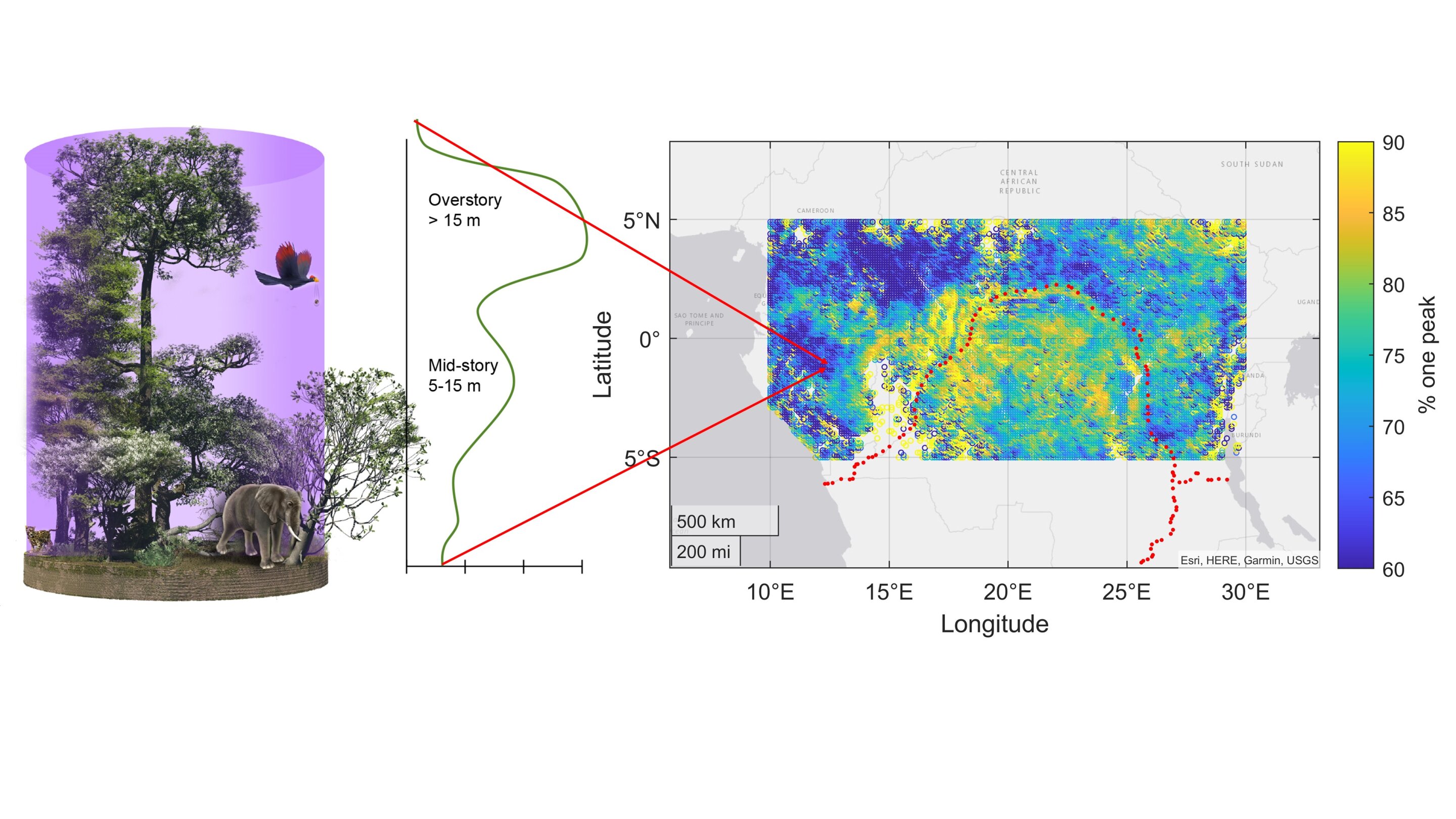
NASA's Global Ecosystem Dynamics Investigation (GEDI), a space laser, has provided the first detailed structure of the world's rainforest canopies, revealing that they are simpler and more exposed to sunlight than previously thought. The data also debunked the theory that canopies are fullest at the top, showing that most tropical forests have a peak in the number of leaves at 15 meters. This research is crucial for understanding tropical ecosystems, biodiversity, and the impact of climate change on rainforest animals.

environment2 years ago

Global Deforestation Crisis Escalates Despite Promises and Efforts.

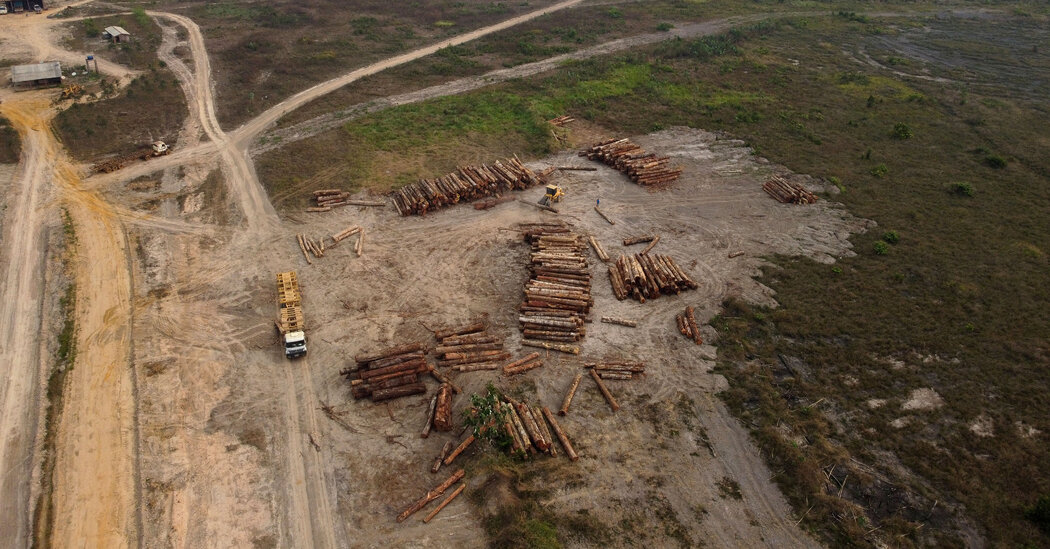
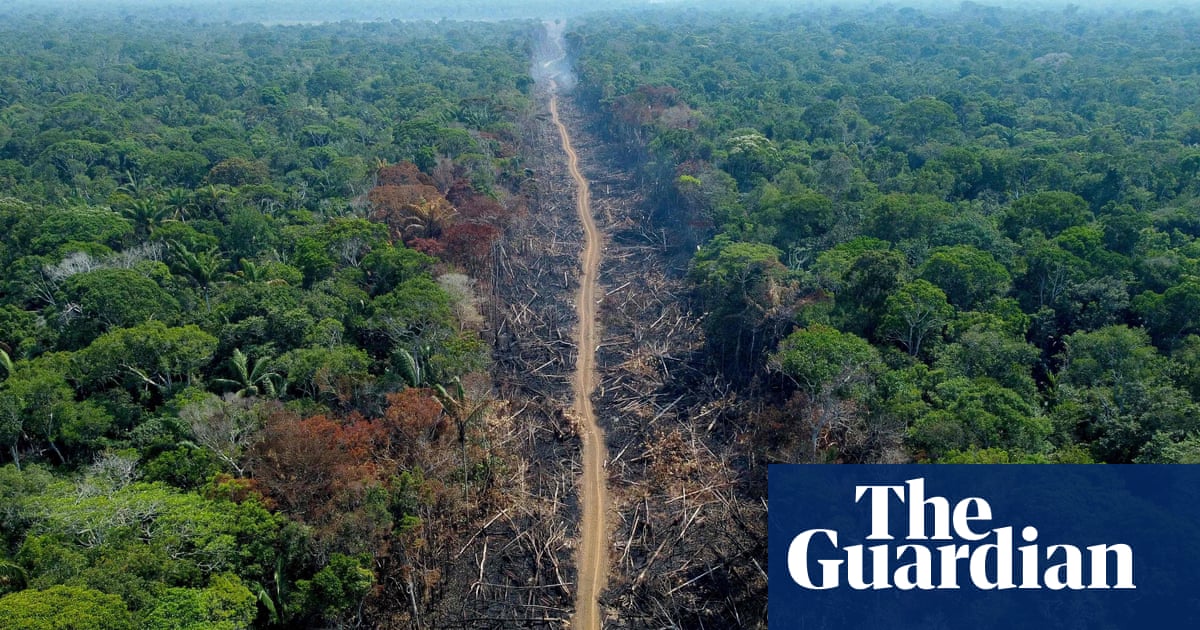
Despite global commitments to halt deforestation by 2030, the world lost 10.2 million acres of primary rainforest in 2022, a 10% increase from the year before, according to an annual survey by the World Resources Institute. The destruction resulted in 2.7 gigatons of carbon dioxide emissions, equivalent to India's annual fossil fuel emissions. Brazil, the country with the largest portion of tropical rainforest, had the highest rates of deforestation globally, followed by the Democratic Republic of Congo and Bolivia. However, Southeast Asia's efforts to curb deforestation yielded positive results.

environment2 years ago

The High Cost of Protecting Tropical Forests: Billions Needed Annually.

At least $130bn a year is needed to protect the most at-risk areas of tropical forest by the end of the decade, alongside reductions in beef and dairy consumption and government bans on deforestation, a thinktank has warned. Currently, finance to protect forests averages between $2bn and $3bn a year. The report estimates that eliminating the economic incentive to destroy forests for cattle ranching, agriculture and other uses would cost at least $130bn a year. The money could come from carbon markets, wealthy governments and philanthropists, but there must also be urgent actions such as a ban on clearing forests, developing businesses that rely on standing forests and reducing demand for commodities linked to deforestation.