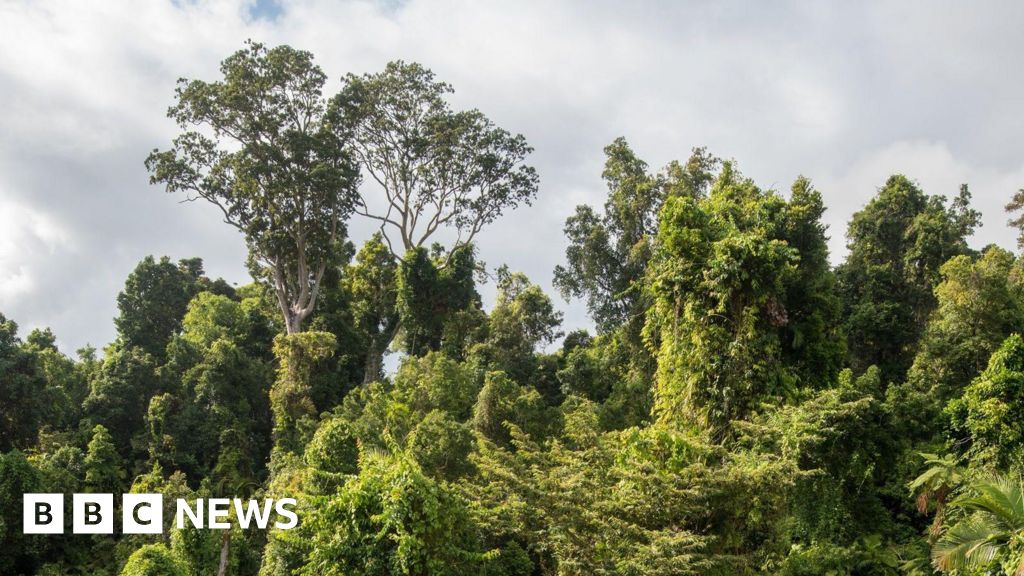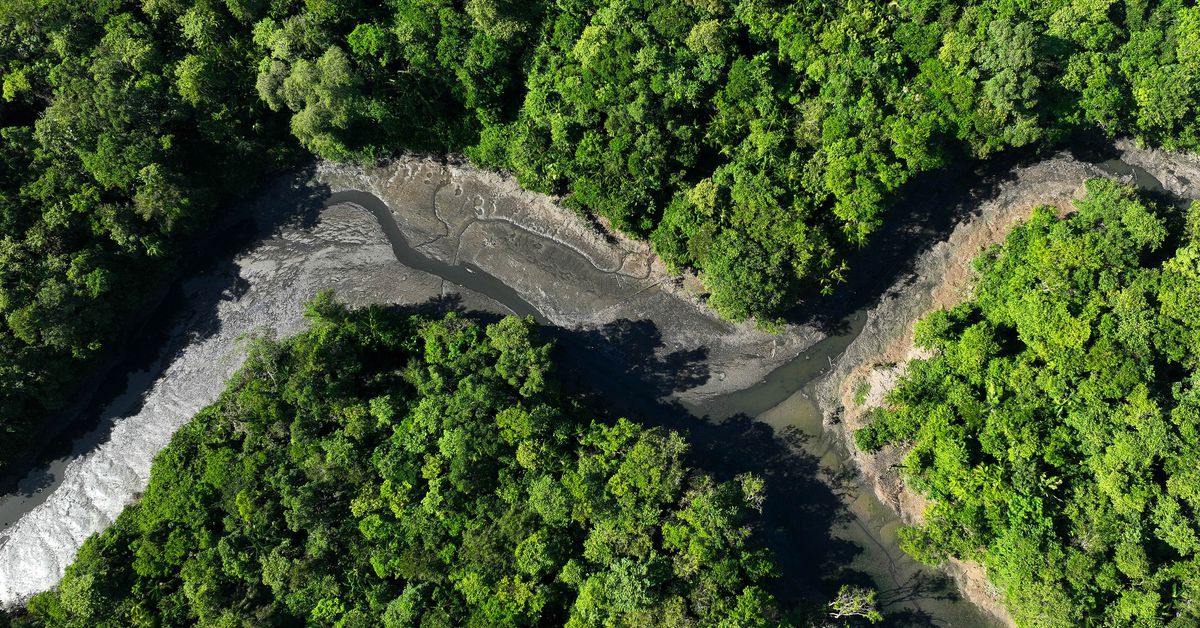
Australia's tropical rainforests are now releasing more carbon than they absorb due to climate change-induced factors like extreme temperatures and drought, threatening their role as carbon sinks and complicating global emissions reduction efforts, according to a study in Nature.
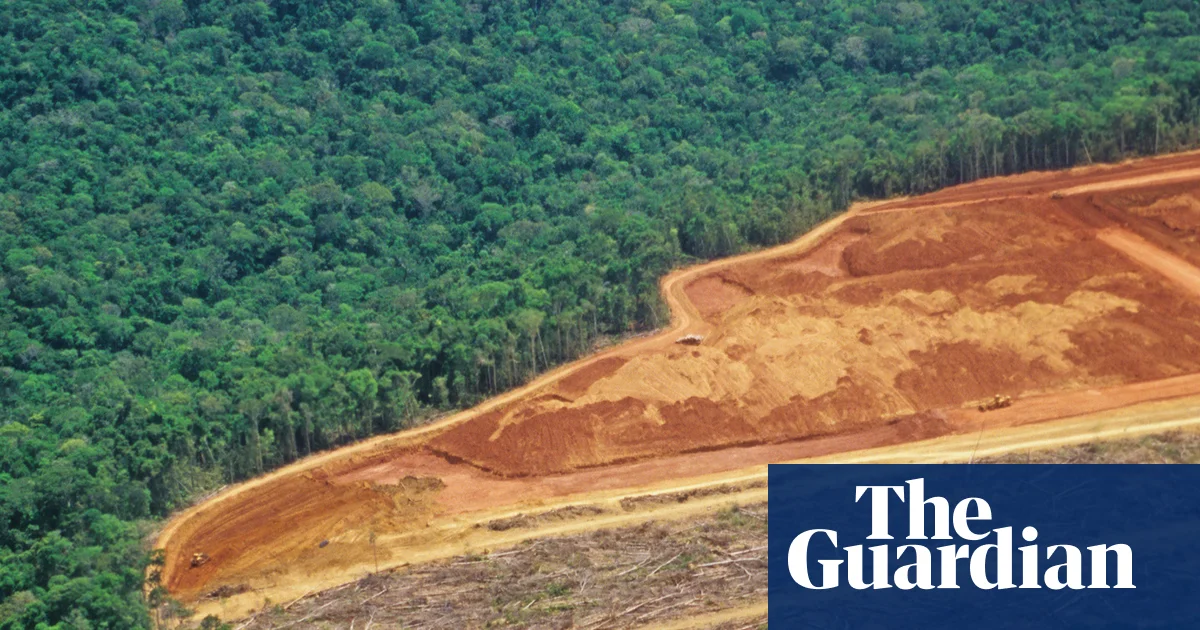
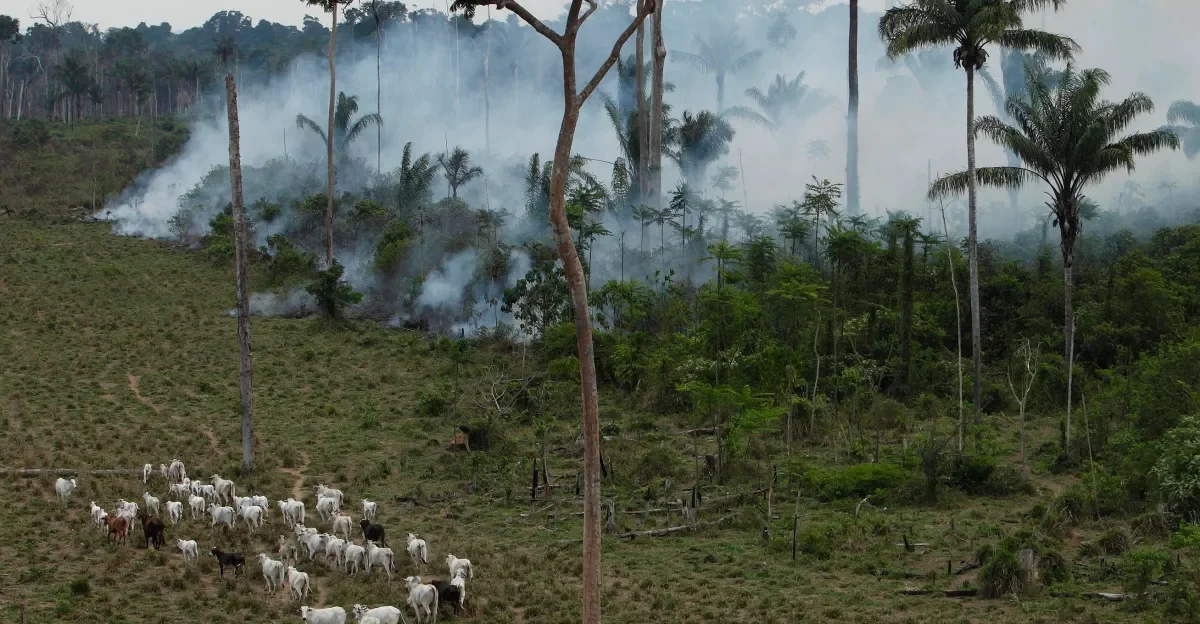
A study finds that deforestation in the tropics over the past 20 years has caused over half a million deaths due to heat-related illnesses, highlighting the direct human toll of forest loss and its contribution to regional warming and climate disruption.
The article highlights how American demand for tropical wood used in motor homes is driving deforestation in Indonesian Borneo, leading to the destruction of large rainforest areas and threatening local wildlife and ecosystems.
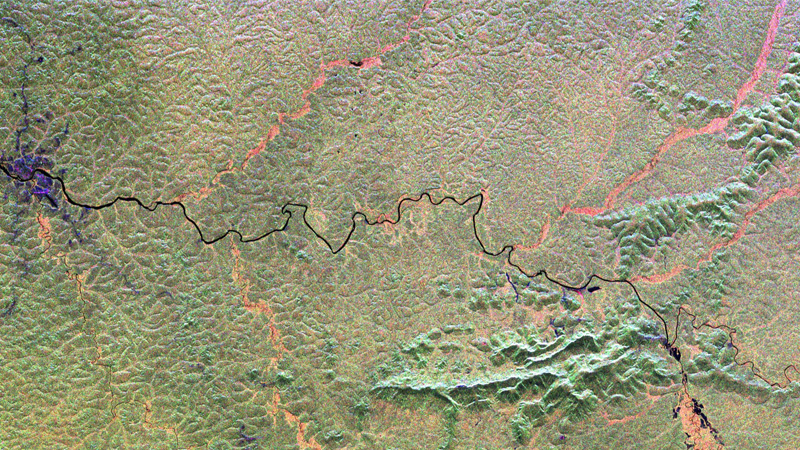
A new satellite equipped with advanced radar technology, Biomass, launched from French Guiana, is providing unprecedented insights into remote rainforests and glaciers, helping scientists map forest structures and monitor deforestation and glacier movement more accurately, which is crucial for understanding carbon storage and climate change impacts.
A new study led by University College London researchers has found that just 2% of rainforest tree species make up 50% of the trees in tropical forests across Africa, the Amazon, and south-east Asia. The international collaboration of 356 scientists uncovered similar patterns of tree diversity across the world's rainforests, with a few dominant tree species and thousands of rare species making up the rest. The findings have profound implications for understanding tropical forests and their response to environmental changes, as well as the global carbon sink they provide. The research indicates the existence of fundamental rules governing the assembly of all the world's tropical forests, and future work will focus on identifying this potential rule.
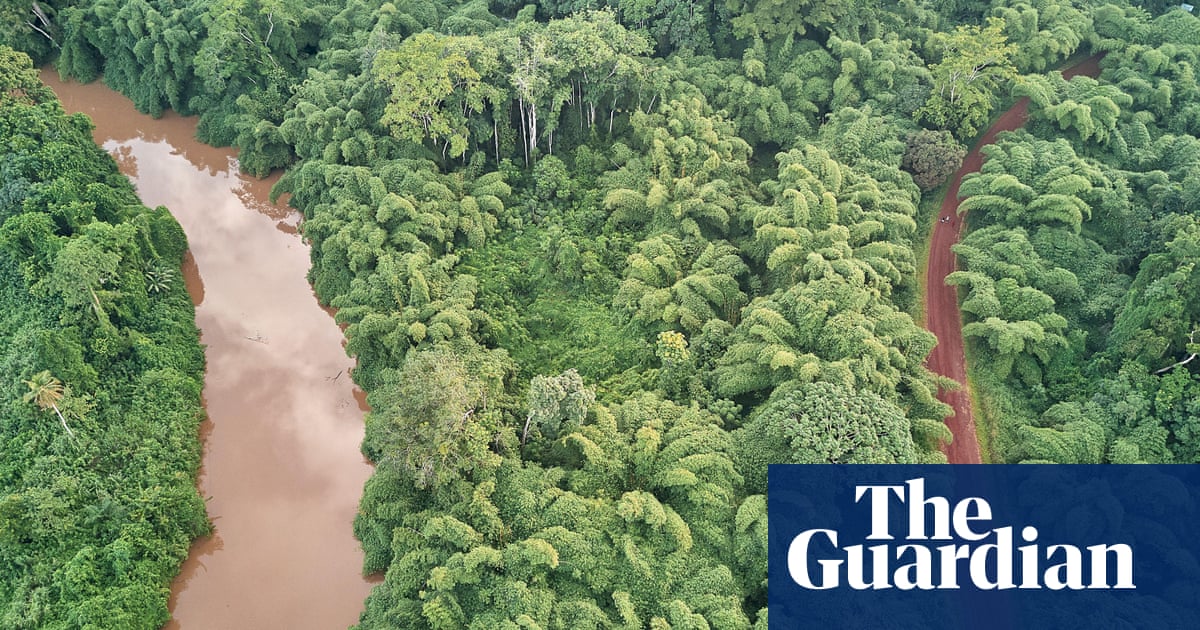
The countries hosting the world's major rainforests, including the Amazon, the Congo basin, and forests in Southeast Asia, have agreed to cooperate in order to combat deforestation and protect biodiversity. However, they fell short of forming a concrete alliance to safeguard these vital carbon sinks. The three basins are home to two-thirds of Earth's biodiversity, but deforestation is releasing carbon dioxide and jeopardizing global climate targets. The countries recognized the need for collaboration and outlined a seven-point plan to protect the forests. Environmental organizations have called for further efforts to halt deforestation and enhance collaboration between the regions.
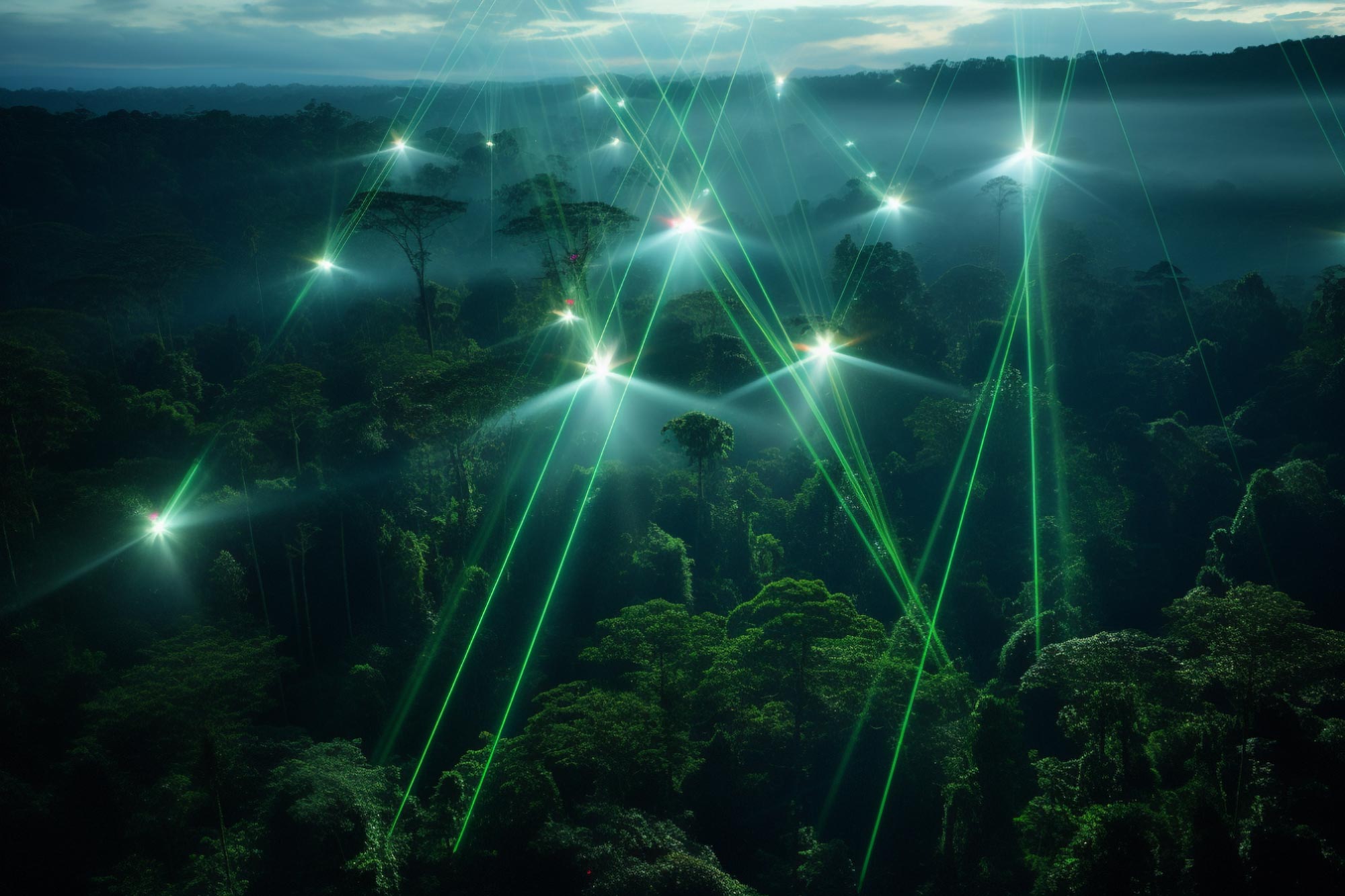
NASA's space laser, GEDI, has provided a groundbreaking, detailed structural view of the world's rainforests, revealing a simpler canopy structure with a peak leaf concentration at 15 meters instead of at the top. This new understanding could have significant implications for biodiversity, species' adaptation to climate change, and the carbon storage capacity of forests. GEDI's three-dimensional canopy measurements offer crucial vertical information that conventional satellites lack, helping researchers understand ecosystem dynamics, carbon storage, and biodiversity. The findings challenge previous theories and highlight the importance of rainforest structure in understanding tropical forest animals' susceptibility to climate change and the forests' role in fighting climate change.
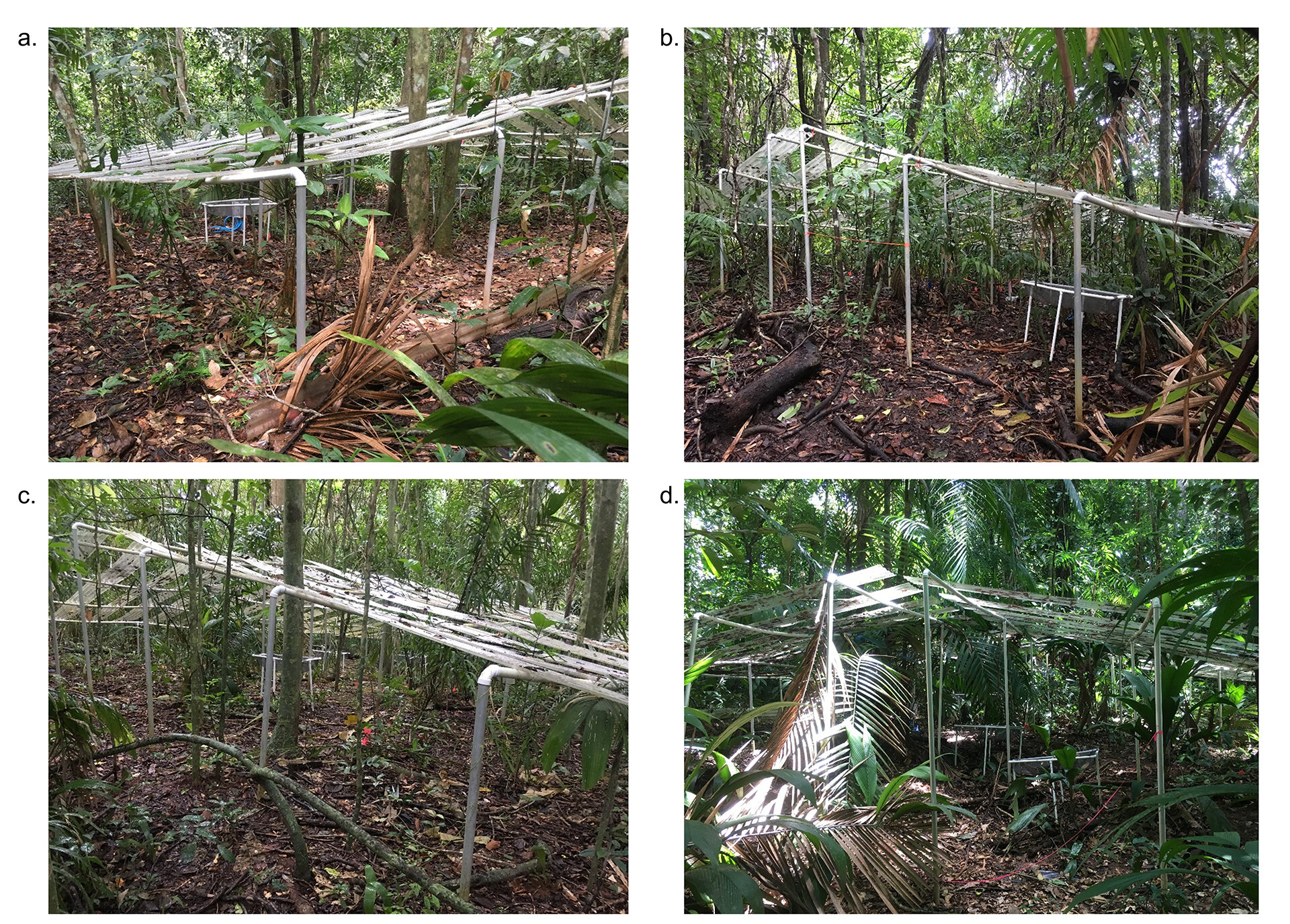
Climate change-induced drying in tropical rainforests leads to carbon loss from the most fertile soils, which play an important role in how much carbon is released and when. Soil nutrients seem to have as big an effect as soil moisture, necessitating updates to predictive models. Different tropical forests will respond to climate change differently and on different time frames, and that fertile soils may be the first to react with big carbon losses across the tropics.