Tag

Mass Extinction

All articles tagged with #mass extinction

Earth May Reassemble into a New Supercontinent, Bringing Drastic Climate Shifts and Extinction Risks
science12 days ago

Earth May Reassemble into a New Supercontinent, Bringing Drastic Climate Shifts and Extinction Risks

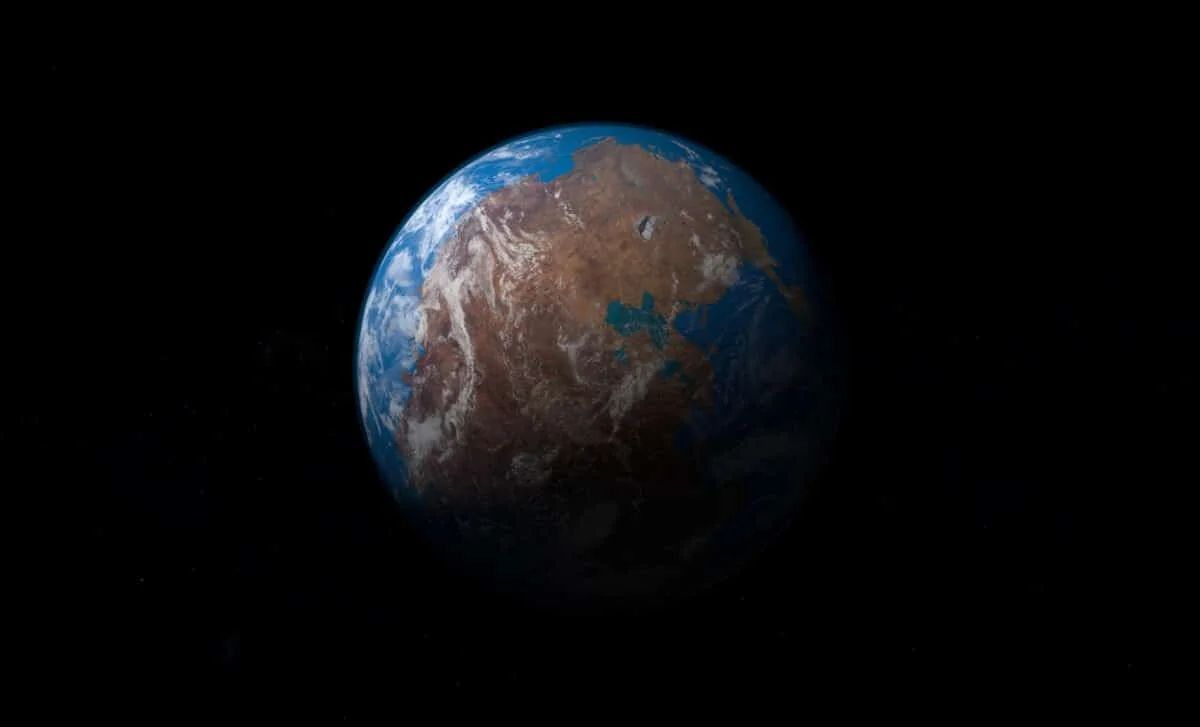
Scientists outline four possible future supercontinents—Novopangea, Pangea Proxima, Aurica, and Amasia—each arising from how today’s oceans evolve, with climate models predicting divergent outcomes (cooling and expanded ice in some scenarios, warmer, drier conditions in Aurica, and potential widespread glaciation in Amasia). While these projections show strikingly different worlds, they share high uncertainty and stress that substantial ecological disruption or extinction could accompany a new planetary union; humanity’s long-term survival may hinge on living in harmony with Earth's ecosystems.
science28 days ago

Cambrian Fossil Trove Finds 90 New Species Surviving Deep Waters After Mass Extinction

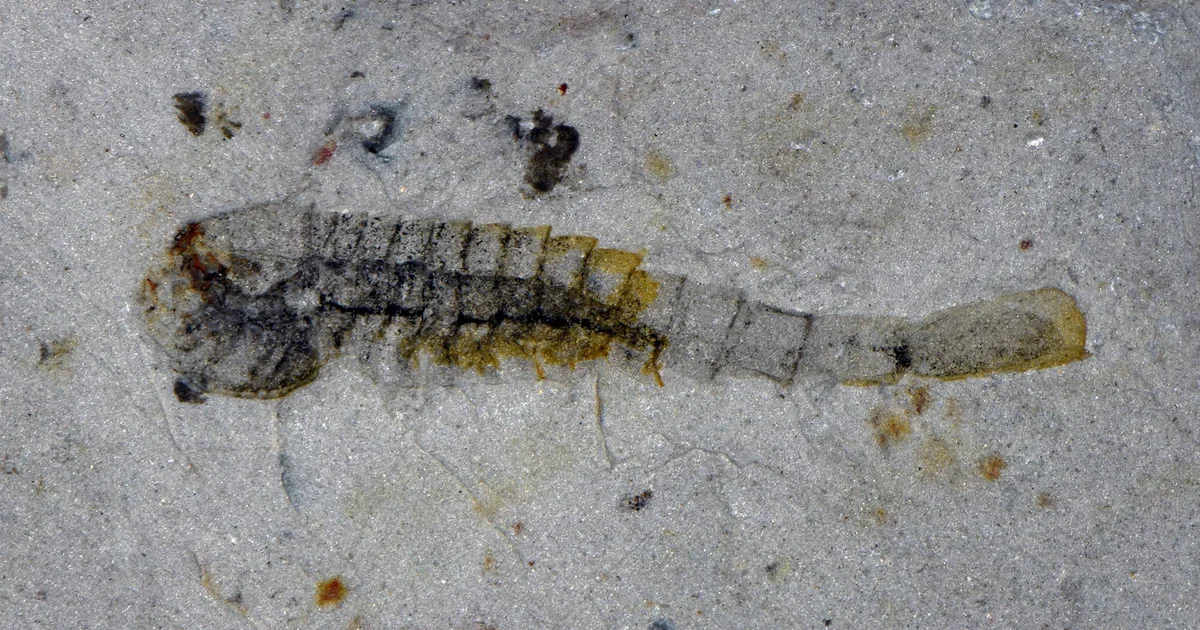
China’s Huayuan biota from about 512 million years ago yielded 153 species, with roughly 90 new to science. The fossils show soft-bodied anatomy (gills, guts, eyes, nerves) and include radiodont apex predators, indicating deep-water ecosystems endured the Sinsk mass extinction around 513 million years ago even as shallow-water life was decimated, revealing surprising Cambrian diversity.

China quarry yields 150 Cambrian species, revealing post-extinction life
science1 month ago

China quarry yields 150 Cambrian species, revealing post-extinction life

A Chinese team in Hunan uncovered over 50,000 fossils from a small quarry dating to about 512 million years ago, capturing more than 150 species (91 new to science) with soft tissues preserved. The Huayuan biota, from just after the Sinsk mass extinction, offers new insights into early animal life and shows surprising connections to the Burgess Shale, implying early larval dispersal and rapid post-extinction recovery during the Cambrian explosion.

Fossil Evidence Shows Dinosaurs Thrived in North America Before Extinction
science4 months ago

Fossil Evidence Shows Dinosaurs Thrived in North America Before Extinction

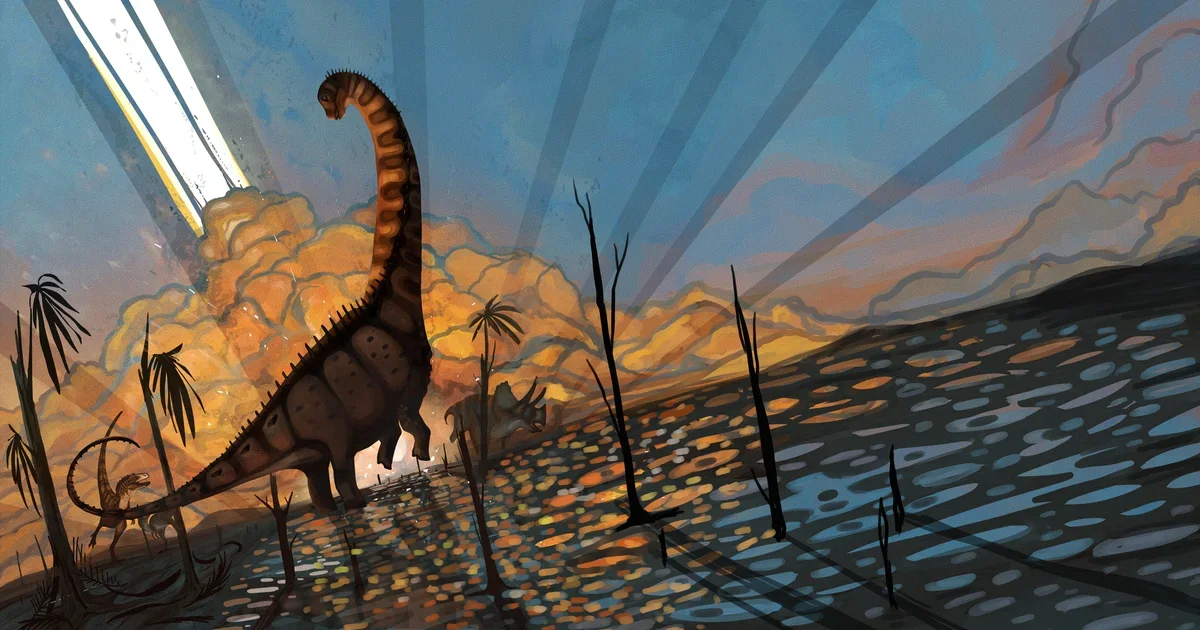
New research indicates that dinosaurs in North America were still thriving just before the asteroid impact 66 million years ago, with fossils from the last moments of the Cretaceous period showing diverse and large species like Tyrannosaurus rex, Triceratops, and Alamosaurus, challenging the idea that dinosaurs were in decline before their extinction.

Siberian Meteorite Impact Formed Earth's Saturn-Like Rings and Massive Diamond Crater
science5 months ago

Siberian Meteorite Impact Formed Earth's Saturn-Like Rings and Massive Diamond Crater

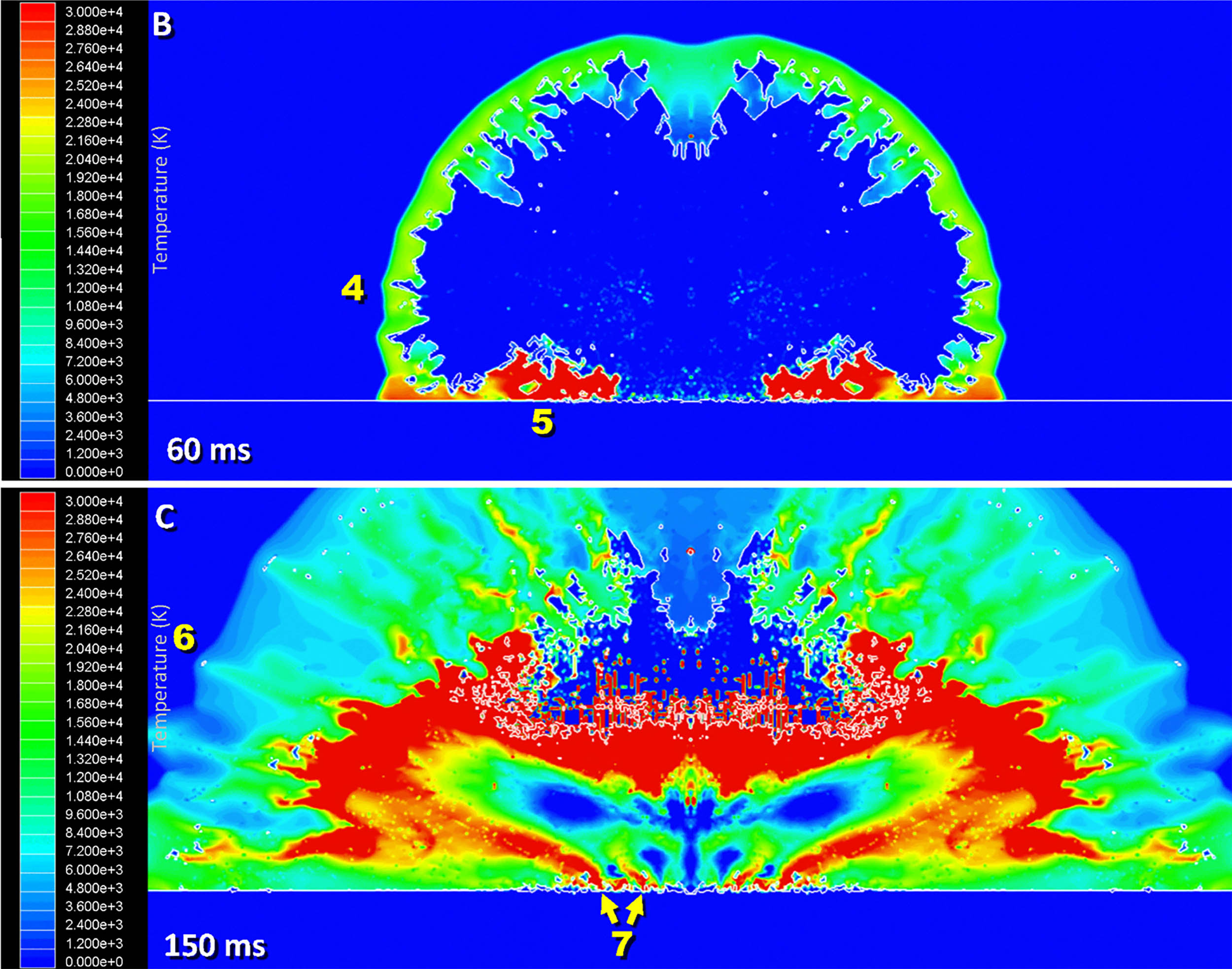
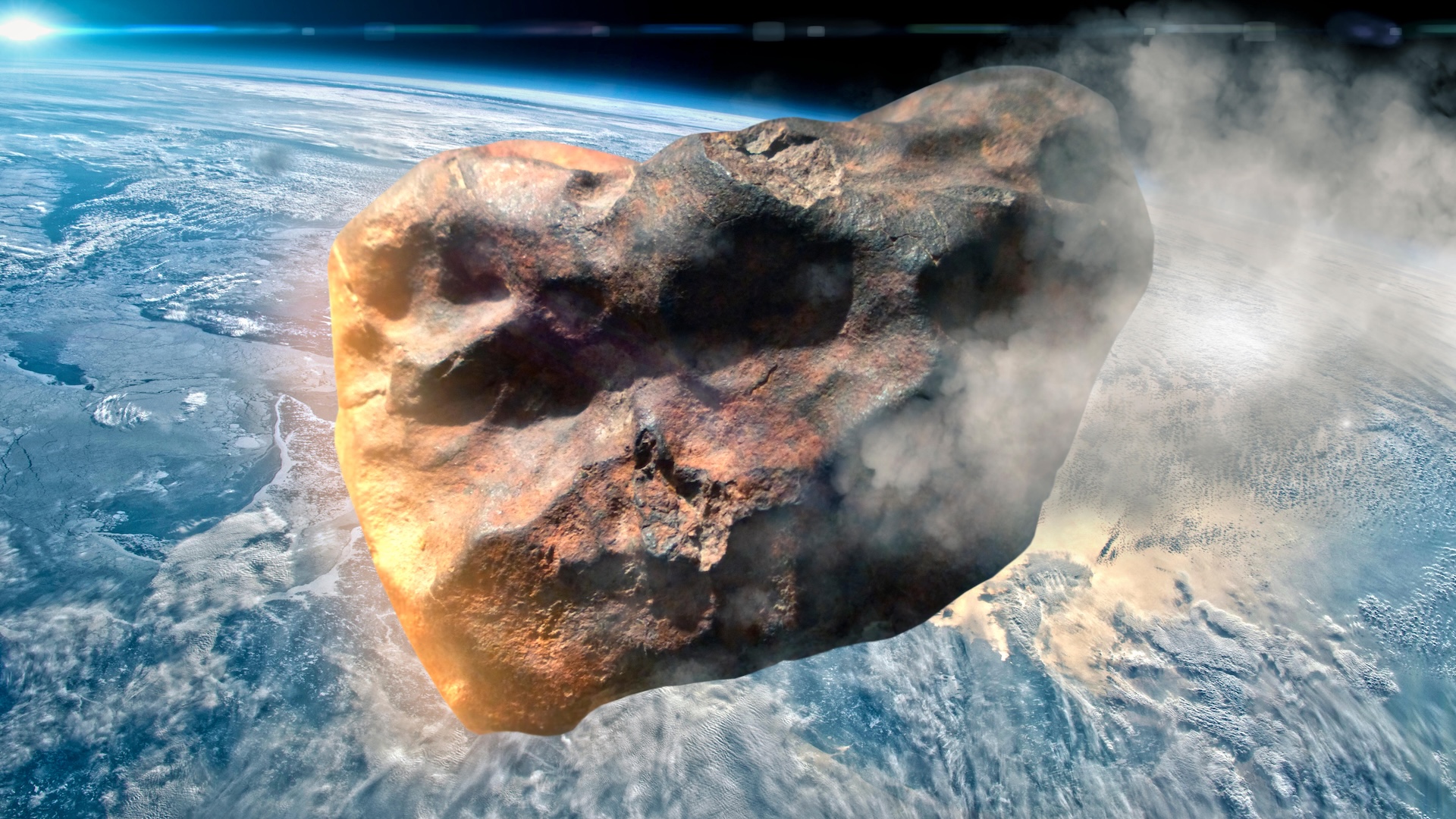
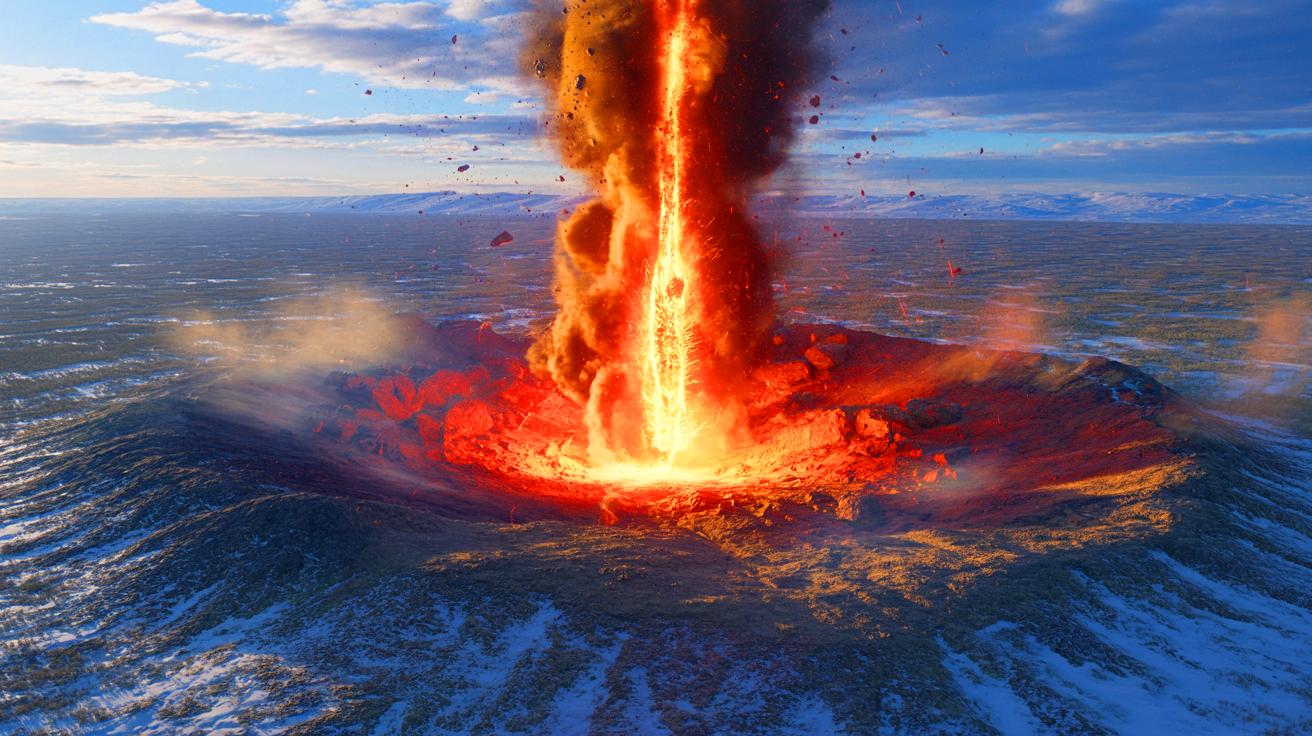
Approximately 34 million years ago, a massive meteorite impact created the Popigai crater in Siberia, transforming graphite into industrial diamonds and contributing to a global cooling event that led to the Eocene–Oligocene extinction, with impacts and volcanic activity significantly reshaping Earth's biodiversity and climate.

Are We Heading Toward the Sixth Major Mass Extinction?
environment6 months ago

Are We Heading Toward the Sixth Major Mass Extinction?

The article discusses the potential for human-induced climate change to trigger a sixth major mass extinction, drawing parallels with past catastrophic events like the Permian extinction caused by massive volcanic eruptions and CO2 overloads, emphasizing that the rapid rate of current CO2 emissions could push Earth beyond its capacity to recover, leading to irreversible damage to global biodiversity.

African Fossil Discoveries Reveal Insights into Earth's Largest Mass Extinction
science6 months ago

African Fossil Discoveries Reveal Insights into Earth's Largest Mass Extinction

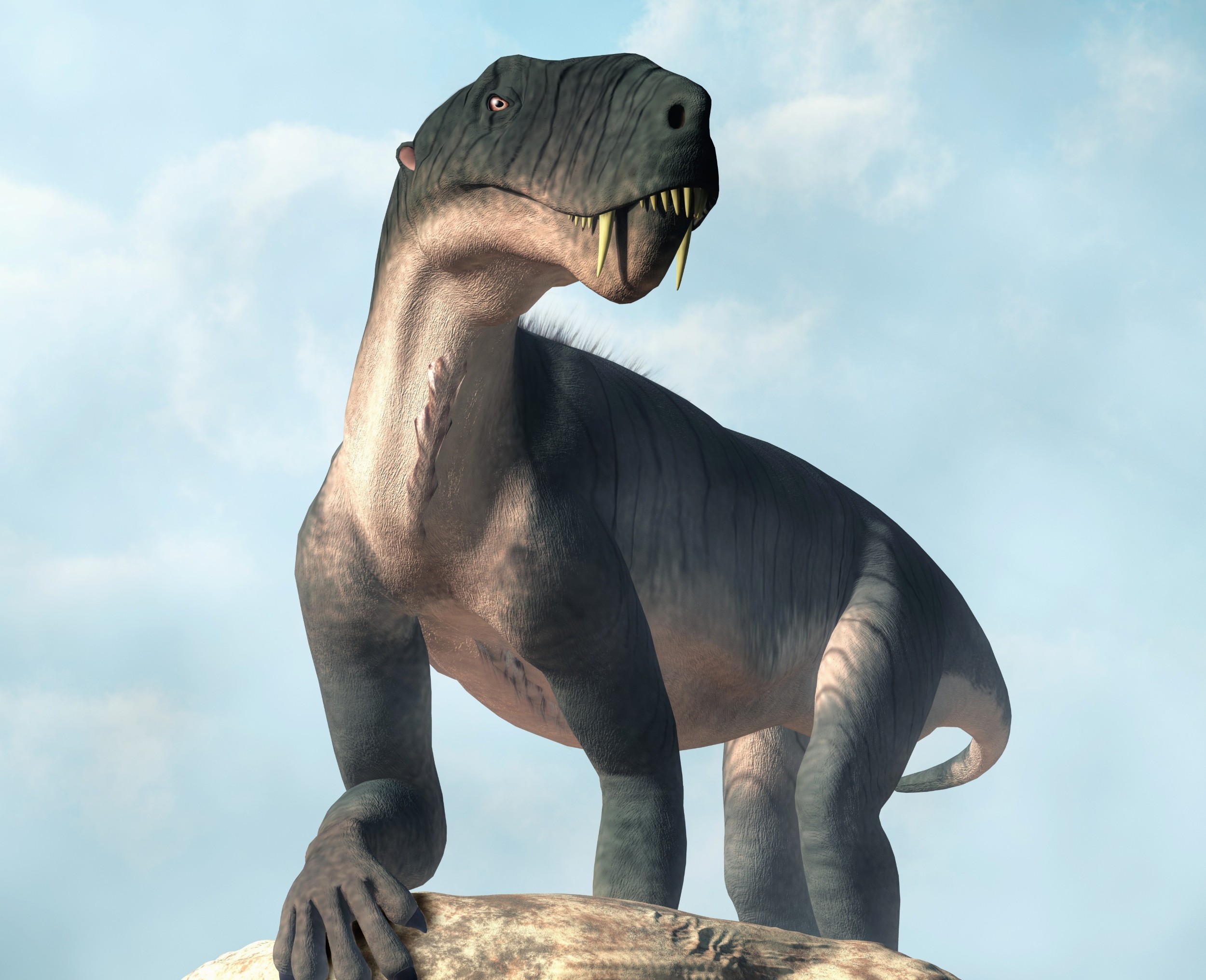
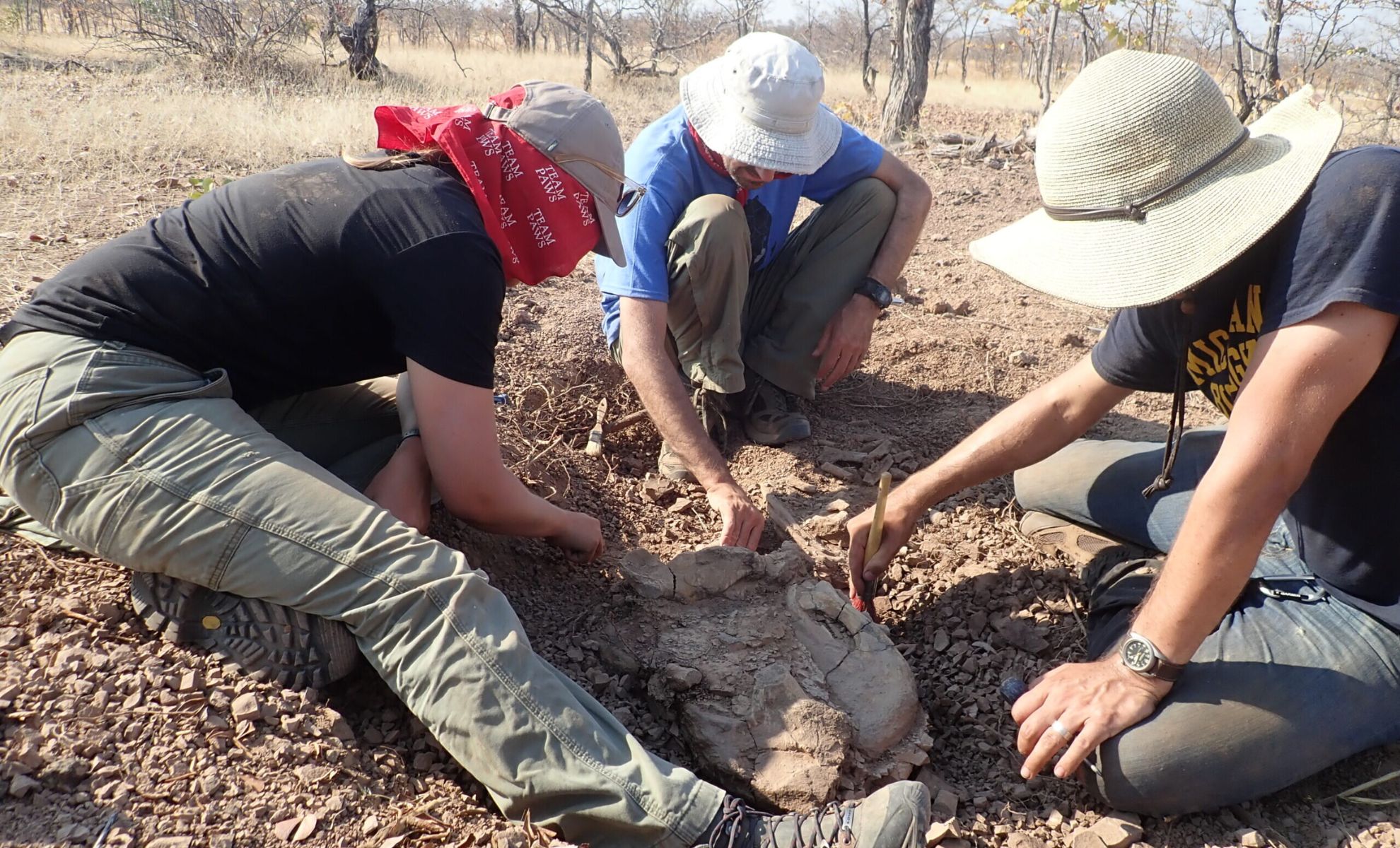
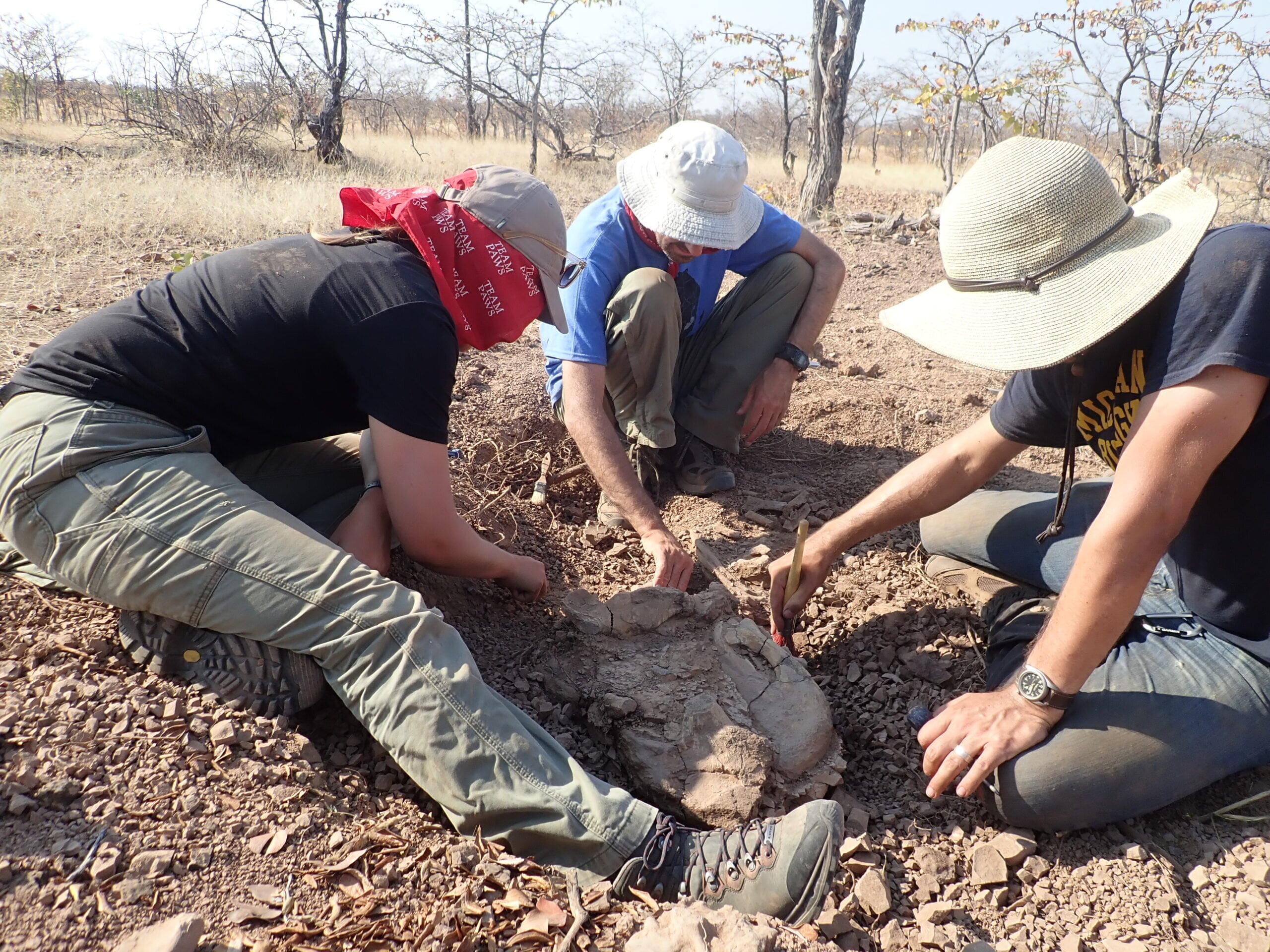
An international team of paleontologists has uncovered a rich collection of Permian fossils in Africa, providing new insights into the species that lived before the Earth's largest mass extinction, the Great Dying, about 252 million years ago, and helping to better understand the evolution and resilience of life on Earth.