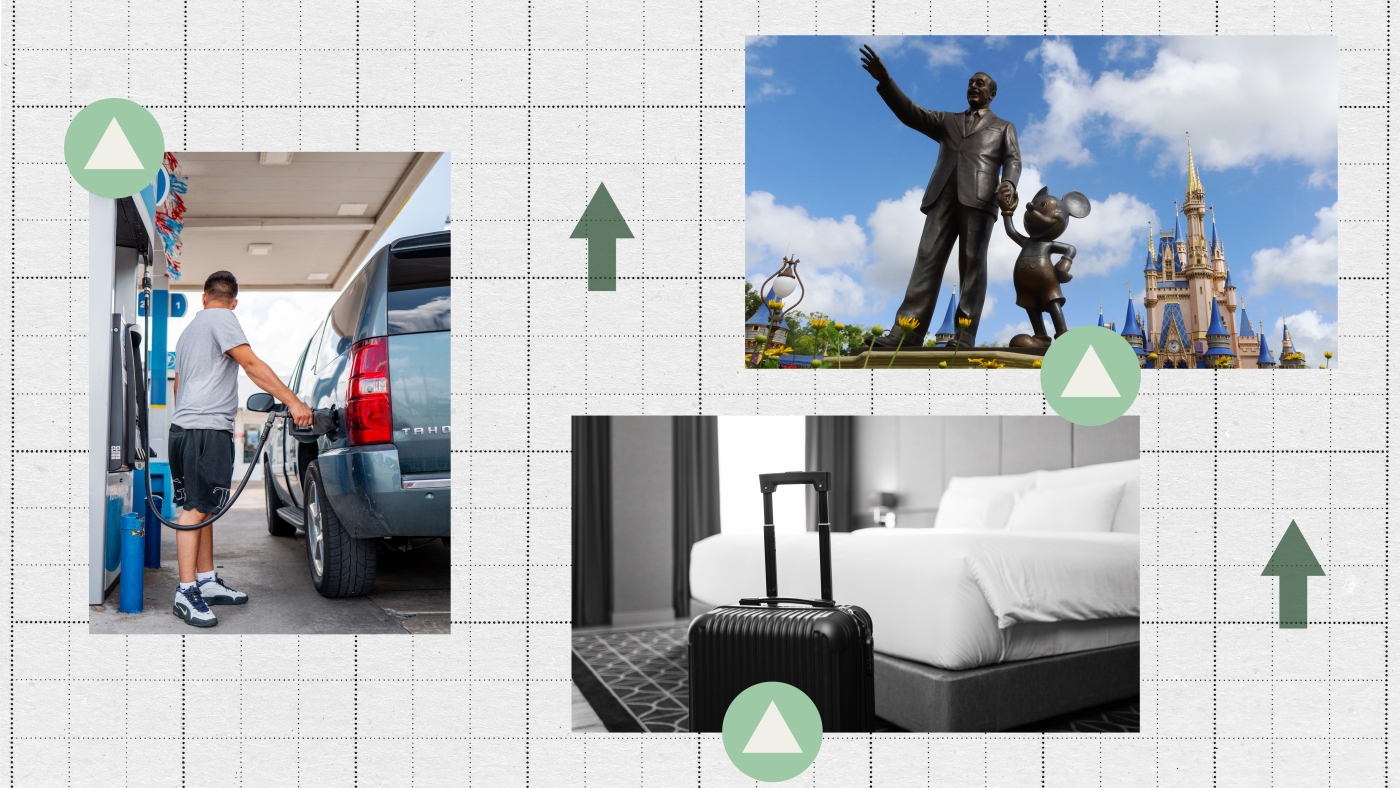
Rising costs, including gas, lodging, and food, have increased travel expenses by 20% since 2019, leading Americans to cut back on trips, favor domestic and road trips, and seek more affordable options due to reduced discretionary income caused by inflation.
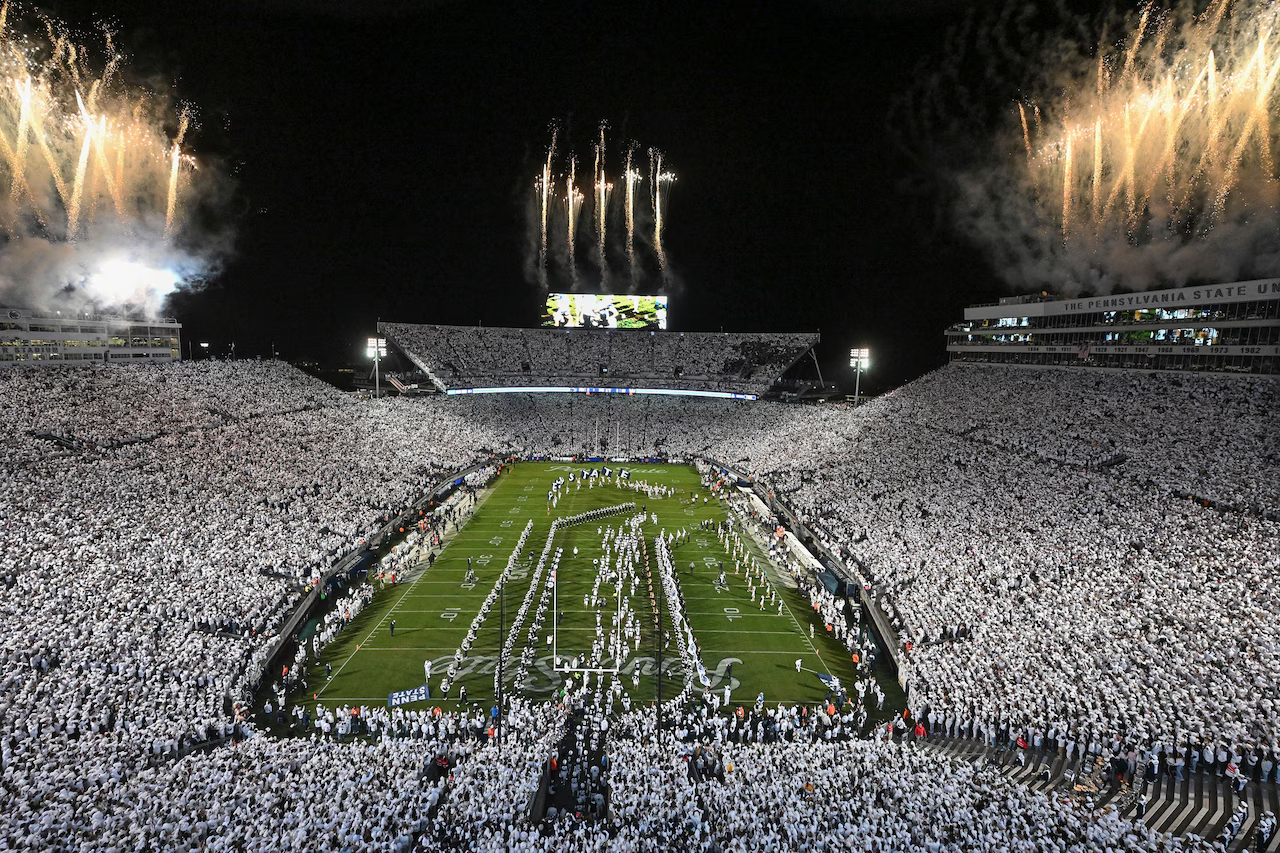
Oregon football fans are traveling extensive distances, incurring high costs and logistical challenges, to attend the big game at Penn State, reflecting the increased travel demands and expenses since Oregon joined the Big Ten conference.
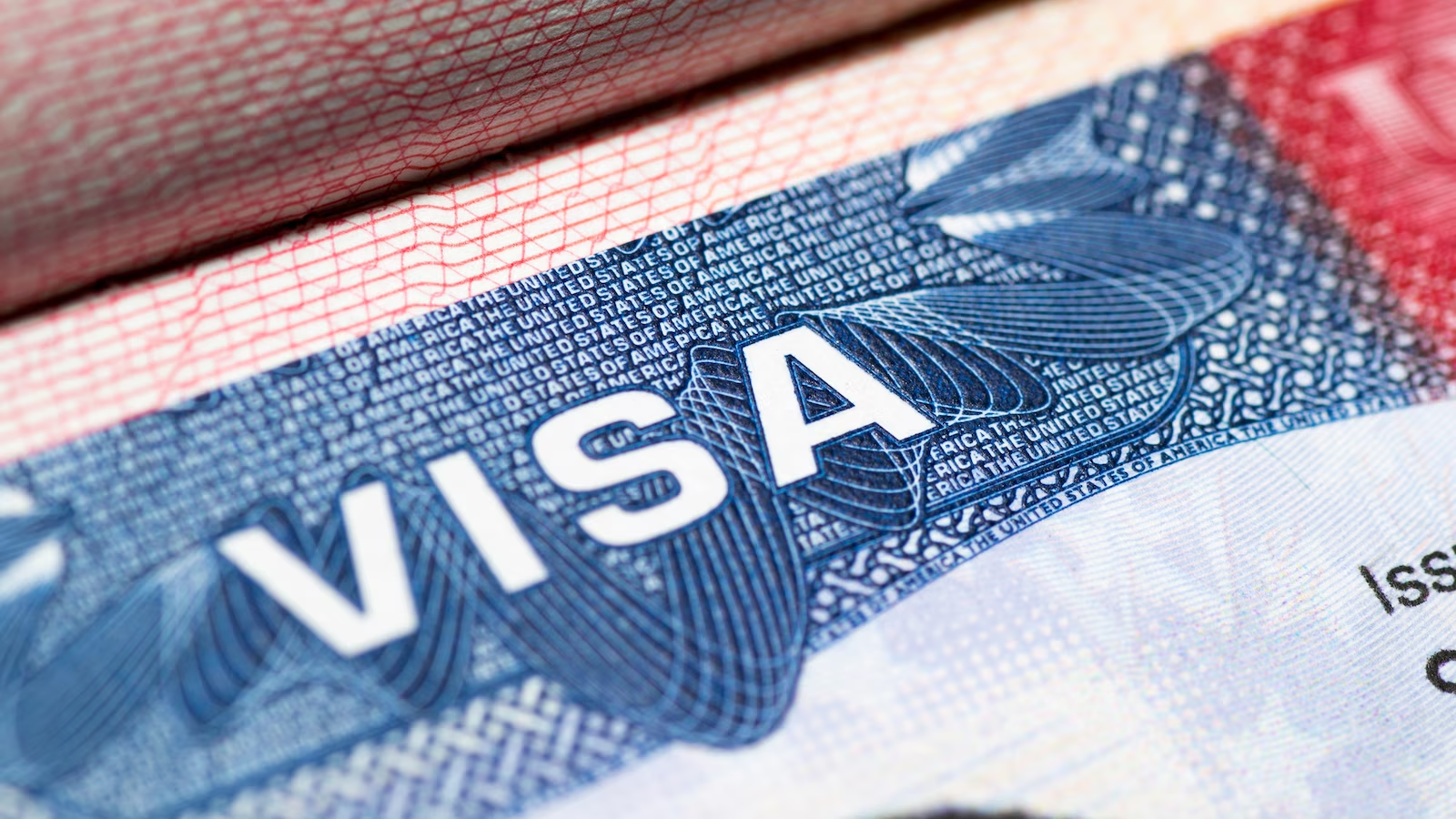
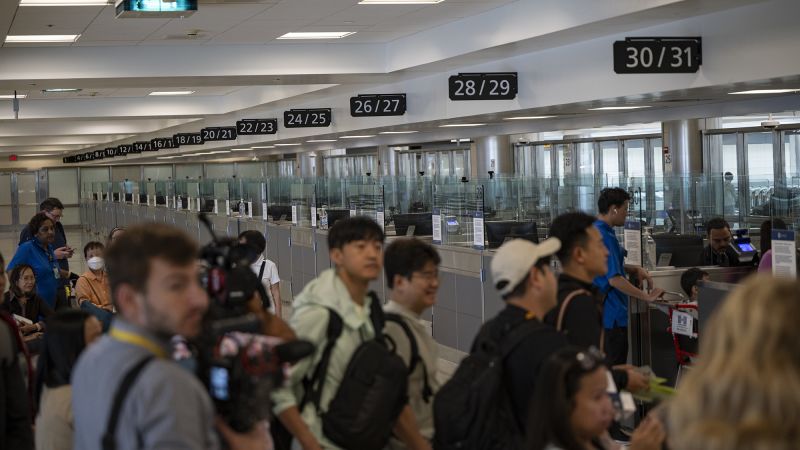
A new $250 visa fee in the US, raising total costs to $442, threatens to deepen the decline in international travel, especially from non-visa waiver countries, amid ongoing immigration crackdowns and geopolitical tensions, potentially impacting tourism revenue and global perceptions of the US as a travel destination.
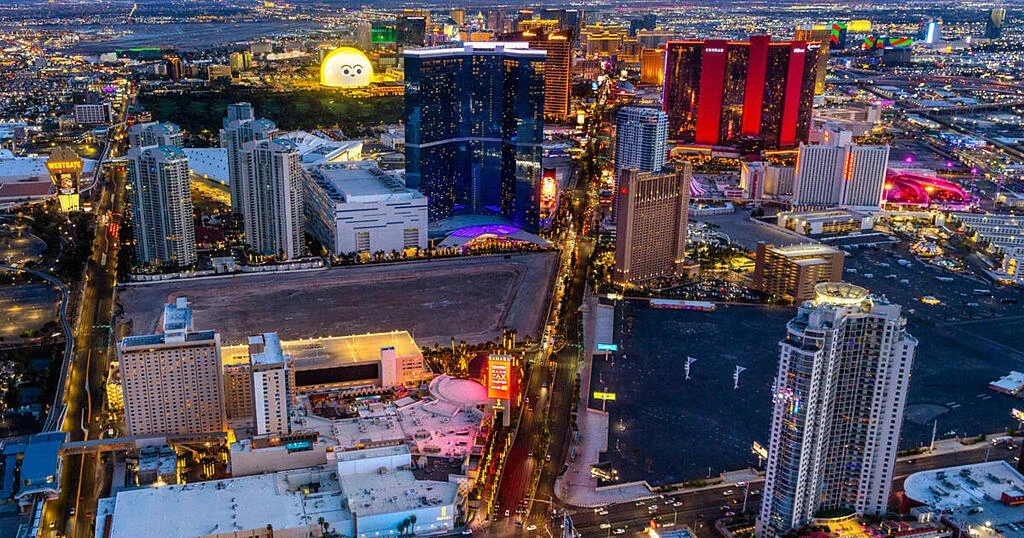
Las Vegas experienced a sixth consecutive month of declining visitors, with a 12% drop compared to last year, but local officials remain optimistic, citing strong casino revenues and ongoing promotional efforts to attract travelers despite concerns about overpricing and international travel challenges.
Gas prices are at a five-year low for Labor Day, driven by increased American energy production under President Trump, leading to savings on gas, airfare, and hotel rates for travelers.
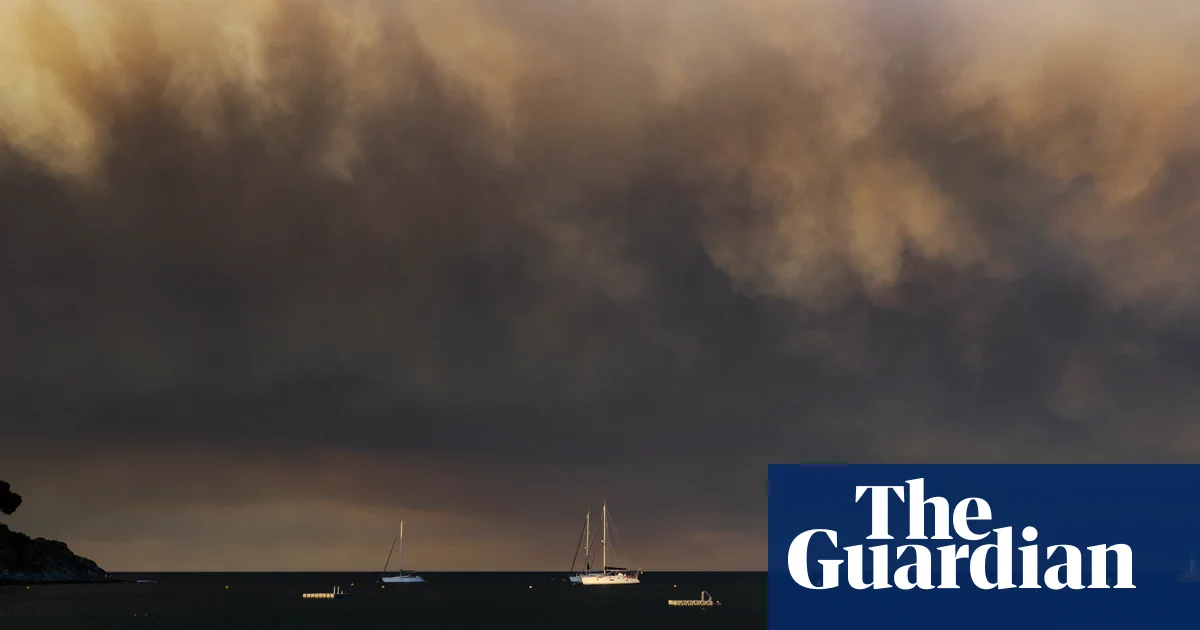
Leading researcher Stefan Gössling warns that climate change-induced heatwaves, wildfires, and rising travel costs could lead to a significant decline in international tourism, potentially ending the era of mass tourism within the next 80 years due to environmental and economic pressures.
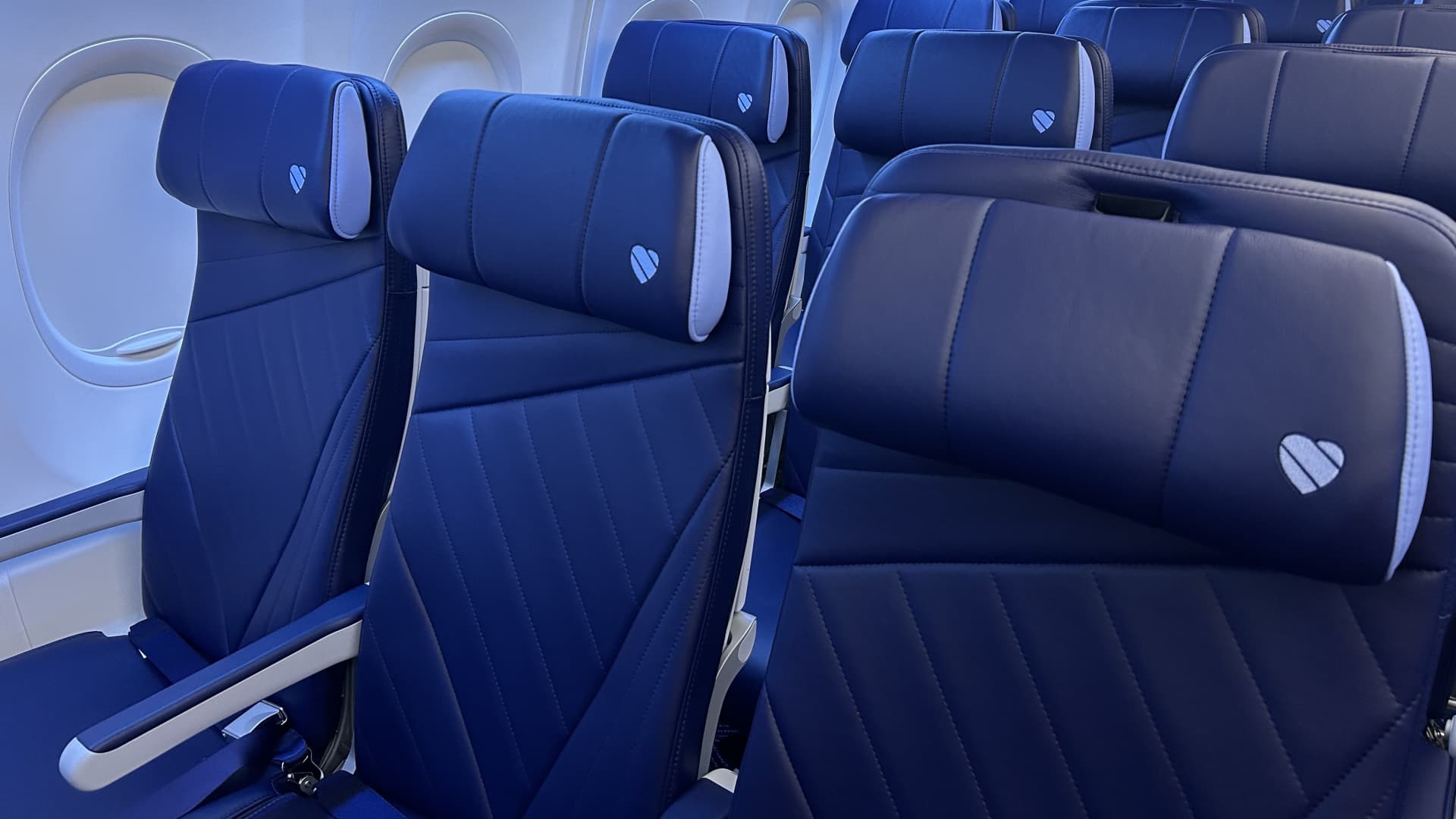
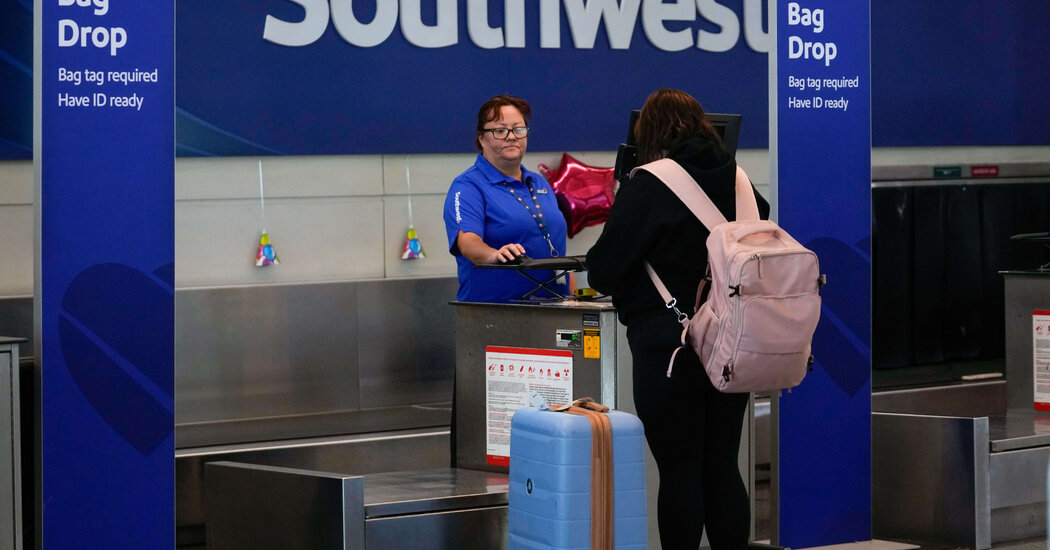
Southwest Airlines is introducing assigned seating starting January 2024, with prices varying based on route, seat type, and ticket class, potentially adding hundreds to travel costs. Preferred and extra-legroom seats cost more, while loyal customers and credit card holders may receive perks. The change marks a shift from Southwest's traditional open seating model and aligns with industry trends of increasing ancillary revenue through seat and bag fees.
A new $250 'visa integrity fee' for US tourist visas, part of a broader immigration policy bill signed into law, is set to impact travelers in 2025, potentially discouraging tourism due to increased costs and implementation uncertainties, especially ahead of major global events like the World Cup and Olympics.
The US will introduce a new $250 'visa integrity fee' for most nonimmigrant visa applicants, aimed at funding border security and immigration enforcement, which may increase travel costs and potentially discourage visitors. The fee is refundable under certain conditions, but details are still unclear.
Southwest Airlines will start charging $35 for the first checked bag and $45 for the second, ending its long-standing policy of free checked luggage, aligning with other major U.S. airlines to boost revenue amid recent losses.
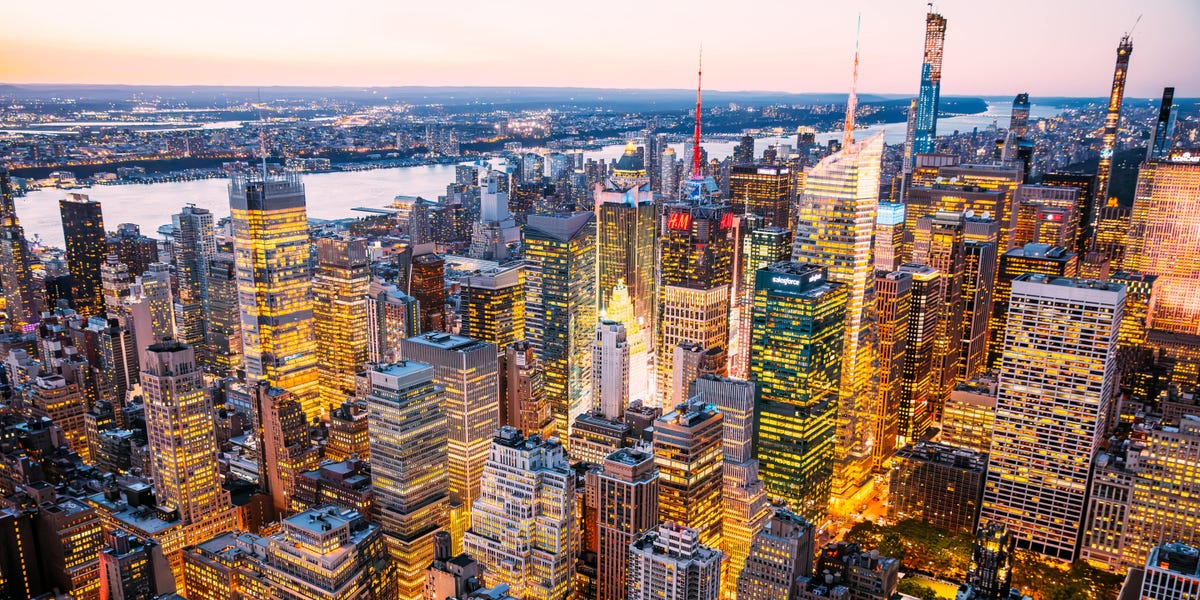
Hotel prices in New York City have surged due to a combination of increased travel demand, inflation, and a significant number of hotels housing migrants, reducing the available room supply. The average nightly rate has risen to $301 in 2023, with about 135 hotels now sheltering asylum seekers, impacting the overall market.
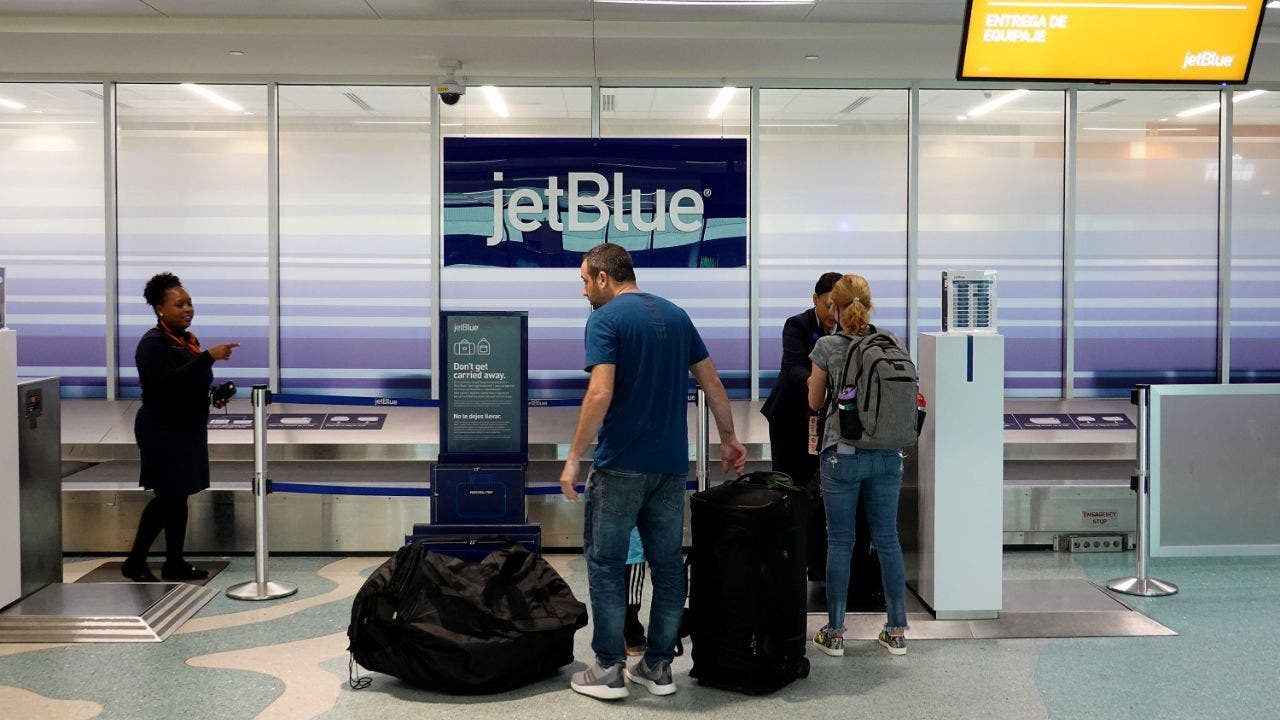
JetBlue Airways is implementing an additional fee for checked bags on peak travel days, adding $5 for the first bag and $10 for the second during high-traffic periods. The cost for checking bags within 24 hours of departure has also increased, with the carrier citing rising transportation costs due to increased wages and higher fuel costs. This move is part of the company's efforts to return to profitability, and it applies to flights within the United States, Caribbean, and Latin America during specific peak travel periods. Customers who booked before March 22 are exempt from peak pricing, and the airline is encouraging pre-payment for bags to save up to $10.
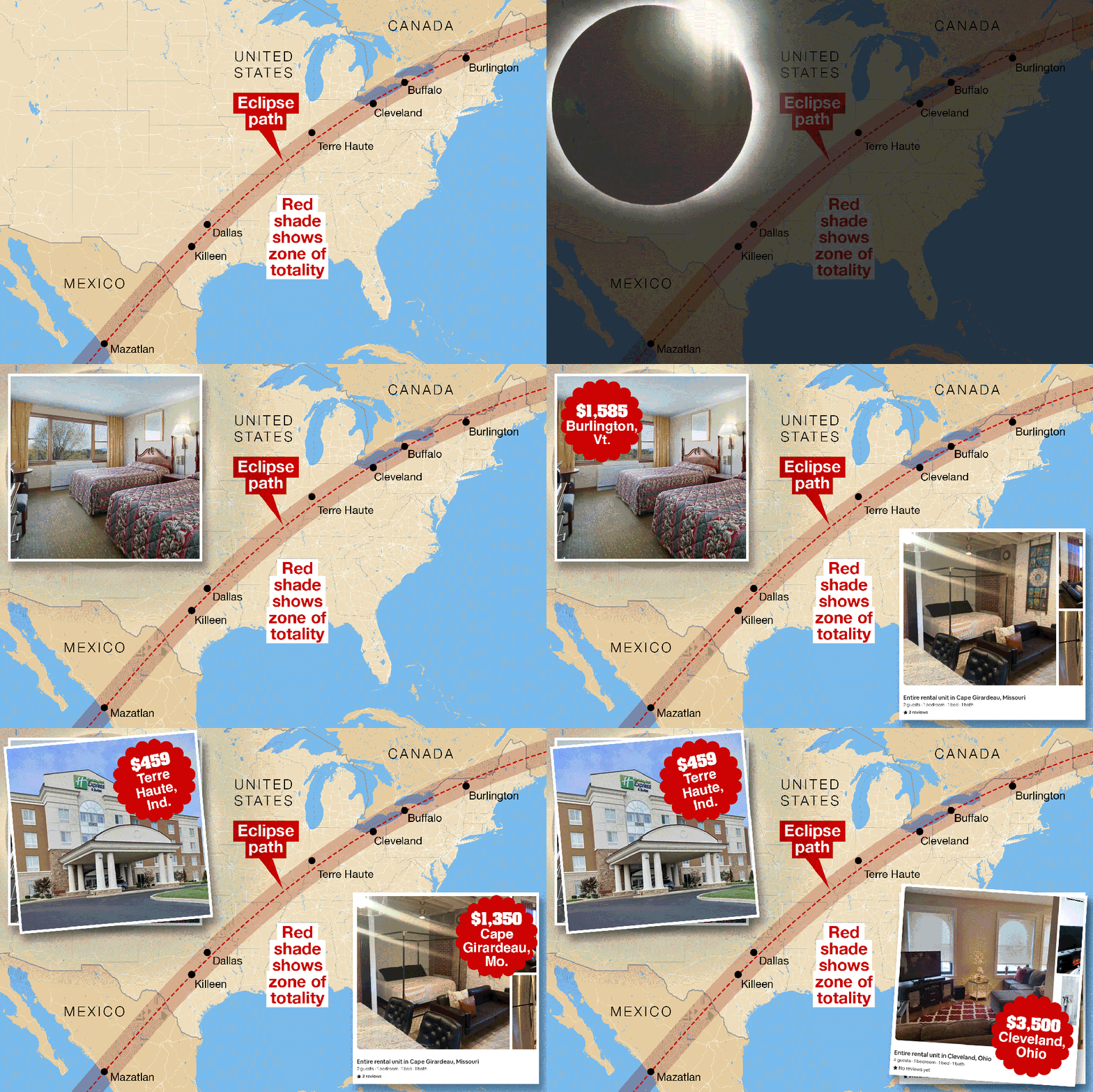
Prices to witness the upcoming solar eclipse in the US are soaring, with hotels charging up to 10 times their regular rates for rooms along the eclipse's path of totality. Airfares are also up, with flights likely to operate within the eclipse's path seeing fares up to four times higher than other times. Eclipse chaser David Makepeace, who has spent $250,000 on seeing 26 eclipses, is heading to Mazatlan, Mexico, to lead a group witnessing the eclipse from the beach, as he found roadside motels in South Texas to be too expensive. Meanwhile, some travelers are resorting to creative solutions, such as renting accommodations from congregants at a church in Burlington, Vermont, or flying private to chase the eclipse.
WalletHub's study ranked the DC metro area as the third-best summer vacation spot due to its diverse attractions, safety, weather, and ease of access. However, the area performed poorly in local costs. Atlanta, Honolulu, and Wichita took the top three spots, while Richmond ranked in the top 10.