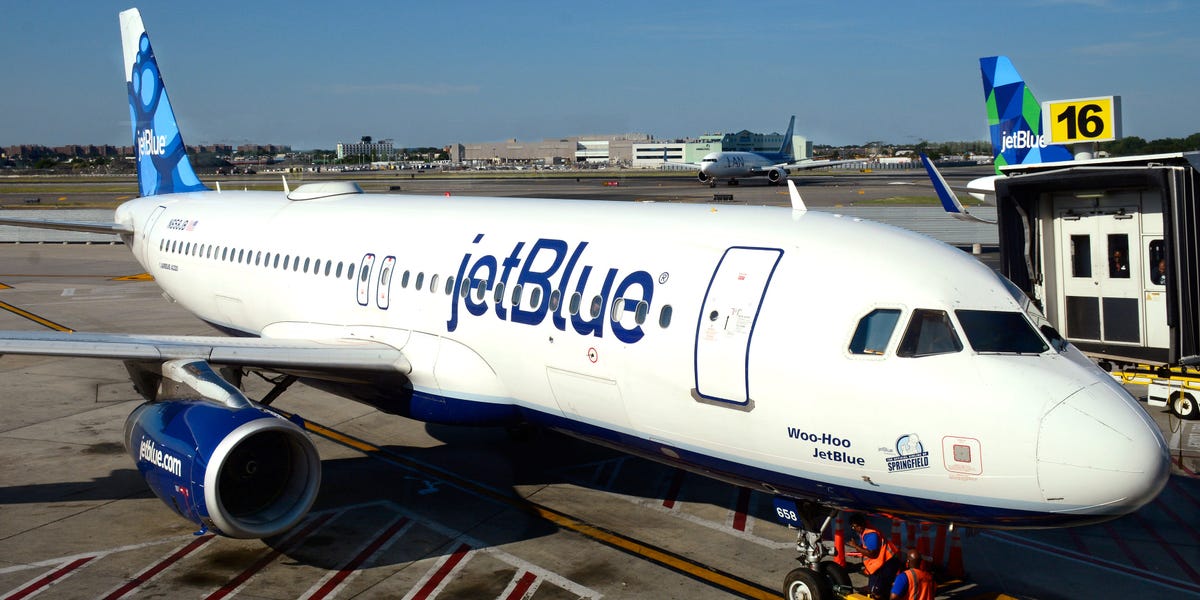
Alaska Airlines succeeds due to its dominant market share at key hubs, effective loyalty programs, and disciplined management, whereas JetBlue struggles with weaker market positioning, less profitable product offerings, and less focused leadership, leading to differing financial performances despite similar brand appeal.
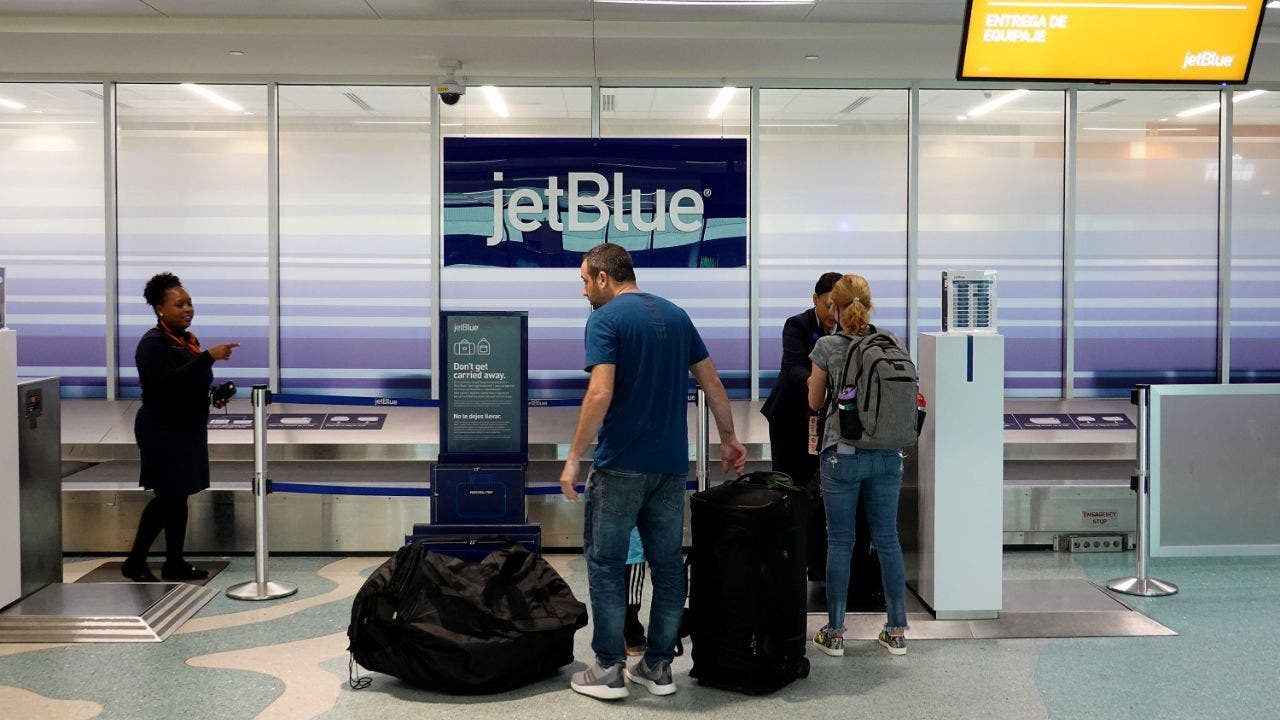
JetBlue Airways is implementing an additional fee for checked bags on peak travel days, adding $5 for the first bag and $10 for the second during high-traffic periods. The cost for checking bags within 24 hours of departure has also increased, with the carrier citing rising transportation costs due to increased wages and higher fuel costs. This move is part of the company's efforts to return to profitability, and it applies to flights within the United States, Caribbean, and Latin America during specific peak travel periods. Customers who booked before March 22 are exempt from peak pricing, and the airline is encouraging pre-payment for bags to save up to $10.
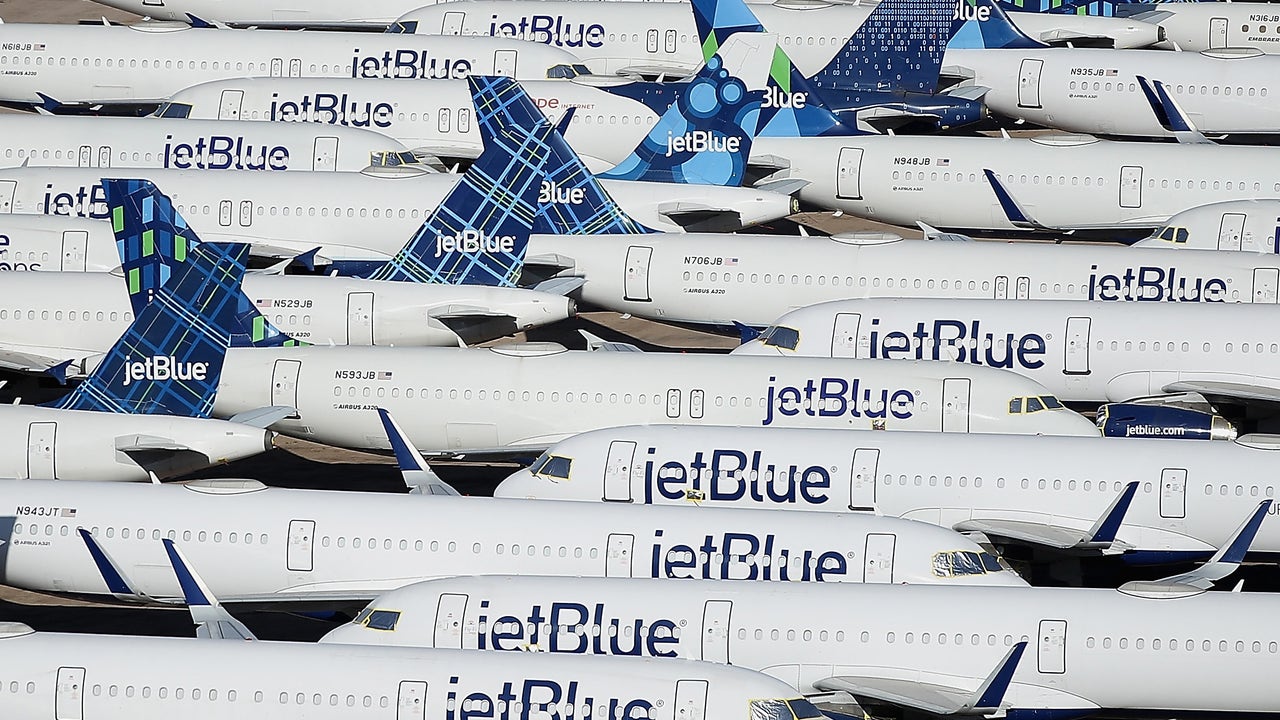
JetBlue Airways is cutting 20 routes across the US and Latin America, resulting in the airline exiting five cities altogether, as part of cost-cutting measures amid its failed Spirit merger and the grounding of some Airbus jets. The changes aim to improve on-time performance and redirect aircraft to better-performing routes, with additional frequencies to top destinations in the Northeast and Caribbean. The airline's struggles also stem from the failed Spirit merger, the end of a partnership with American Airlines, changes in demand due to the pandemic, and issues with Pratt & Whitney GTF engines.
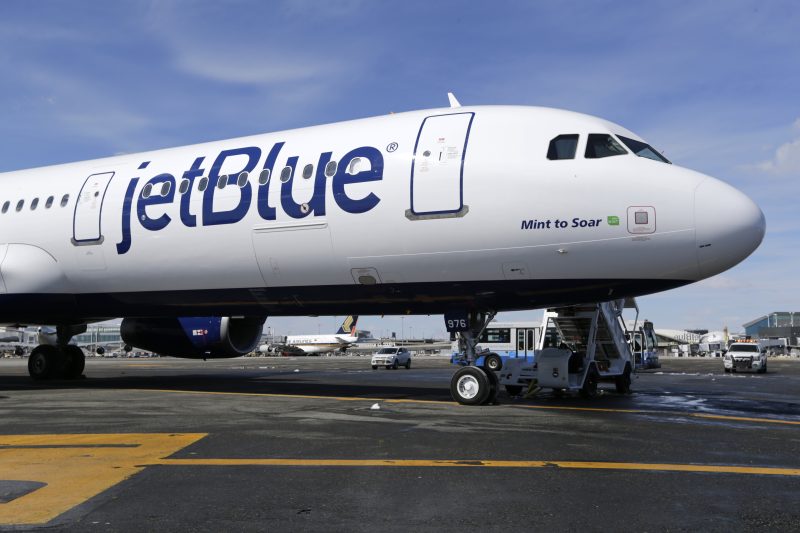
JetBlue Airways is discontinuing service to several cities, including Kansas City, Bogota, Quito, and Lima, while reducing flights out of Los Angeles and cutting routes from Fort Lauderdale, New York, and other locations. The airline is making these changes to focus on stronger markets and cope with the grounding of some planes for engine inspections. JetBlue has faced financial losses and legal setbacks in recent years, prompting a shift in strategy under new CEO Joanna Geraghty, as the airline aims to grow independently and improve its operational performance.
JetBlue Airways is ending service in several cities, including Kansas City, Bogota, Quito, and Lima, and reducing flights out of Los Angeles to focus on stronger markets after years of financial losses. The airline is also dealing with the grounding of some of its planes for engine inspections. These changes come after unsuccessful partnership and merger attempts, as well as courtroom defeats, leading to a shift in strategy under new CEO Joanna Geraghty.
JetBlue Airways is discontinuing service in several cities, including Kansas City, Bogota, Quito, and Lima, and reducing flights from Los Angeles to focus on more profitable routes. The airline has faced financial losses and operational challenges, including the grounding of some planes for engine inspections. After unsuccessful partnership and merger attempts, JetBlue is now shifting its focus to independent growth under new leadership.
JetBlue Airways is ending service in several cities, including Kansas City, Bogota, Quito, and Lima, and reducing flights out of Los Angeles, as part of a move to focus on stronger markets and cope with the grounding of some of its planes for engine inspections. The airline has faced financial losses and legal setbacks, including unsuccessful partnership and merger attempts, and is now shifting its focus to growing independently under new leadership.
JetBlue Airways is discontinuing service in several cities and reducing flights out of Los Angeles as part of a strategy to focus on stronger markets and cope with financial losses. The airline's decision comes after legal setbacks, including the blocking of partnership and merger deals with Spirit and American Airlines. JetBlue has faced challenges with profitability and operational performance, prompting a shift in strategy under new leadership.
JetBlue Airways is cutting unprofitable routes in the U.S. and overseas, including exiting Kansas City, Missouri, and Newburgh, New York, in an effort to reduce costs and free up aircraft for more profitable routes. The move comes after a federal judge blocked its $3.8 billion bid for Spirit Airlines, leading to the cancellation of the proposed merger. The airline cited limited aircraft availability due to grounded planes with engine issues as a driver for the route cuts, and plans to trim its route network in June to improve financial performance.
JetBlue Airways is cutting several routes, reducing departures from Los Angeles International Airport and ending flights to various destinations, as part of its efforts to lower costs and improve financial performance. The airline is focusing on profitable transcontinental routes and "bread and butter" routes along the East Coast, as well as Caribbean vacation destinations. This move comes as JetBlue faces pressure to reduce expenses and return to profitability after a failed acquisition attempt and engine issues.
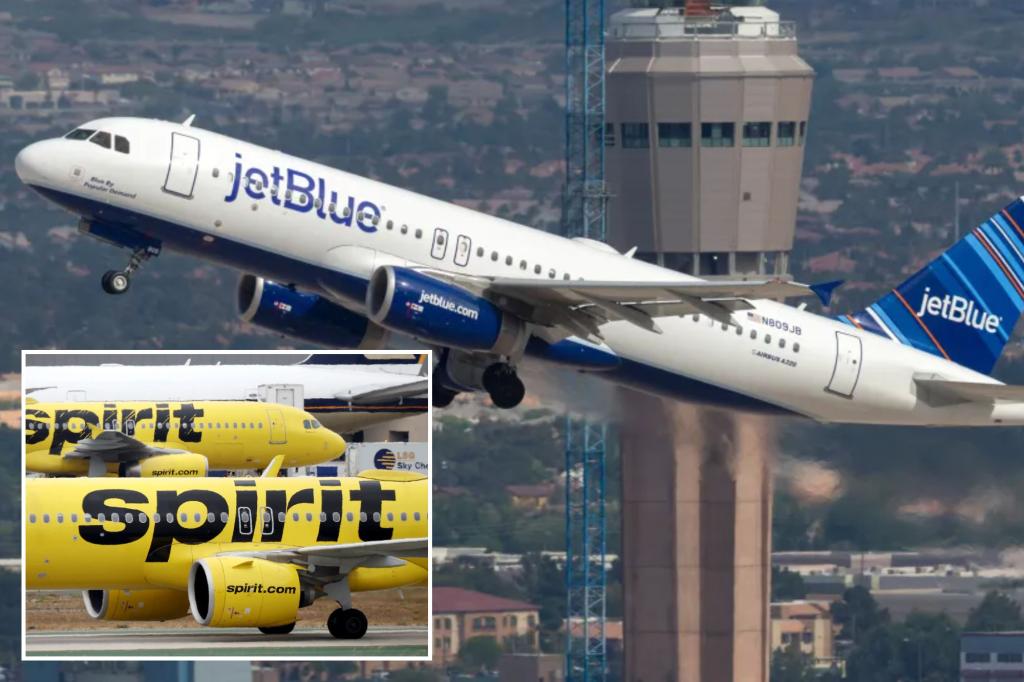
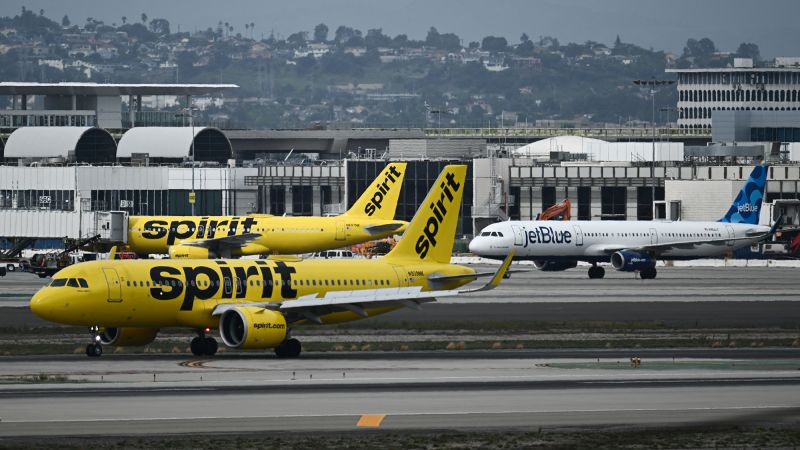
JetBlue Airways and Spirit Airlines have called off their $3.8 billion merger after a U.S. judge blocked the deal in January due to antitrust concerns. The decision is a win for the Biden Administration, which has been tough on aviation sector tie-ups, arguing that the merger would raise ticket prices for consumers. JetBlue will pay Spirit $69 million as part of the cancellation, and without the deal, Spirit faces financial challenges, with analysts suggesting potential bankruptcy. JetBlue also faces regulatory hurdles, having recently abandoned an anticompetitive partnership with American Airlines.
The $3.8 billion merger between JetBlue Airways and Spirit Airlines has been called off due to anti-monopolistic concerns from the U.S. Justice Department, causing Spirit's stock to hit a record low. With Spirit's stock down over 14%, concerns about the company's financial future are rising, especially with $1.6 billion in debt coming due. JetBlue, on the other hand, seems to be in a better position to weather the breakup, with its stock up about 2% in Monday trading and a more positive outlook for the future.
JetBlue Airways and Spirit Airlines have called off their $3.8 billion merger after a U.S. judge blocked the deal in January due to antitrust concerns. The cancellation comes as a blow to both carriers, with the Biden Administration celebrating the decision as a win for consumers. JetBlue will pay Spirit $69 million as part of the agreement, and without the merger, Spirit faces financial challenges amid weak demand. The ruling against the merger also raises questions about JetBlue's Northeast partnership with American Airlines, as the aviation industry continues to face regulatory scrutiny.
JetBlue Airways has decided to pull out of its deal to purchase Spirit Airlines following a federal court ruling blocking the merger on antitrust grounds. The decision could lead to a new bidding war for Spirit and potentially result in bankruptcy and liquidation for the struggling airline. The US airline industry has seen significant consolidation over the years, leading to fewer choices for travelers and potentially higher fares. Both JetBlue and Spirit face their own financial challenges, with Spirit reporting losses and JetBlue dealing with an activist investor's stake in the company.
Wall Street prepares for Monday following a strong week for the S&P 500 and Nasdaq, with Fed Chairman Jerome Powell's Capitol Hill appearance and the upcoming employment report in focus. Super Micro Computer surges after being added to the S&P 500, while Apple faces a $1.95 billion antitrust fine from the European Commission. JetBlue Airways and Spirit Airlines end their merger agreement, Ford plans to double F-150 hybrid production, and Macy's receives a $24 per share bid from Arkhouse Management. Additionally, OPEC+ maintains price curbs, and JPMorgan predicts Alphabet will recover from backlash over its AI image generation tool.