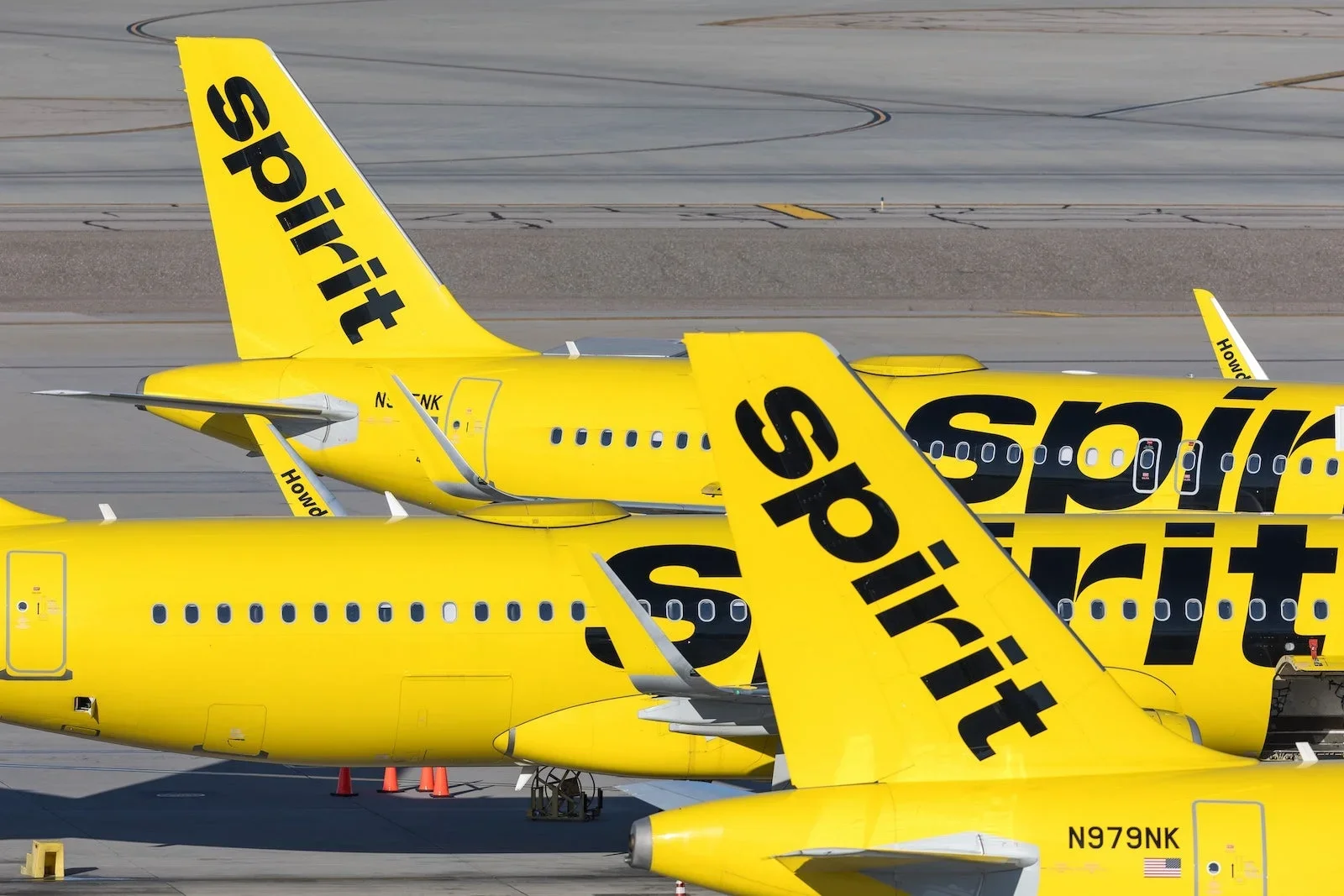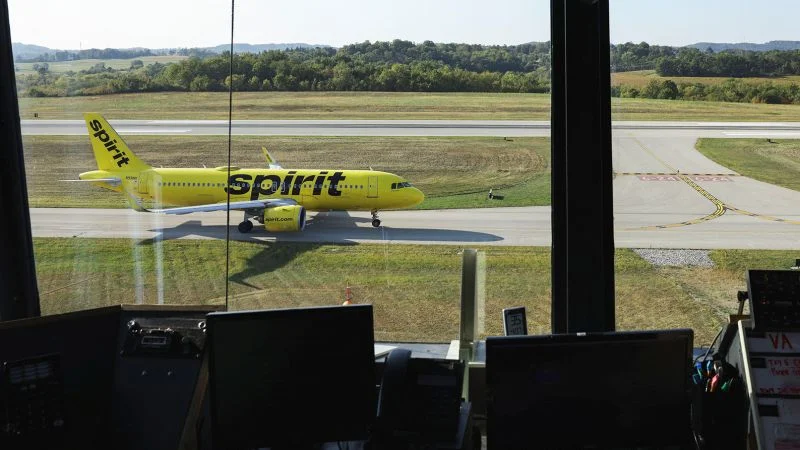
The article discusses the turbulent start of 2026 for Spirit Airlines, which remains in Chapter 11 bankruptcy, and highlights key airline industry trends for the year, including new premium products, route expansions, changes in fare structures, and ongoing issues with air traffic control staffing and regulations, all shaping the future of air travel.
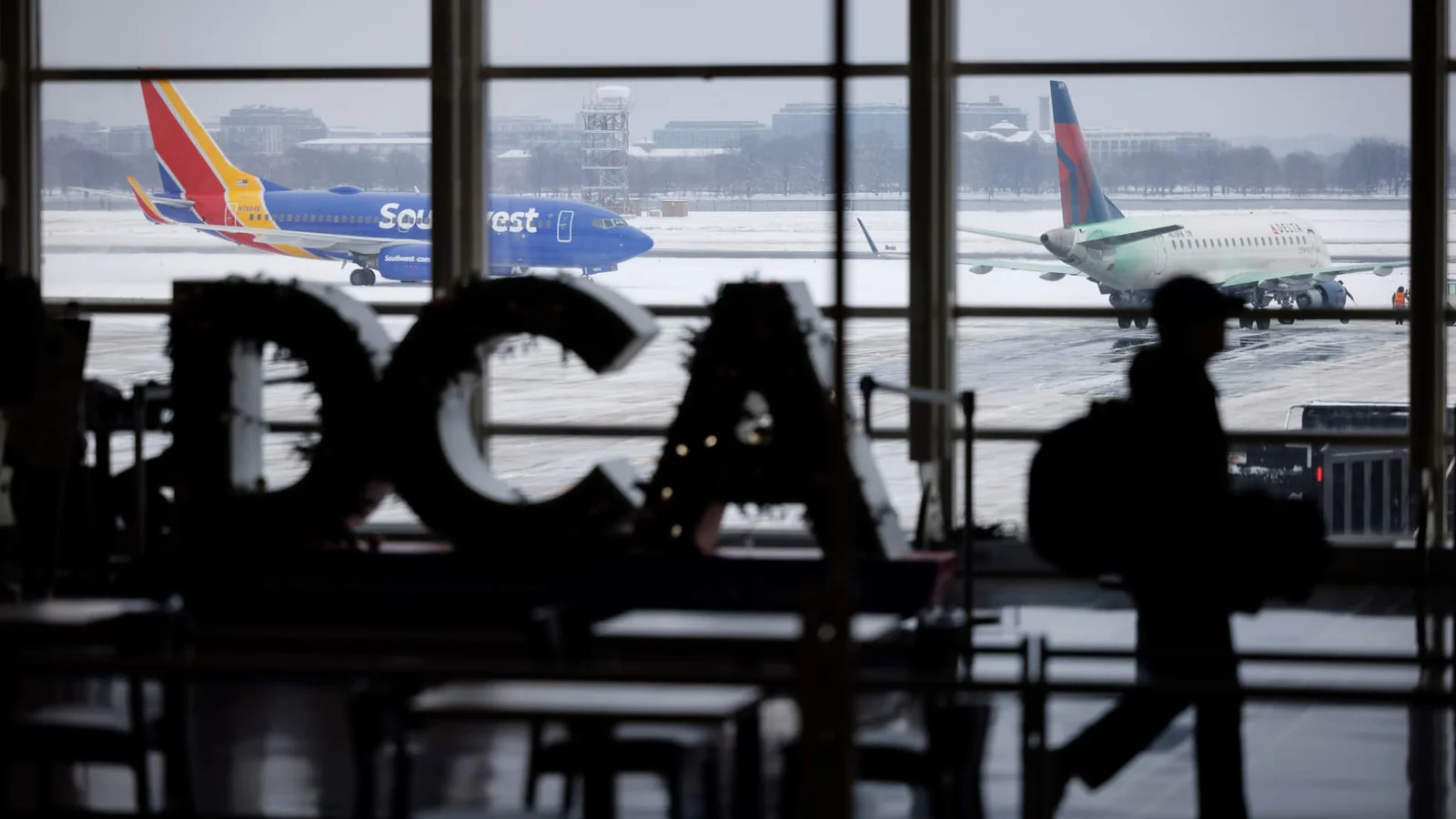
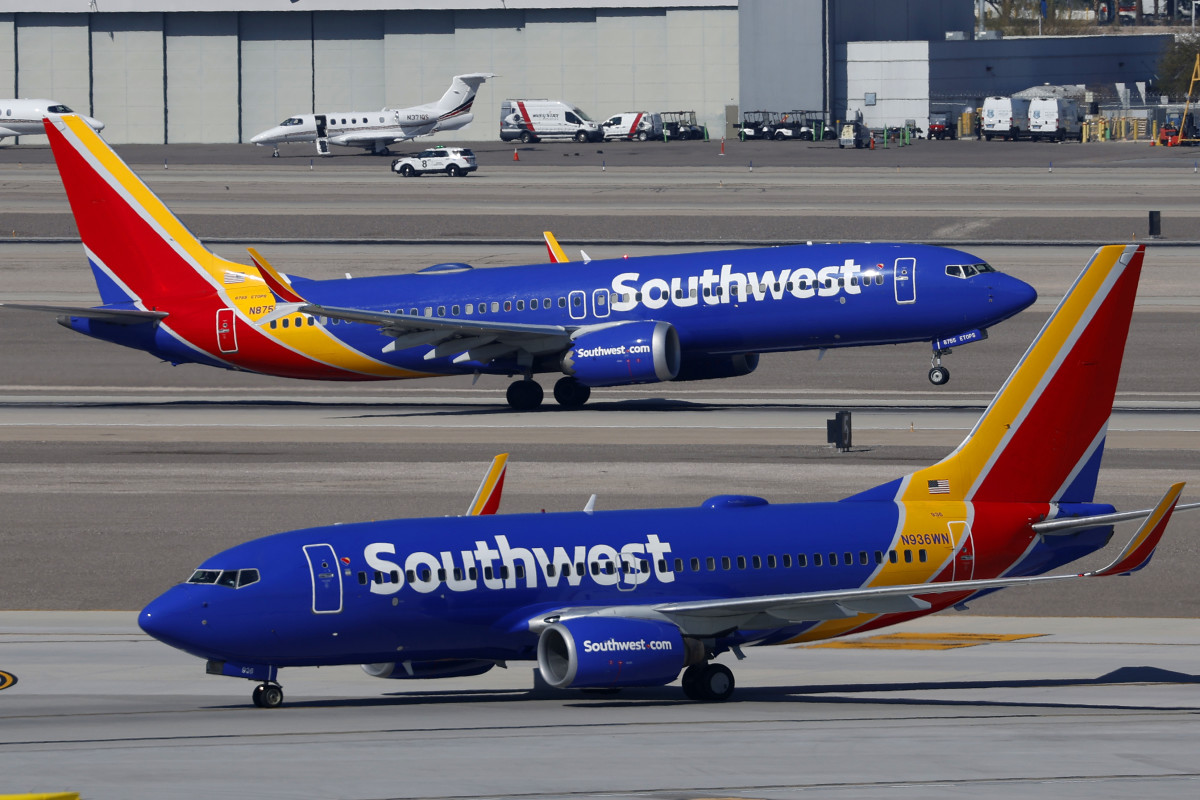
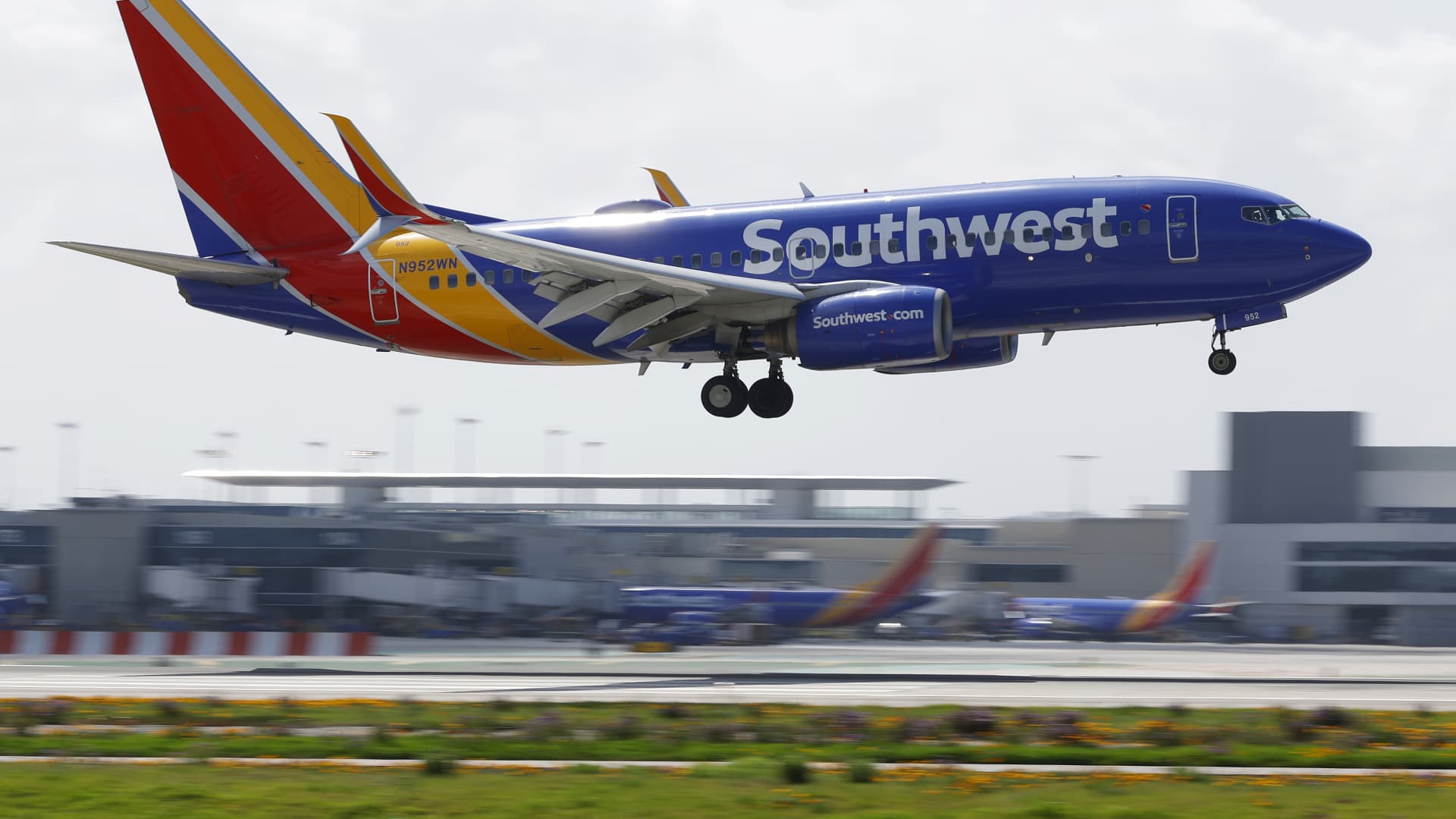
Southwest Airlines ended its free checked bags policy to boost profits, but the move has not yielded the expected financial gains, with profits falling 42% in the first nine months of the year and no significant revenue increase from bag fees, despite ongoing brand changes and new seating options.
Despite a 42% profit decline in the first nine months of 2025, Southwest Airlines' stock has surged nearly 24%, driven by strategic initiatives like switching to assigned seating and offering extra legroom for a fee, which analysts believe will boost future earnings. The airline's transformation efforts and market optimism have led to a significant stock rally, even amid industry challenges and demand dips.
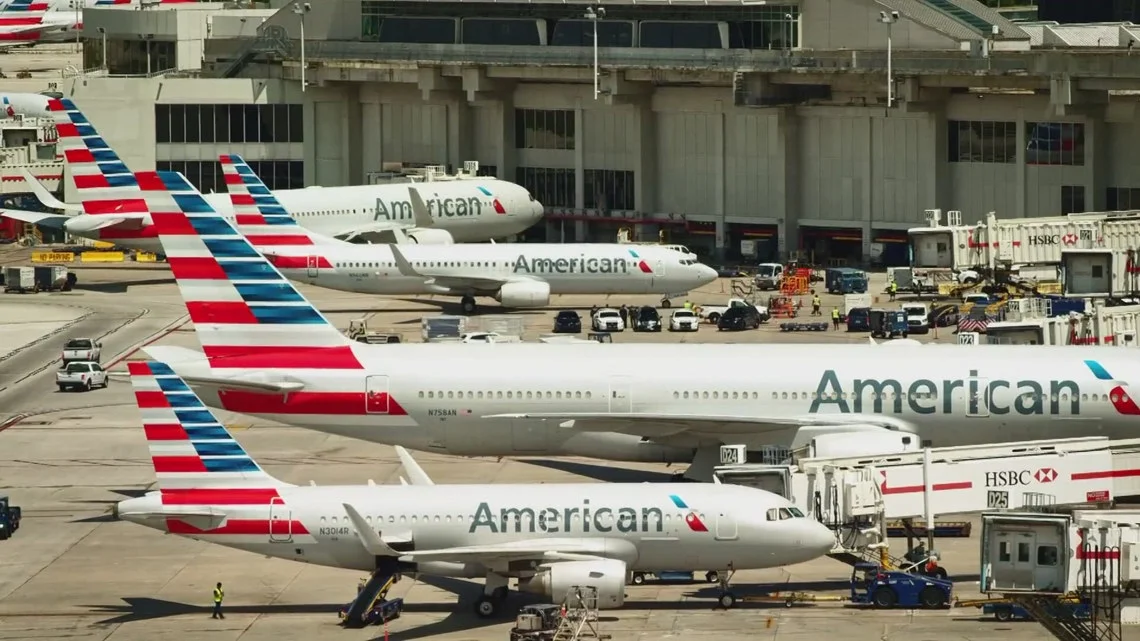
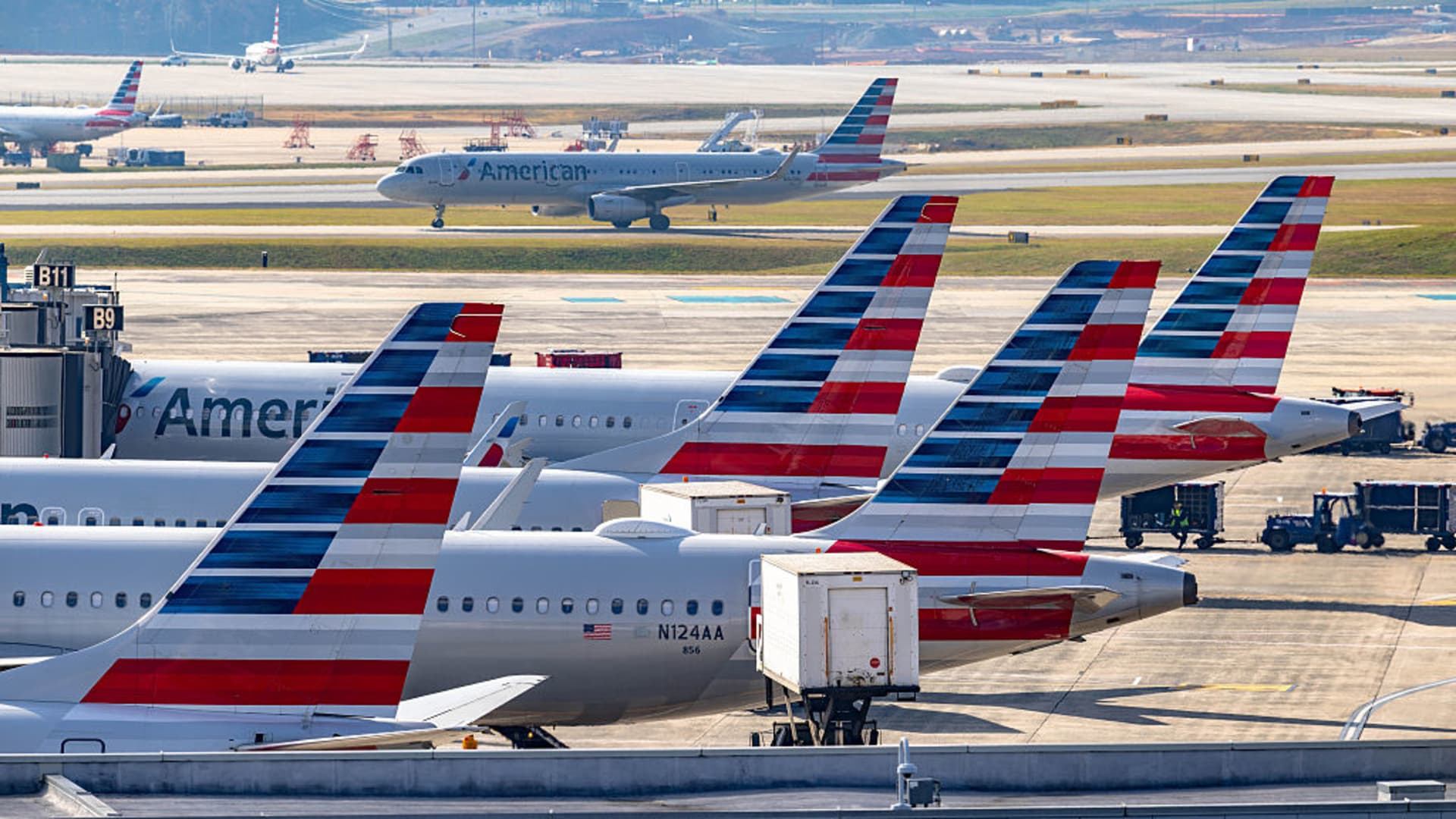
American Airlines will no longer allow passengers purchasing basic economy fares to earn frequent flyer miles or points toward elite status starting December 17, 2025, aligning with industry trends as airlines seek to attract higher-spending customers. Basic economy tickets will still include some amenities like a personal item, carry-on, snacks, and entertainment, with elite members retaining some benefits. This move follows similar policies by Delta and contrasts with United, which still allows mile earning on basic economy tickets.
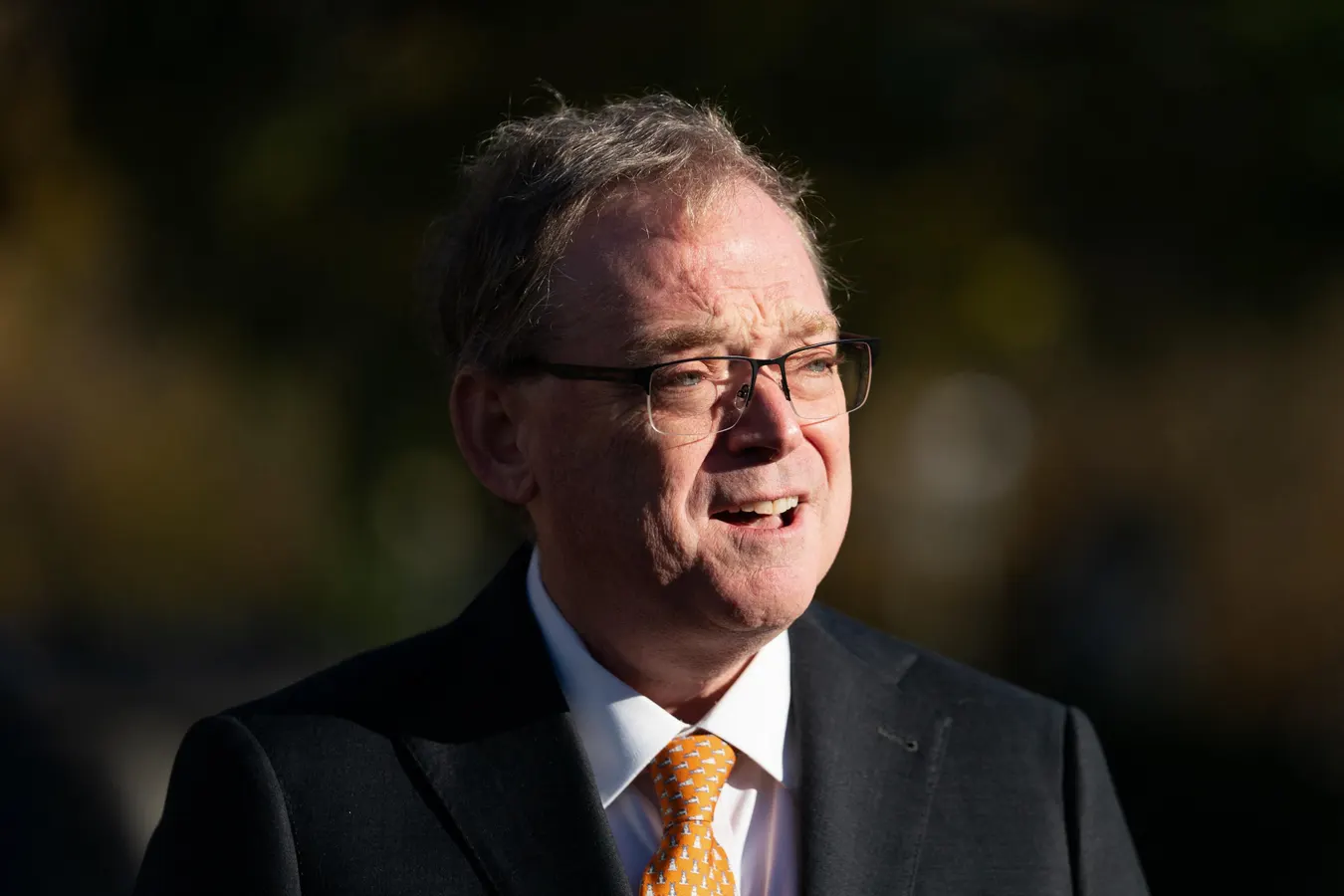
Frontier Group Holdings announced that James G. Dempsey, currently President, will become Interim CEO starting December 15, 2025, succeeding Barry Biffle who will stay on as an advisor until the end of the year. Dempsey has been with Frontier since 2014 and is expected to lead the airline into its next chapter, with the company reaffirming its financial guidance for Q4 2025 amid ongoing industry challenges.
Delta Airlines reported that the recent U.S. government shutdown cost it about $200 million in pretax profit, mainly due to softened bookings, but the airline remains optimistic about strong travel demand into 2026. Despite the shutdown's impact, Delta and other airlines continue to advocate for better pay and conditions for air traffic controllers and other essential workers to prevent future disruptions.
White House adviser Kevin Hassett warned that the ongoing government shutdown is causing more severe economic damage than expected, including a potential near-term downturn in the airline industry and a slowdown in GDP growth, with consumer sentiment hitting a three-year low.
The US is experiencing its longest government shutdown, leading to nearly 2,000 flight delays and over 800 cancellations, primarily affecting domestic flights at major airports, as authorities reduce air traffic to manage safety concerns amid unpaid air traffic controllers. International flights are largely unaffected, but the situation is causing significant travel disruptions and increased car rentals.
Qatar Airways has sold its entire 9.7% stake in Cathay Pacific for about $897 million, marking its exit from Hong Kong’s flagship airline after eight years, as part of its strategic portfolio optimization. Cathay Pacific plans to buy back the stake at a premium, reflecting confidence in its future growth, and will fund the deal through internal resources and credit lines. The transaction will increase Swire Pacific and Air China's stakes in Cathay Pacific, with ongoing partnership through the oneworld Alliance.
Qatar Airways is selling its nearly 10% stake in Cathay Pacific, bought in 2017 for around $662 million, now valued at approximately $892 million, with both airlines citing different reasons—Cathay Pacific for confidence in its future and Qatar Airways for recent profitability—though the true motivation may involve geopolitical considerations. The sale appears unusual given Qatar's typical investment approach and the lack of control implications, suggesting possible underlying political factors.
American Airlines is laying off thousands of employees, mainly middle management, and offshoring some roles to India as part of a cost-cutting strategy, despite recent financial struggles and plans to compete more aggressively with rivals. The layoffs have caused significant employee distress, and the move appears aimed at streamlining operations and reducing inefficiencies, though it raises questions about the airline's future direction.
Boeing delayed the delivery of its 777X jets to 2027, incurring nearly $5 billion in charges due to ongoing delays, which have accumulated to over $15 billion, impacting its finances and opening opportunities for competitors like Airbus, while the company sees some positive signs in increased aircraft production and deliveries amid rising international travel demand.
The ongoing government shutdown has led to air traffic controller pay delays and staffing shortages, causing flight disruptions and raising safety concerns among pilots, who warn that political conflicts are affecting aviation safety and the airline industry's future.
American Airlines is struggling with a massive $36.8 billion debt, and despite some recent improvements in quarterly losses and cost-cutting efforts, its long-term debt repayment remains uncertain due to inconsistent performance and poor profitability compared to peers. The airline's management is criticized for missteps and inefficiencies, and shareholders continue to support the stock despite ongoing financial challenges. Significant management changes are suggested to improve the airline's future prospects.
American Airlines has appointed industry veteran Nat Pieper as its new commercial chief to improve profits and competitiveness, following the departure of its previous CCO and amid challenges in the airline industry. Pieper brings extensive experience from major airlines and alliances, and will oversee key commercial functions to enhance technology and customer experience.