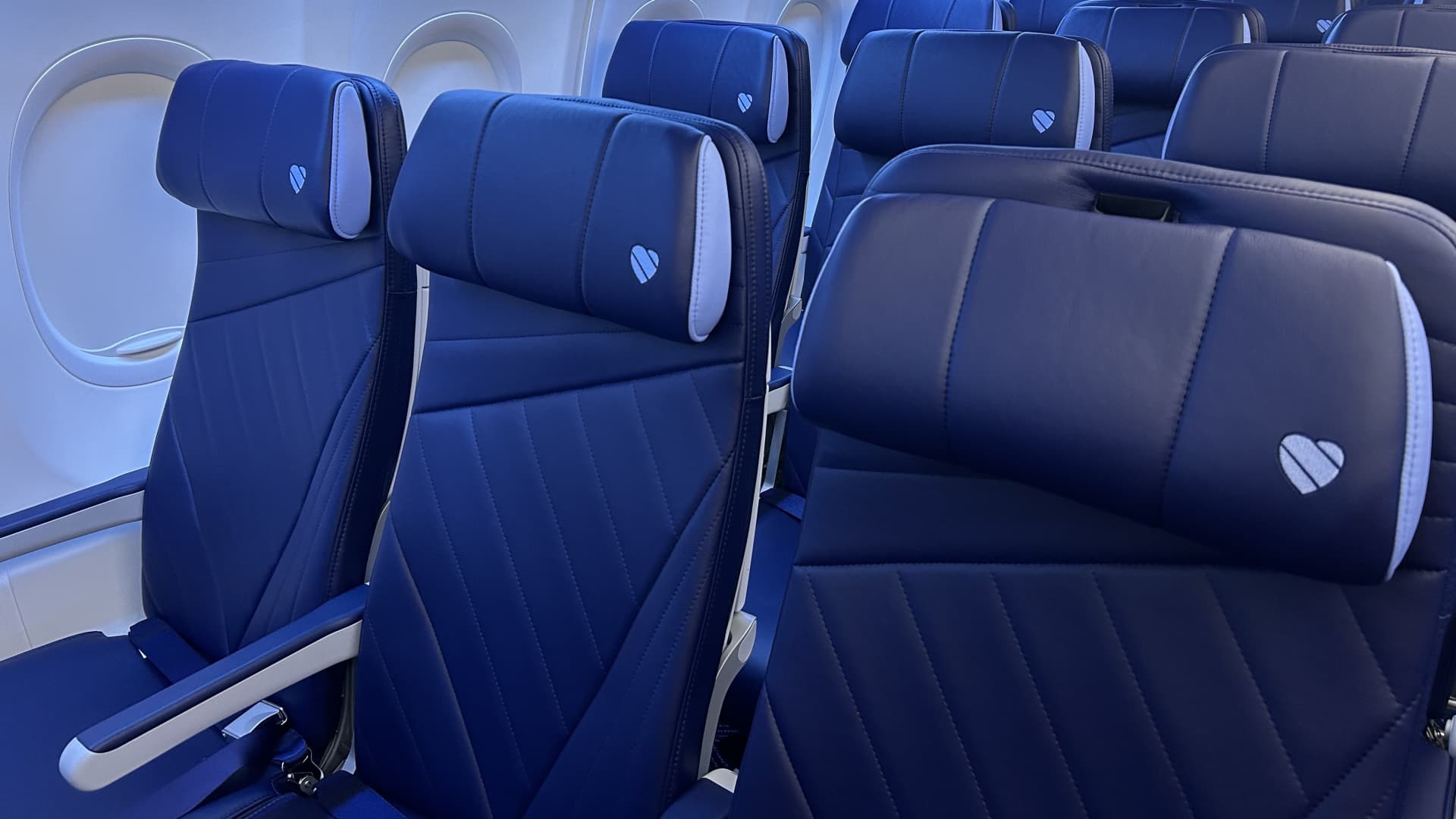
Southwest Airlines is introducing assigned seating starting January 2024, with prices varying based on route, seat type, and ticket class, potentially adding hundreds to travel costs. Preferred and extra-legroom seats cost more, while loyal customers and credit card holders may receive perks. The change marks a shift from Southwest's traditional open seating model and aligns with industry trends of increasing ancillary revenue through seat and bag fees.
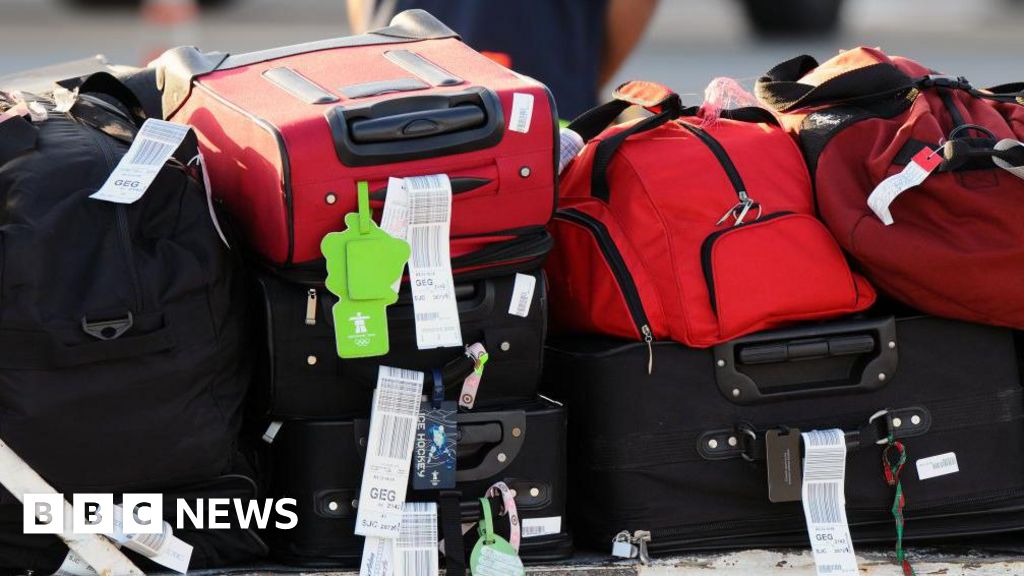
Airlines, especially in the US and Europe, have significantly increased baggage and ancillary fees, generating billions in revenue and prompting consumer backlash and regulatory scrutiny, while the demand for small carry-on luggage surges due to these charges.
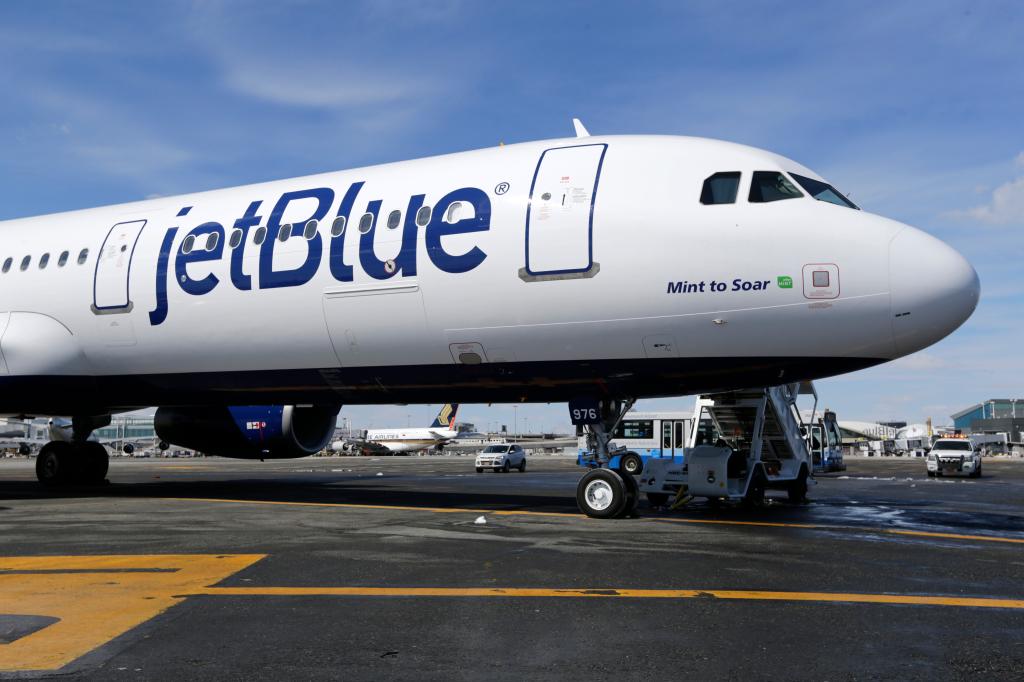
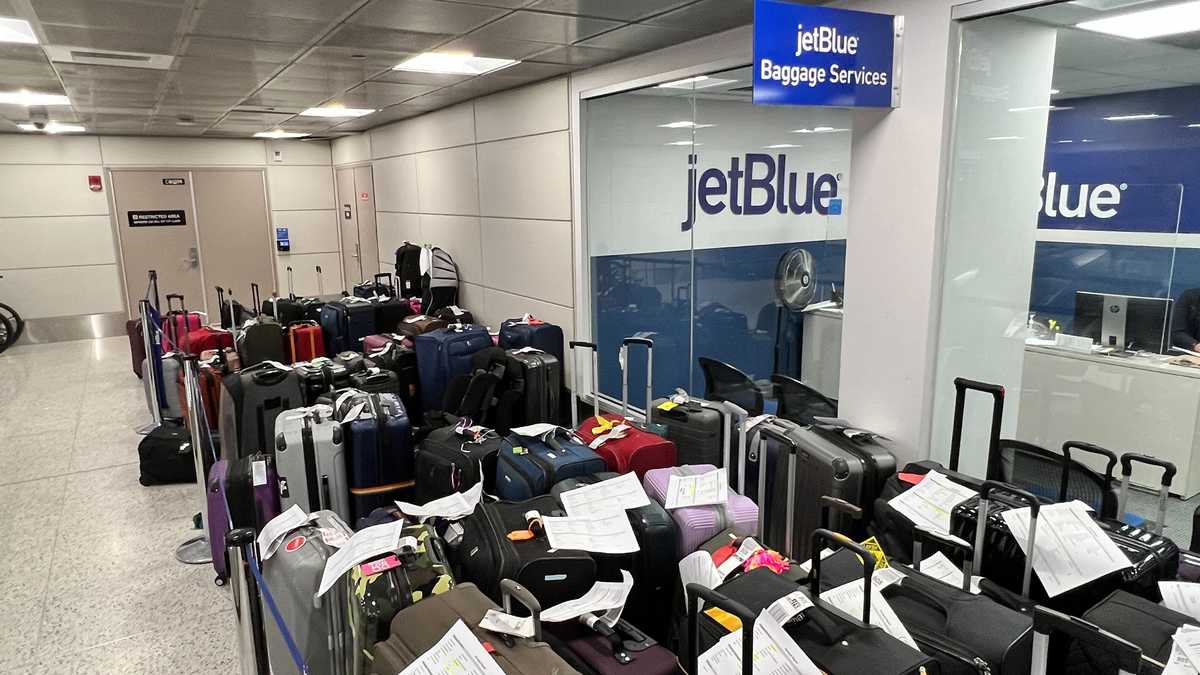
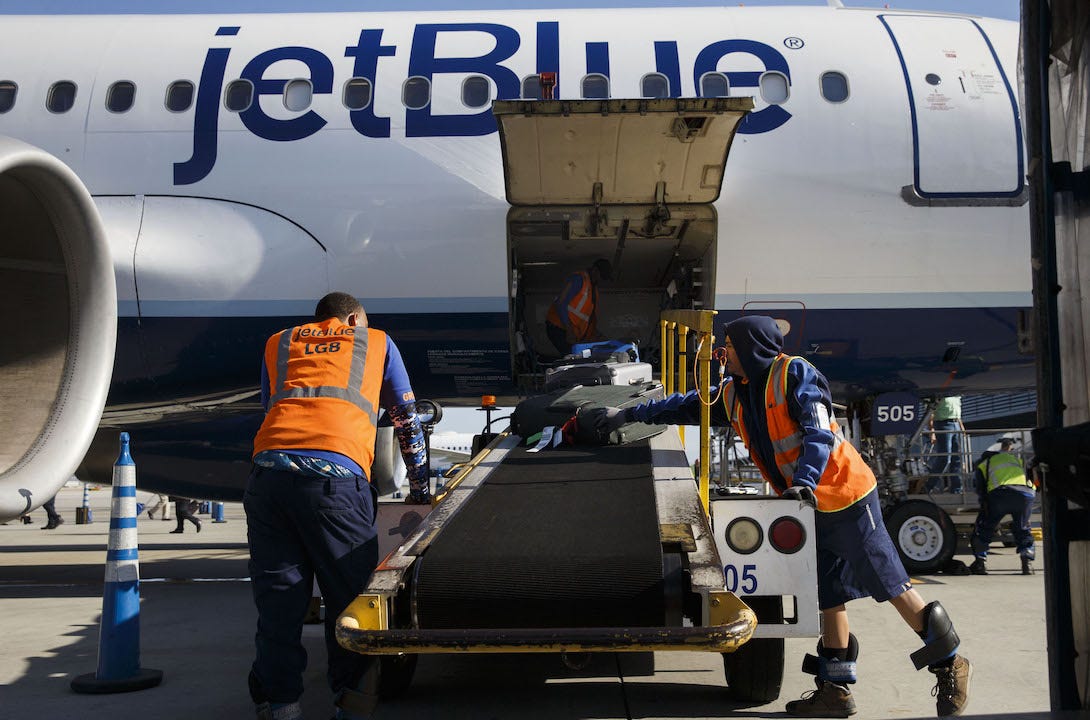
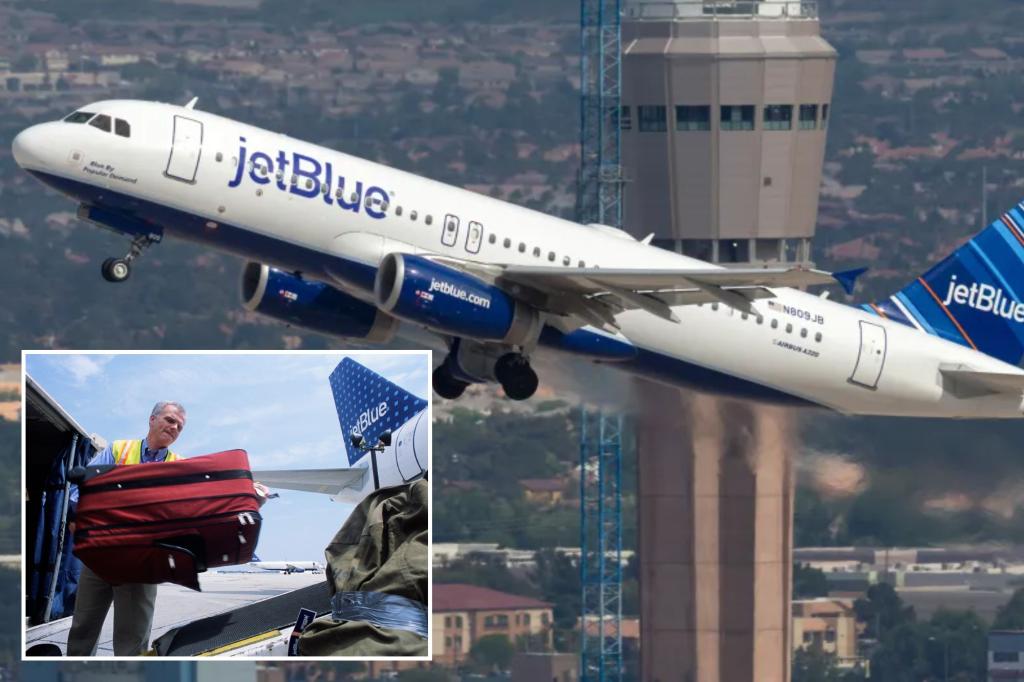
JetBlue has once again changed its checked bag fee policy, implementing dynamic pricing based on factors such as JetBlue member status and peak or off-peak dates, with fees ranging from $35 to $60 for the first checked bag within the US, Latin America, Caribbean, and Canada. Transatlantic flights still offer the first checked bag free, except for customers on the Blue Basic fare, who will now pay $60 to $70. The airline cites increased costs due to higher wages and fuel costs as the reason for the changes, and claims that adjusting fees for added services during periods of high demand will help keep base fares low and maintain free amenities like seatback TVs and high-speed Wi-Fi.
JetBlue has increased checked bag fees for the second time in 2024, with varying charges for off-peak and peak travel dates, affecting flights within the U.S., Latin America, the Caribbean, and Canada. Travelers flying during peak dates will pay higher fees, with peak season pricing applying to specific travel periods. Ways to save on bag fees include airline credit card perks, adding a checked bag early for a slight discount, and earning elite status for complimentary perks.
JetBlue has implemented a new dynamic pricing structure for checked bag fees, introducing higher rates for "peak-season" days and an additional $10 charge for bags checked within 24 hours of a flight. The changes, effective for bookings made after March 22, 2024, result in fees ranging from $35 to $50 for a first checked bag on domestic flights, with additional charges for second and third bags, overweight, and oversized bags. JetBlue cited increased costs due to higher wages and fuel prices as the reason for the adjustments, and announced specific peak season schedules through 2025.
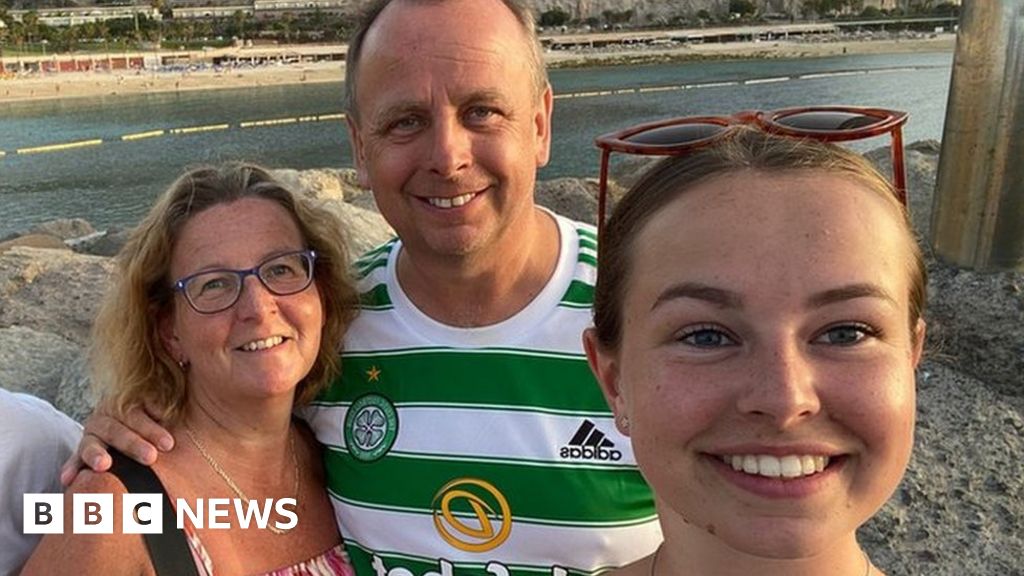
A family was charged £165 by Ryanair to check in at the airport, leading to a dispute that was ruled in favor of the airline by an independent ombudsman. The passenger, Damian Lloyd, expressed frustration with the airline's handling of the situation and its refusal to refund the fee. This incident has brought attention to the issue of airline fees, with critics arguing that such charges for simple mistakes are unfair and contribute to negative perceptions of airlines like Ryanair.
JetBlue has raised its checked luggage fees for U.S., Latin America, Caribbean, and Canada flights, with the cost for the first checked bag within 24 hours of departure increasing to $45 for certain fare types. The airline also increased fees for second checked bags and has additional charges for third and subsequent bags. JetBlue cited increased costs due to factors such as higher wages and fuel costs, and emphasized the need to cover these expenses and return to profitability.
JetBlue quietly increased its checked-baggage fees, sparking outrage among customers who accused the airline of greed. The airline now charges $45 for the first standard-size bag checked within 24 hours of departure and $60 for a second bag, with a $10 discount for early payment. JetBlue cited the need to boost profits and cover increased costs. American Airlines also raised its baggage fees for domestic and short international flights.
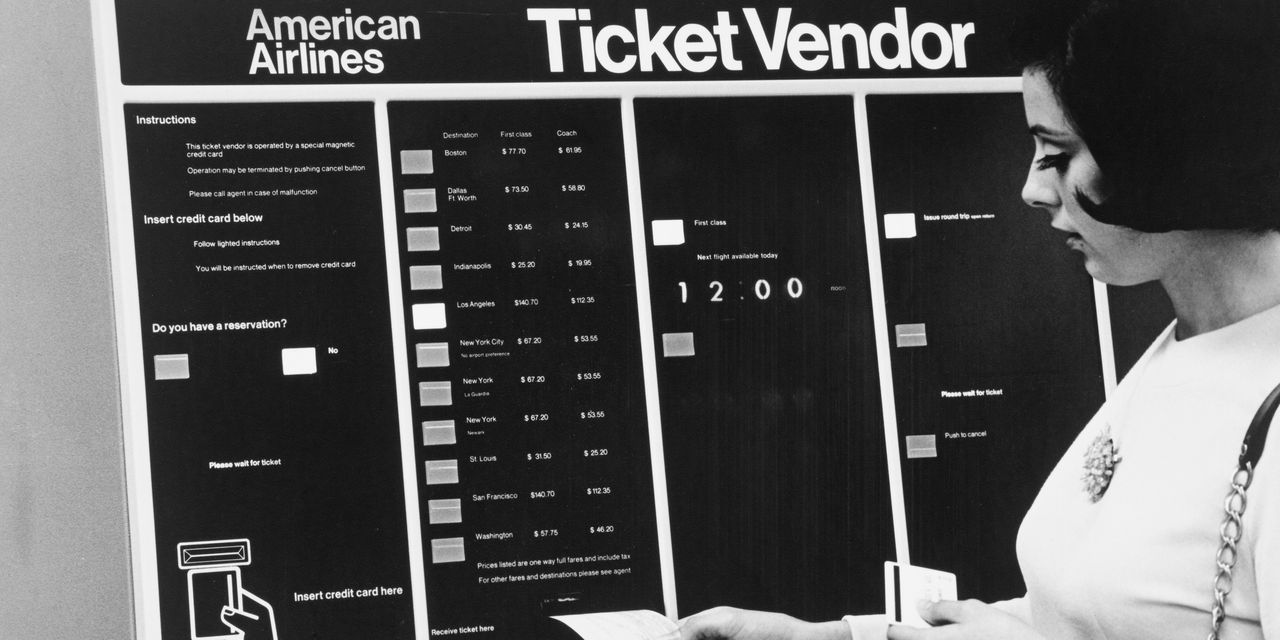
Spirit Airlines is now charging passengers $10 per boarding pass if they choose to print it at the airport instead of using the airline's mobile app or website. The fee will increase to $25 if the passenger waits until arriving at the gate to print their boarding pass. The move is part of the airline's effort to encourage passengers to go paperless and use digital boarding passes for convenience and cost savings.