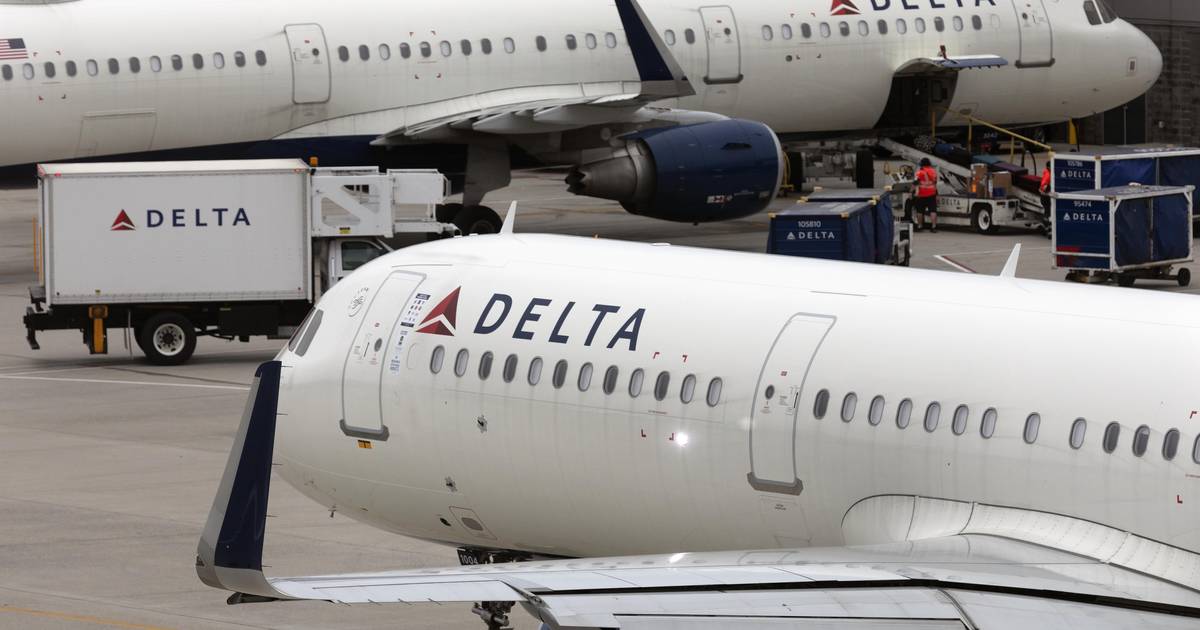
Delta Air Lines exceeded earnings expectations for Q3 and forecast a strong finish to 2025 driven by rising airfares and resilient luxury travel demand, with positive outlook for 2026 and shares rising over 5% premarket.
The summer travel season has become more challenging for airlines due to shifting demand, capacity cuts, and increased costs, leading to higher fares and unpredictable booking patterns. Airlines are adjusting their schedules earlier in response to changing school calendars and travel trends, with some expecting a better balance of supply and demand in the coming weeks.
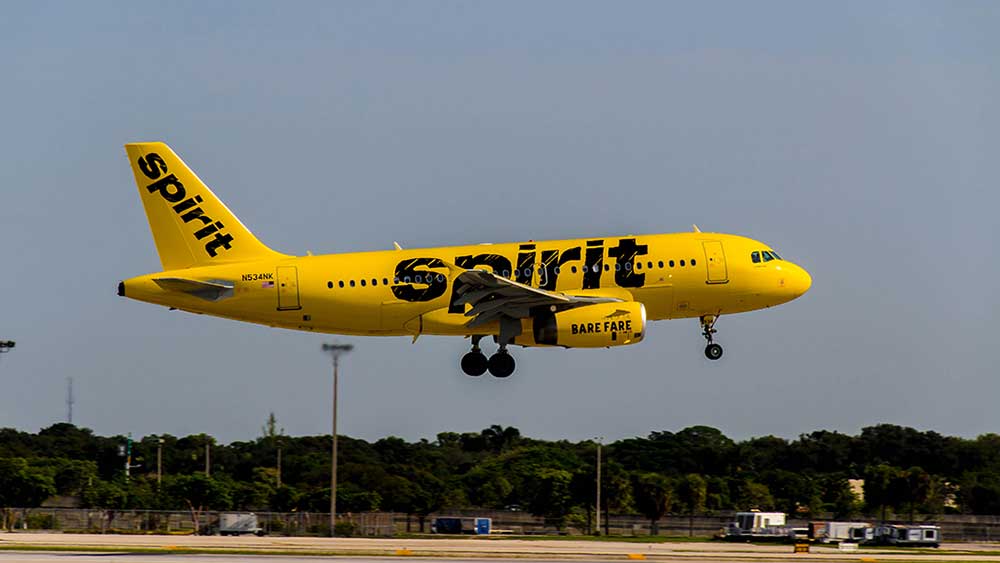
Spirit Airlines warned of potential ceasing operations due to financial struggles and low cash reserves, leading to a significant stock decline, while other airline stocks rallied on rising airfares and reduced competition, with industry-wide gains despite Spirit's challenges.
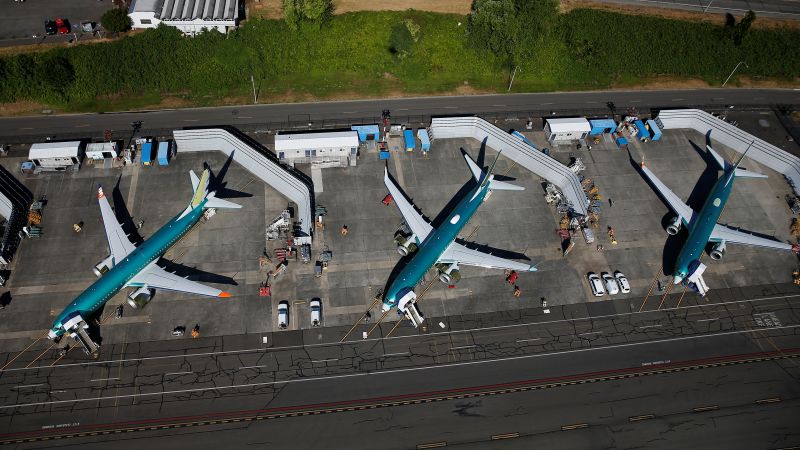
Boeing's ongoing production, quality, and safety issues, including a recent mid-flight incident, could lead to more expensive airfares and weaker economic growth in the US. Delays in deliveries and reduced production of its 737 Max jets are expected to impact the availability of planes for travel and business, potentially pushing up airfares. The company's struggles may also benefit its rival, Airbus, as airlines consider alternative options. This could have significant effects on the US economy, including reduced exports and potential job impacts.
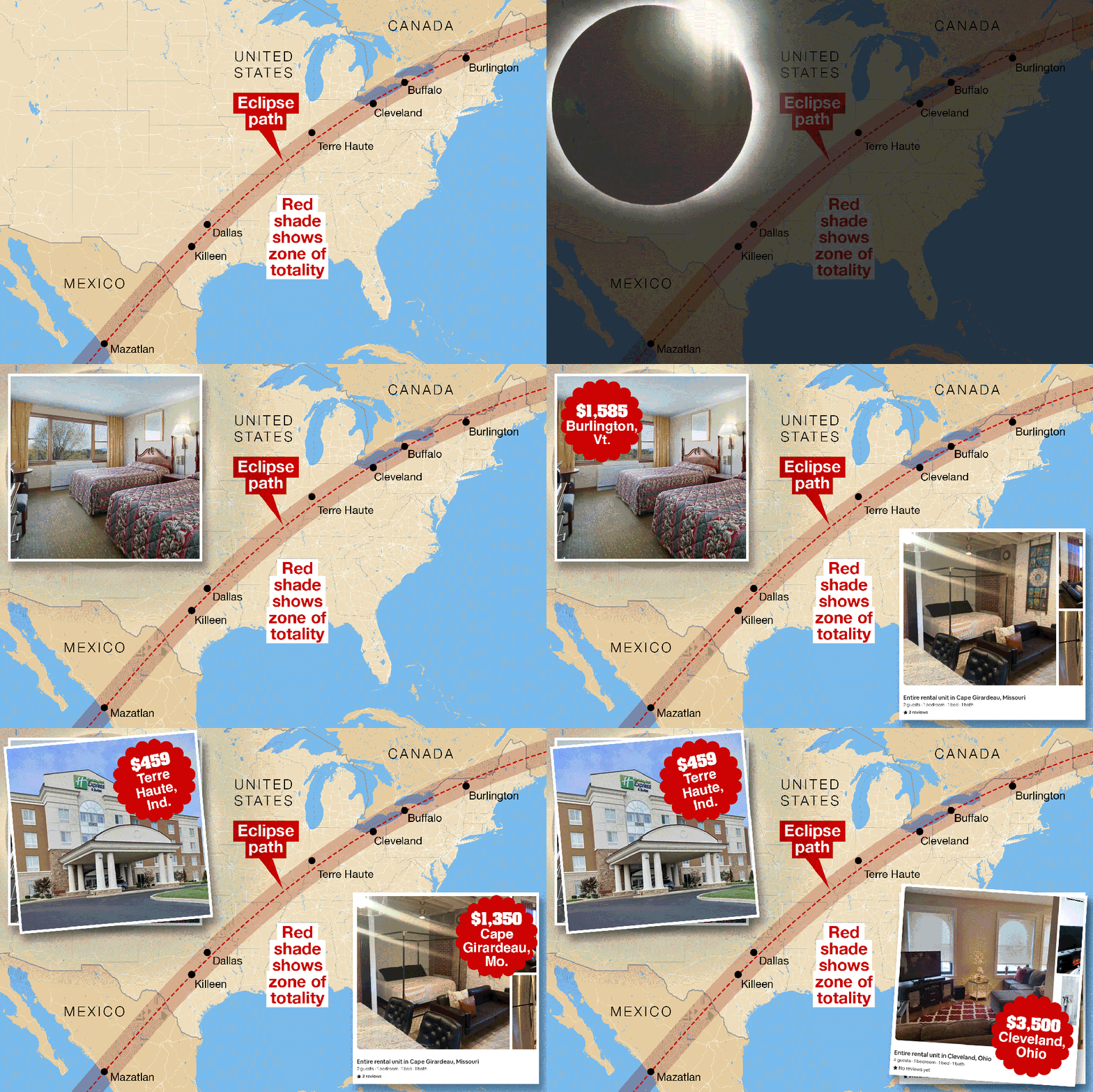
Prices to witness the upcoming solar eclipse in the US are soaring, with hotels charging up to 10 times their regular rates for rooms along the eclipse's path of totality. Airfares are also up, with flights likely to operate within the eclipse's path seeing fares up to four times higher than other times. Eclipse chaser David Makepeace, who has spent $250,000 on seeing 26 eclipses, is heading to Mazatlan, Mexico, to lead a group witnessing the eclipse from the beach, as he found roadside motels in South Texas to be too expensive. Meanwhile, some travelers are resorting to creative solutions, such as renting accommodations from congregants at a church in Burlington, Vermont, or flying private to chase the eclipse.
Speculation is growing about the impact of Alaska Airlines' planned acquisition of Hawaiian Airlines on airfares, with one study suggesting a 38% increase in Hawaiian Airlines fares. However, this analysis overlooks the competitive nature of the Hawaii travel market and the dominance of price-sensitive leisure passengers. The merger may not result in significant fare increases, and traditional anti-trust analysis may not be the most relevant framework for evaluating the deal. The approval of the merger by the Department of Justice may be influenced by political factors, but the unique circumstances of Hawaiian Airlines' importance to the local Hawaii market could sway the Biden administration's decision. Overall, the merger may not make sense for Alaska Airlines, as it is entering a highly competitive market without a significant competitive advantage.
Airfares to popular destinations have dropped significantly, providing relief to consumers who have been facing high prices for goods and services. The decrease in prices suggests that the airline industry's rapid recovery from the pandemic may be slowing as the supply of tickets catches up with, and in some cases surpasses, demand. Airlines are lowering fares to attract more bookings, either due to slowing demand or increased competition. While Thanksgiving travel is expected to set a record, some airlines report that demand is slowing outside of peak travel periods. Smaller and low-fare carriers are particularly affected, with some reporting disappointing financial results. The drop in fares could be due to overcapacity or a decline in travel demand, but regardless, it is a welcome opportunity for consumers.
As fall arrives, airfares are dropping in Alaska, with lower rates to select destinations from Fairbanks and Juneau. Following the recent wildfire in Maui, the western part of the island is closed off to visitors, but business owners are encouraging tourists to stay in other parts of the island. Rental car prices in Maui have decreased, and there have been short-term sales on flights to Maui. Occupancy rates at Maui's hotels and condos are low, so discounted accommodations are expected to jump-start the tourism industry. Additionally, there are several cheap airfare deals between Alaska and the Lower 48, including destinations like Seattle, San Francisco, Salt Lake City, the Midwest, Fort Myers, and Raleigh. Fairbanks and Juneau also have special fall travel deals, with discounted fares to Seattle, Detroit, San Francisco, Los Angeles, and Atlanta.
Airfares have fallen, contributing to a decrease in overall inflation, with prices dropping 18.9% in the year through June and 8.1% between May and June. Last summer's surge in demand, coupled with high energy prices and reduced airline capacity, led to a spike in ticket prices. However, as airlines have hired more staff, increased flights, and energy prices have moderated, ticket prices have receded. It is challenging to analyze airfares due to seasonal disruptions during the pandemic and the predominance of domestic flights in the Labor Department's price index.
Americans may be pulling back on post-pandemic spending on hotels, airline tickets, and other recreational activities, a trend that could help slow inflation. After two years of "revenge spending," hotel prices have recently climbed much more slowly on a year-over-year basis, and airfares are flatlining. Consumers may be increasingly cautious as they face high costs after several years of rapid inflation and worry that the Fed's interest rate increases might soon push the economy into a recession.
United Airlines CEO, Scott Kirby, discussed airfares, delays, and passenger compensation during an interview with CNBC. Kirby stated that airfares are likely to increase as demand for travel returns, but he also emphasized the importance of providing good customer service and compensating passengers for delays and cancellations. He also discussed the challenges of managing the airline's operations during the pandemic and the need for continued government support for the industry.
Airfares for summer travel are mostly up due to high demand and limited airline capacity, especially for international flights. Flights to Europe are averaging 34% more than they cost last year, while flights to Asia and Oceania are even more expensive. Domestic flights are seeing slightly lower fares but remain higher than pre-pandemic pricing. Limited airline capacity, staffing issues, and high jet fuel prices are driving prices up.