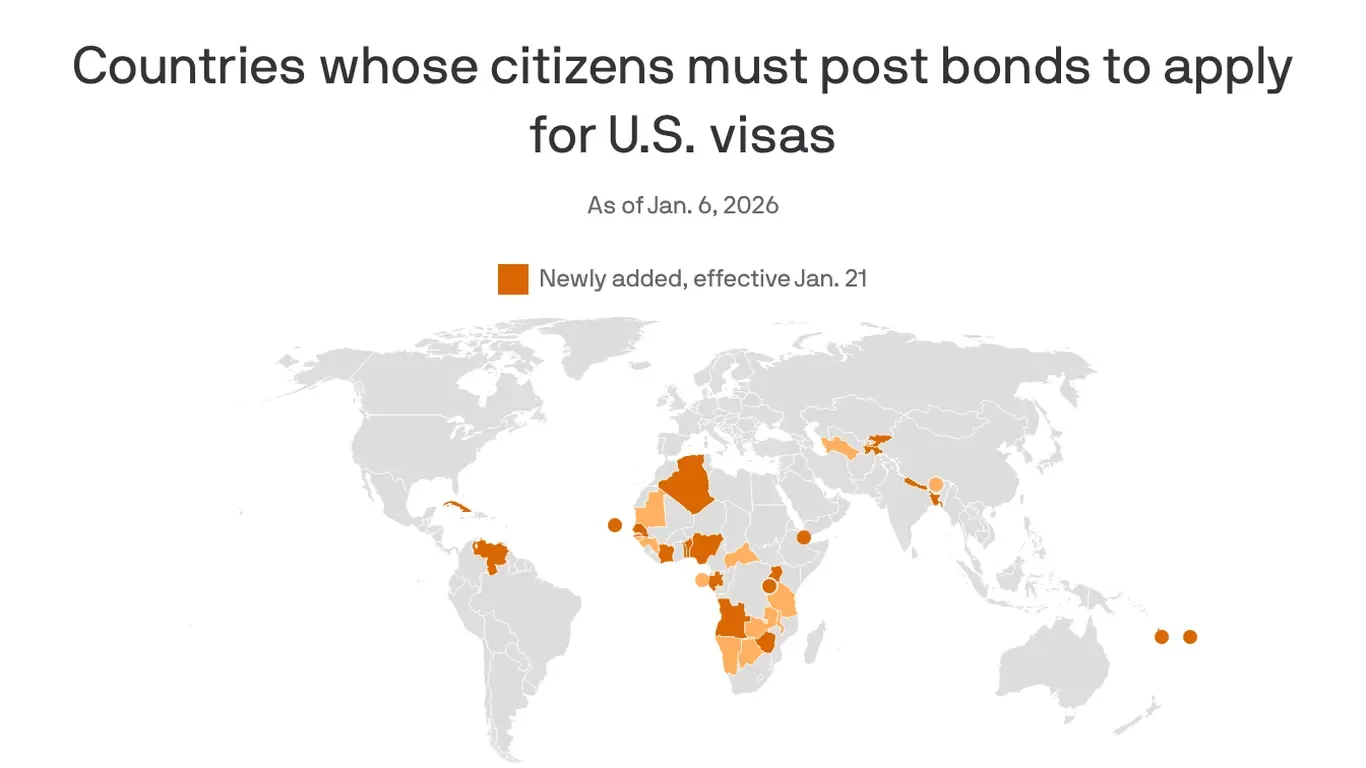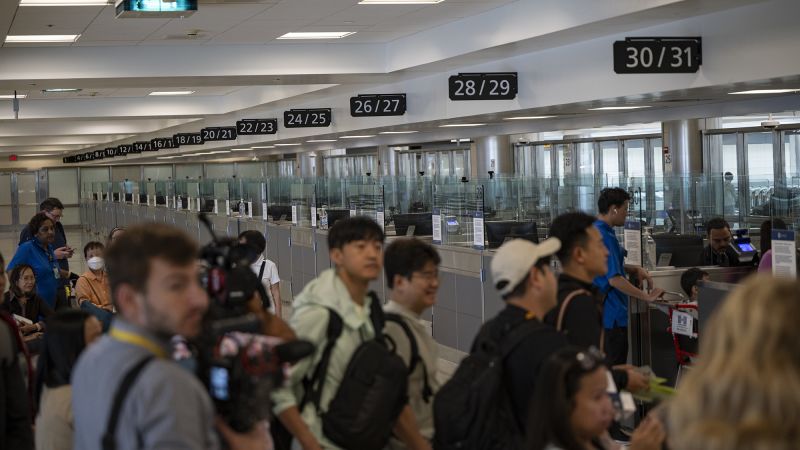
The Trump administration has expanded its visa bond policy to include 25 additional countries, mostly in Africa, South America, and Asia, requiring travelers to post bonds up to $15,000 as part of efforts to reduce visa overstays and immigration. The new requirements will take effect on January 21, affecting visa applicants from these countries, with some countries like Venezuela and Cuba being added amid geopolitical tensions. The policy aims to deter overstays but does not guarantee visa approval.
Google has warned employees on US visas about significant delays in visa re-entry processing at US embassies and consulates, which can extend up to 12 months, due to enhanced social media screening and vetting procedures, urging affected staff to avoid international travel to prevent being stranded outside the US.
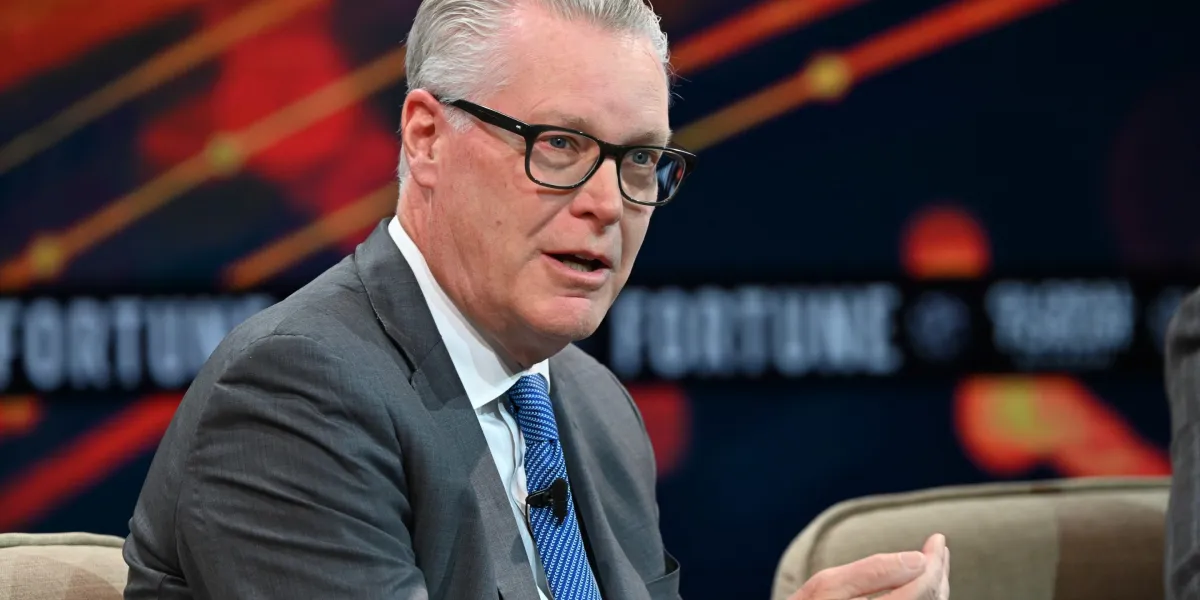
Delta Air Lines is launching the first-ever direct flights from the U.S. to Riyadh, Saudi Arabia, marking a significant step in strengthening US-Saudi relations and supporting Saudi Arabia's Vision 2030 to boost tourism and diversify its economy. Despite initial hesitations due to historical tensions, Delta CEO Ed Bastian believes the route will gain popularity as more Americans discover Riyadh's attractions and hospitality. The new route connects Atlanta to Riyadh, with strategic cooperation between Delta and Saudi's Riyadh Air, aiming to enhance global connectivity and economic growth.
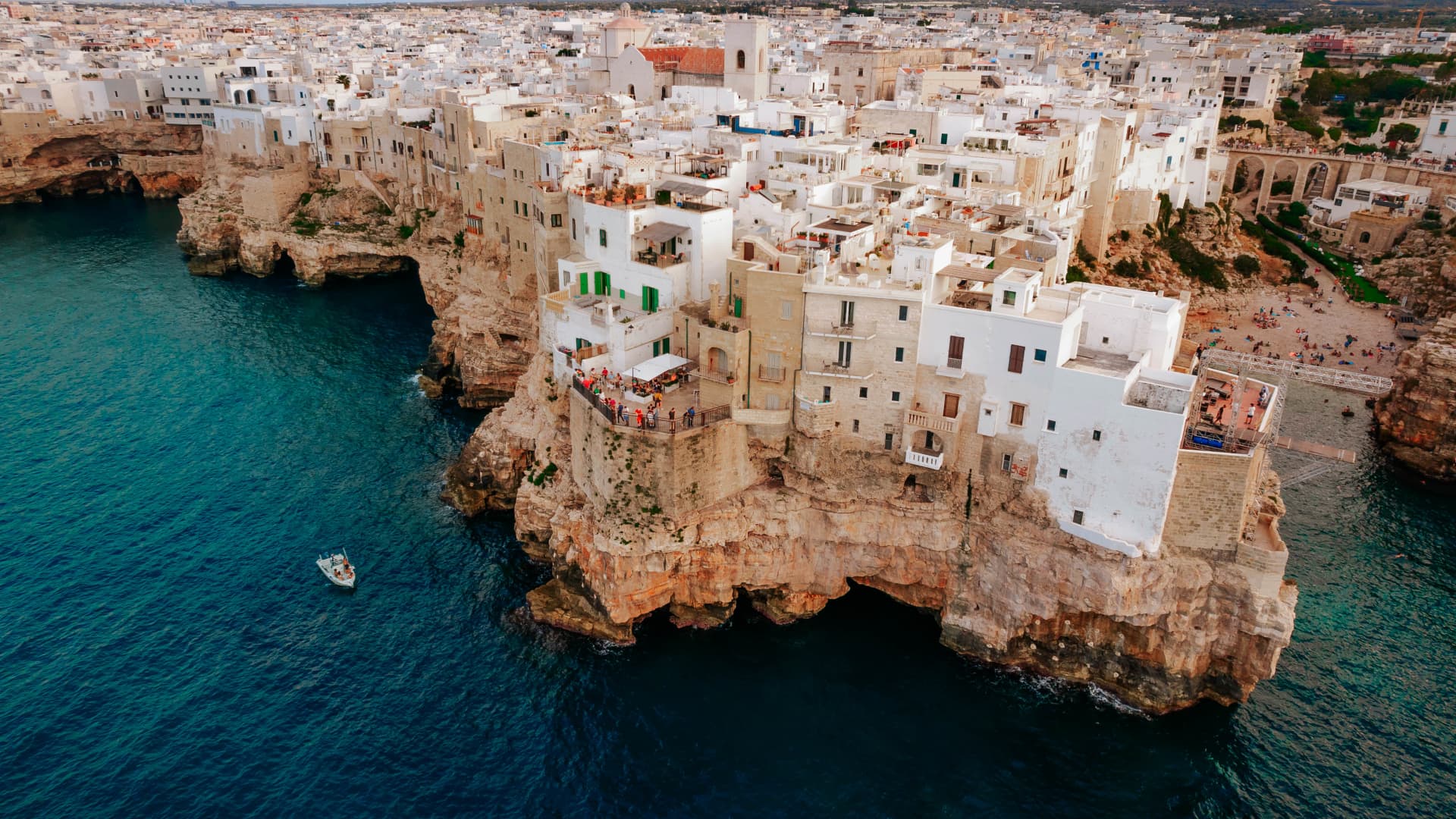
United Airlines announced new nonstop flights for summer 2026, including routes from Newark to Croatian cities Split and Bari, Spain's Santiago de Compostela, Iceland's Reykjavik, South Korea's Seoul, and Scotland's Glasgow, targeting high-spending travelers seeking direct access to smaller European cities and beyond.
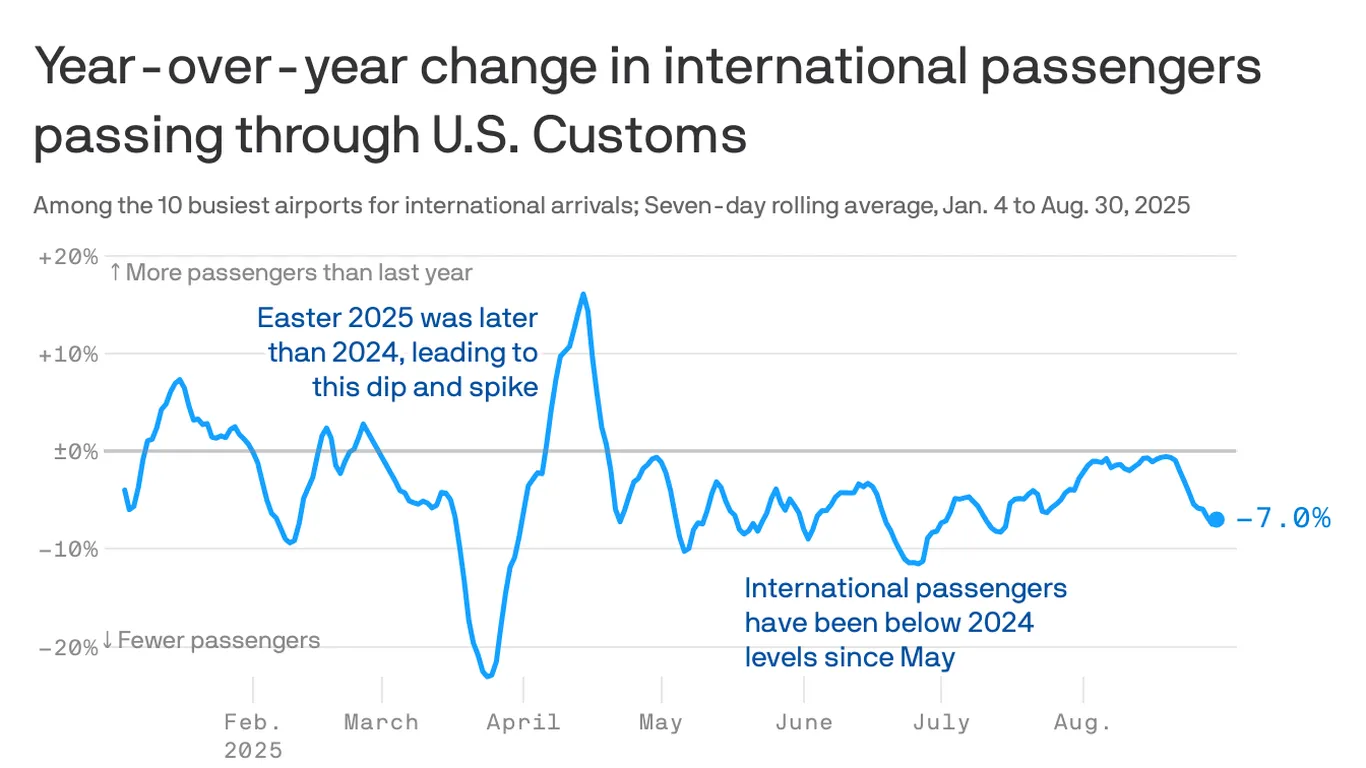
Foreign travelers, especially Canadians, are avoiding the U.S. due to tariffs, anti-foreigner rhetoric, and immigration enforcement, leading to a significant decline in international tourism, which is impacting local economies, despite some cities experiencing gains from other regions.
A significant decline in international tourism to the U.S. is ongoing and may persist beyond summer, driven by political rhetoric, policies, and global perceptions, affecting destinations from Buffalo to Las Vegas, with some regions experiencing less impact due to local factors.
A significant decline in international tourism to the U.S. is ongoing, attributed to political rhetoric, tariffs, and immigration policies under President Trump, with experts warning this trend may continue beyond summer, affecting destinations and local economies.
The U.S. CDC has issued a travel warning for five countries—Finland, Germany, Spain, the UK, and Kenya—due to circulating polio, advising travelers to practice enhanced precautions and ensure up-to-date vaccinations to prevent infection.
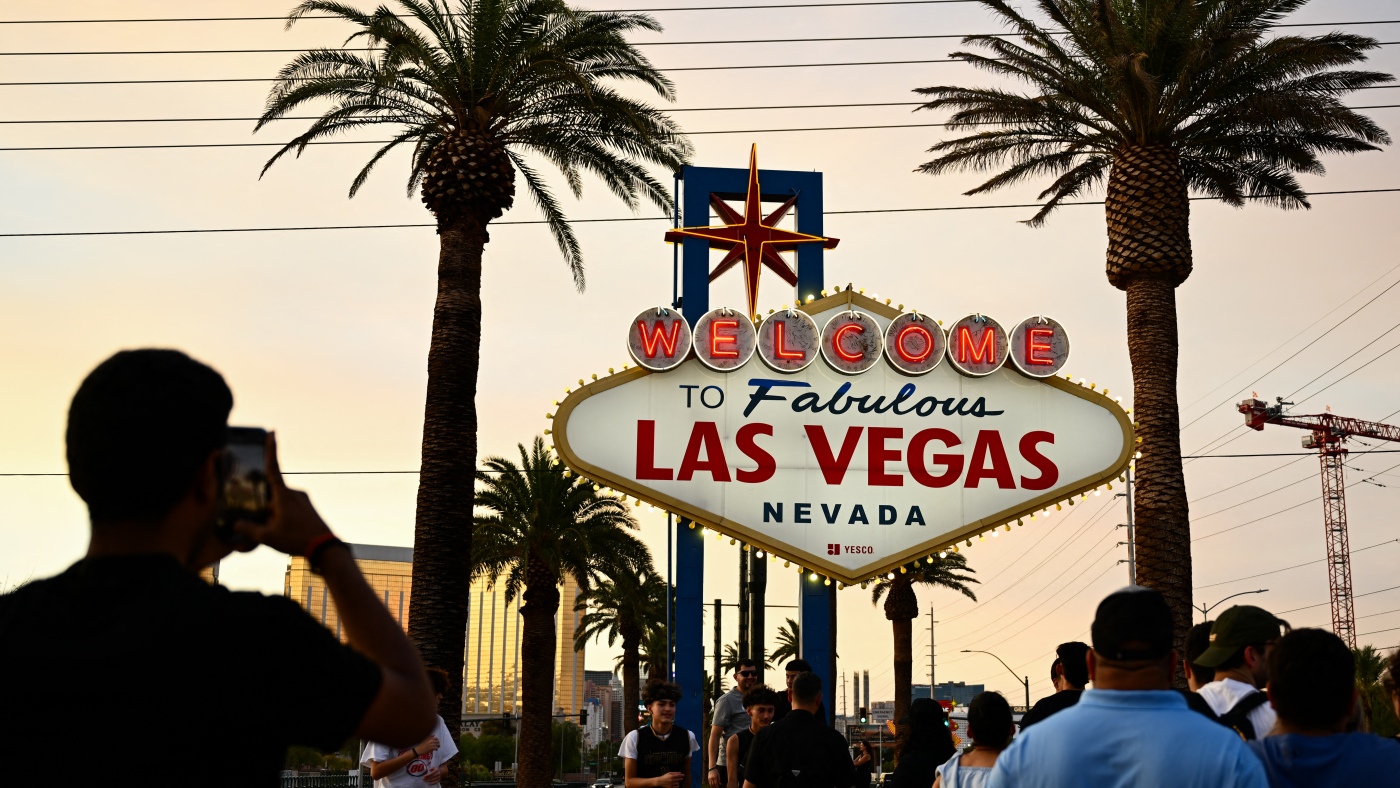
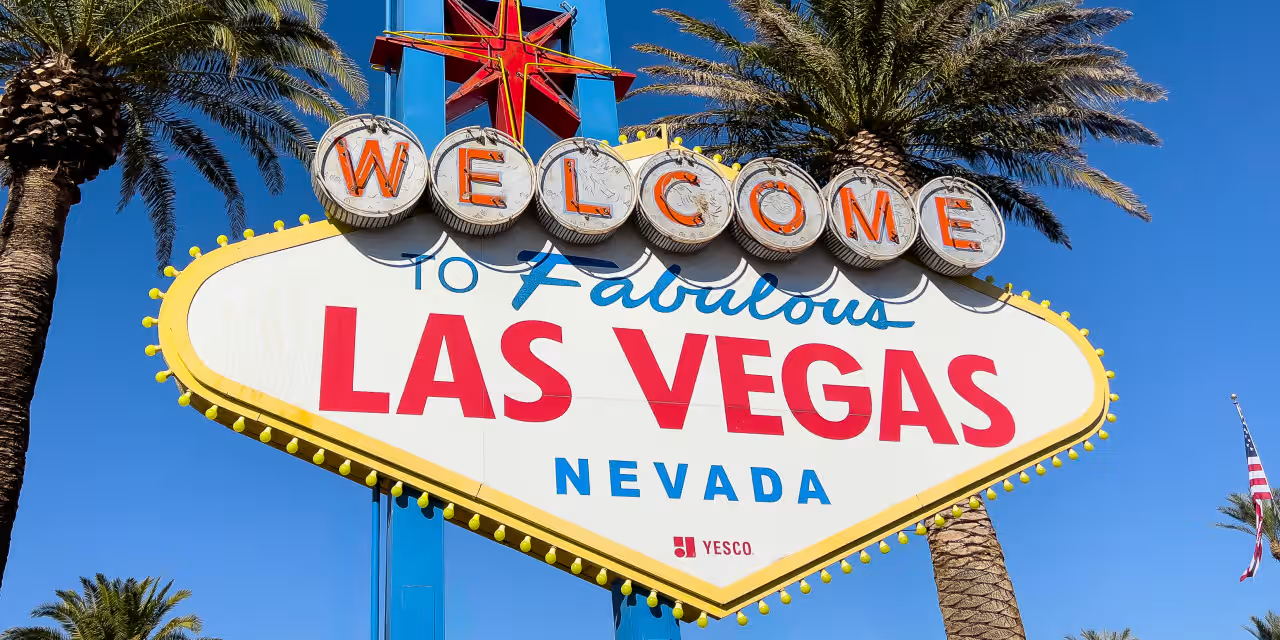
Las Vegas is experiencing a decline in tourism for the sixth consecutive month, reflecting broader economic uncertainties and reduced international travel, especially from Canada, which may signal a potential slowdown in the U.S. economy. Despite some positive indicators like casino revenue and convention attendance, concerns about inflation, tariffs, and stricter visa policies are impacting travel and spending habits, raising questions about the sustainability of the recent tourism boom.
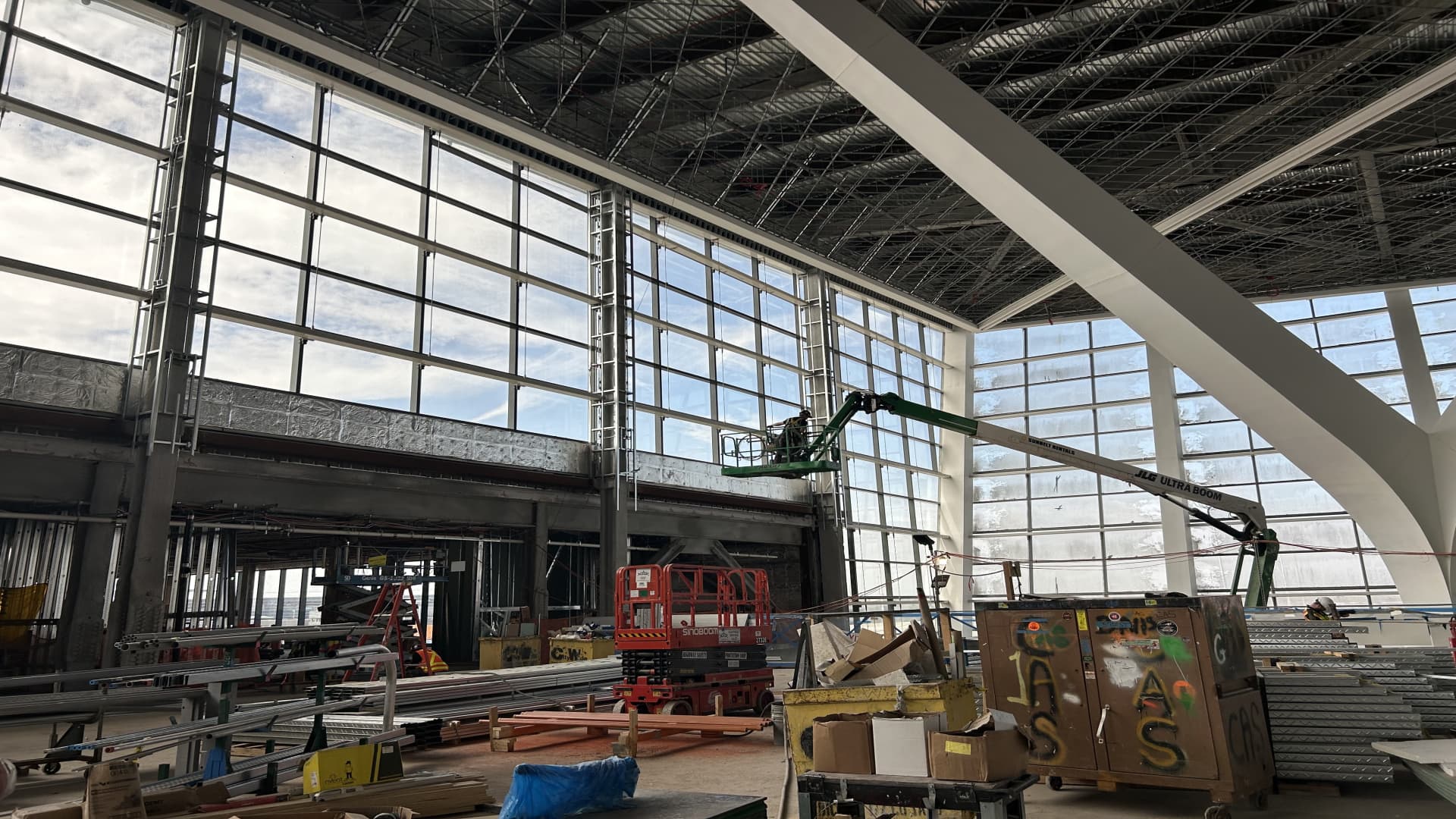
JFK's new $9.5 billion Terminal 1, set to open in mid-2026, is a large, light-filled facility dedicated to international travelers, featuring modern design, extensive retail space, and advanced infrastructure, as part of a broader $19 billion overhaul of the airport.
Las Vegas is experiencing a tourism slump due to rising costs, including expensive dining, hotel rooms, and entertainment, coupled with a decline in international visitors, especially Canadians, driven by broader economic and political factors. Despite promotional deals, many travelers find the city less affordable and are reducing their visits, shifting their focus to national parks and other destinations.
The US will introduce a new $250 'visa integrity fee' for most nonimmigrant visa applicants, aimed at funding border security and immigration enforcement, which may increase travel costs and potentially discourage visitors. The fee is refundable under certain conditions, but details are still unclear.
International inbound travel to the U.S. in 2025 shows mixed results, with a significant decline in Canadian visitors and an increase in Mexican visitors, impacting overall travel spending and industry earnings.
North Korea has temporarily banned foreign tourists from visiting the newly opened Wonsan-Kalma beach resort, citing unspecified reasons, after initial visits by Russian tourists and amid ongoing efforts to reopen borders post-COVID-19. The move raises concerns about the resort's future viability and the country's broader tourism prospects.
A Wells Fargo banker, Chenyue Mao, has been blocked from leaving China after arriving for a work trip, prompting the bank to suspend all travel to China. Mao, who recently took on a new role as chairwoman of FCI, is facing an exit ban that is part of a broader pattern of travel restrictions used in China for various reasons, often without clear explanations. The situation highlights the increasing use of exit bans as leverage or intimidation tactics by Chinese authorities.