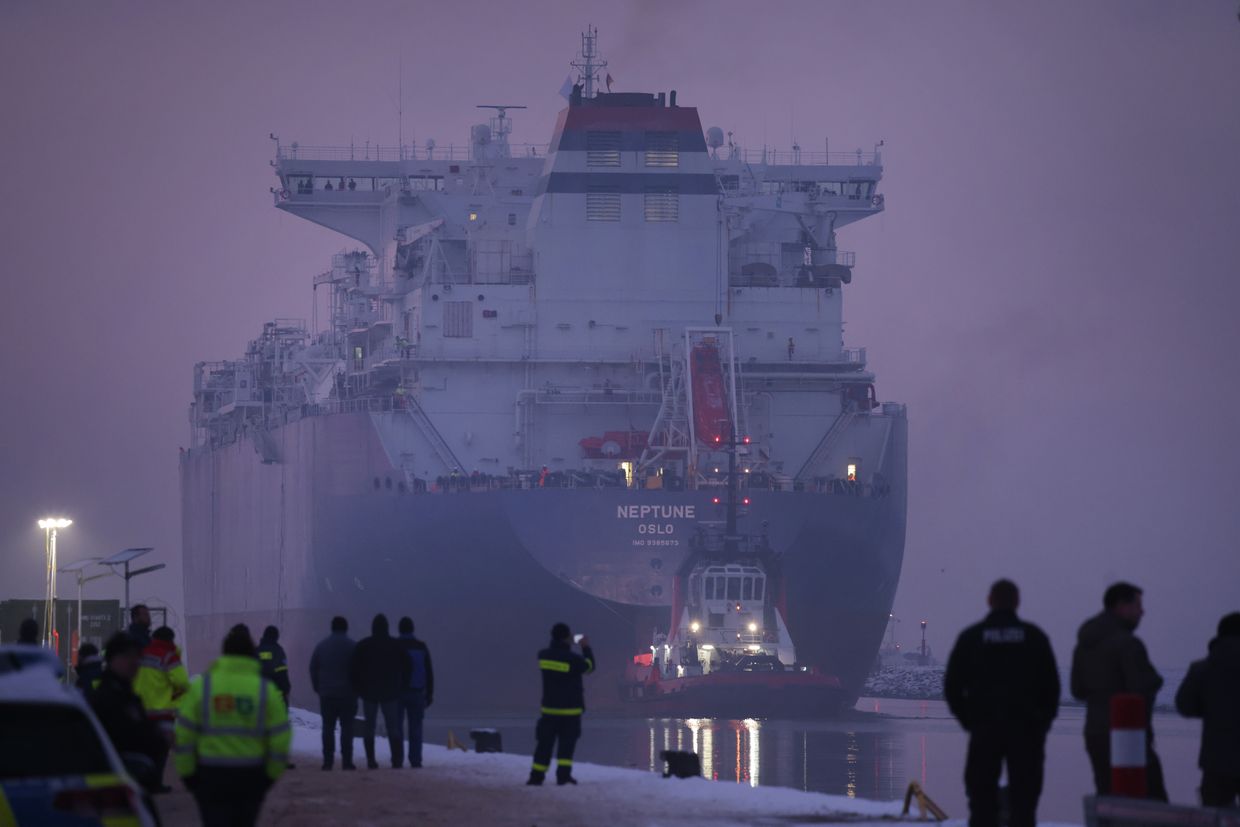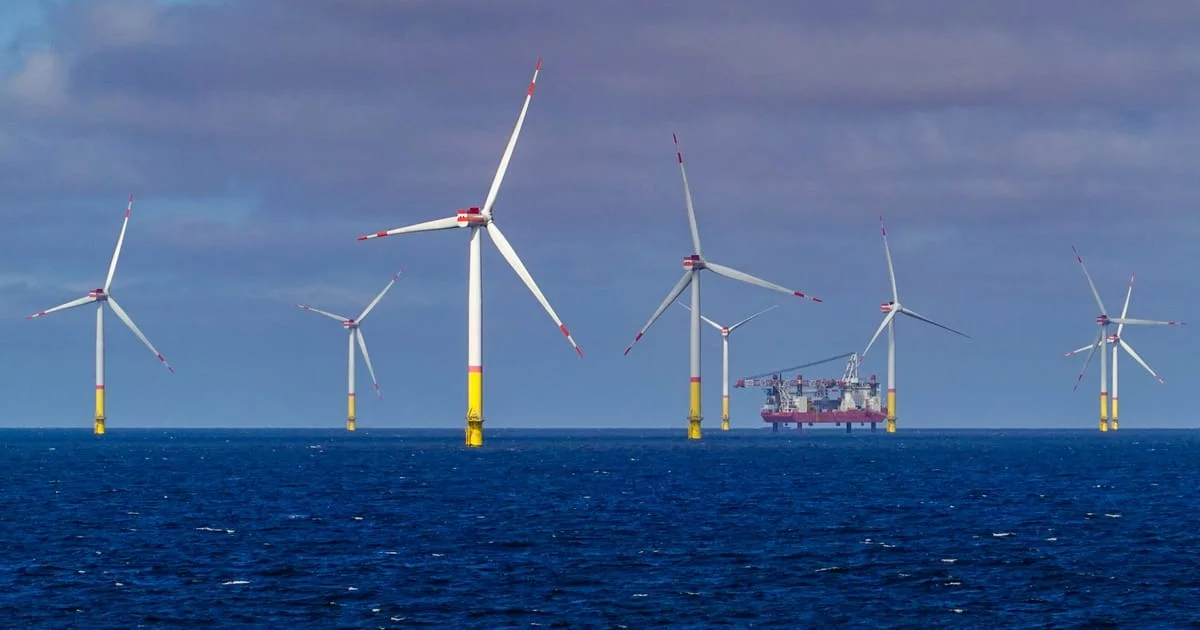
The EU has reached a provisional agreement to phase out Russian natural gas imports, with a full ban on LNG by late 2026 and pipeline gas by late 2027, as part of its strategy to reduce dependency on Russian energy and enhance energy security.
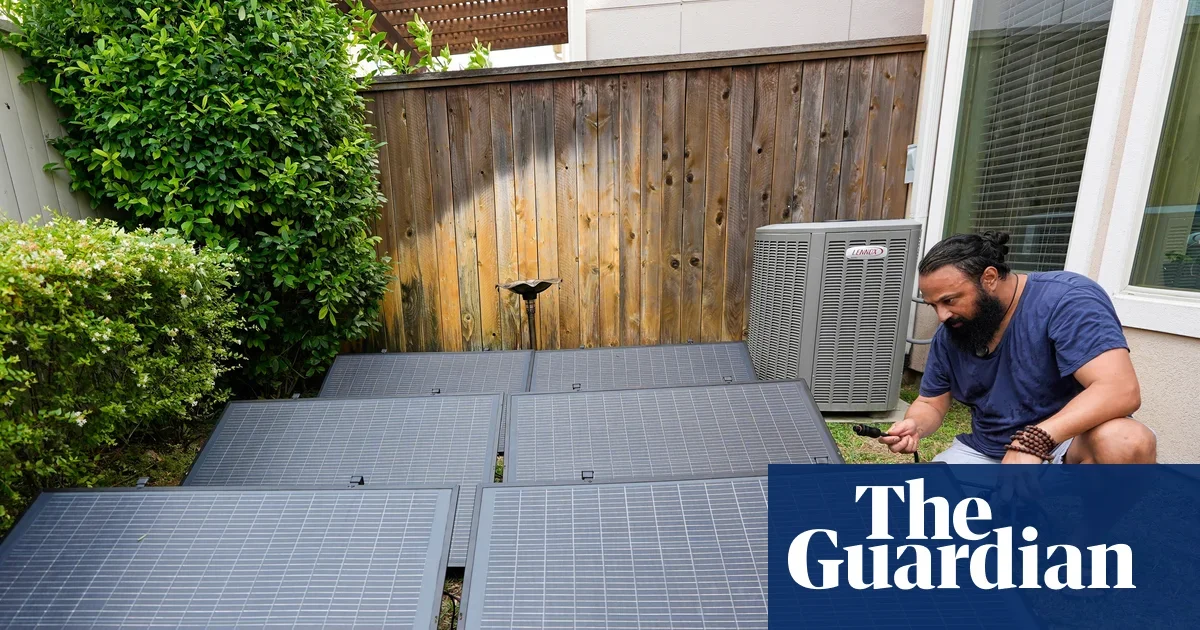
Legislation in US states like Utah, New York, and Pennsylvania is paving the way for widespread adoption of balcony solar panels, small plug-in devices that can power home appliances and increase energy independence, especially benefiting renters and low-income households. These panels are already popular in countries like Germany and could significantly boost renewable energy use in the US by overcoming regulatory barriers and reducing installation costs.
Gas prices are at a five-year low for Labor Day, driven by increased American energy production under President Trump, leading to savings on gas, airfare, and hotel rates for travelers.
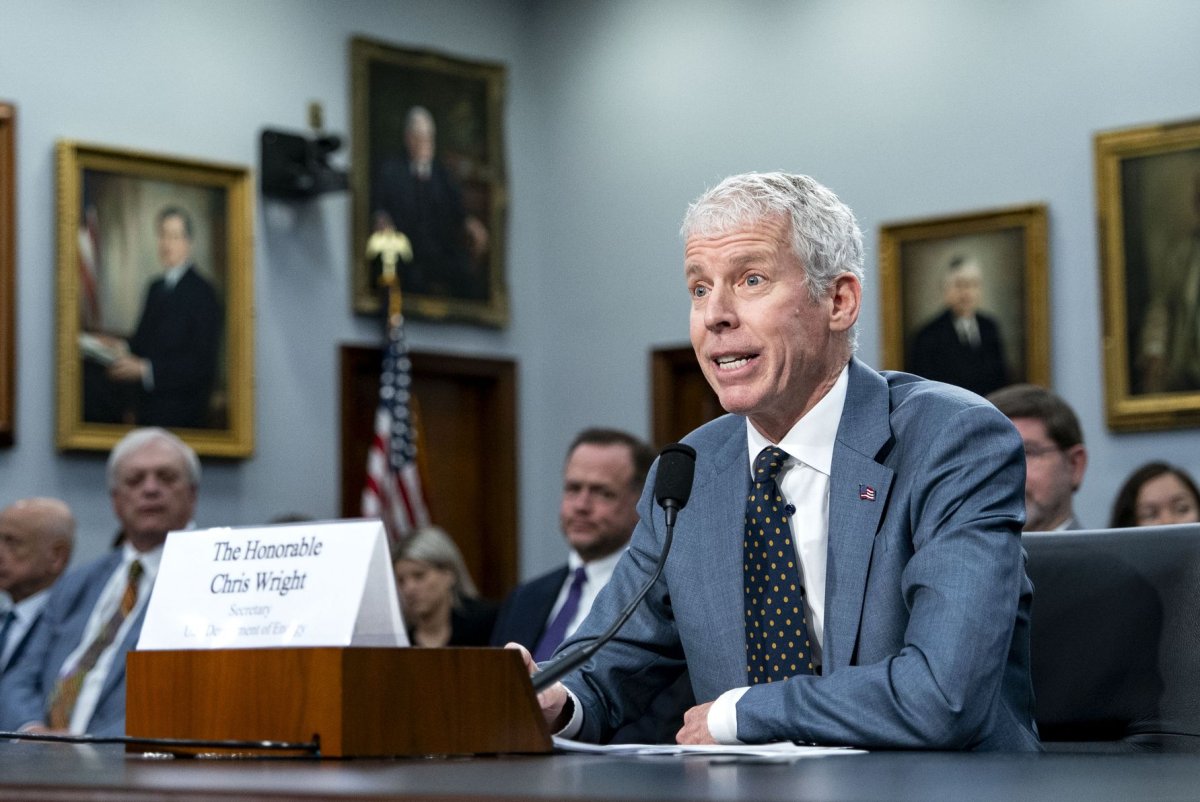
The U.S. Department of Energy approved an exchange of up to one million barrels of oil from the Strategic Petroleum Reserve with ExxonMobil to support refinery operations affected by offshore supply disruptions, with ExxonMobil returning the oil and additional barrels at no cost to taxpayers, aiming to stabilize regional fuel supplies and maintain energy independence.
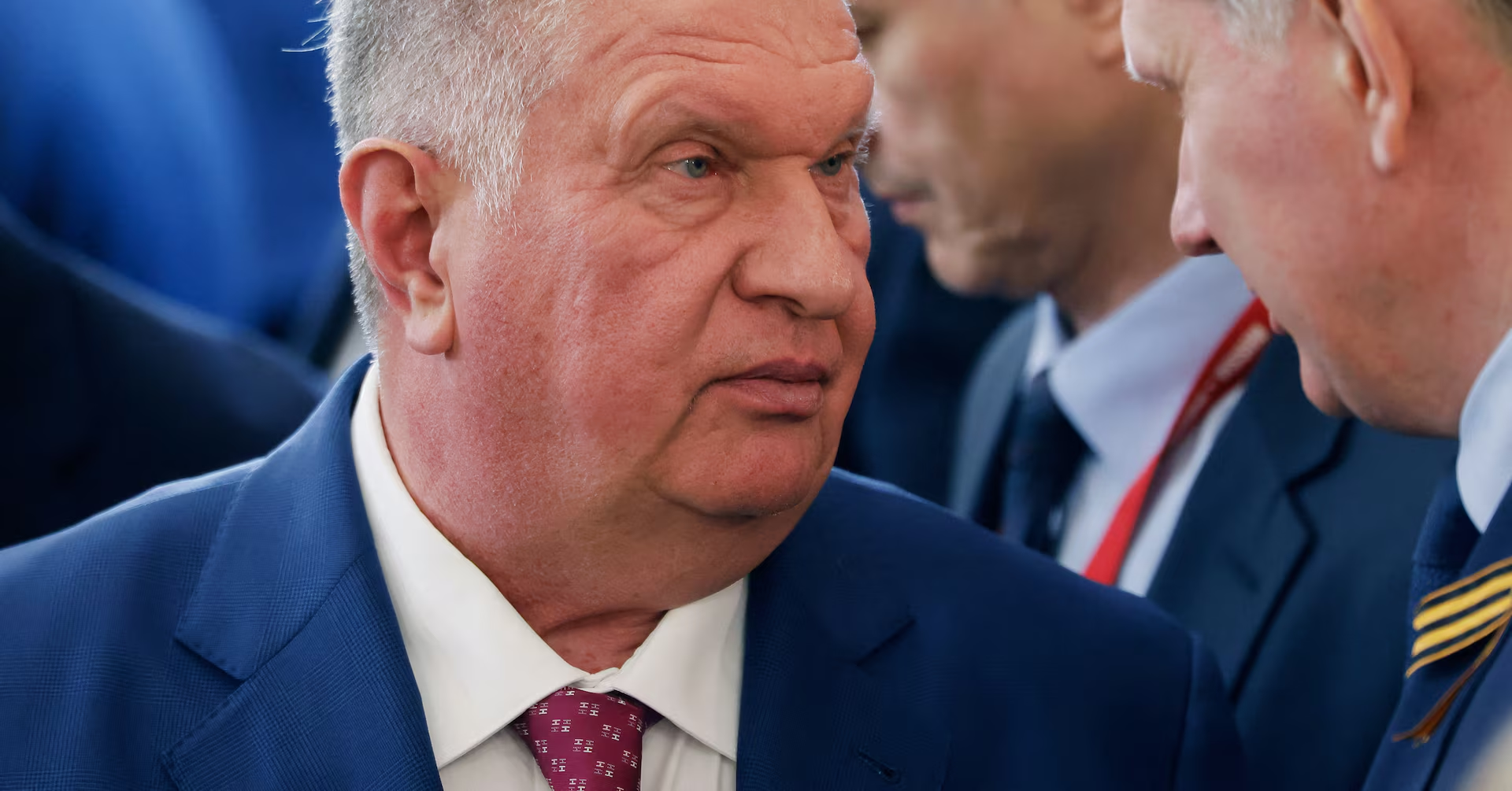
Russian oil executive Igor Sechin stated that China is striving for complete energy independence and could become a major energy exporter in the future, driven by increased electricity demand and investments in renewable and nuclear energy, which may impact global oil markets. Sechin also discussed geopolitical and economic factors influencing energy and global power dynamics.
The European Union has announced a comprehensive plan to end its reliance on Russian oil and gas by 2027, including banning new Russian gas contracts from 2026 and phasing out existing ones, as part of a broader effort to enhance energy security and transition to renewables. The move aims to cut off Kremlin-controlled energy sources, reduce geopolitical vulnerability, and promote cleaner energy sources across Europe, despite some opposition from heavily reliant countries like Hungary and Slovakia.
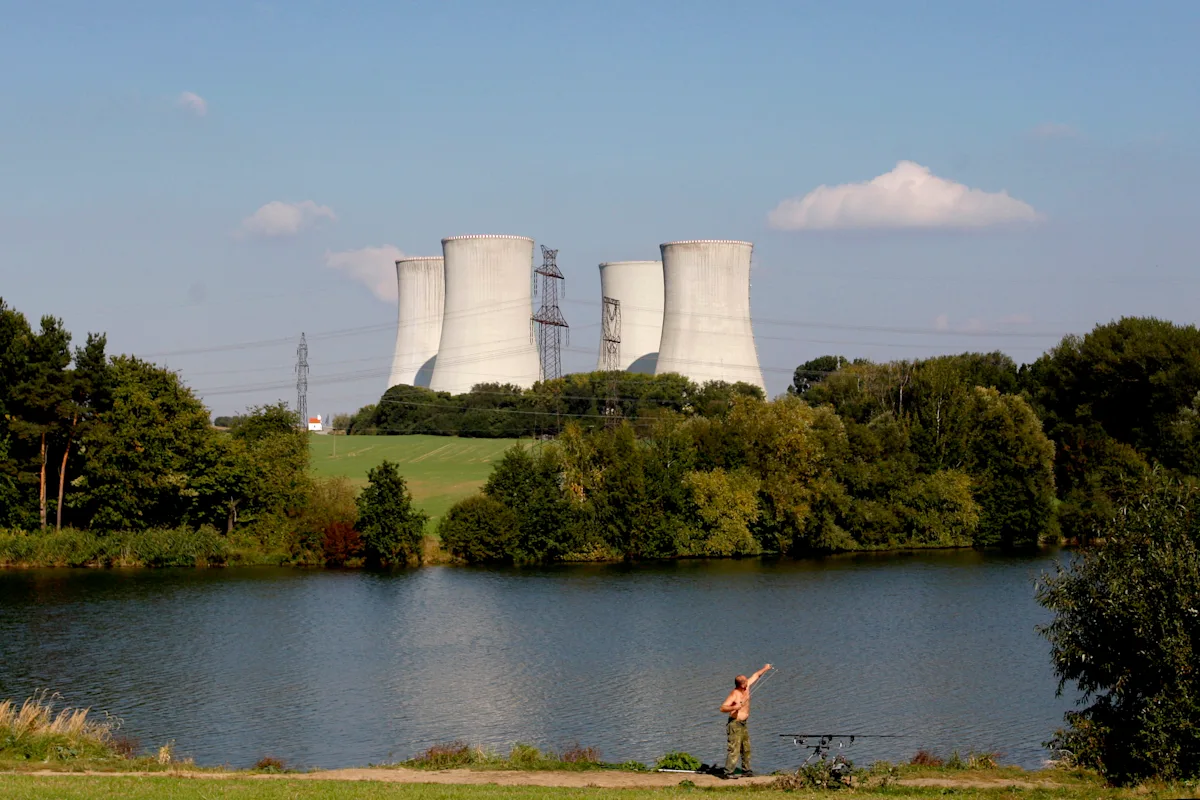
The Czech Republic signed a deal with South Korea's KHNP to build two nuclear reactors at the Dukovany power plant, following a court ruling that cleared legal obstacles, as part of its efforts to enhance energy self-sufficiency and reduce reliance on fossil fuels, with the first reactor expected operational by 2036.
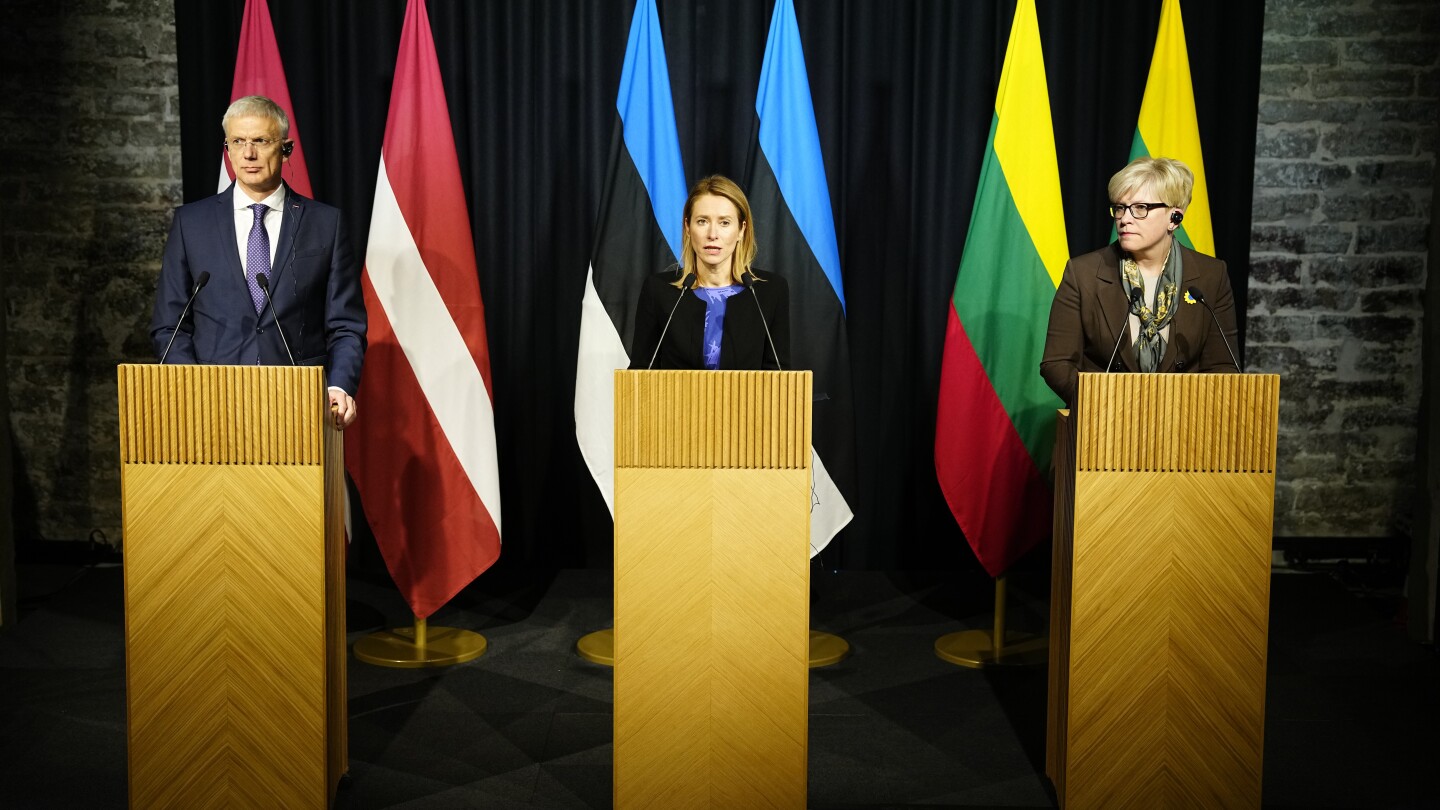
The Baltic countries of Estonia, Latvia, and Lithuania have officially notified Russia and Belarus that they will exit the Moscow-controlled electricity grid by February 2025, transitioning to the continental European energy network. This move, accelerated by Russia's invasion of Ukraine, aims to enhance energy security and independence from Moscow.
Former President Donald Trump held his first 2024 general election campaign rally in Pennsylvania, addressing immigration, energy independence, and ongoing trials. Thousands of supporters endured frigid weather to hear him speak, where he criticized President Biden's handling of the Mexico border and energy policies. Trump also discussed his upcoming trial, accusing it of being politically motivated. Immigration emerged as a top concern for rally attendees, with many expressing frustration over tax dollars, inflation, and job security. Trump also endorsed Republican candidate David McCormick for a Senate seat.
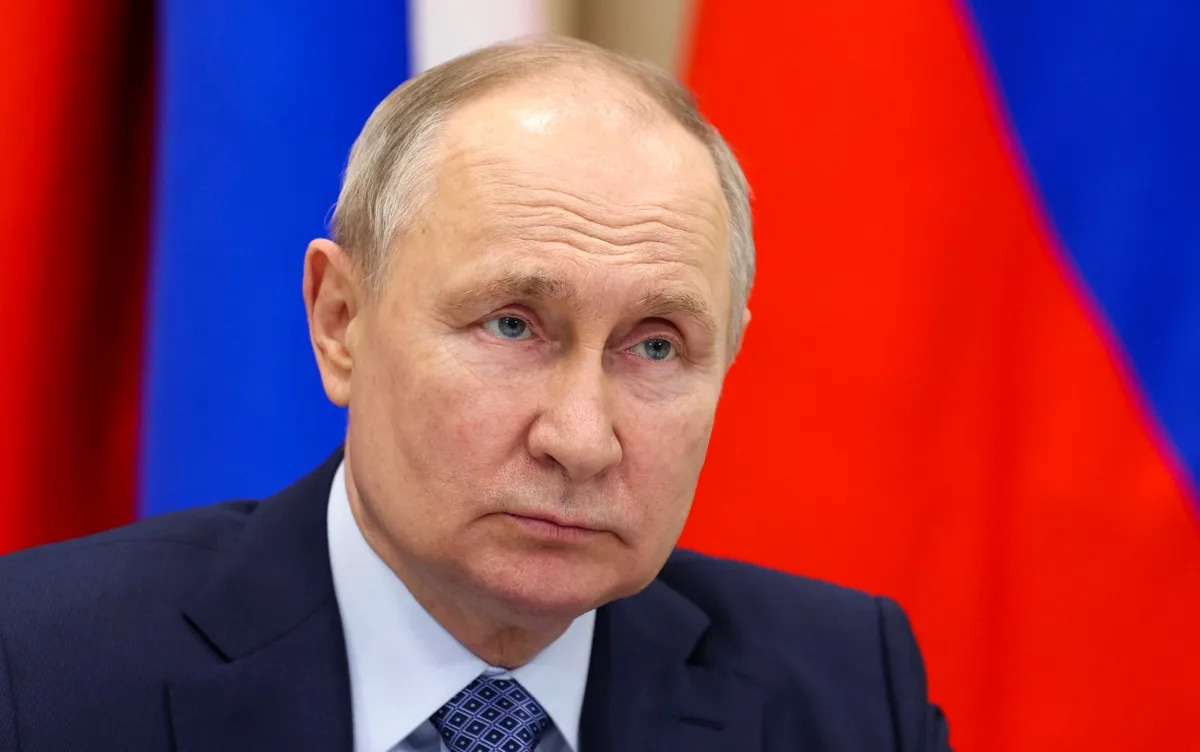
Europe has successfully reduced its reliance on direct Russian oil imports, dealing a blow to Vladimir Putin. Research by Rystad shows that the UK and much of Europe have shifted away from Russian oil and gas, turning to other suppliers such as the US and Canada. This shift has been facilitated by a surge in supply from non-Opec sources and a decrease in overall energy demand due to economic slumps. However, there are concerns that some of the apparent decline in trade with Russia could be illusory, as Russia may be selling more crude oil to countries like India, which is then processed and sold to the UK and Europe.
The US economy has outpaced Europe and other advanced economies, with a 3.3% gain in GDP in the fourth quarter of 2023 and a strong labor market. This is attributed to the massive economic stimulus, flexible labor laws, and energy independence. The US poured trillions into the economy, leading to sustained consumer spending, while a flexible jobs market and productivity spike have helped disposable income. Additionally, the US's status as a net exporter of energy has shielded it from the impact of soaring energy prices, unlike Europe.
Paolo Gentiloni, the European Commissioner for economic affairs, has stated that Europe is facing a "double crisis" due to the geopolitical impact of Russia's invasion of Ukraine and the subsequent economic hit to the continent. However, Gentiloni believes that Europe can avoid a recession, citing the region's ability to secure alternative energy supplies and provide relief to consumers facing high energy costs. The International Monetary Fund expects the euro area to grow at a rate of 0.8% this year and 1.4% in 2024. Gentiloni also highlighted the challenge of gaining energy independence, which has been costly for families and has fueled inflation.
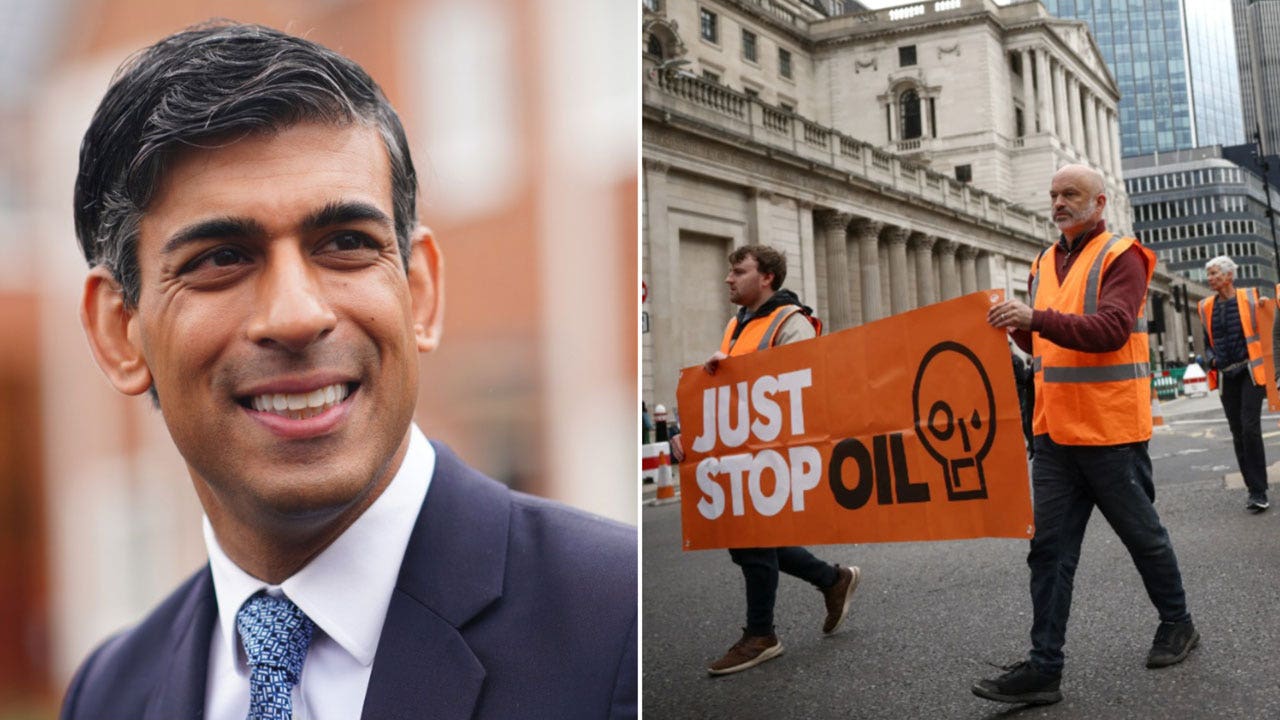
UK Prime Minister Rishi Sunak has announced plans to issue over 100 licenses for oil and gas extraction, despite objections from environmental activists. Sunak argues that this move will strengthen Britain's energy security, create jobs, and make the country more energy independent. The decision has sparked outrage from climate activists who believe it undermines efforts to combat climate change. The UK government aims to reach net zero emissions by 2050 but acknowledges that oil and gas will still be needed beyond that year. Critics argue that the focus should be on renewable energy sources rather than fossil fuels.
The first of two new nuclear reactors at Plant Vogtle in Georgia, Unit 3, has officially entered commercial service, marking the first new nuclear reactor built from scratch in the U.S. in over 30 years. The reactor can produce 1,100 megawatts of electricity, enough to power around 500,000 homes and businesses. While the completion of Unit 3 is a significant milestone for the country's nuclear industry, the project has faced delays and cost overruns. Unit 4 is expected to be finished by the end of Q1 2024. The Vogtle expansion aims to provide carbon-free electricity to meet Georgia's growing energy consumption and support the state's clean energy manufacturing projects.