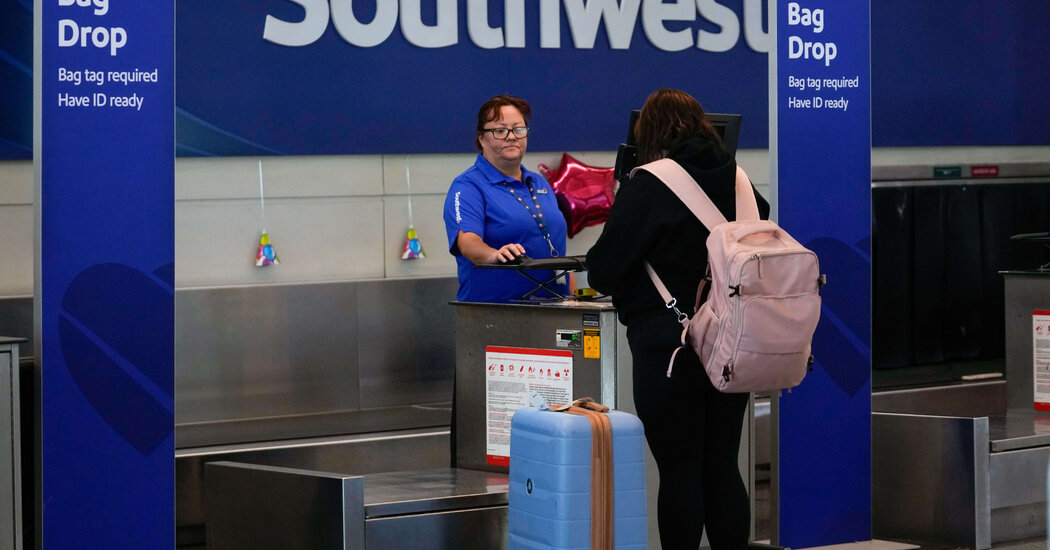
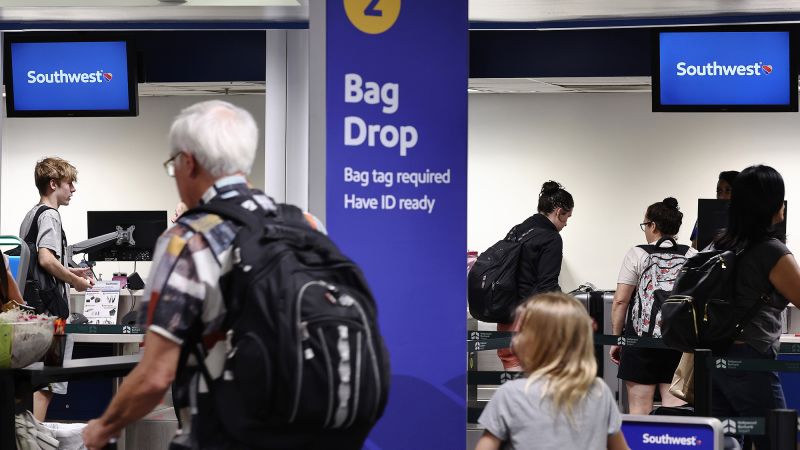
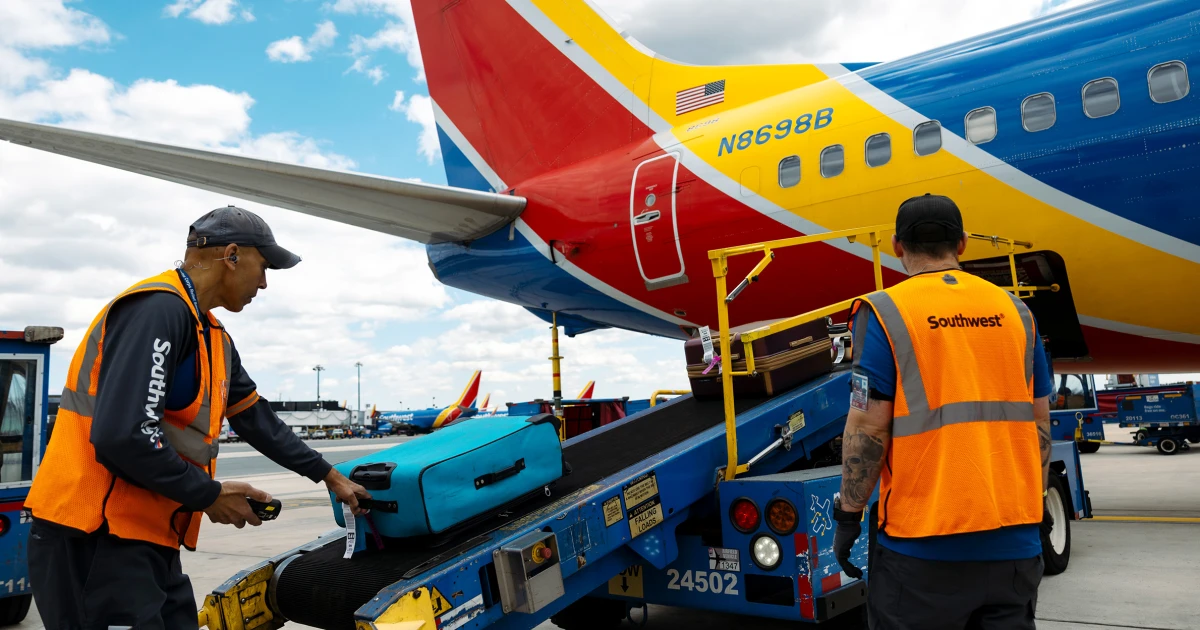
Southwest Airlines will start charging $35 for the first checked bag and $45 for the second, ending its long-standing policy of free checked luggage, aligning with other major U.S. airlines to boost revenue amid recent losses.
Southwest Airlines announced that starting May 28, it will charge $35 for the first checked bag and $45 for the second, ending its long-standing 'bags fly free' policy, in line with industry standards, to boost profitability amid industry changes and investor pressure.
Southwest Airlines is ending its longstanding policy of free checked bags, requiring most passengers to pay for checked luggage unless they qualify for certain loyalty or fare categories, in an effort to boost revenue amid recent financial struggles and policy changes like assigned seating and baggage charge implementation.
Southwest Airlines is ending its longstanding 'two bags fly free' policy starting Wednesday, a move driven by revenue pressures and industry trends, with exemptions for loyalty members and high-tier fares; the airline is also introducing new fare types and seat assignment options, while maintaining carry-on policies and upgrading its fleet to handle increased luggage.
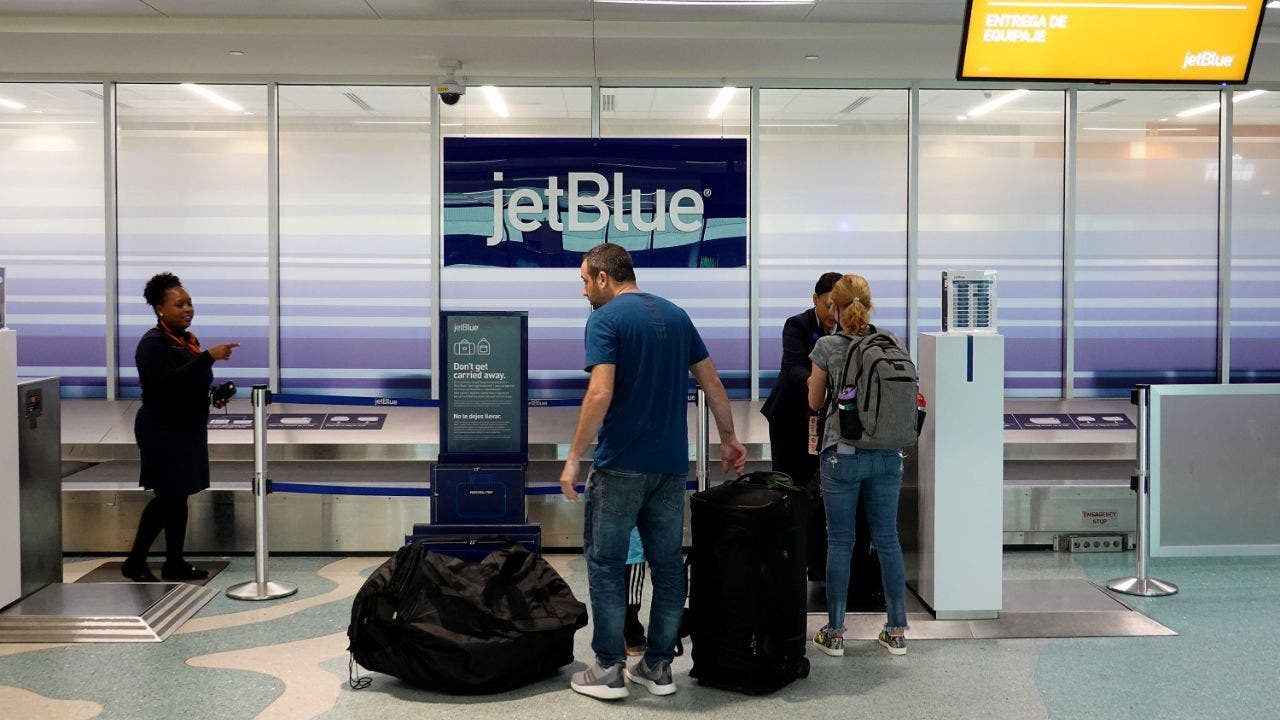
JetBlue Airways is implementing an additional fee for checked bags on peak travel days, adding $5 for the first bag and $10 for the second during high-traffic periods. The cost for checking bags within 24 hours of departure has also increased, with the carrier citing rising transportation costs due to increased wages and higher fuel costs. This move is part of the company's efforts to return to profitability, and it applies to flights within the United States, Caribbean, and Latin America during specific peak travel periods. Customers who booked before March 22 are exempt from peak pricing, and the airline is encouraging pre-payment for bags to save up to $10.
JetBlue, facing financial challenges and pressure from investors, has increased checked bag fees and introduced dynamic pricing for luggage, with higher fees for peak travel dates. This move comes after the airline's recent baggage fee increase and route cuts. The airline's strategy to boost revenue has drawn criticism for making itself less competitive and for contributing to the government's efforts to regulate airlines. Additionally, the tax code's encouragement of airlines to move prices into fees has been highlighted as a contributing factor to the situation.
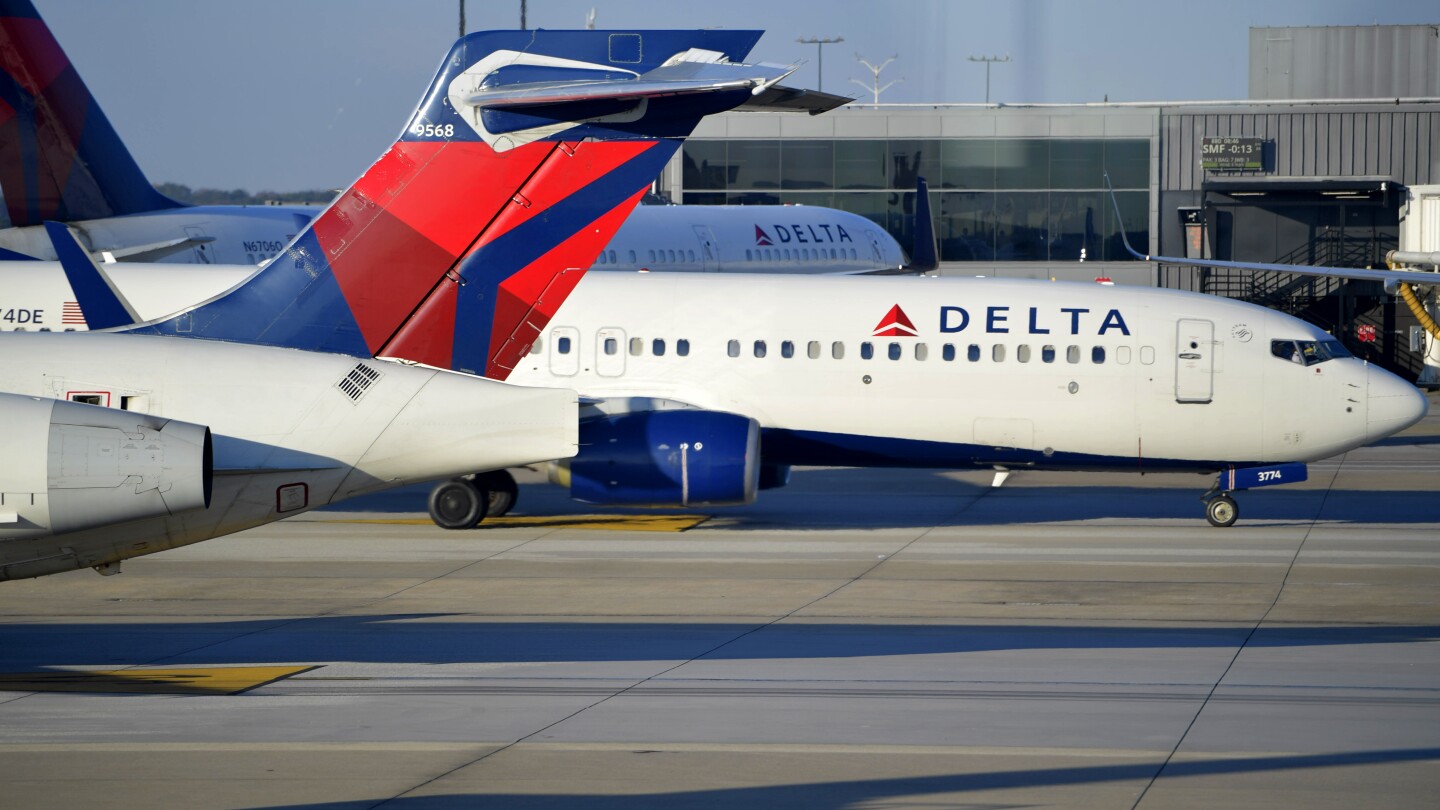
Delta Airlines has increased its first checked bag fee for domestic flights by 17%, bringing the total to $35, while the fee for a second bag has risen to $45. This move follows similar increases by American Airlines and United Airlines, and is attributed to rising industry costs. Bag fees have become a significant source of revenue for airlines, with U.S. airlines collectively earning $6.8 billion from checked-bag fees in 2022.
Several major airlines have raised their fees for checked bags, making it more important for travelers to find ways to reduce or avoid these costs. Some strategies include flying with airlines that still offer free checked bags, combining bags to reduce the number of checked bags, traveling light with only a personal item and/or carry-on bag, considering a fare upgrade that includes a baggage allowance, adding bags early to save money, using a luggage scale to avoid exceeding weight limits, and getting a credit card or joining a frequent flier program for potential baggage benefits.
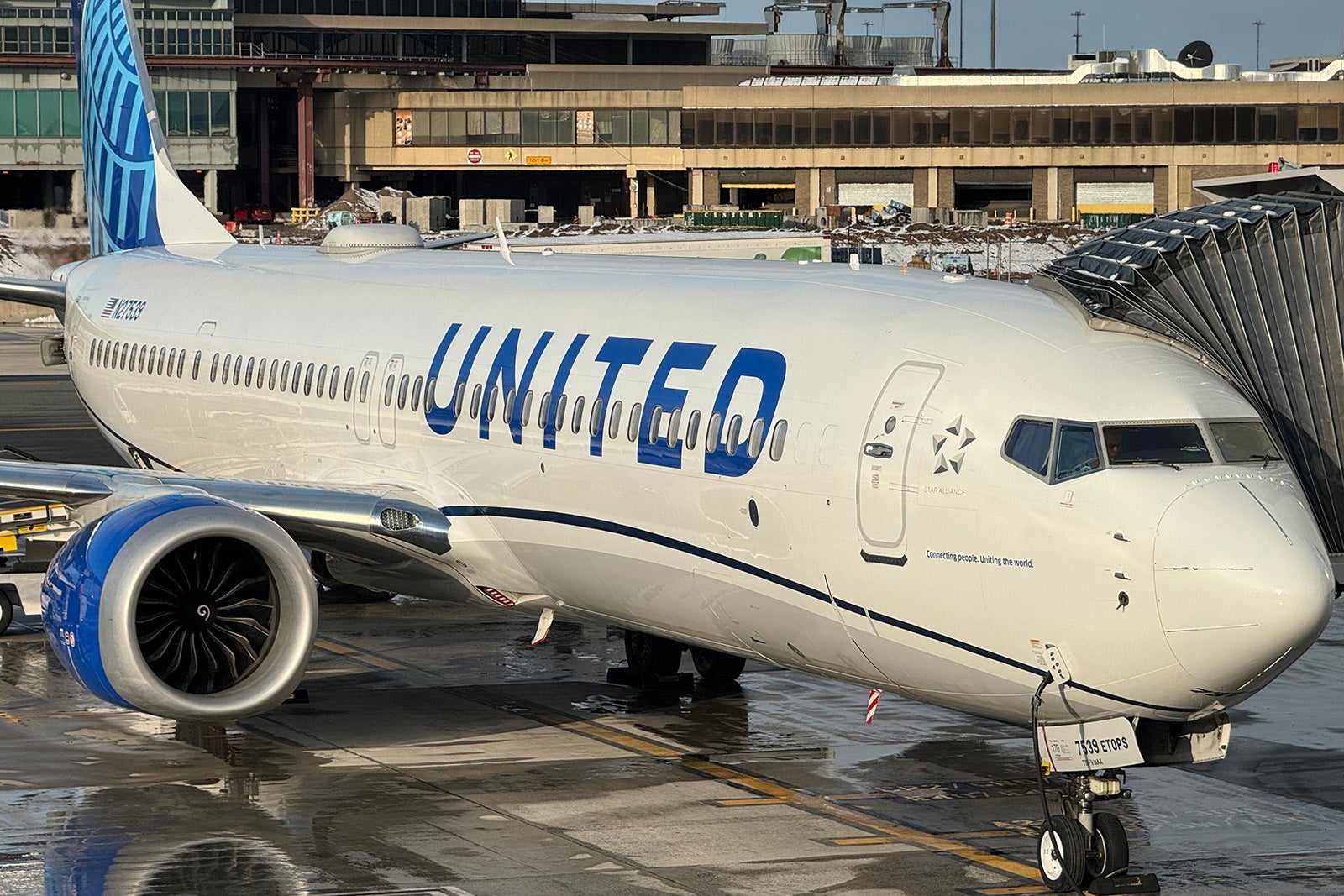
United Airlines has increased its checked bag fees, effective immediately, following a similar move by American Airlines. The new fees are $40 for the first checked bag and $50 for the second, with discounts for certain cardholders and elite status members. The rise in fees underscores the value of credit card perks, elite status benefits, and partnerships for avoiding baggage fees. While the increase may not significantly impact travelers who pack light, it could add up for families and frequent flyers over time.
Airlines such as United, American, and JetBlue are raising baggage fees, charging more for checking bags at the airport or close to departure compared to paying in advance online. This strategy aims to streamline operations and encourage early payments. The increase in fees is attributed to higher costs such as labor and fuel, with U.S. airlines generating over $5.4 billion from baggage fees in the first nine months of 2023. Southwest Airlines remains an outlier by allowing customers to check two bags for free, emphasizing operational efficiency and customer satisfaction.
United Airlines is increasing checked bag fees for North American travelers, with economy class passengers on domestic flights now paying an additional $5 for their first checked bag, bringing the total to $40. The fee for a second checked bag will also rise to $45 in advance online and $50 at the airport. The new policy applies to tickets purchased on or after February 24. Certain groups, such as United Chase credit card holders and active military members, are still eligible to check a bag for free. This move follows similar fee hikes by American Airlines, Alaska Air, and Jet Blue, as baggage fees continue to be a significant source of ancillary revenue for airlines.
United Airlines is increasing checked bag fees for domestic flights in North America, with the cost for the first checked bag rising to $40 and the second to $45 if paid in advance online. The new policy, effective for tickets purchased on or after February 24, also offers savings for passengers who pay in advance. Other airlines, including American, Alaska, and JetBlue, have also raised their bag fees recently, contributing to the significant revenue generated by airlines from baggage fees. United is also updating its mainline aircraft with larger overhead bins to accommodate more carry-on bags.
United Airlines is increasing its fees for checking bags on domestic flights, with economy-class passengers facing a $5 hike for the first and second checked bags. This move follows similar fee increases by American Airlines and JetBlue. Bag fees have become a significant source of revenue for airlines, with US carriers collectively earning $6.8 billion in checked-bag fees in 2022.
United Airlines is raising its checked bag fees by $5 for most travelers flying coach within North America, bringing the cost of the first checked bag to $40 and the second to $50. The changes apply to tickets purchased beginning Saturday, Feb. 24. This follows similar moves by other major U.S. carriers, including American Airlines, Alaska Airlines, and JetBlue, citing cost headwinds such as higher fuel and labor costs. However, MileagePlus members who earn free bags, including United Chase credit card holders and Premier elite status members, will not be affected.
The top 20 global airlines generated over $33 billion in revenue from baggage fees in 2023, marking a 15% increase from the previous year. Baggage fees have become a significant component of ancillary revenue for airlines, helping to offset other costs. American Airlines recently raised fees for first and second checked bags, marking its first increase in six years. Additionally, traditional airlines are also earning substantial revenue from fees associated with assigned seating, with global revenue from assigned seating potentially rivaling that generated by baggage fees.