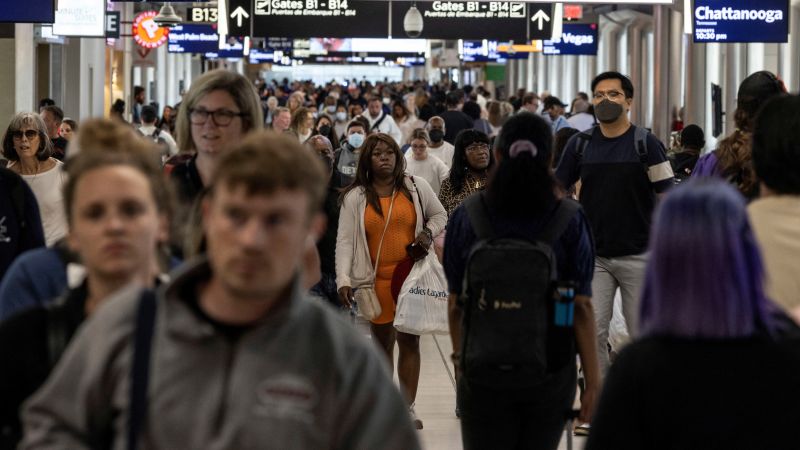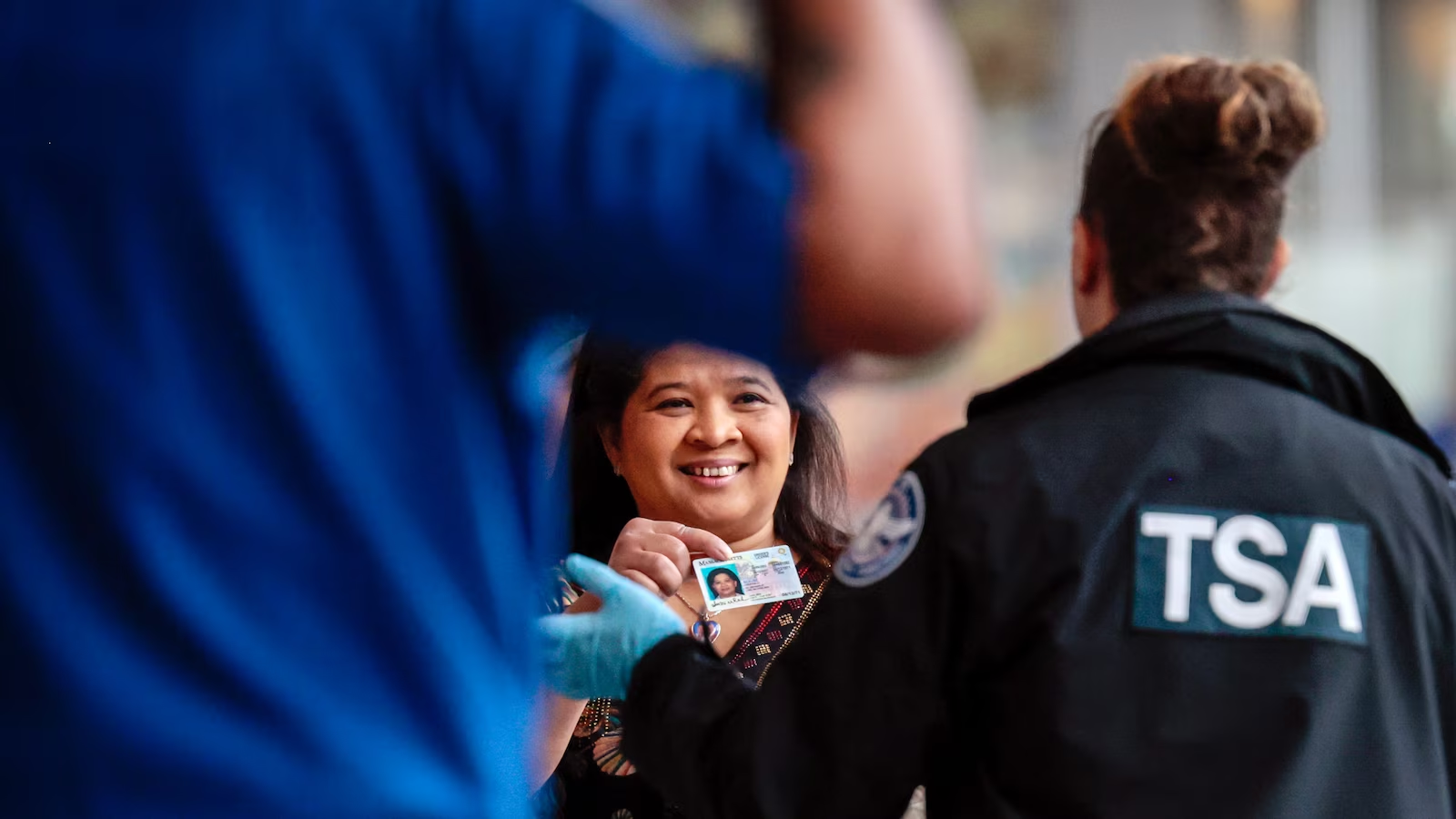
Starting February 1, 2026, travelers without a REAL ID or approved ID at U.S. airports will face a $45 fee and must verify their identity online before passing through TSA security, with the process taking up to 30 minutes. The REAL ID, which looks similar to a standard driver's license but includes a star, is required for domestic flights and federal access, but not for international travel, where a passport remains necessary.

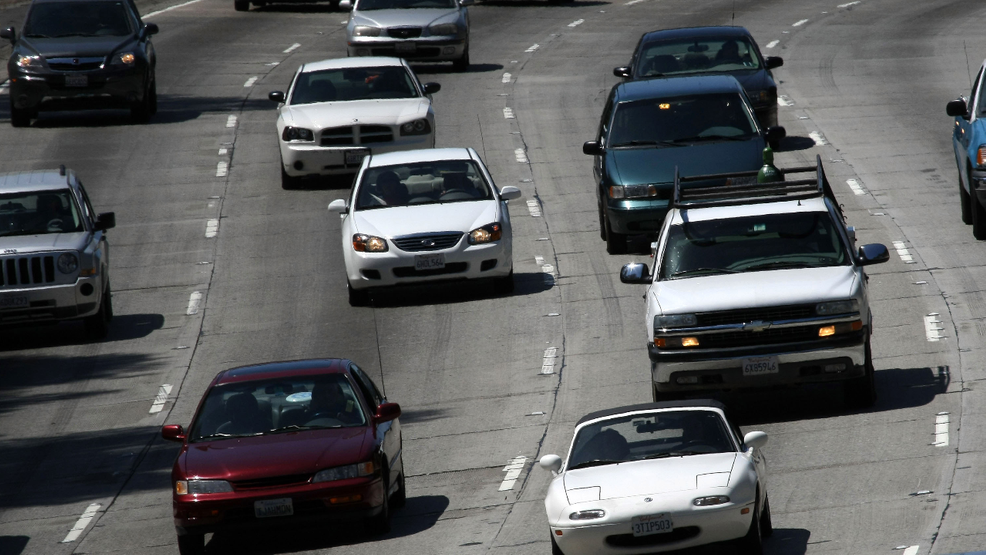
Rising costs, including gas, lodging, and food, have increased travel expenses by 20% since 2019, leading Americans to cut back on trips, favor domestic and road trips, and seek more affordable options due to reduced discretionary income caused by inflation.
Tourists from countries heavily affected by Trump's tariffs are avoiding US trips, leading to declines in international bookings, while UK travelers are increasingly opting for domestic holidays amid economic uncertainty. The US has seen a significant drop in overseas visitors, especially from Canada, Mexico, Japan, and Germany, with some countries like the UK maintaining steady travel due to lighter tariffs and trade deals. Overall, the global tourism industry is experiencing a slowdown due to the trade tensions.
U.S. tourism is facing a 'perfect storm' in 2025, with declining international and domestic travel due to economic factors, a strong dollar, border policies, and airline disruptions, leading to significant revenue losses and a cautious travel season.
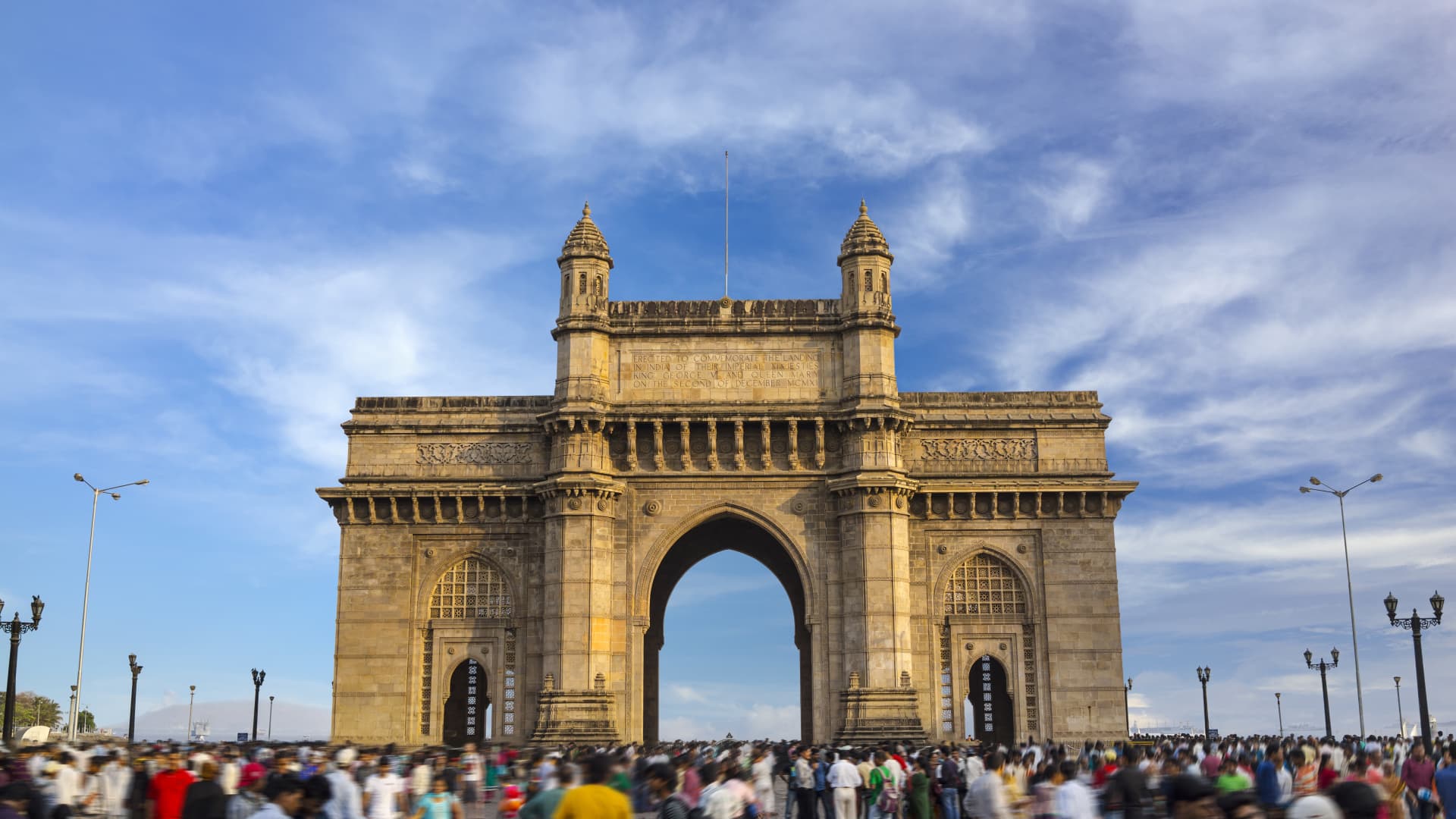
Indians are spending a significant amount on travel, but the majority of their travel expenses are being spent domestically rather than internationally. Research shows that only about 1% of Indian travelers ventured abroad in 2022, with the remaining 99% opting for domestic trips. By 2030, Indian travelers are projected to take 5 billion leisure trips, with 99% of those trips still being within the country. The growth in travel spending is attributed to a growing middle-income population and a young demographic. Additionally, smaller cities in India are gaining popularity among tourists, with international hotel chains expanding their presence in Tier 2 and Tier 3 cities. The top international destinations for Indian travelers include Dubai, Bangkok, Singapore, London, and Paris.
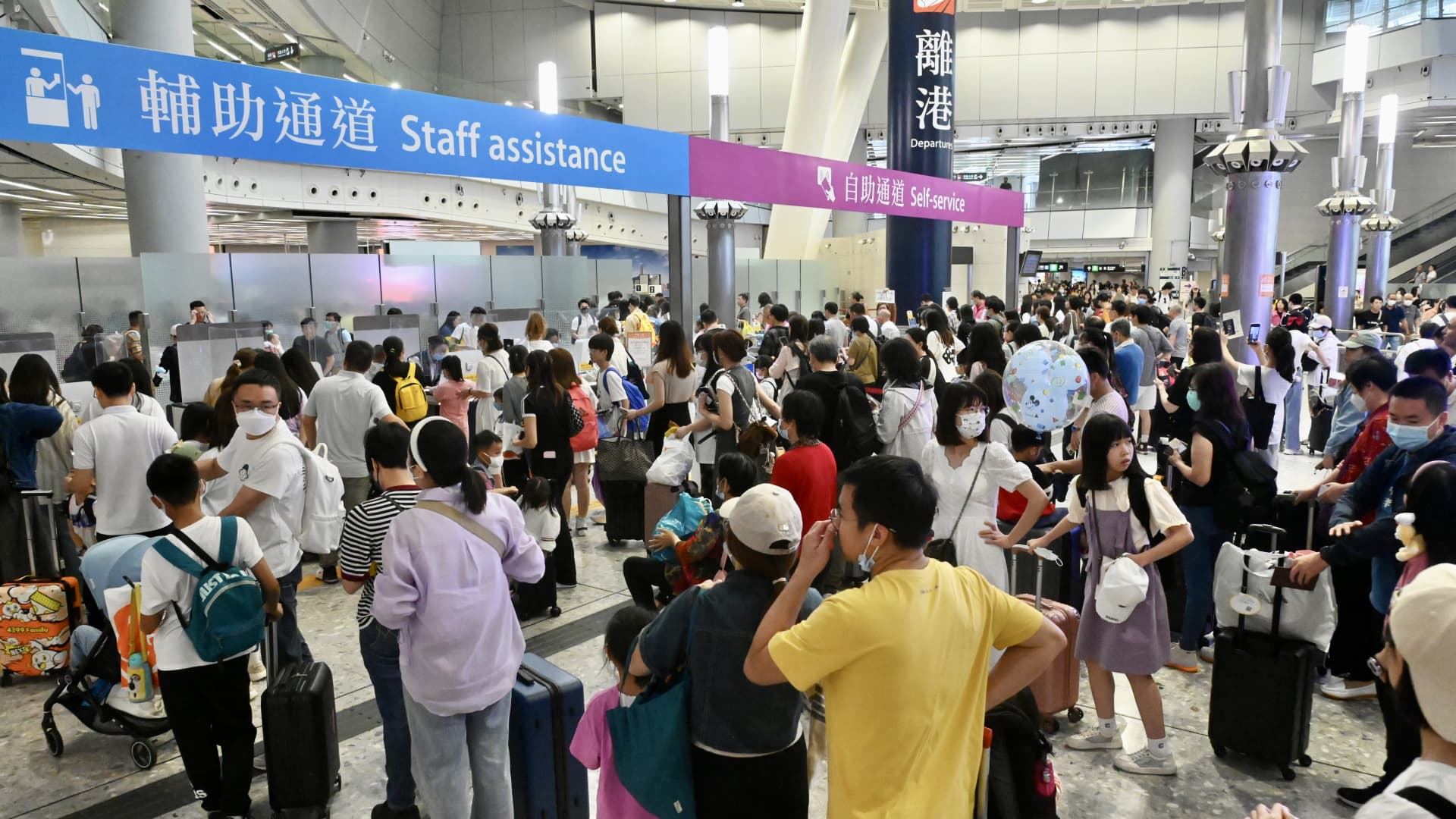
China's inbound and outbound trips during the Golden Week holiday reached 85% of pre-pandemic levels, according to official data. The average number of daily trips was 1.477 million, equivalent to 85.1% of the average trips made in the same period in 2019. International travel by Chinese tourists is expected to benefit tourism-dependent businesses worldwide. Domestic travel spending also surpassed pre-pandemic levels, with an average outlay of 911.6 yuan per trip. Travel within mainland China increased by 71.3% compared to last year and 4.1% compared to 2019.
Travel experts are warning that Labor Day weekend in the US will be busy, with increased travel domestically and internationally. AAA reports a 4% increase in domestic travel bookings compared to last year, while international bookings have surged by 44%. Popular international destinations include Vancouver, Rome, London, Dublin, and Paris, while San Juan, Toronto, and Cancun are the top three international destinations booked on Hopper. FlightHub's top international destinations are the Philippines, Italy, Portugal, Greece, and Turkey. Domestic destinations include Seattle, Orlando, Anchorage, New York, and Las Vegas. Travelers are advised to be flexible with travel dates and destinations, book morning flights directly with airlines, and sign up for delay and cancellation alerts.
American travelers are increasingly opting for international trips over domestic destinations, leading to a surge in bookings and rising prices for international airfare and hotels. International airfare prices have increased by 10% from last year, while domestic airfare prices have fallen by 11%. Similarly, room rates for European hotels have risen by nearly 14% compared to just 6% for U.S. hotels. This shift is posing a challenge for airlines, theme parks, and hotels that primarily focus on the U.S. market. Companies like JetBlue and Frontier have cut their guidance due to the surge in international travel, while airlines like Delta and United are expanding their international service to meet the demand.
China's tourism rebounded to pre-Covid-19 levels during the May Day holiday, with domestic trips rising by over two-thirds from a year earlier, according to government data. The recovery in the service sector could ease worries that China's post-pandemic economic recovery could soon lose momentum. Chinese tourists made 274 million domestic trips during the five-day break, spending 148 billion yuan ($21 billion), a 128.9% increase from a year earlier, and on a par with 2019 levels. The figures are being monitored as a gauge of China's economic health.
Chinese tourists are returning to travel, but their preferences have shifted towards more nature-oriented and outdoor tourism, as well as family-focused trips. Many are also exploring domestic travel options, which could impact the international travel market. While flight capacity remains limited, countries that can accommodate Chinese travelers' needs, such as Thailand, are emerging as winners. Group tours are still popular, but bespoke services and niche markets could also attract the "new" Chinese tourist.