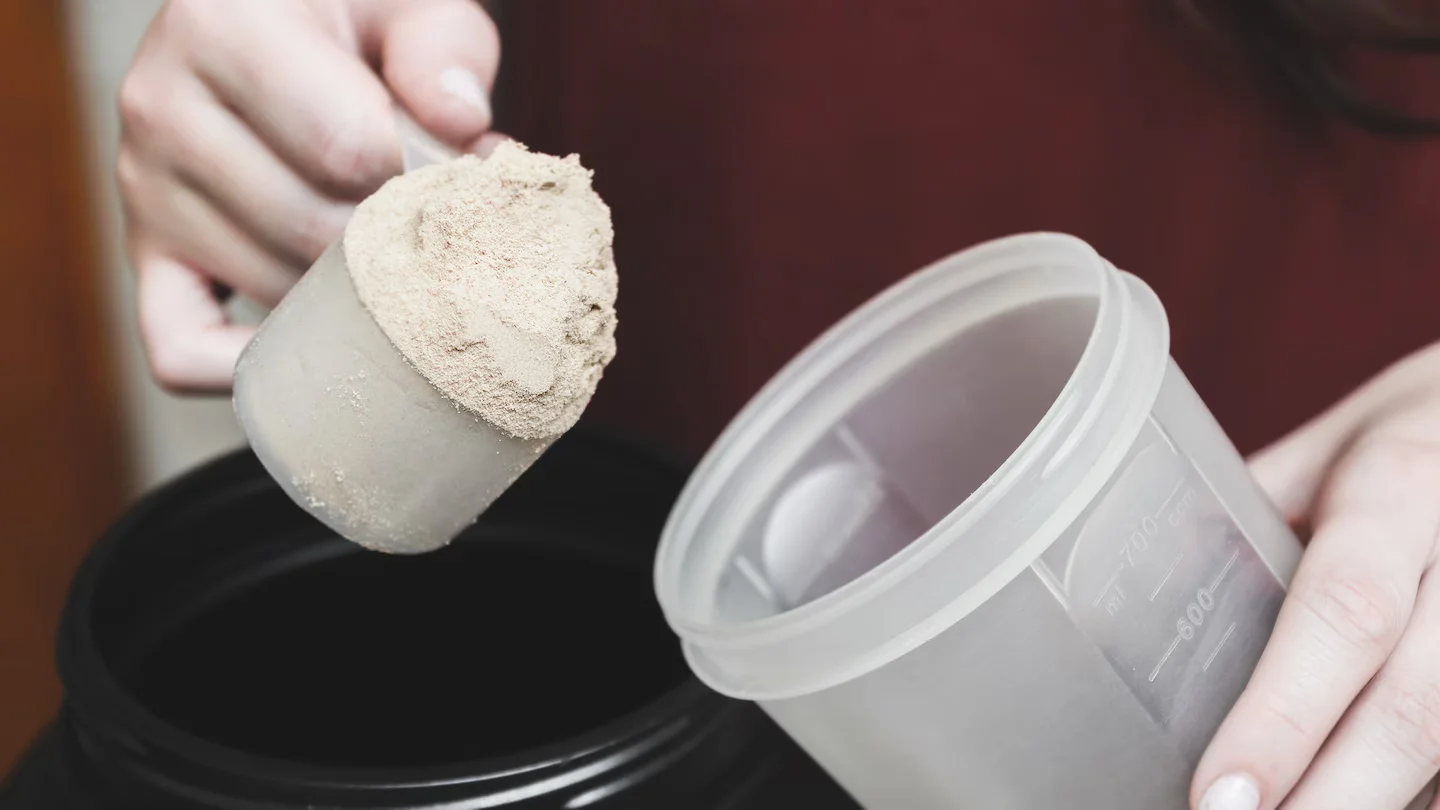
A report by Consumer Reports found that over a dozen protein powders contain unsafe or concerning levels of lead, with levels worsening compared to previous years, raising health safety concerns.
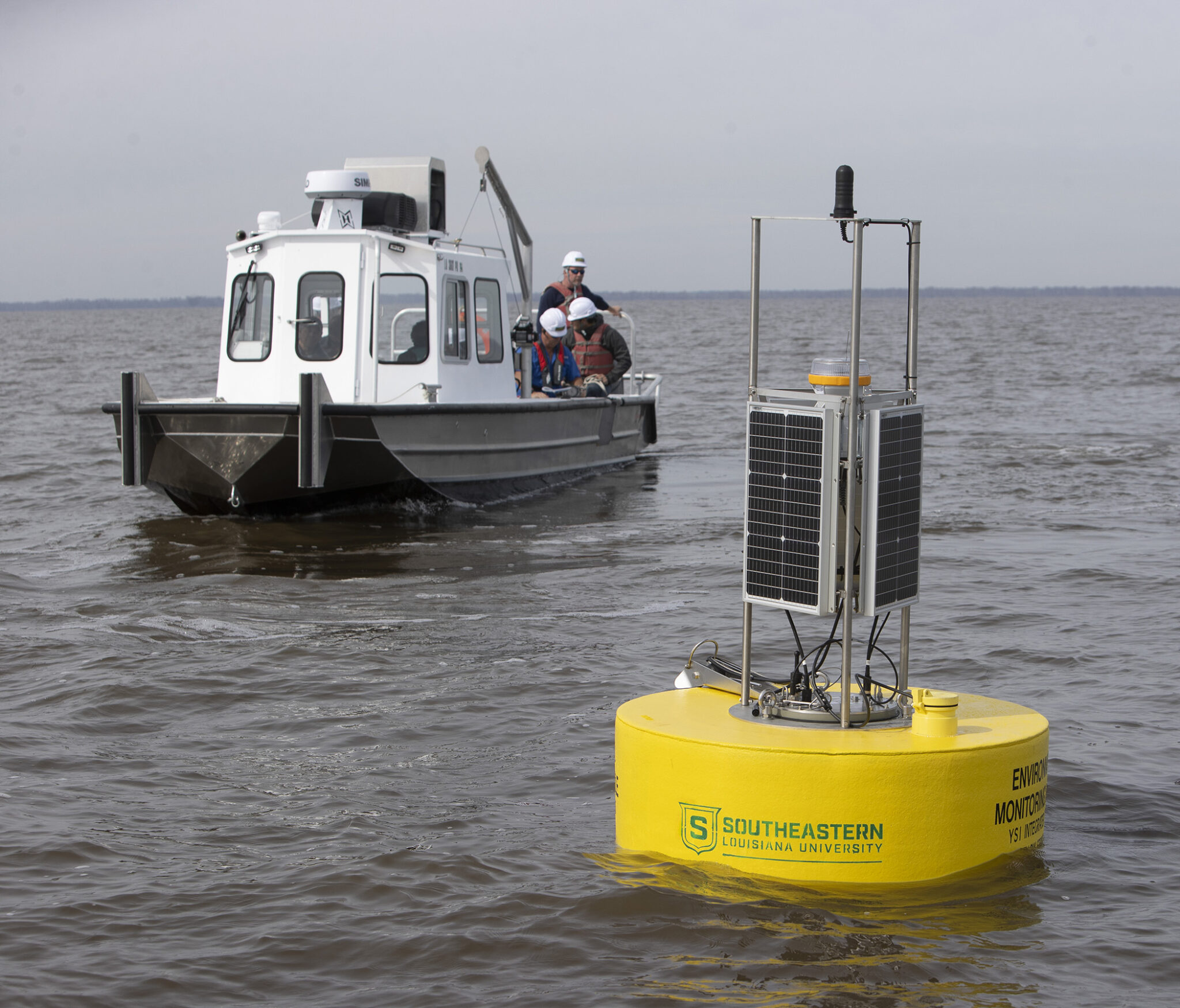
A researcher at Southeastern Louisiana University was reassigned after publishing findings of toxic heavy metals in Lake Maurepas, raising concerns about potential suppression of environmental research and its impact on ongoing toxin analysis related to a major carbon sequestration project.
A Southeastern Louisiana University scientist who uncovered high levels of toxic metals in Lake Maurepas was abruptly removed from her research project without explanation, raising concerns about potential suppression of environmental findings related to industrial and agricultural pollution.
A UC Davis study reveals that disposable e-cigarettes emit higher levels of toxic metals, such as lead, nickel, and antimony, than traditional cigarettes, raising concerns about their safety, especially among youth, due to potential long-term health risks like lung inflammation and cancer.
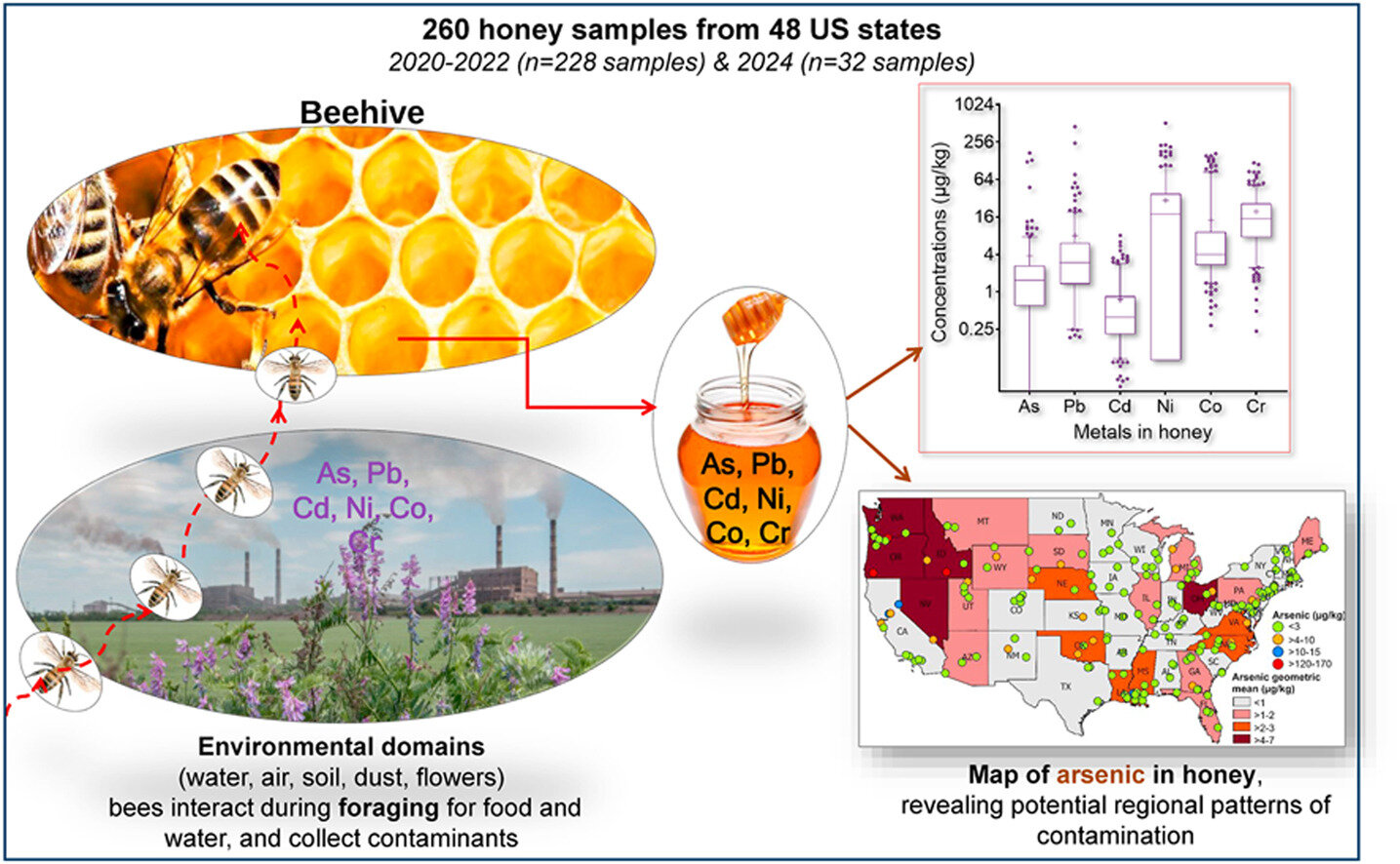
A study from Tulane University, published in Environmental Pollution, reveals that honey can serve as an indicator of environmental pollution by containing traces of toxic metals like arsenic, lead, and cobalt. Researchers tested 260 honey samples from 48 U.S. states, finding regional variations in metal concentrations, though none exceeded safe levels. The study suggests honey's potential dual role as a food source and environmental monitor, with bees acting as passive samplers of contaminants. Further research is needed to link these pollutants to their sources and understand their impact on community health.
A study published in The American Journal of Clinical Nutrition reveals significant deficiencies and toxic metal contamination in prenatal vitamins. Researchers found that many products lack adequate levels of essential nutrients like choline and iodine, while some exceed safety limits for toxic metals such as arsenic, lead, and cadmium. The findings highlight the need for stricter quality controls and regulatory oversight in the supplement industry to ensure the safety and efficacy of prenatal vitamins.
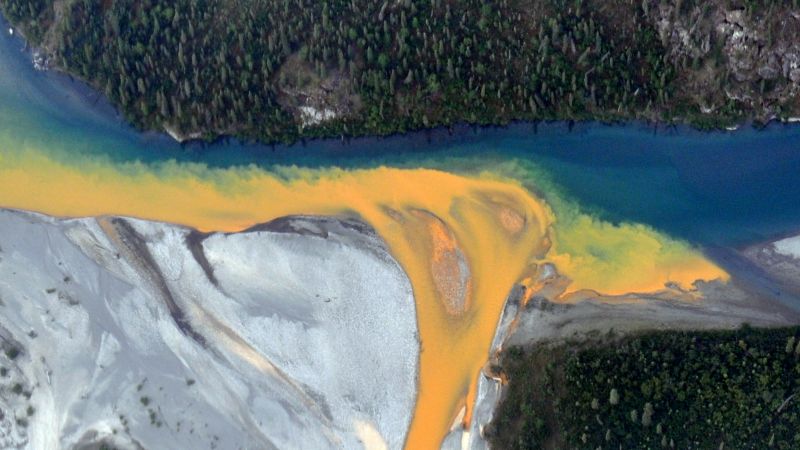
Rivers and streams in Alaska are turning orange due to toxic metals like iron, zinc, and copper being released from thawing permafrost, a phenomenon linked to climate change. This unexpected consequence has surprised scientists and raised concerns about the impact on aquatic life and local communities relying on these waterways. Similar effects have been observed in other regions, including Colorado's Rocky Mountains.
A group of attorneys general is urging the FDA to enhance protection of baby food from toxic metals following an applesauce recall linked to lead poisoning cases. Lawmakers have previously raised concerns about the recall, with the FDA warning that the manufacturer did not test its products for heavy metals. The FDA's investigation is ongoing, and while no new illnesses have been reported, the Centers for Disease Control and Prevention has received reports of 422 cases, with 101 confirmed.
Exposure to toxic metals like lead, arsenic, cadmium, and mercury found in drinking water and food may accelerate the depletion of eggs in women's ovaries, leading to earlier menopause and increased health risks. These metals are increasingly common in US tap water and a variety of foods, including dark chocolate, vegetables, and baby food. High levels of these metals in middle-aged women were associated with lower Anti-Müllerian hormone levels, indicating a diminished ovarian reserve. The presence of these endocrine-disrupting chemicals in the environment and food supply has been linked to various health issues, including reduced infertility, endometriosis, early onset of puberty, and certain cancers.
Toxic metals such as lead, arsenic, and cadmium found in foods like dark chocolate, leafy green vegetables, and baby food have been linked to over 13,000 cases of bladder, lung, and skin cancers annually in the US. These metals seep into soil and water, contaminating crops and posing a risk to vulnerable populations like children. The study calls for stricter limits on metals in food, safer practices in the food industry, and stronger warnings to consumers. The FDA has already issued limits on lead and arsenic levels in certain foods, but further action is needed to protect public health.
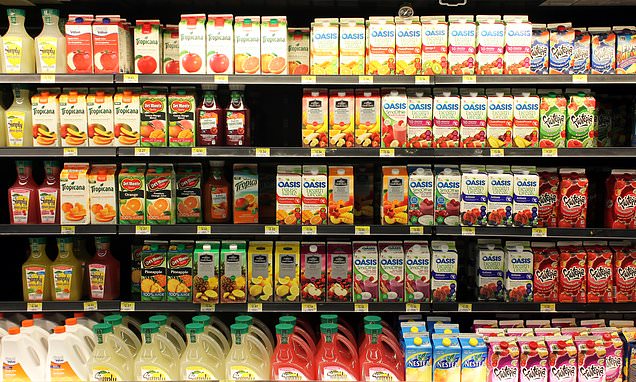
A study conducted by Tulane University has found that certain popular fruit juices and soft drinks contain elevated levels of toxic metals, surpassing federal standards for safe drinking water. The investigation tested 60 beverages and identified five that exceeded the safe limits for toxic metals, including arsenic and cadmium. Mixed-fruit juices and plant-based milks were found to have higher concentrations of toxic metals. While the health risks for adults consuming these beverages in smaller quantities are likely low, parents are advised to be cautious about offering them to children, as these toxic metals can cause internal organ damage and cognitive harm, particularly during early brain development. The study highlights the need for further research and awareness regarding the contents of American beverages.
A study by Tulane University found toxic metals such as arsenic and cadmium in all 60 store-bought drinks they tested, with five having "dangerous levels" of the chemicals. The worst offenders were juices, plant-based milks, teas, and sodas. The metals can disrupt brain and organ development in children. The American Academy of Pediatrics warns that exposure to these metals at a young age is linked to "problems with learning, cognition, and behavior."
A study led by Tulane University has found that commonly consumed beverages, such as fruit juices, plant-based milks, sodas, and teas, contain levels of toxic metals exceeding federal drinking water standards. Mixed-fruit juices and plant-based milks contained elevated levels of toxic metals more often than other drinks. Although these soft drinks are most of the times consumed in smaller quantities than water, parents should be cautious about what drinks they offer their children. The study is published in the Journal of Food Composition and Analysis.
A study from Tulane University has found that some commonly consumed beverages contained levels of toxic metals that exceed federal drinking water standards. Five of the 60 beverages tested contained levels of a toxic metal above federal drinking water standards. Mixed-fruit juices and plant-based milks contained elevated concentrations of toxic metals more often than other drinks. While lead was detected in more than 93% of the 60 samples, most contained very low levels, below 1 part per billion. The study highlights the need for more research into the contents of American beverages and the potential health risks for children.