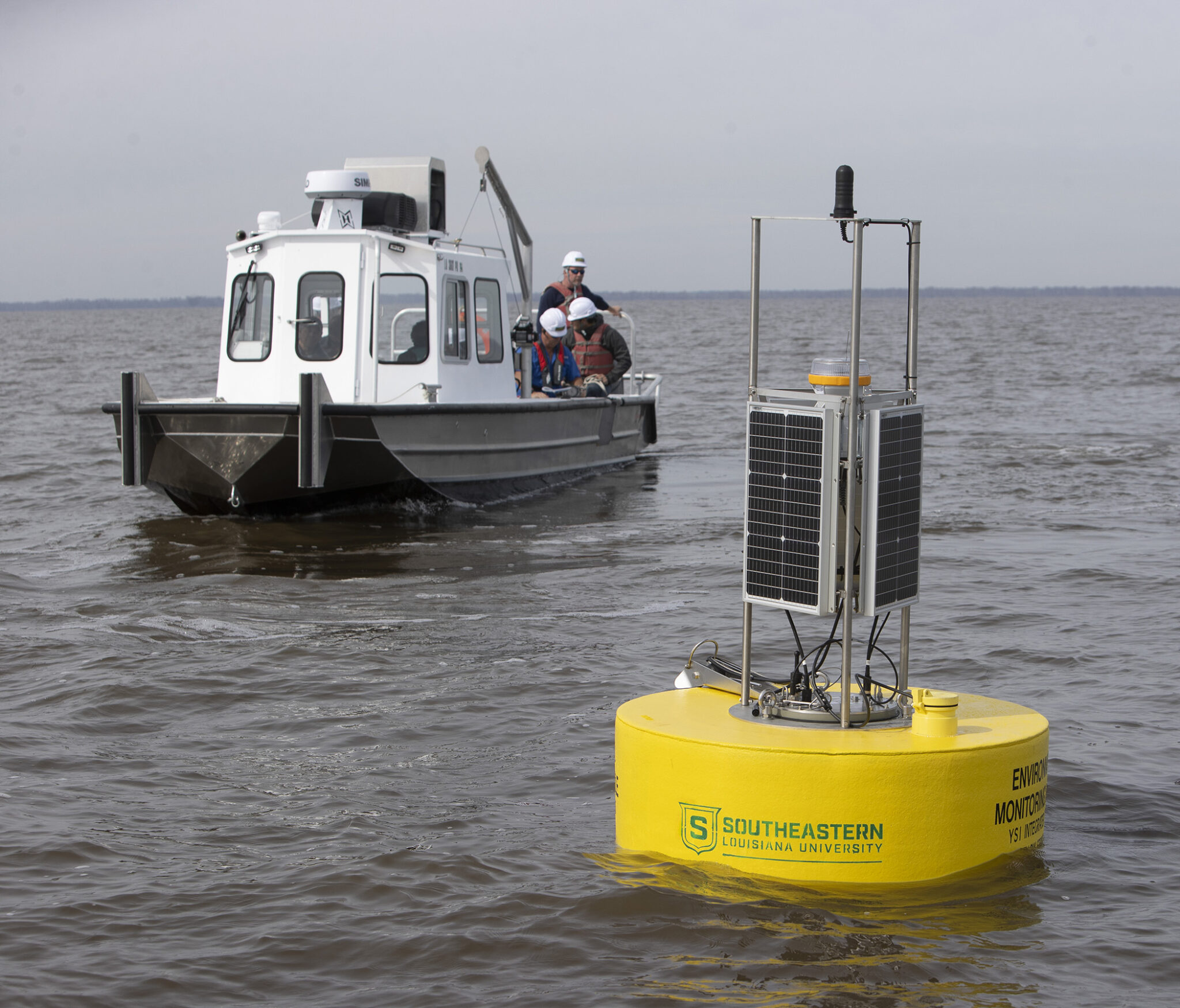
A Southeastern Louisiana University scientist who uncovered high levels of toxic metals in Lake Maurepas was abruptly removed from her research project without explanation, raising concerns about potential suppression of environmental findings related to industrial and agricultural pollution.
Scientists have identified mysterious black debris that washed up on Sydney beaches as a mix of decomposed cooking oils, hair, and food waste, rather than tar balls. The New South Wales Environment Protection Authority and University of New South Wales researchers found the debris likely originated from mixed waste sources, possibly human waste, containing traces of recreational drugs and birth control medication. The exact origin remains unknown, but further results are expected soon. Authorities had initially closed beaches and warned the public to avoid the debris.
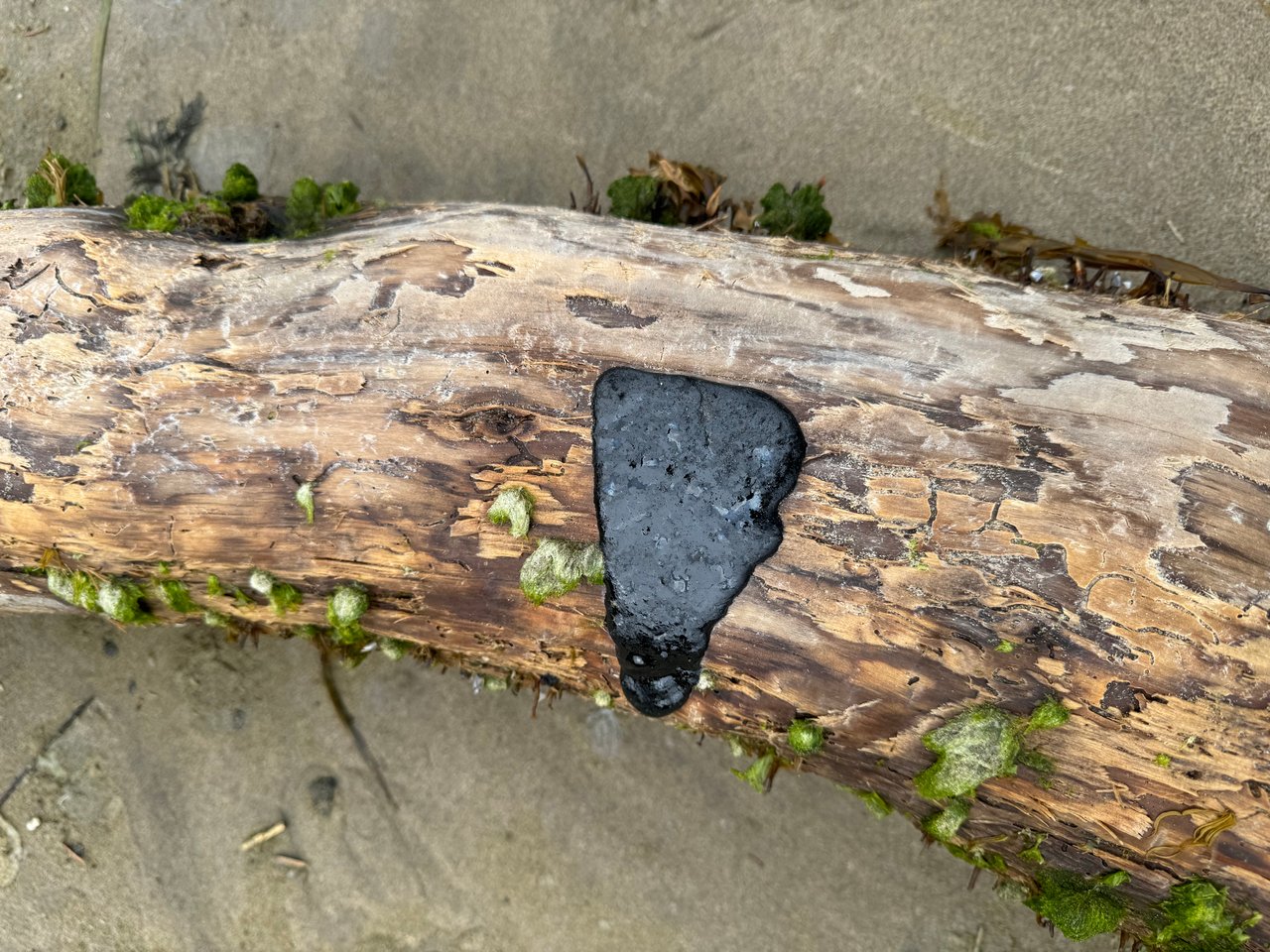
Mysterious tar patties have been washing up on the Oregon Coast, prompting investigations by state and federal agencies. The tar pieces, first noticed at Cannon Beach and later near Lincoln City, coincide with reports of oil-covered birds and tar balls in Southern Washington. Authorities advise the public not to handle the tar or affected wildlife and to report any findings to a designated hotline. The source of the tar remains unknown.
Three publicly traded Chinese drugmakers, including Beijing Tong Ren Tang group, Tianjin Pharmaceutical group, and Jilin Aodong Pharmaceutical Group, have been found to use parts of endangered animals as ingredients in their products, according to a report by the Environmental Investigation Agency. The report highlights 72 firms that use body parts of threatened leopards and pangolins in at least 88 traditional Chinese medicine (TCM) products. The NGO urges global investors, including major banks and financial institutions, to divest from these companies. The Chinese government is called upon to prohibit the use of endangered animal parts for commercial purposes.
French manufacturing company Saint-Gobain has announced the closure of its Merrimack facility in New Hampshire, which has been at the center of a PFAS contamination controversy. The closure comes shortly after the facility was granted a permit to operate until 2028. Saint-Gobain cited a restructuring of its Composite Solutions business as the reason for the closure. The company will continue to work with state regulators on environmental investigation and remediation efforts, providing alternative drinking water to affected properties. The closure will affect 164 employees, and the official closing date is expected to be determined based on existing contracts and may extend into 2024.