Four radioactive wasp nests have been found at the Savannah River Site in South Carolina, raising concerns about potential undetected environmental contamination at the historic nuclear facility, which played a role in Cold War nuclear weapons production.
A researcher at Southeastern Louisiana University was reassigned after publishing findings of toxic heavy metals in Lake Maurepas, raising concerns about potential suppression of environmental research and its impact on ongoing toxin analysis related to a major carbon sequestration project.
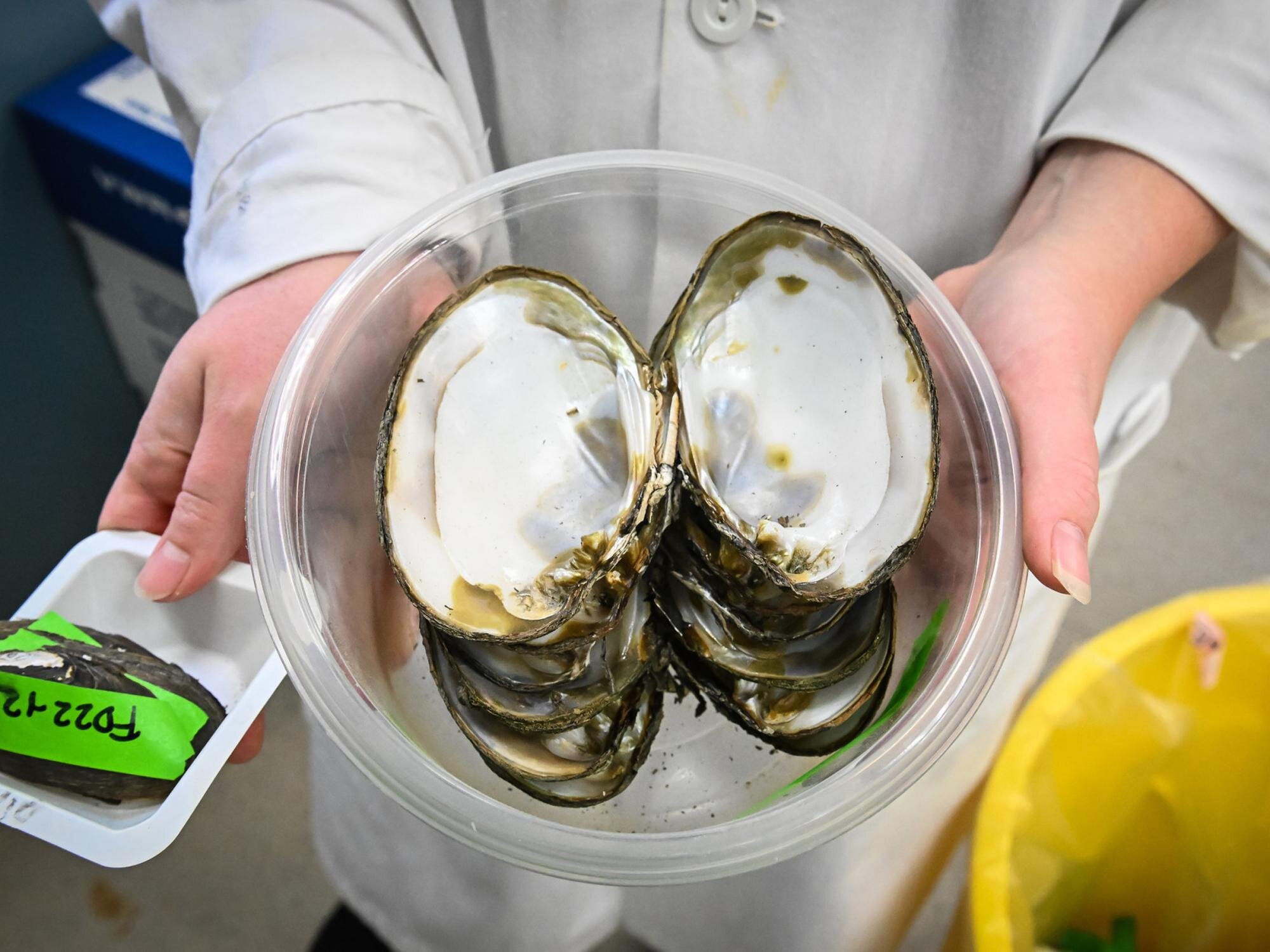
A study by Penn State researchers found that freshwater mussels downstream of a decommissioned wastewater treatment plant in Western Pennsylvania, which had treated fracking wastewater, contained radium in their tissues and shells. The contamination, traced to the Marcellus Shale fracking operations, raises concerns about the ecological impact and potential health risks to other aquatic life and species that consume mussels.
Research from the University of Nottingham has shown that wastewater from copper and zinc footbaths used in dairy farming can cause spikes in antibiotic-resistant bacteria in slurry. The study highlights the need for improved wastewater management practices to mitigate antimicrobial resistance on farms.
Long Island residents and officials are outraged after the discovery of 55-gallon steel drums filled with toxic chemicals buried at Bethpage Community Park, a former dumping ground for aerospace manufacturer Northrop Grumman. The site has been linked to a groundwater plume and cancer prevalence in the community. Residents fear a tainted childhood and are increasingly joining class actions or filing personal injury lawsuits. Northrop Grumman denies culpability and is working with authorities to address the situation. A personal injury attorney alleges that the manufacturer's historic operations led to expansive air pollution and toxic legacy, and a class action lawsuit is ongoing.
A new study has found concerning levels of toxic PFAS, or "forever chemicals," in seafood, particularly in shrimp, lobster, and canned tuna. PFAS are human-made substances that remain in the environment for a long time and have been associated with serious health issues. While the study does not suggest avoiding seafood entirely, it highlights the potential risks of PFAS exposure for those with high-seafood diets. The research emphasizes the need for more investigation into the effects of these chemicals in humans and the importance of reducing PFAS exposure through various sources, including drinking water and food packaging.
A new U.S. study warns that frequent consumption of seafood may increase the risk of exposure to "forever chemicals" known as PFAS, which are linked to various health issues. The research, focusing on New Hampshire residents, found high levels of PFAS in shrimp and lobster, with shellfish being particularly susceptible due to their feeding and living habits. The study recommends stricter public health guidelines for seafood consumption, especially for vulnerable groups, while emphasizing the importance of balanced seafood consumption for its health benefits. The need for safety guidelines is urgent in coastal regions like New England, where seafood is integral to the culture, and there are currently no federal guidelines for PFAS contamination in seafood.
A study by Dartmouth College researchers found dangerously high levels of cancer-causing PFAS in shrimp and lobster purchased in New Hampshire, raising concerns about seafood as a source of toxic "forever chemicals." PFAS, which take thousands of years to break down, are found in various products and have been linked to numerous health issues. The study highlights the need for stricter public health guidelines on safe seafood consumption to limit PFAS exposure.
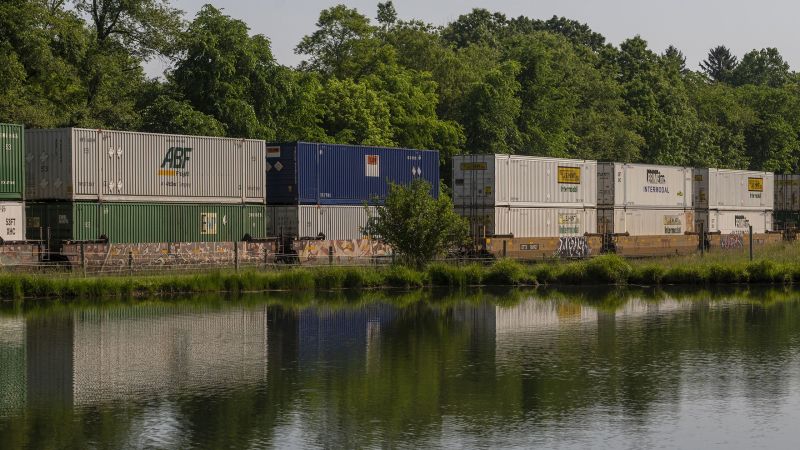
As authorities clean up the wreckage from the collapse of Baltimore’s Francis Scott Key Bridge, concerns about potential environmental contamination arise due to the hazardous materials carried by the container vessel that struck the bridge. While no immediate threat to the environment has been detected, experts remain cautious and emphasize the need for ongoing testing, community engagement, and transparency in the cleanup process to address potential risks to the Patapsco River and surrounding areas.
A cat in Fukuyama, Japan, fell into a vat of toxic hexavalent chromium at a factory and escaped, prompting officials to issue warnings to residents. The chemical can cause serious health issues and even death. Authorities are urging people to avoid touching any abnormal-looking cats and to report sightings to the city or police. The cat's current status is unknown, but if alive, it would likely be visibly stained by the toxic substance.
Dutch and German researchers have found "clear" evidence that perfluoroalkyl substances (PFAS) in the blood can lead to higher levels of harmful blood lipids, potentially increasing the risk of heart attacks and strokes. PFAS, known as "forever chemicals" due to their persistence in the environment, are commonly found in cookware, textiles, and other products. The study suggests that even low levels of PFAS in the general population can have detrimental effects on lipid metabolism, highlighting the need for stricter regulations and active removal of these chemicals from the environment.
Researchers at the New Jersey Institute of Technology have developed a new lab-based method to detect traces of PFAS, or "forever chemicals," in food packaging material, water, and soil samples in just three minutes or less. The method, called paper spray mass spectrometry, is 10–100 times more sensitive than the current standard technique for PFAS testing and could significantly speed up efforts to study and address the bioaccumulation of PFAS in the environment. The researchers believe their approach could have a swift impact on monitoring consumer products and air quality, in addition to water and soil contamination.
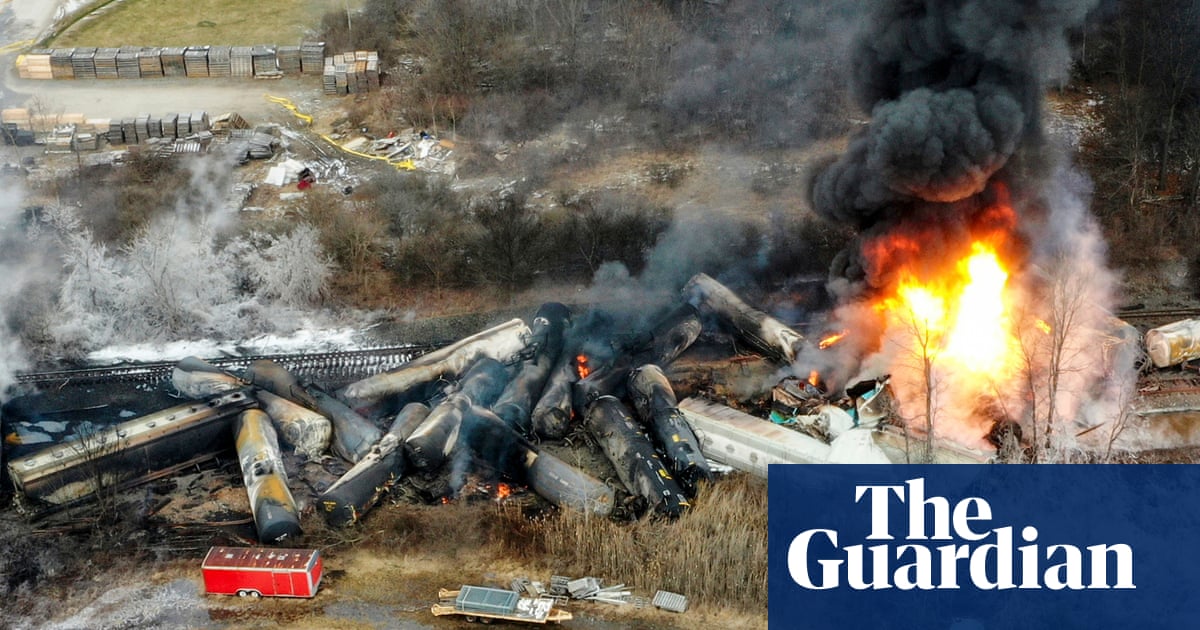
A year after a toxic train derailment in East Palestine, Ohio, residents continue to struggle with uncertainty and health concerns. Despite assurances from officials and the train company, many locals remain unconvinced that their homes are free of pollutants and are still grappling with inconsistent communication and access to aid. Advocates are pushing for stricter regulations on railways and fighting to get hazardous compounds off trains to prevent similar disasters in the future, while also demanding more resources and clarity from federal agencies.
A year after a train derailment in East Palestine, Ohio, the community continues to grapple with the aftermath of environmental contamination and trauma. While progress has been made in the cleanup, residents still face uncertainty and health concerns. The town remains divided, with some seeking to move forward and others deeply affected by the disaster. Efforts by Norfolk Southern and government agencies to address the situation have been met with mixed reactions, and ongoing health studies aim to provide clarity on potential long-term impacts.
One year after a toxic train derailment in East Palestine, Ohio, residents are still displaced and suffering from health issues. The derailment spilled hazardous materials, forcing hundreds of residents out of their homes. Many are reluctant to return due to concerns about safety and health risks, with some experiencing health issues such as rashes, numbness, and tingling. Environmentalist testing revealed elevated dioxin levels, prompting an ongoing EPA investigation into the cleanup and testing efforts. While cleanup efforts are underway, some residents doubt the area's safety, and President Joe Biden has announced plans to visit the area.