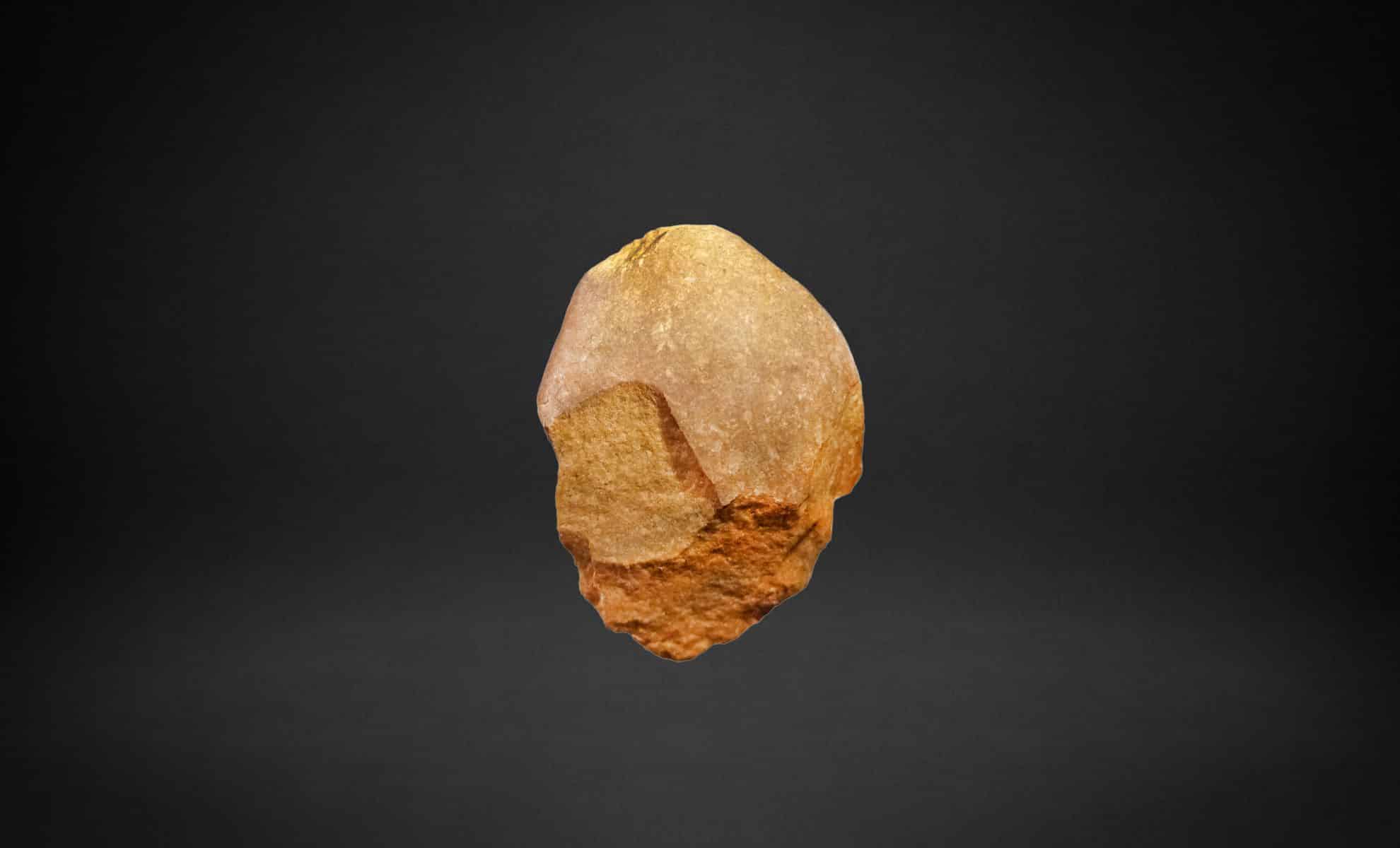
Ancient stone tools found in Kenya date back 3 million years, pushing back the origin of Oldowan technology and suggesting that multiple hominin species, including Paranthropus, used these tools for diverse food processing, which broadens our understanding of early human adaptation and dietary practices.
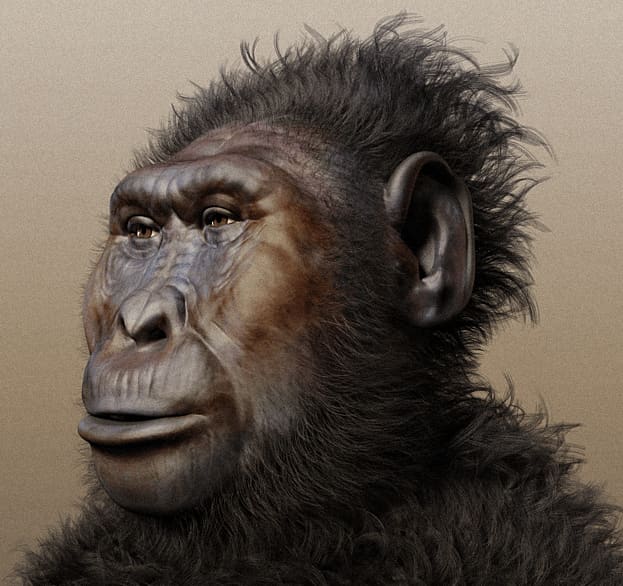
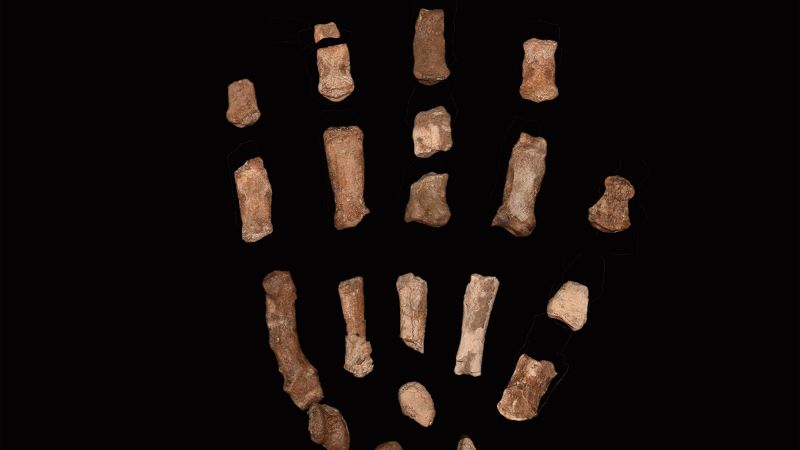
A 1.52 million-year-old fossil of Paranthropus boisei from Kenya reveals that this robust human ancestor had large, dexterous thumbs and foot structures supporting bipedal walking, indicating it could make and use simple tools, challenging previous assumptions that only Homo species used tools.
New fossils from Kenya reveal that Paranthropus boisei, previously thought to be a simple plant-eater, had human-like hands capable of gripping and a foot adapted for upright walking, challenging previous notions about its behavior and its relationship with early Homo species, and highlighting the complex, non-linear nature of human evolution.
Fossils of Paranthropus boisei from Kenya, dating 1.52 million years ago, reveal that this species had dexterous hands capable of gripping and possibly using tools, and feet adapted for upright walking, challenging previous notions of its capabilities and coexisting with early Homo species, thus reshaping our understanding of human evolutionary development.
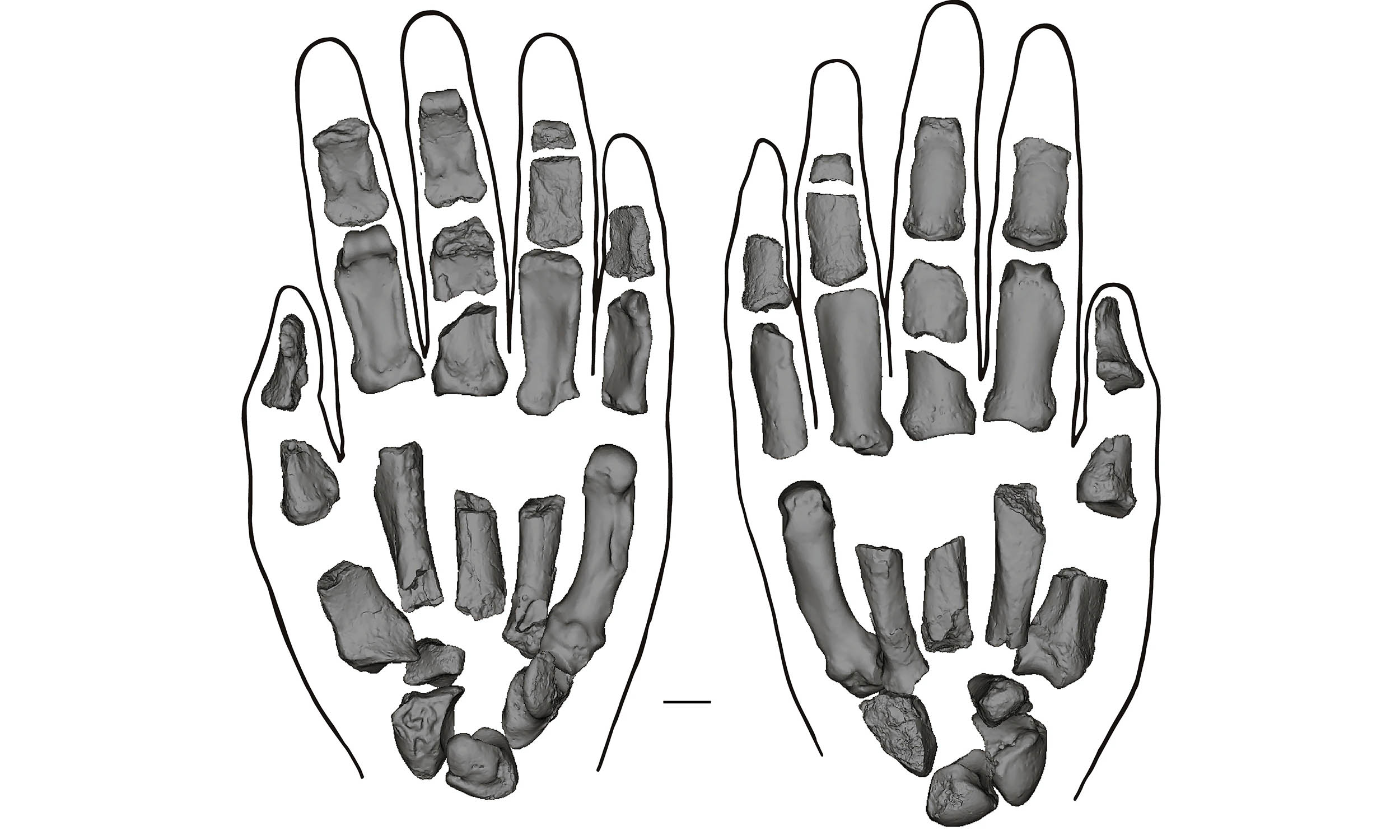
First hand fossils of the extinct human relative Paranthropus boisei were discovered in Kenya, revealing surprising dexterity and gorilla-like grip features, suggesting potential tool use and complex manipulation abilities, challenging previous assumptions about early hominin capabilities.
The study finds a significant correlation between relative thumb length and brain size across 95 primate species, supporting the idea that neural and bodily adaptations coevolved to enhance manual dexterity, with implications for understanding human evolution and tool use.
Jane Goodall's pioneering 1960 study of wild chimpanzees in Tanzania revolutionized our understanding of animal behavior, revealing their complex social bonds, tool use, and emotional similarities to humans, ultimately reshaping our view of human evolution and our connection to the animal kingdom.
A study in Science Advances reveals that early human ancestors, such as Australopithecus sediba and Homo naledi, combined tree climbing with advanced stone tool use earlier than thought, showing a complex, mosaic evolution of the human hand that supported both arboreal and terrestrial lifestyles, challenging the idea of a linear hand evolution from ape-like to human-like forms.
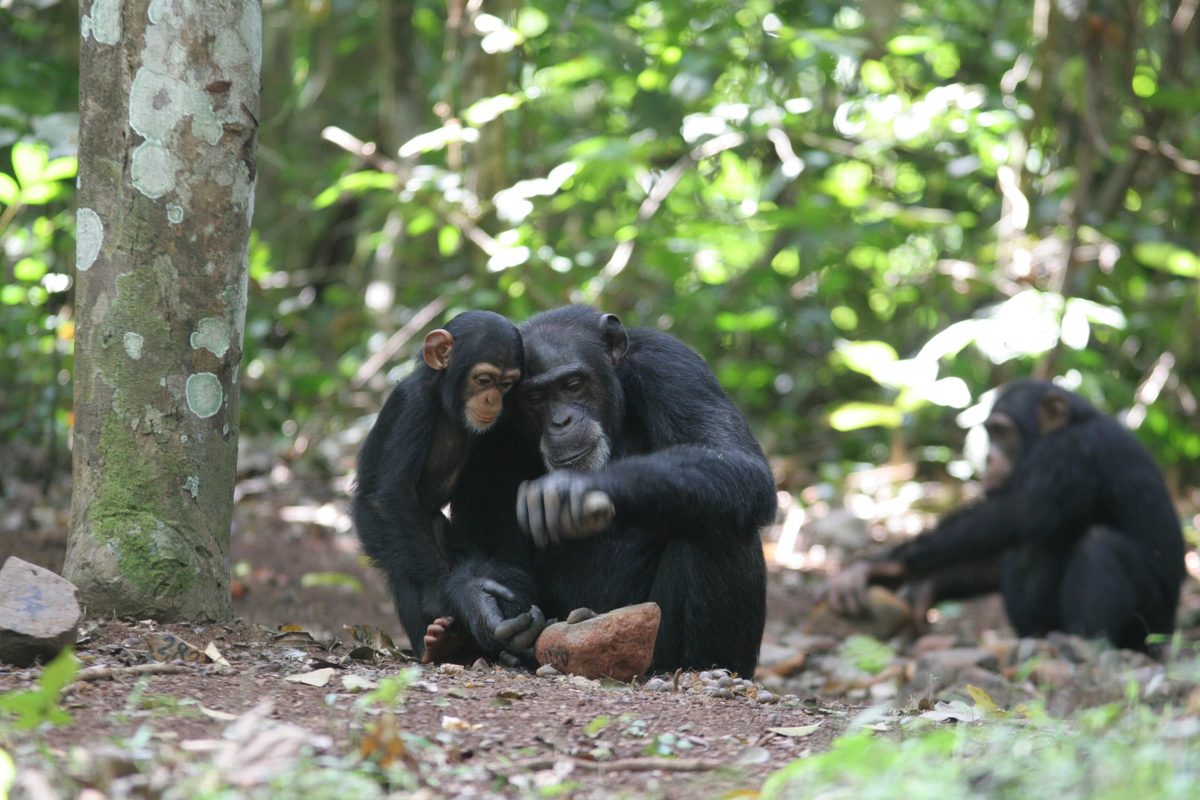
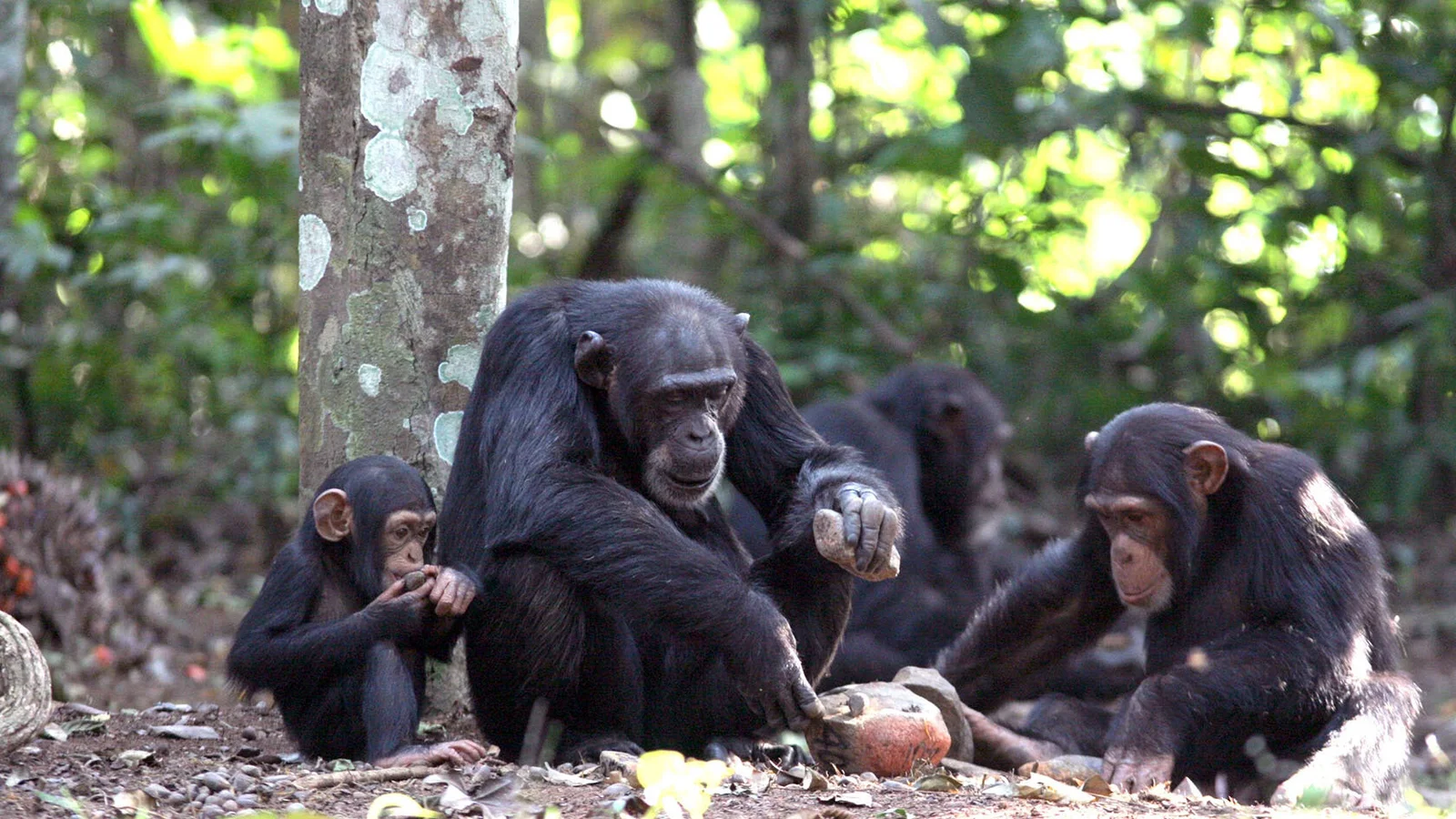
A study reveals that chimpanzees exhibit complex tool-use behaviors, suggesting that the cognitive abilities underlying human language and technology may have evolved before humans and apes diverged. Researchers observed chimps using hierarchical 'chunking' to organize actions into sequences, similar to humans. This behavior was documented in wild chimps cracking nuts with tools, indicating that such cognitive skills might be shared across other ape species. The study highlights the slow evolution of chimpanzee tool-use behaviors compared to rapid human technological advancements.
A new study published in Science reveals that chimpanzees are gradually enhancing their tool-using skills through cultural exchanges facilitated by migrations between populations over millennia. This process mirrors early human technological advancements, suggesting that social connections have historically played a crucial role in the development of complex behaviors. The study highlights that advanced tool use in chimps is linked to genetic exchanges, with the most complex behaviors observed in areas where different subspecies overlap.
A multidisciplinary study led by the University of Zurich has revealed that chimpanzees possess a form of cumulative culture, where complex tool use behaviors are passed down and refined over generations. By tracing genetic links between chimpanzee populations, researchers found that the most advanced toolsets are strongly linked across distant groups, suggesting these technologies are rarely invented and more likely transmitted between communities. Female migrations play a key role in spreading these cultural innovations, indicating an early stage of cumulative culture development in chimpanzees.
A new study suggests that australopithecines, including the famous Lucy, may have used tools over 3 million years ago, based on analysis of hand muscle attachment sites. This research indicates that these early hominins had the dexterity for tool manipulation, challenging previous assumptions that tool use began with the Homo genus. The study highlights the evolutionary development of hand dexterity, particularly in species like Australopithecus sediba, which had more humanlike hand features compared to earlier australopithecines.
Anthropic has launched Tool Use for its AI assistant, Claude, enabling it to autonomously interact with external data sources, APIs, and tools. This feature is available across the Claude 3 model family and aims to help businesses automate tasks, personalize recommendations, and streamline data analysis. Early adopters in various industries are already seeing benefits, and Anthropic emphasizes security and ease of use for developers. This development positions Anthropic as a leader in enterprise AI, with a focus on augmenting human capabilities rather than replacing them.
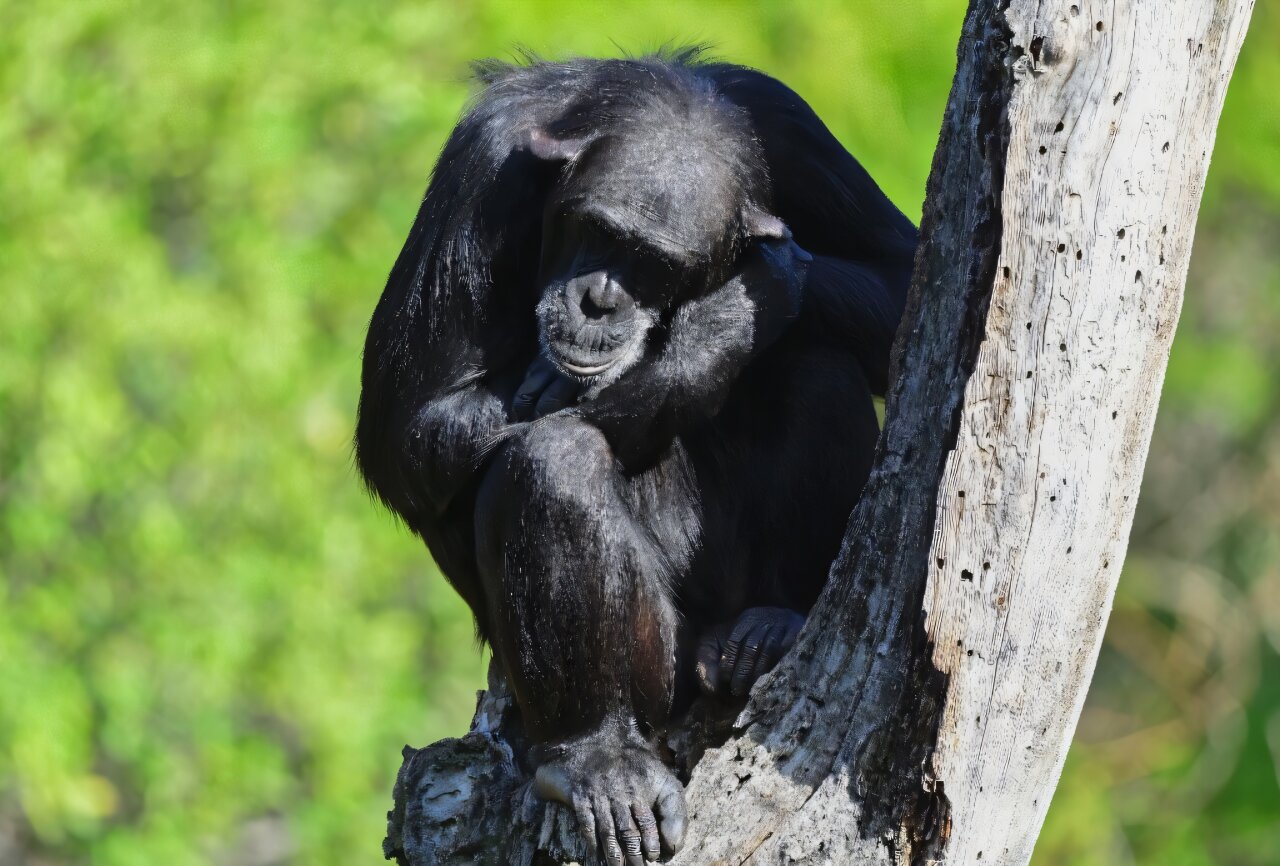
Researchers from Dartmouth propose that the ability of humans to freely move their shoulders and elbows originated as a natural braking system for primate ancestors descending from trees, a behavior known as "downclimbing." Through an analysis of climbing techniques and limb structures in chimps and mangabeys, they found that the unique limb flexibility in apes and early humans allowed them to descend safely, which eventually facilitated evolutionary advancements in tool use and hunting techniques. The study highlights the significance of downclimbing in the evolution of apes and early humans and sheds light on the role of limb mobility in human anatomy.
These five science fiction works explore the idea that intelligent tool-using beings are their own worst enemies, causing their own extinction with misapplied ingenuity. From a mad alien AI's plan to assist humanity to avoid inevitable doom to a lone explorer's invention that causes an apocalypse, these works offer unique perspectives on the Fermi Paradox and the possibility of self-extinction.