A study analyzing 94 primate species found that longer thumbs are associated with larger brains, particularly the neocortex, suggesting that manual dexterity may have driven brain growth in humans and other primates, with implications for understanding the evolution of intelligence and tool use.
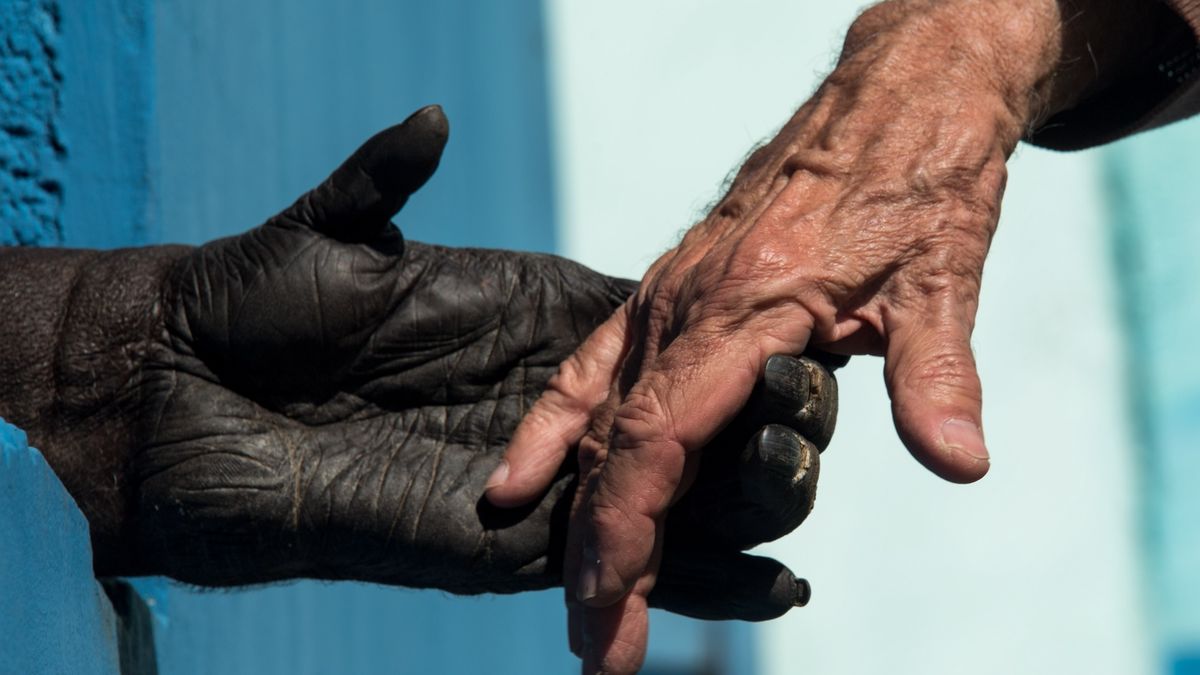
A new study suggests that australopithecines, including the famous Lucy, may have used tools over 3 million years ago, based on analysis of hand muscle attachment sites. This research indicates that these early hominins had the dexterity for tool manipulation, challenging previous assumptions that tool use began with the Homo genus. The study highlights the evolutionary development of hand dexterity, particularly in species like Australopithecus sediba, which had more humanlike hand features compared to earlier australopithecines.
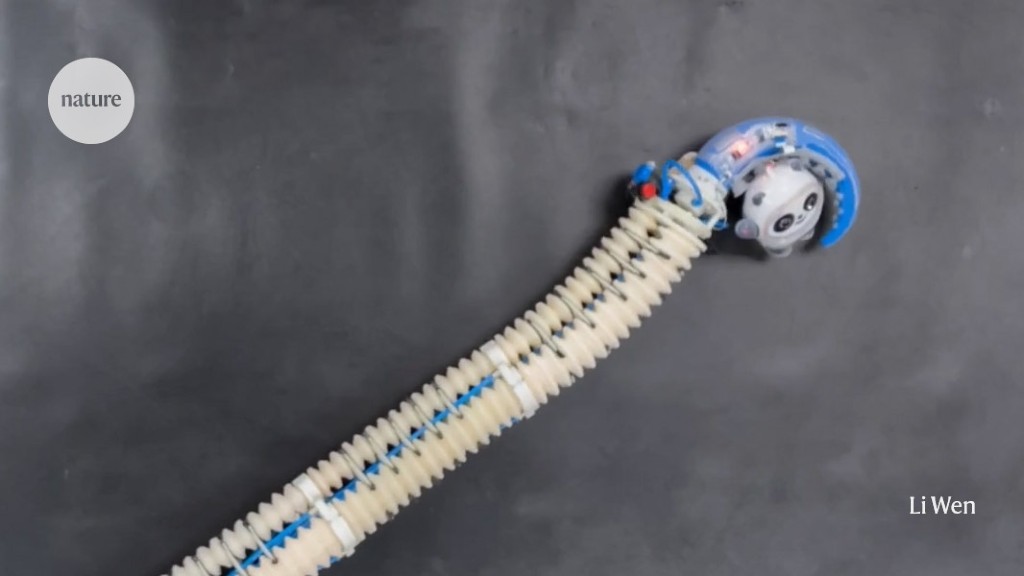
Researchers have developed a soft robotic tentacle inspired by octopuses, capable of grasping small objects in air or water. The tentacle mimics the bend propagation movement of an octopus arm and can be operated remotely using a glove that fits over one finger. The robotic tentacle consists of five segments made of soft silicone embedded with metal wires, forming an electronic network that mimics the nervous system of an octopus arm. The tentacle can expand 1.5 times its original length and incorporates sensory feedback, allowing the operator to feel the engagement of the suckers at the tip. The technology has potential applications in marine research, biomedical technology, and artificial organs.