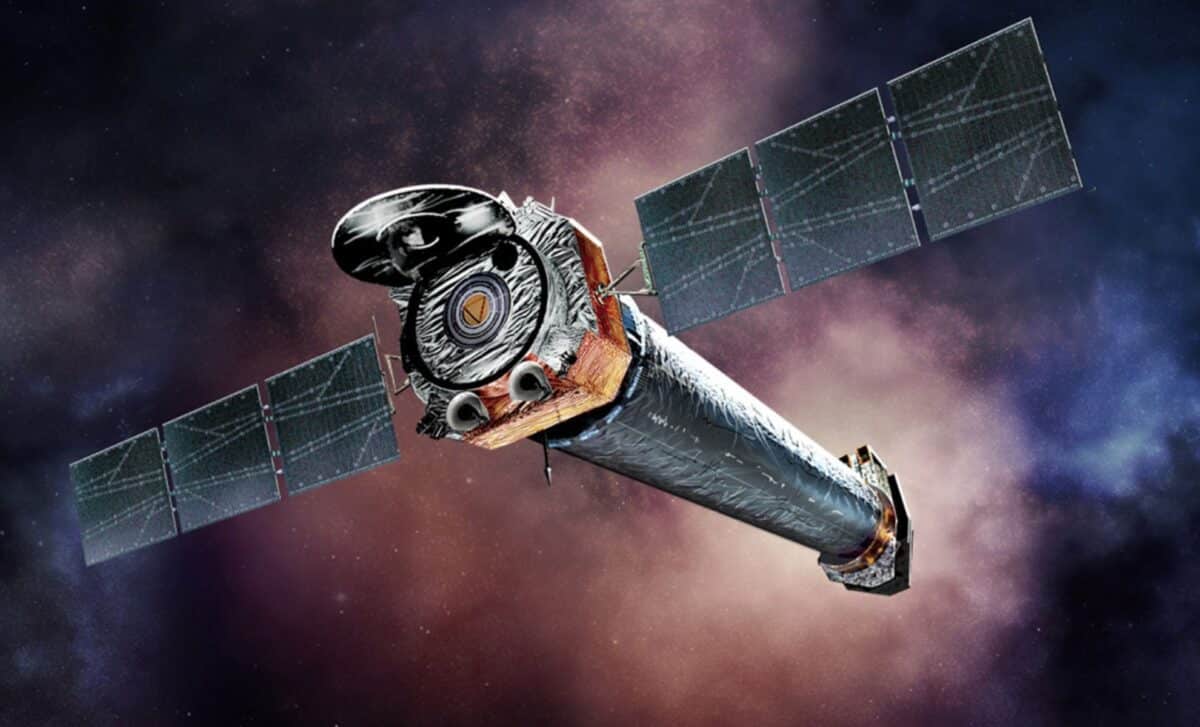
NASA's Chandra X-ray Observatory has released a 25-year time-lapse video showing the expansion of Kepler’s Supernova Remnant, providing valuable insights into the aftermath of a Type Ia supernova and its interaction with the surrounding environment, highlighting the importance of supernovae in cosmic evolution.
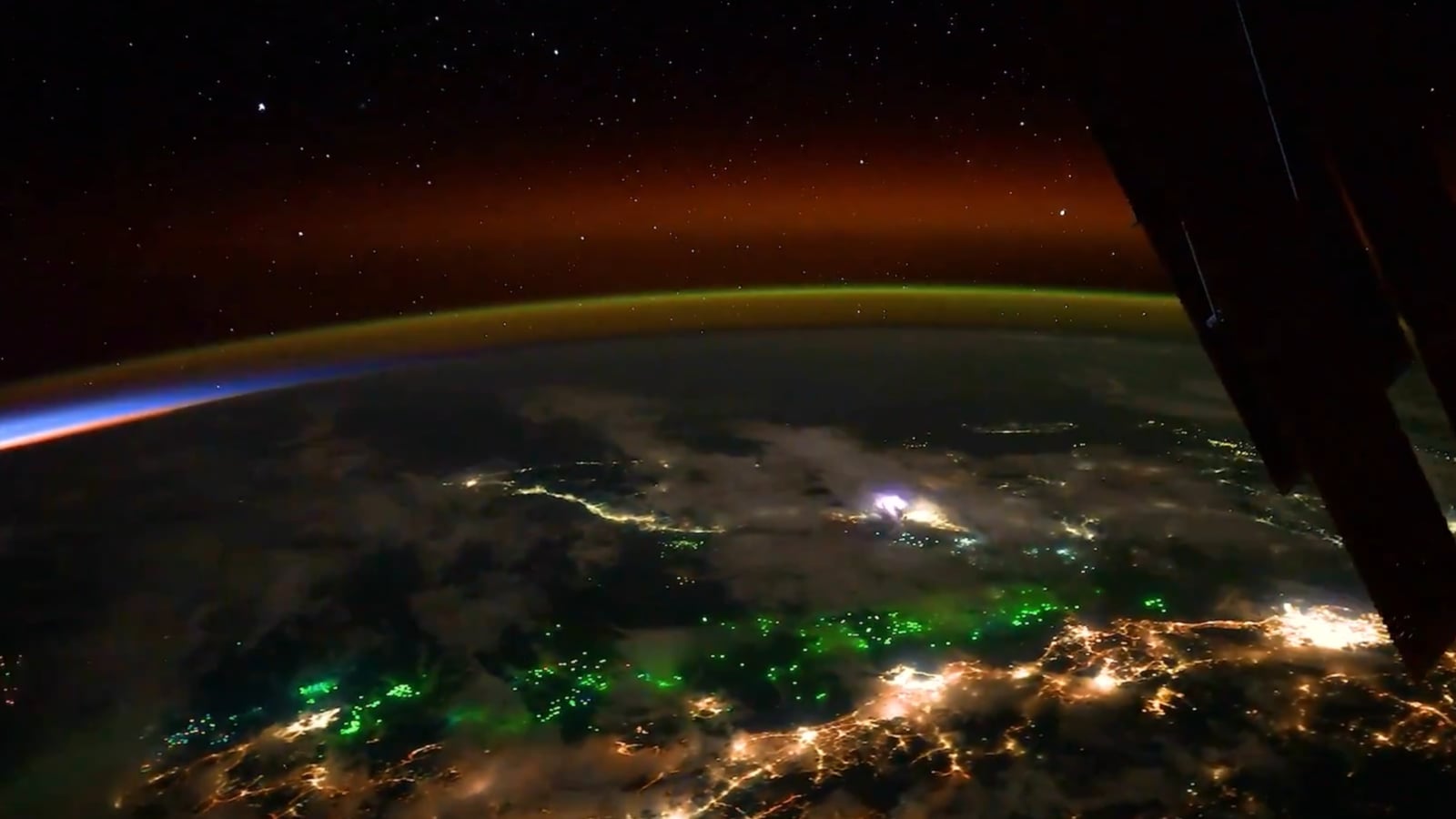
NASA astronaut Jonny Kim captured a stunning time-lapse video from the International Space Station showing auroras, lightning storms, and city lights, highlighting natural phenomena and human activity on Earth during his eight-month mission.
The Chicago River was dyed green by the plumbers' union in celebration of St. Patrick's Day, with a time-lapse video capturing the remarkable transformation in just 90 seconds. The tradition, dating back to 1961, involves a secret environmentally friendly dye and remains a closely guarded process. The annual event coincides with the city's St. Patrick's Day parade and is a highly anticipated spectacle in downtown Chicago.
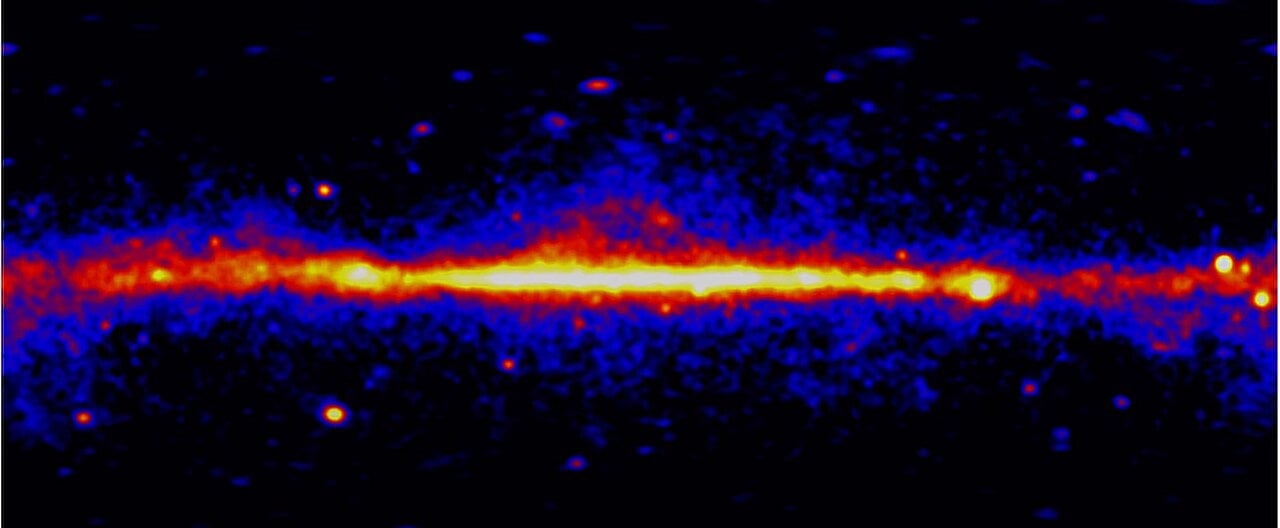
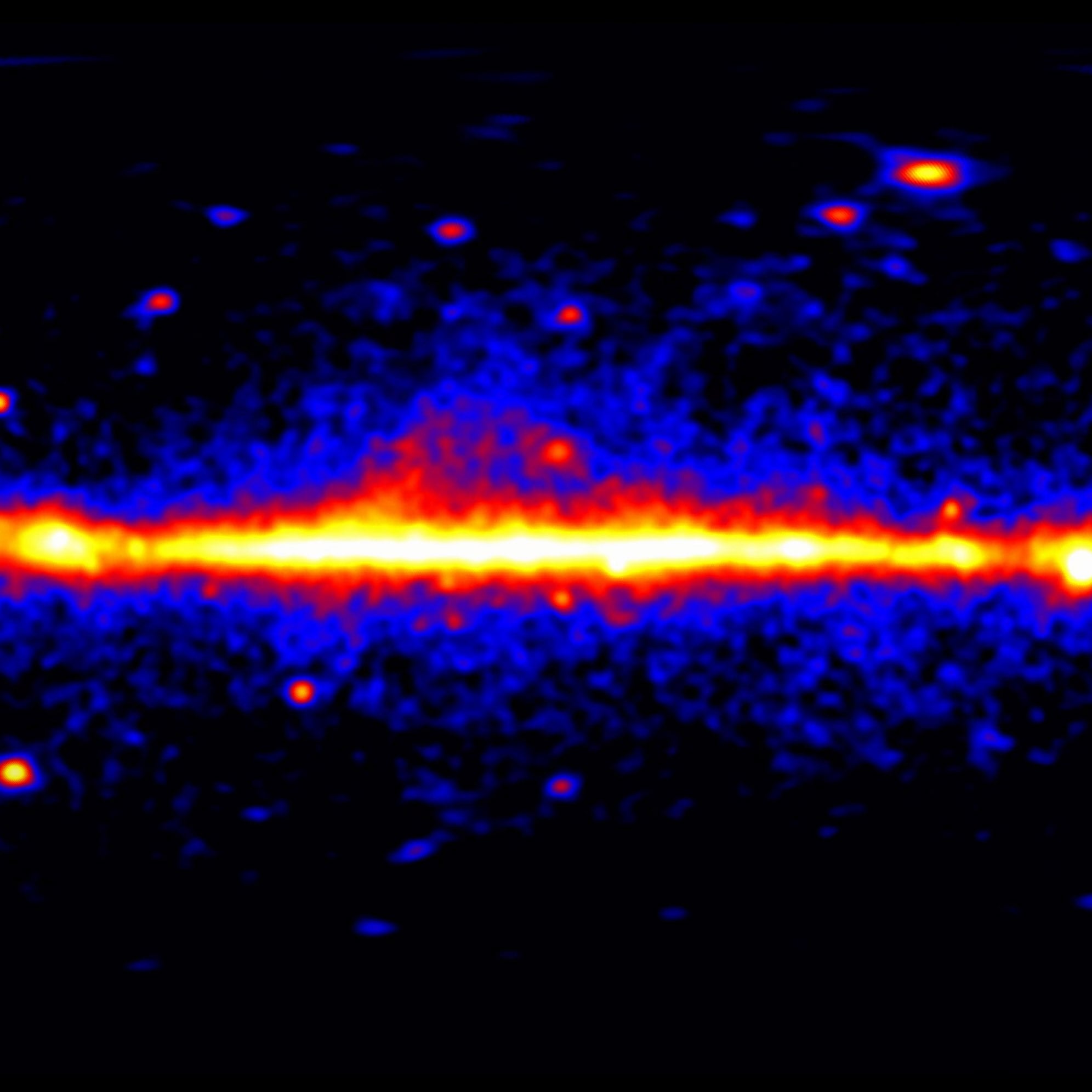
NASA's Fermi Gamma-ray Space Telescope has created a stunning 14-year time-lapse movie of the gamma-ray sky, showcasing the intensity of gamma rays above 200 million electron volts. The movie captures the sun's movement against the backdrop of high-energy sources within our galaxy and beyond, including powerful flares from supermassive black holes in distant galaxies. The time-lapse also reveals the central plane of the Milky Way, neutron stars, supernova remnants, and distant blazars, providing valuable insights into black hole activity throughout cosmic time.
NASA's Fermi Gamma-ray Space Telescope has created a stunning 14-year time-lapse movie of the gamma-ray sky, showcasing the cosmic dance of high-energy sources. The movie captures the Sun's path against the backdrop of intense gamma-ray sources, including flares from supermassive black holes in distant galaxies. Gamma rays, the highest-energy form of light, are detected by Fermi's Large Area Telescope. The movie reveals the central plane of the Milky Way, neutron stars, supernova remnants, and distant blazars, which are galaxies hosting black holes with fast-moving jets of matter. The time-lapse provides valuable insights into black hole activity and cosmic events throughout the universe's history.
Google has added a new feature called Night Sight in Time Lapse to the latest version of the Pixel Camera app, exclusive to Pixel 8 and Pixel 8 Pro. This feature allows users to take longer time lapse videos while capturing astrophotography. The settings indicate that a 5-minute recording at 1080p will result in a 10-second video, while a 20-minute recording at 4K will also yield a 10-second video. Older Pixel models, such as the Pixel 6 and Pixel 6 Pro, have received an updated UI for settings like Shadows and Highlights, and all Pixel owners with the new version are seeing a new Ultra HDR switch in the Advanced settings menu.
Scientists have captured a mesmerizing time-lapse video showing the birth and decay of a penis-shaped mushroom known as the stinkhorn fungus. The mushroom, which emits a foul smell similar to decomposing flesh, grows near rotting wood and plants. The video shows the mushroom emerging from its base and growing to its full size within three hours. Flies are attracted to the mushroom's putrid smell and feast on its slime for 10 hours, stripping it of its olive-brown cover. The remaining white body then begins to rot before eventually decomposing and disappearing back into the ground. This short life cycle allows the stinkhorn fungus to complete its reproductive cycle by dispersing its spores through the excrement of flies and other invertebrates.
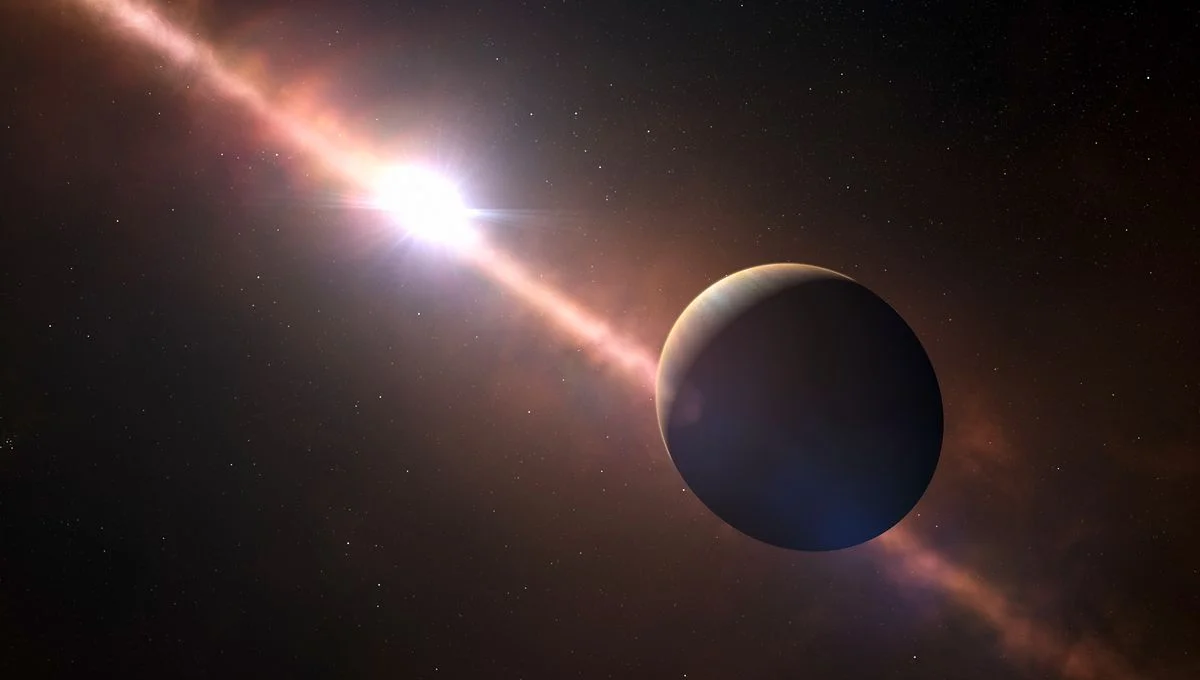
Astrophysicist Jason Wang from Northwestern University has created a time-lapse video capturing 17 years of telescope images of the exoplanet Beta Pictoris b orbiting its host star. The video, which compresses the images into 10 seconds, provides a rare glimpse of the planet's decades-long journey around the star. While the video only captures 75% of the planet's orbit, it is believed to be the longest time-lapse of an exoplanet ever made. The planet, located about 63 light-years away from Earth, is 12 times the mass of Jupiter and is considered to be at the boundary between a planet and a brown dwarf.
A new time-lapse video has condensed 17 years of data into 10 thrilling seconds, capturing the orbit of the exoplanet Beta Pictoris b around its star. The video, made from real data collected between 2003 and 2020, shows the massive exoplanet, 12 times the mass of Jupiter, orbiting at a tilted angle. Although another six years of data are needed to capture one complete orbit, the video provides a mesmerizing glimpse into the planet's continuous smooth orbit.
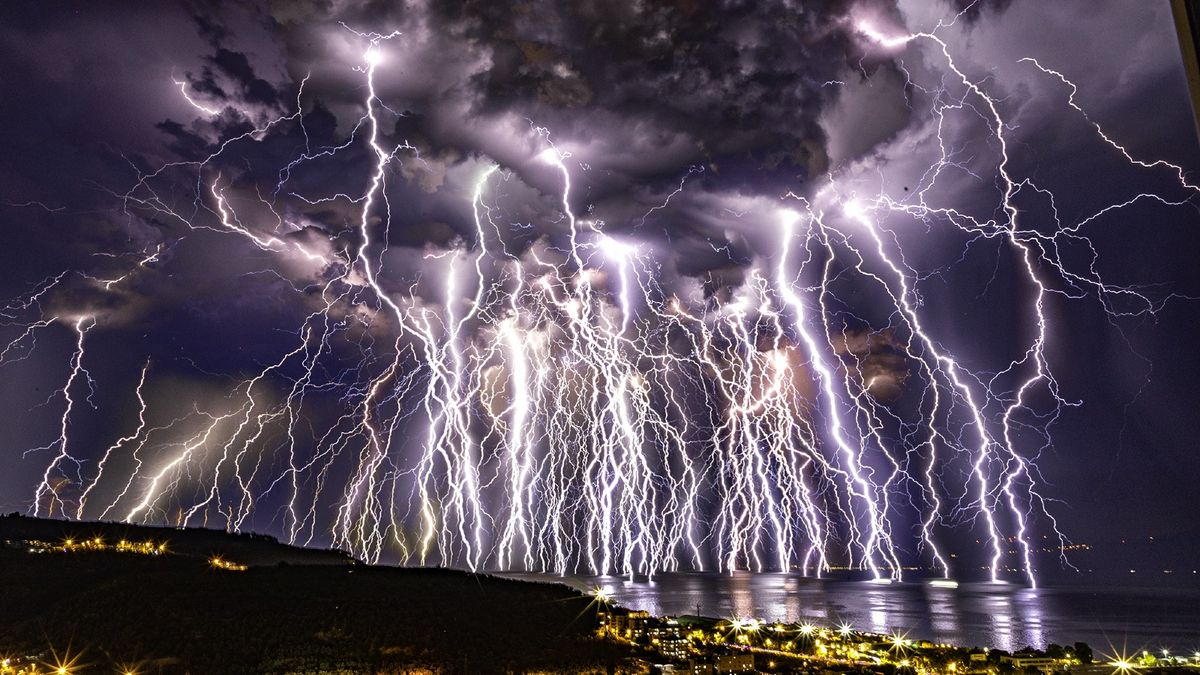
Astrophotographer Uğur İkizler captured a time-lapse photo of over 100 lightning bolts during a thunderstorm in Turkey. The individual images were collected over a 50-minute period around midnight on June 16. The image shows three different types of lightning, and researchers are not exactly sure what causes the characteristic zigzag shape of lightning bolts. Lightning strikes globally around 1.4 billion times every year, or around 3 million every day.
A 1550 square km iceberg, named A81, has broken off from Antarctica's Brunt Ice Shelf. The European Space Agency captured a time-lapse of the "calving process" through satellites.
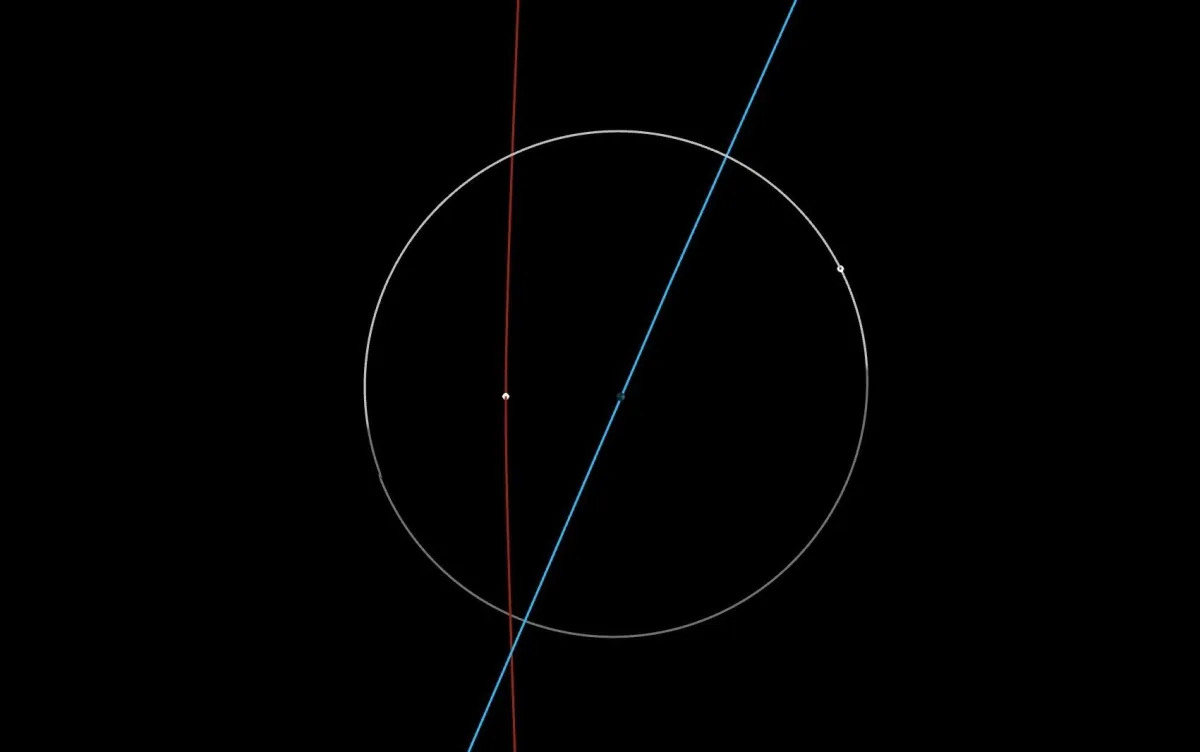
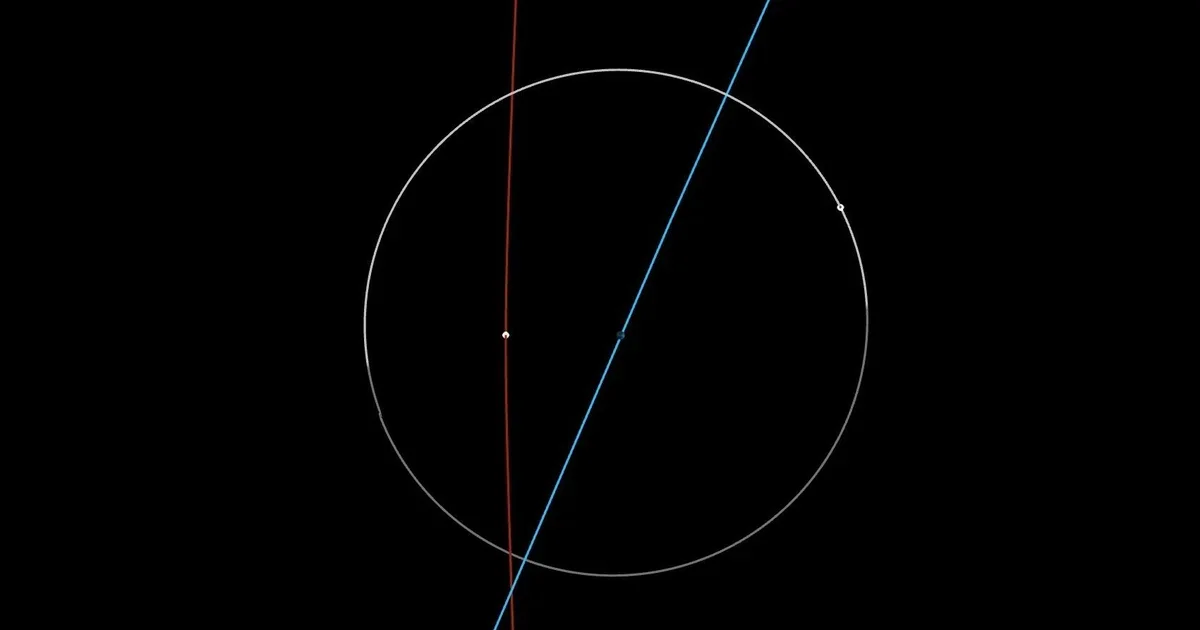
A large asteroid, named 2023 DZ2 by NASA, passed by Earth last week, coming closer than half the average distance between the Earth and moon's respective orbits. Although it did not pose any threat to Earth, astronomers at an observatory in Italy recorded its path through the sky using a time-lapse video. The asteroid measured between 140 feet and 310 feet long and was traveling at speeds exceeding 17,400 miles per hour. NASA noted that an asteroid of this size passes by Earth only about once per decade, providing a unique opportunity for science.
Astronomers at an observatory in Italy recorded a time-lapse video of a large asteroid, called 2023 DZ2 by NASA, as it passed by Earth last week. Although the asteroid did not pose any threat to Earth, it passed the planet at quite a close range, slightly less than half the average distance between the Earth and moon's respective orbits. The asteroid measured between 140 feet and 310 feet long, and the time-lapse video shows it becoming brighter over the course of just two minutes. The Virtual Telescope Project, an initiative from the Italian astrophysicist and astronomer Gianluca Masi and the Bellatrix Astronomical Observatory, created the video using robotic telescopes to observe space objects and cosmic events.
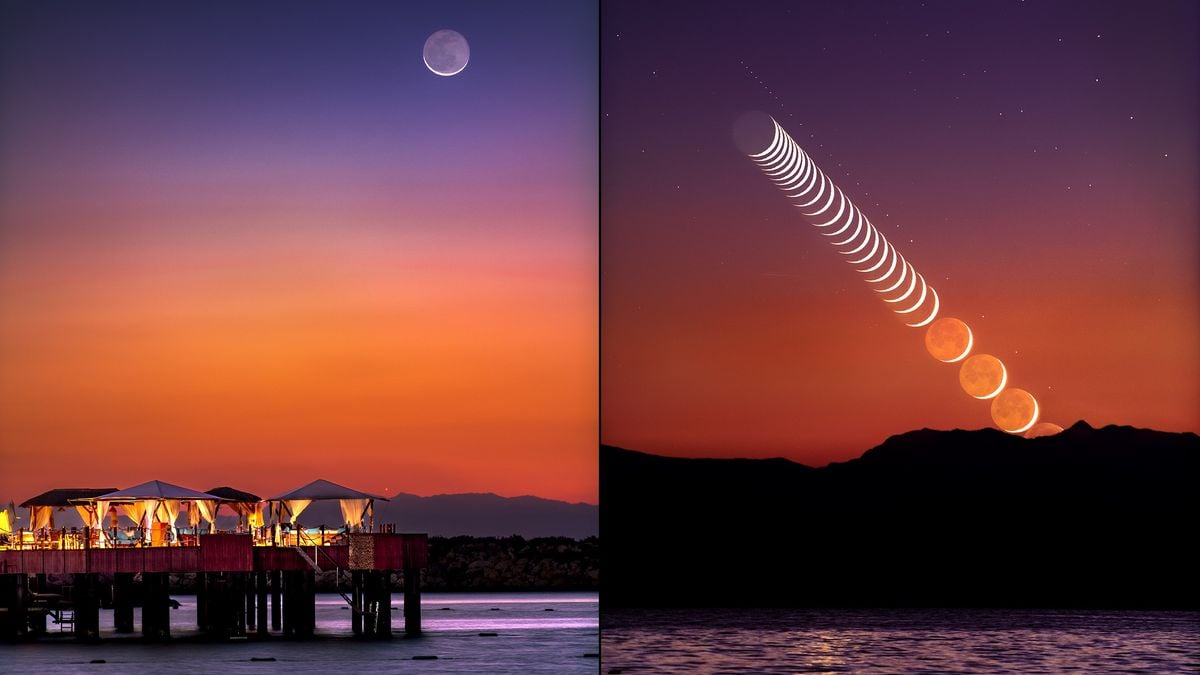
Photographer Miguel Claro captured a stunning time-lapse photo series of the new moon, with Earthshine visible as well. The images also reveal a rare view of planet Mercury. Earthshine occurs when sunlight reflects off the Earth and onto the moon, creating a faint glow. Claro specializes in astronomical "Skyscapes" that connect both Earth and the night sky.
A father in England took a photograph of his son every day for decades, starting from his birth in 1991. His son continued the tradition by taking a selfie every day, even when he moved away for college and traveled the world. The father and son duo now have a combined collection of almost 11,000 photos, which they turned into a stunning time-lapse video charting one young man's life. The son has also written an autobiography to coincide with the release of the latest time-lapse video.