skywatching7.8 min read
Spotting the Andromeda Galaxy: A Guide to Observing Our Celestial Neighbor
2 years ago•Source: Space.com

The latest skywatching stories, summarized by AI
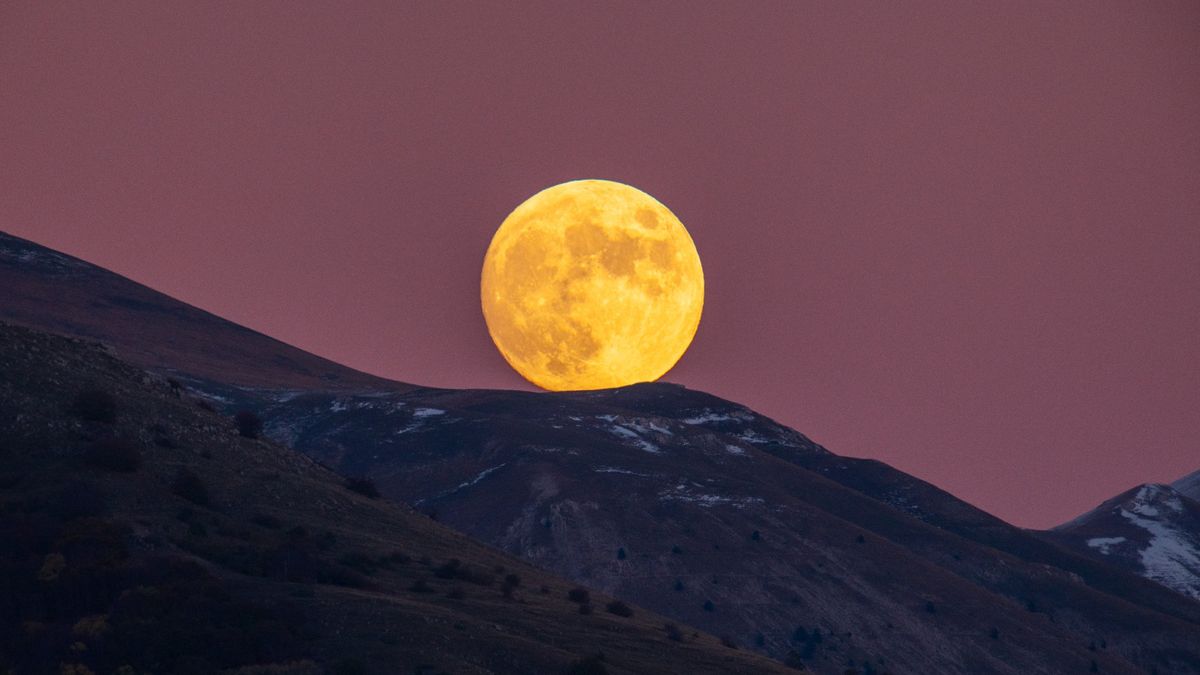
The penultimate full moon of 2023, known as the Beaver Moon, will rise on November 27. Skywatchers will be able to view the fully illuminated moon until it sets on November 28. Following the Beaver Moon, the moon will enter its waning phase until the new moon on December 12. The last full moon of 2023, known as the Cold Moon, will rise on December 26. The Beaver Moon gets its name from the activity of beavers during this time of year, while other names for November's full moon refer to animal behavior and the onset of winter.
Space.com•2 years ago
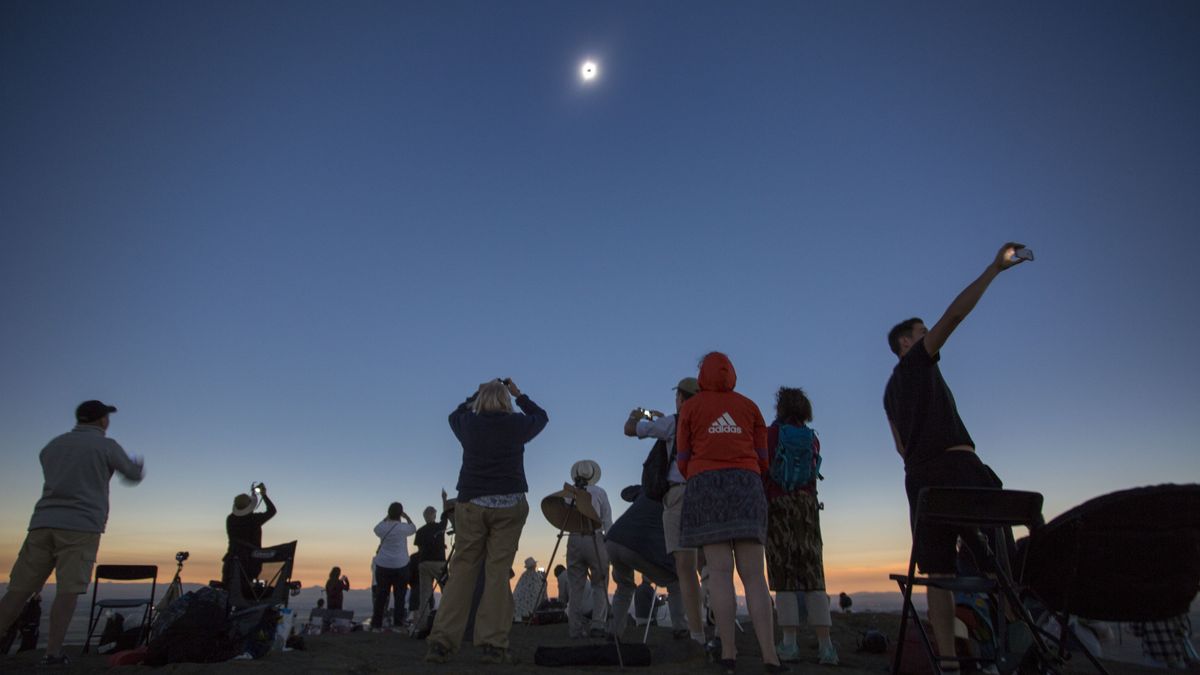
The best place to see the April 2024 total solar eclipse is within the narrow path of totality, which stretches over 4,000 miles from western Mexico to Newfoundland, Canada. The point of greatest eclipse, with the longest duration of totality at 4 minutes and 28 seconds, will be just north of Nazas, Mexico. Texas will have the longest totality in the United States, with Dallas experiencing 3 minutes and 49 seconds. In Canada, the region around Quebec's Eastern Townships will have totality lasting up to 3 minutes and 32 seconds. Weather forecasts and mobility will be important factors in choosing the best location to witness the eclipse.
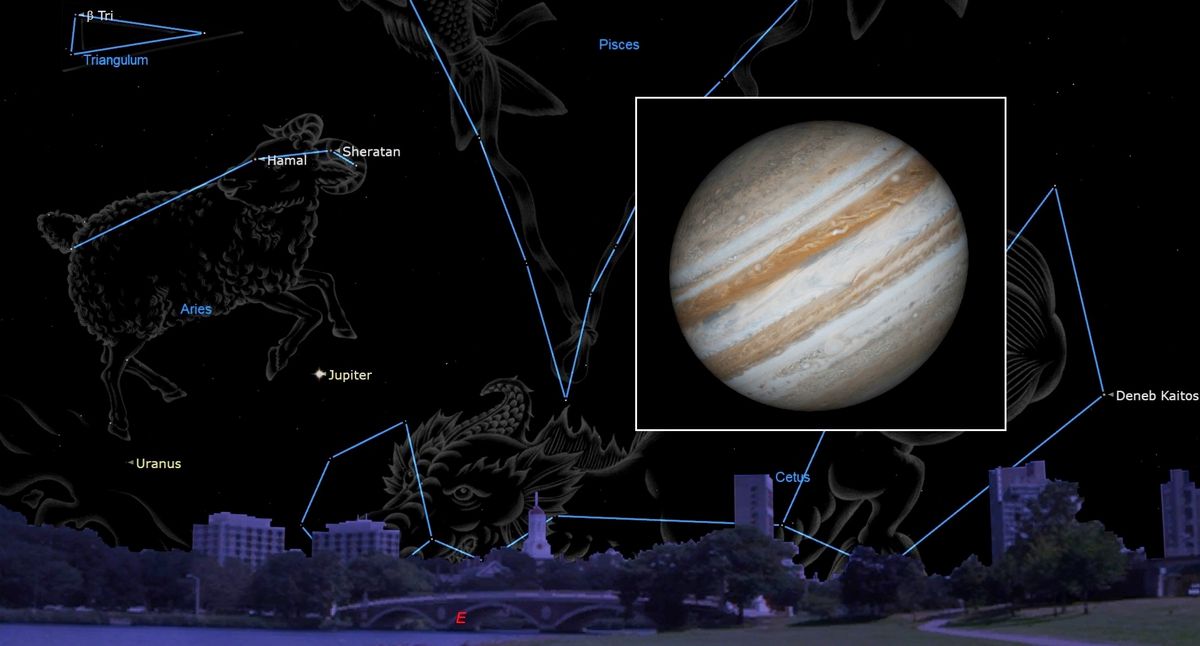
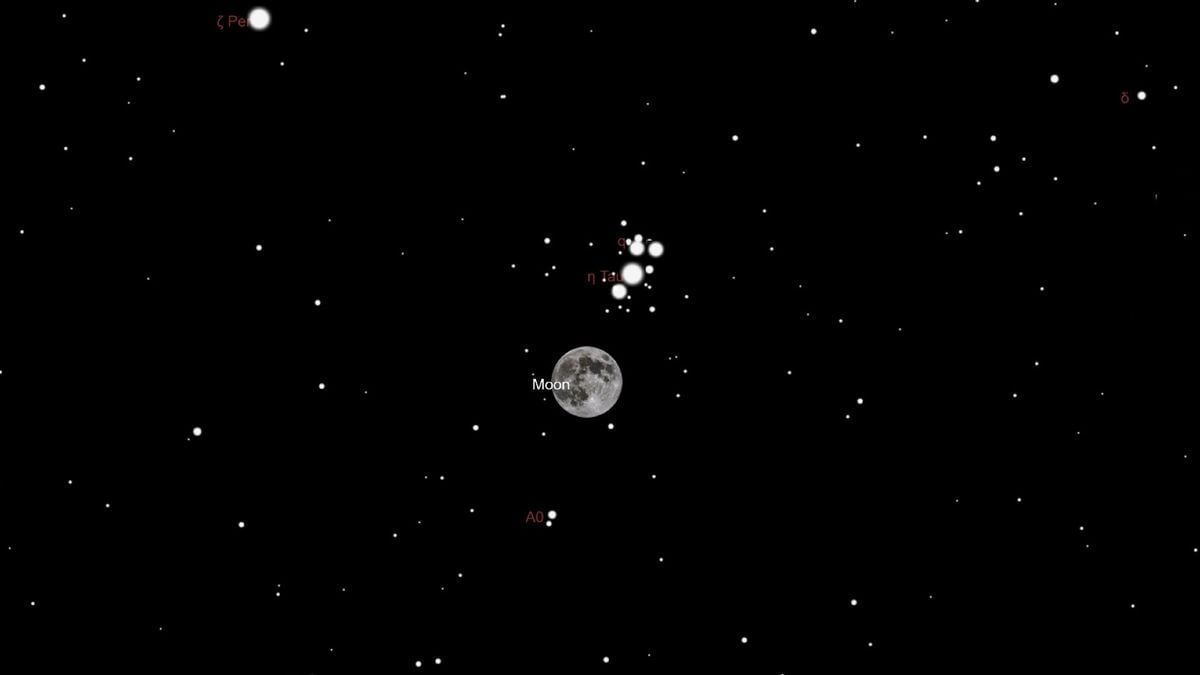
On Friday night, Jupiter will be bright and prominent in the eastern skies, accompanied by the dimmer Uranus and the Pleiades star cluster. Additionally, the Northern and Southern Taurid meteor showers will be visible. Skywatchers can use telescopes or binoculars to observe Jupiter's Galilean moons and the Pleiades, while also keeping an eye out for Taurid meteors. The Taurid meteor showers occur as Earth passes through debris left behind by comet 2P/Encke.
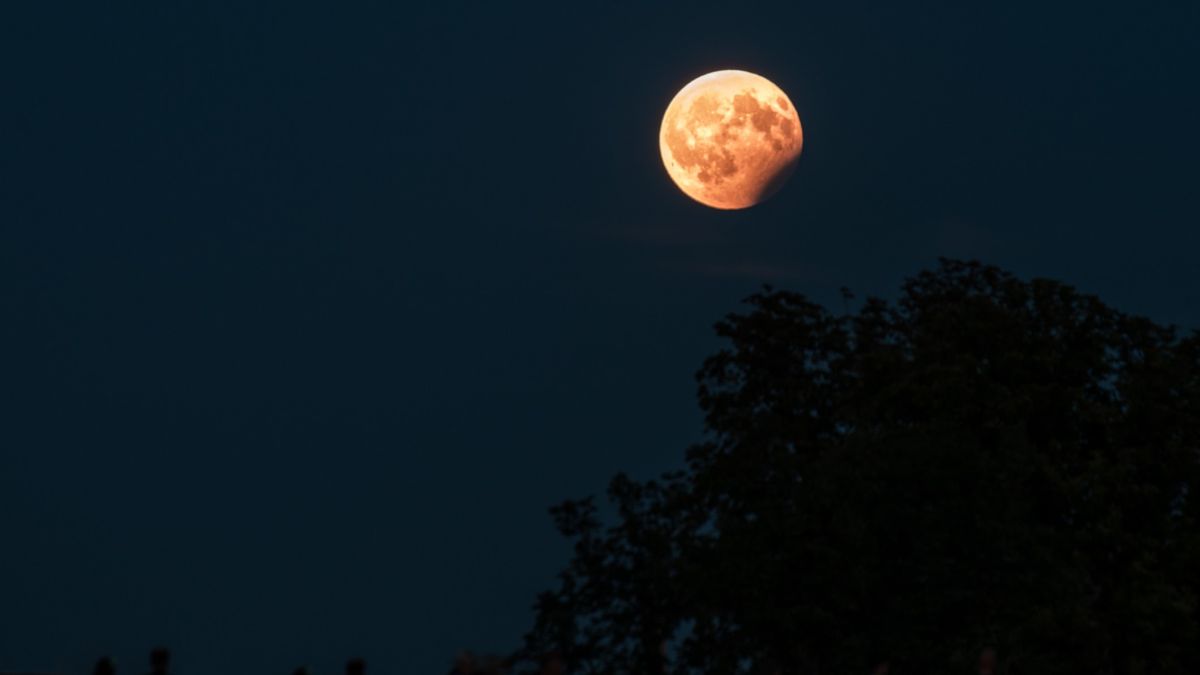
The full Hunter's Moon will coincide with a partial lunar eclipse, providing a spooky spectacle for skywatchers in Africa, Europe, Asia, and parts of Western Australia. The eclipse will begin at 2:01 p.m. EDT on Oct. 28, and the Hunter's Moon will rise around 5:19 p.m. local time in New York City. The moon will appear as if a bite has been taken out of it. Bright Jupiter will also be visible near the moon. The Hunter's Moon marks the start of a new lunar cycle, and it has various names associated with hunting and autumn in different cultures.
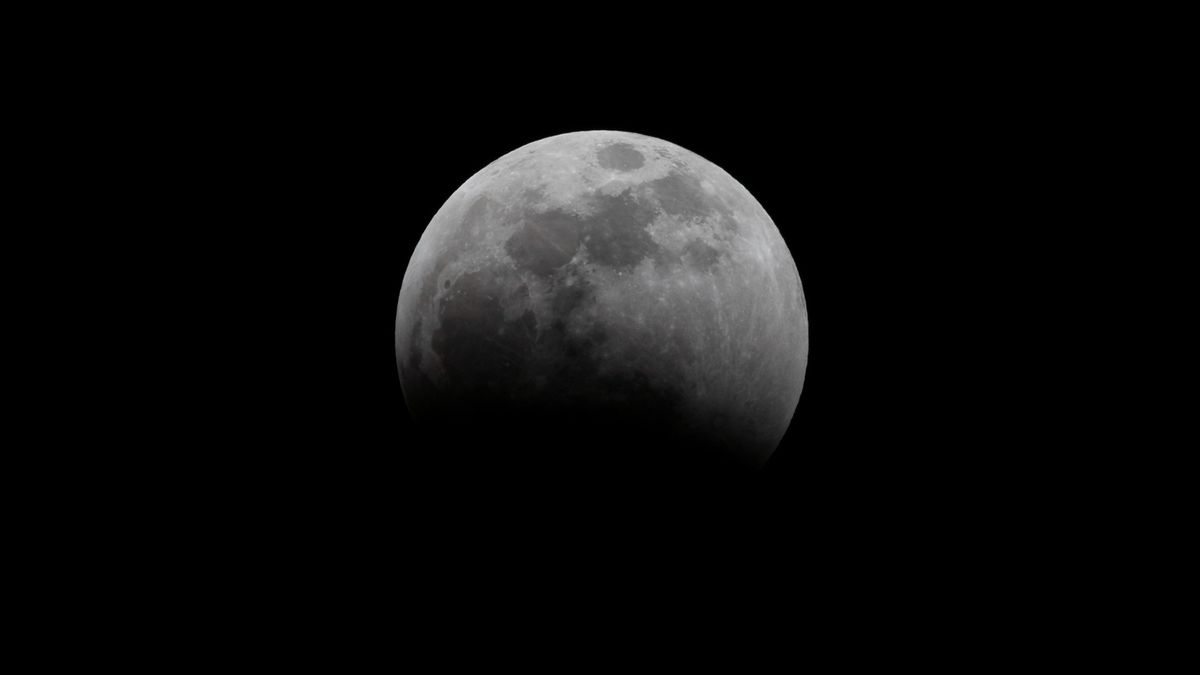
A partial lunar eclipse will occur during October's full moon, the Hunter's Moon, on October 28-29. The eclipse will be visible in full from Europe, including Russia, Italy, Germany, and the UK, as well as African countries like South Africa, Egypt, and Algeria. Skywatchers in New York and other U.S. states will only see the penumbral stage of the eclipse. The eclipse will begin with the moon moving into the penumbra, followed by the umbra covering a large part of the moon, and ending with the moon moving out of the penumbra. The eclipse can be watched live online.
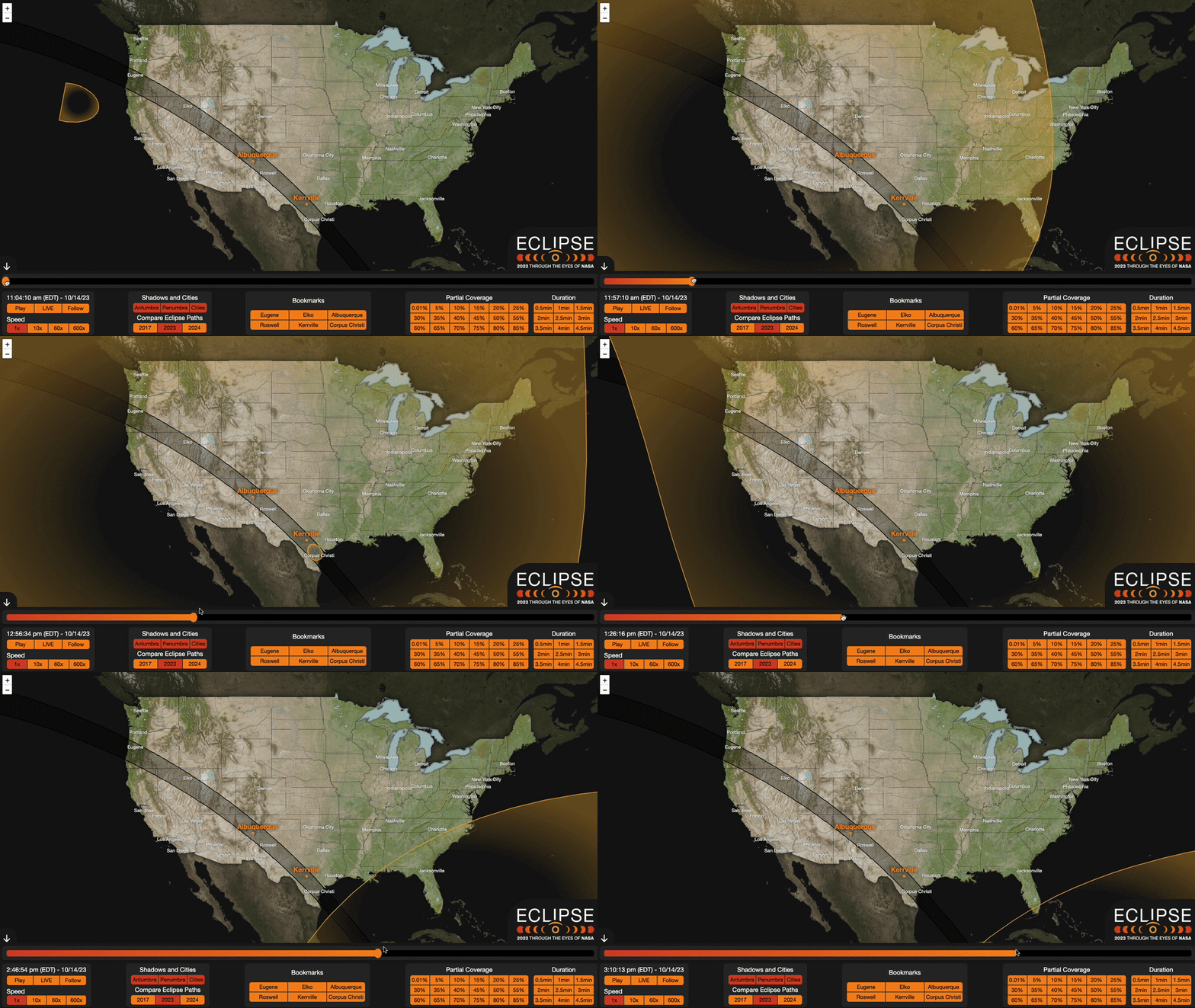
NASA's 2023 Eclipse Explorer offers an interactive map that allows users to track the upcoming annular solar eclipse on October 14. The map provides details on the visibility, path, and duration of the eclipse, allowing users to explore the eclipse viewing experience. Developed by NASA's Scientific Visualization Studio, the interface includes dynamic layers, a time slider, city information, countdown widget, and auto-play feature. The eclipse will cross eight U.S. states before moving across several countries in Central and South America. It is important to use solar filters and follow safety guidelines when observing the eclipse.
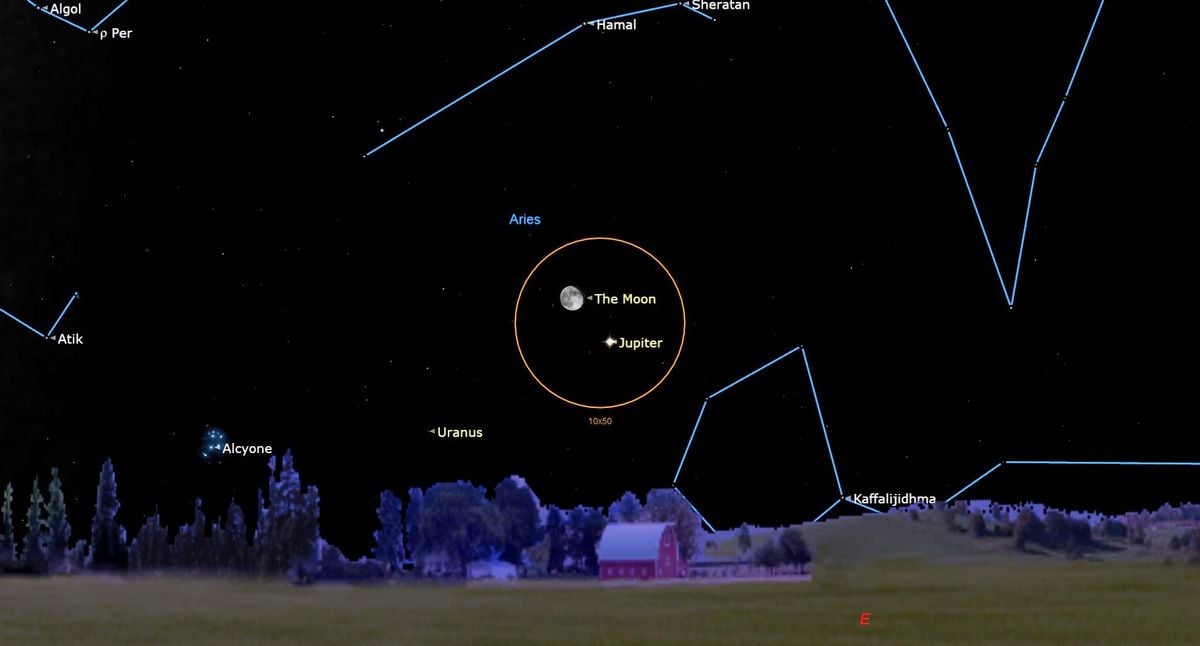
Skywatchers will have the opportunity to see Jupiter and the moon in close proximity in the night sky on Sunday. Jupiter, the largest planet in our solar system, will be visible near the moon in the eastern sky just before 9 p.m. local time. The moon will be about 2.3 degrees below and to the right of Jupiter. This is a great time to observe Jupiter's four largest moons with binoculars or a telescope. If the weather doesn't cooperate, there will be another chance to see the moon and Jupiter together on October 28th.
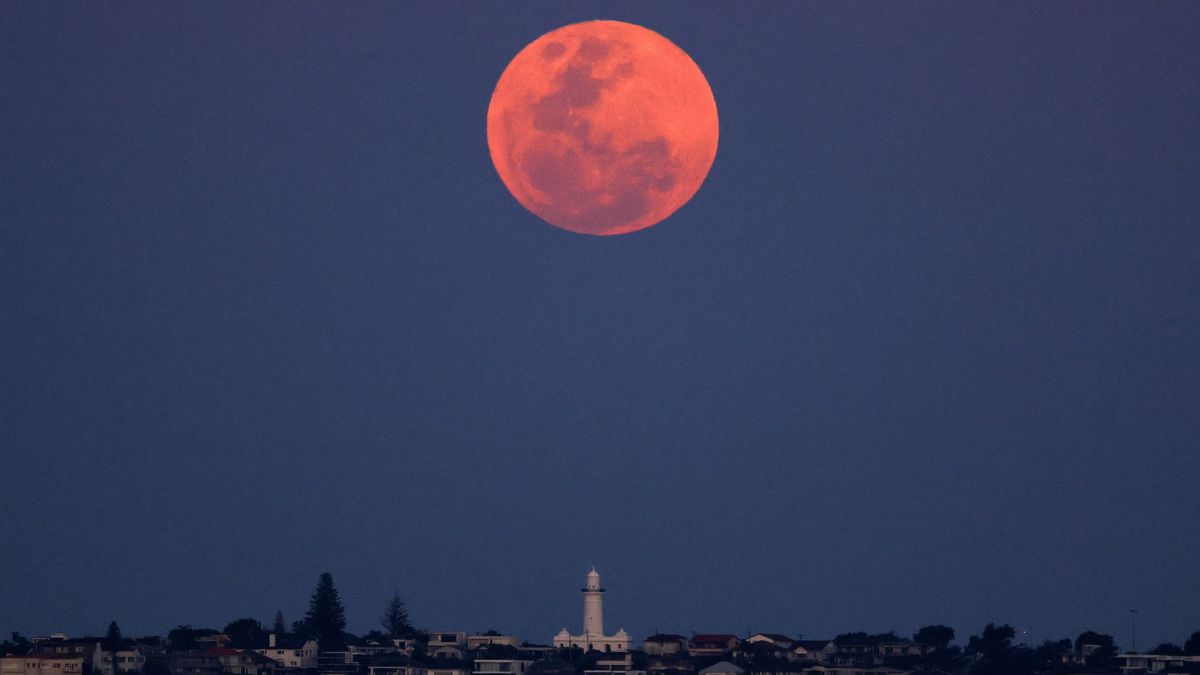
The last supermoon of 2023, known as the Harvest Moon, will rise tonight and will be accompanied by the planets Jupiter, Saturn, and Mercury. This supermoon marks the end of a series of four consecutive supermoons and will appear around 30% brighter and 14% larger than a regular full moon. The Harvest Moon will be located in the Pisces constellation and will be followed by a waning phase before transitioning into a new moon on October 14. Skywatchers will have to wait until September 2024 for the next supermoon.
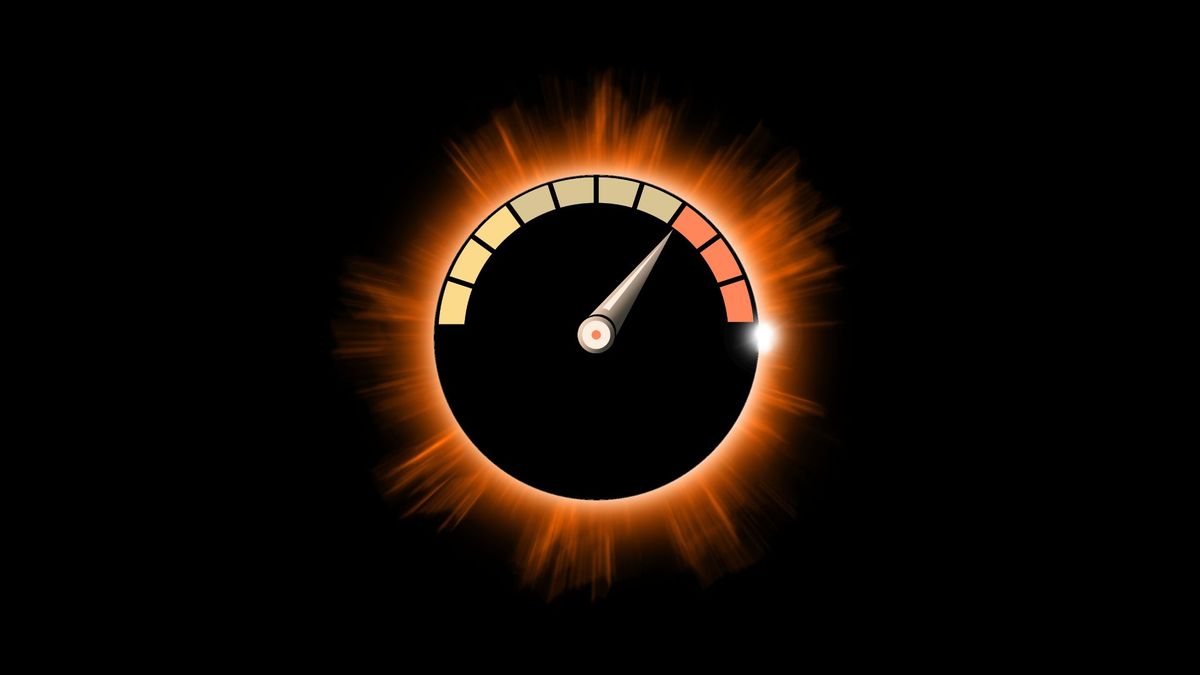
The speed of October's annular solar eclipse will vary depending on the location on Earth. The moon's shadow will travel as fast as 7,000 mph and as slow as 1,700 mph. The speed is influenced by the geometry of the Earth, the distance to the moon, and the moon's orbital speed. The eclipse will move fastest at the extremes of its path and slowest in the middle. In the U.S., the shadow's speed will decrease from 5,683 mph to 1,772 mph as it passes through. The eclipse will create a "ring of fire" as the moon's antumbral shadow passes across the Earth's surface.
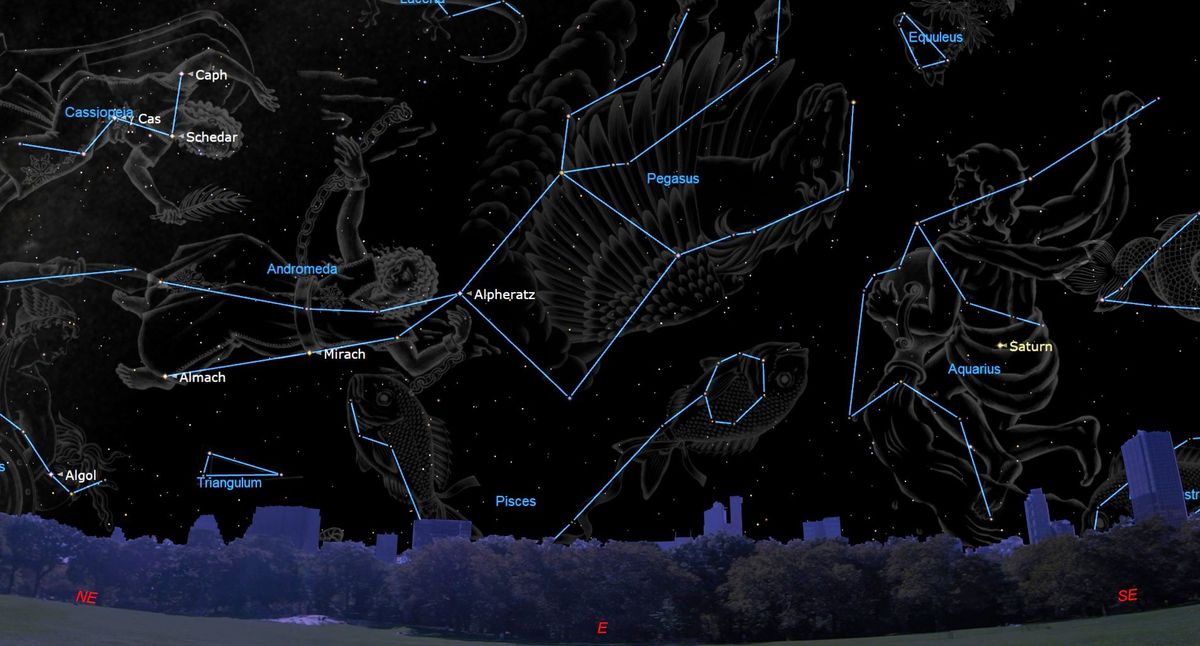
The Great Square of Pegasus, an asterism in the Pegasus constellation, will be visible in the eastern sky throughout September. Comprised of four stars, the Great Square rises higher each night and can be used to locate the nearby star 51 Pegasi, which is home to the first exoplanet ever discovered orbiting a main sequence star. The Great Square is not an official constellation but is a recognizable pattern in the night sky. It will reach its best viewing position in October.
Firefly Books is releasing an updated Fifth Edition of Terence Dickinson's stargazing guide, "NightWatch: A Practical Guide To Viewing The Universe," in celebration of its 40th anniversary. The new edition features improvements to the seasonal star charts, updated information on recent astronomical discoveries, and a redesigned layout with new photographs. The book also includes a comprehensive guide to the night sky, tips on choosing equipment, and information on upcoming celestial events.