Tag

Fermi Gamma Ray Space Telescope

All articles tagged with #fermi gamma ray space telescope

astronomy1 year ago

"Unprecedented Discovery: Nearby Supernova Defies Cosmic Ray Expectations"

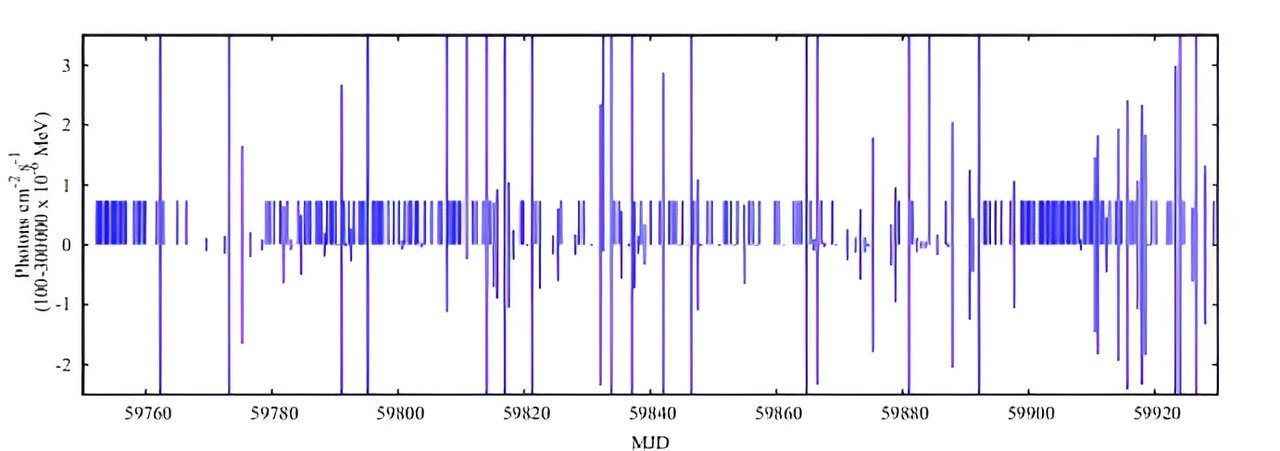
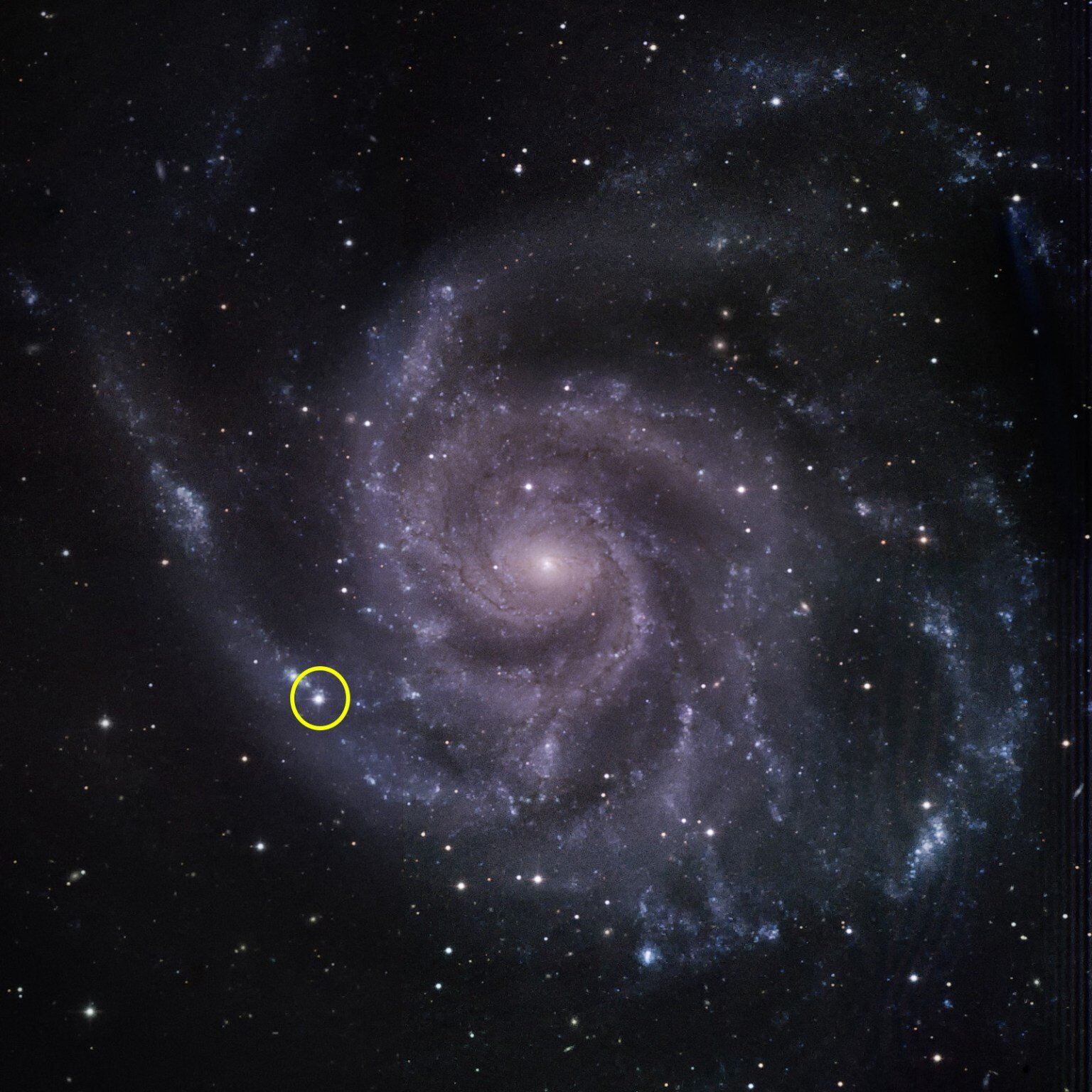
Recent data from the Fermi Gamma-ray space telescope has cast doubt on the traditional theory that supernova explosions are the primary source of cosmic rays, as observed gamma rays from a nearby supernova were conspicuously absent. This challenges previous estimates of energy conversion into cosmic ray acceleration and suggests that there is more to learn about their production. Astronomers are now searching for alternative explanations and plan to study the supernova in other wavelengths to improve their models and understand the mystery of cosmic rays.
astronomy1 year ago

"NASA's Fermi Mission Finds No Gamma Rays from Nearby Supernova"

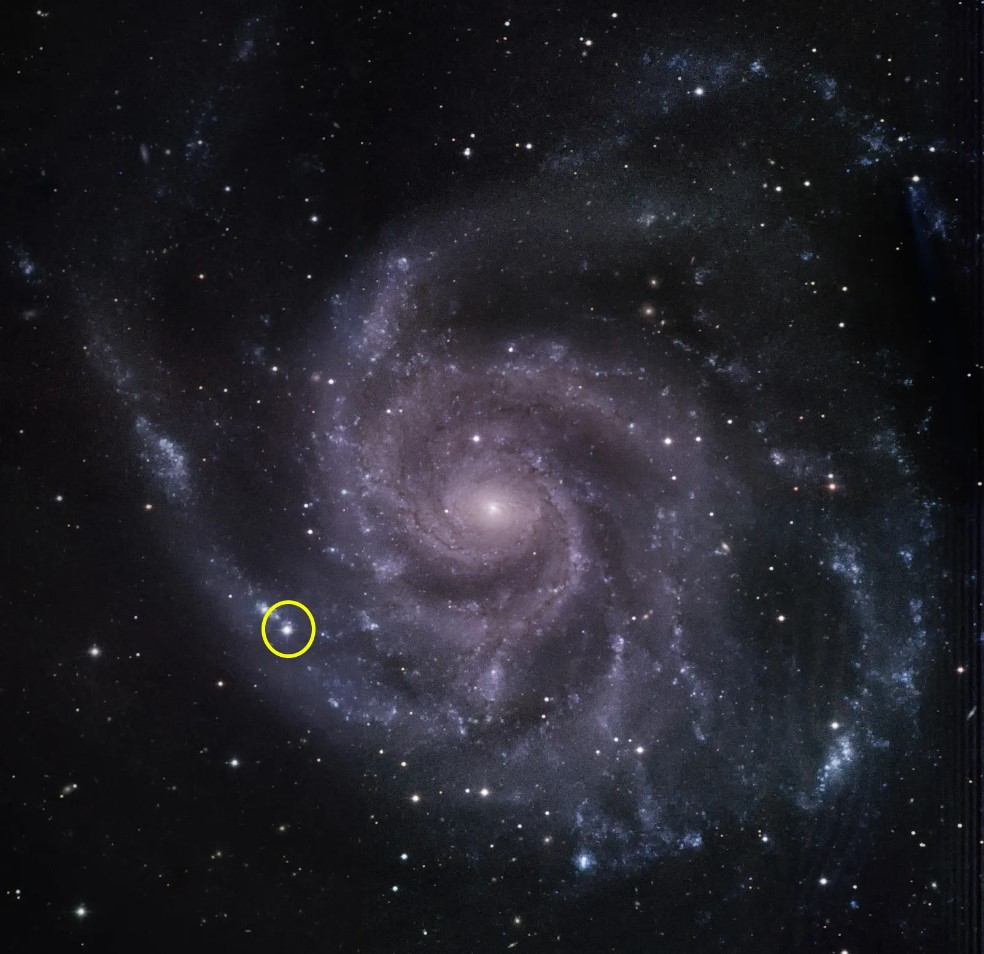
NASA's Fermi Gamma-ray Space Telescope did not detect any high-energy gamma-ray light from the nearby supernova 2023ixf, challenging previous estimates of energy conversion into cosmic ray acceleration. Astrophysicists are now calculating energy conversion as low as 1% within a few days after the explosion, indicating more to learn about cosmic ray production. While the absence of gamma rays doesn't rule out supernovae as cosmic ray factories, it prompts further investigation into underlying hypotheses regarding acceleration mechanisms and environmental conditions. This presents an opportunity to study conditions right after the supernova explosion and refine understanding of the universe's cosmic rays.

astronomy1 year ago

"NASA's Fermi Mission Observes Absence of Gamma Rays from Nearby Supernova"

NASA's Fermi Gamma-ray Space Telescope did not detect high-energy gamma-ray light from the nearby supernova SN 2023ixf, challenging previous estimates about the energy conversion of supernovae into cosmic ray acceleration. This absence of gamma rays prompts astrophysicists to investigate the underlying acceleration mechanisms and environmental conditions, shedding light on the mysterious sources of cosmic rays in the universe. Further observations, simulations, and models based on this event, as well as studies of other young supernovae, will aid in unraveling the enigma of cosmic ray origins.

astronomy2 years ago

"Nasa Detects Mysterious Signal from Beyond Our Galaxy in Telescope Data"

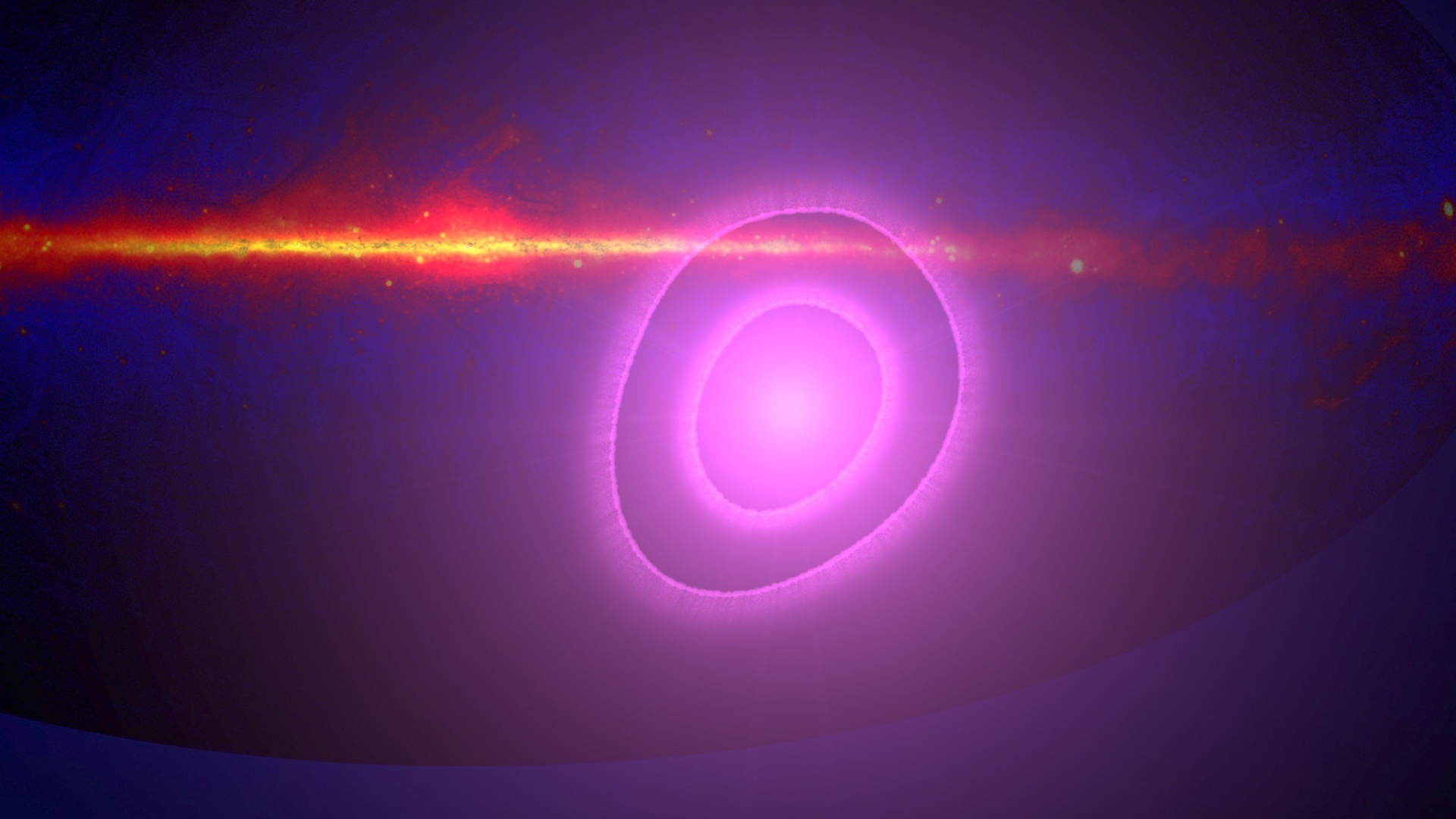
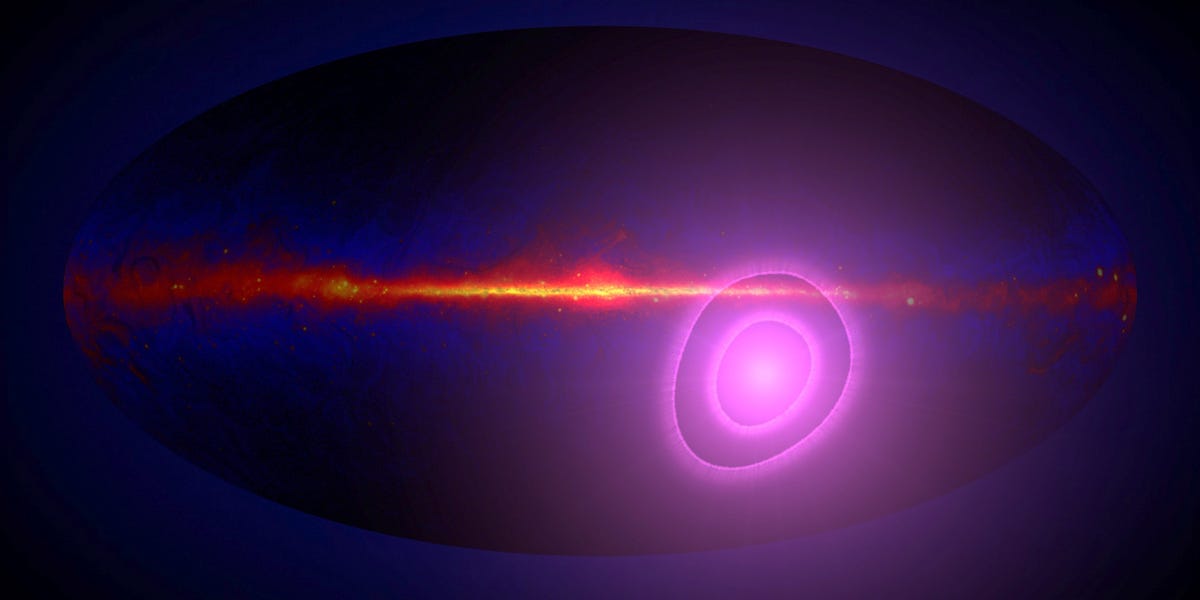
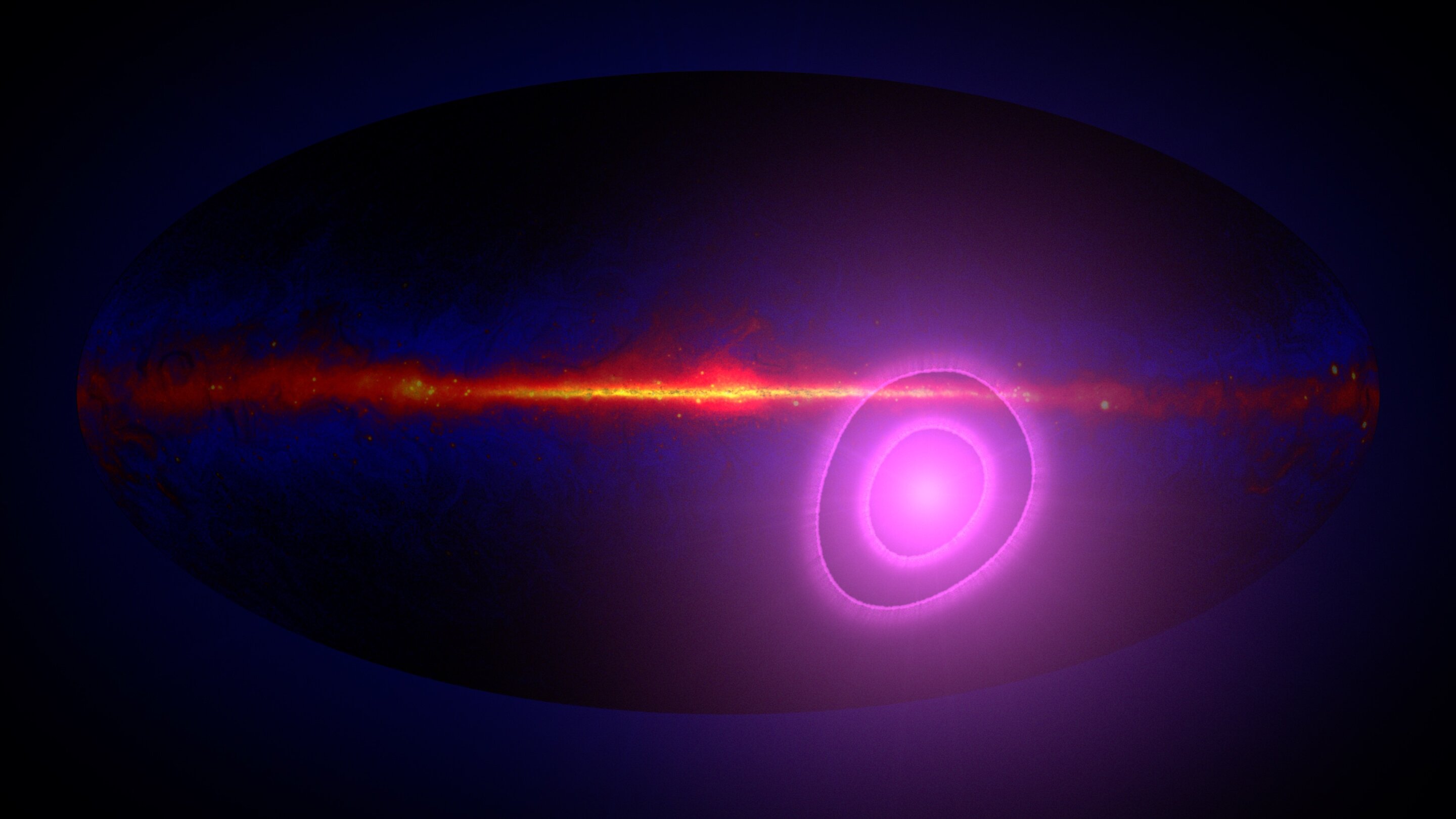
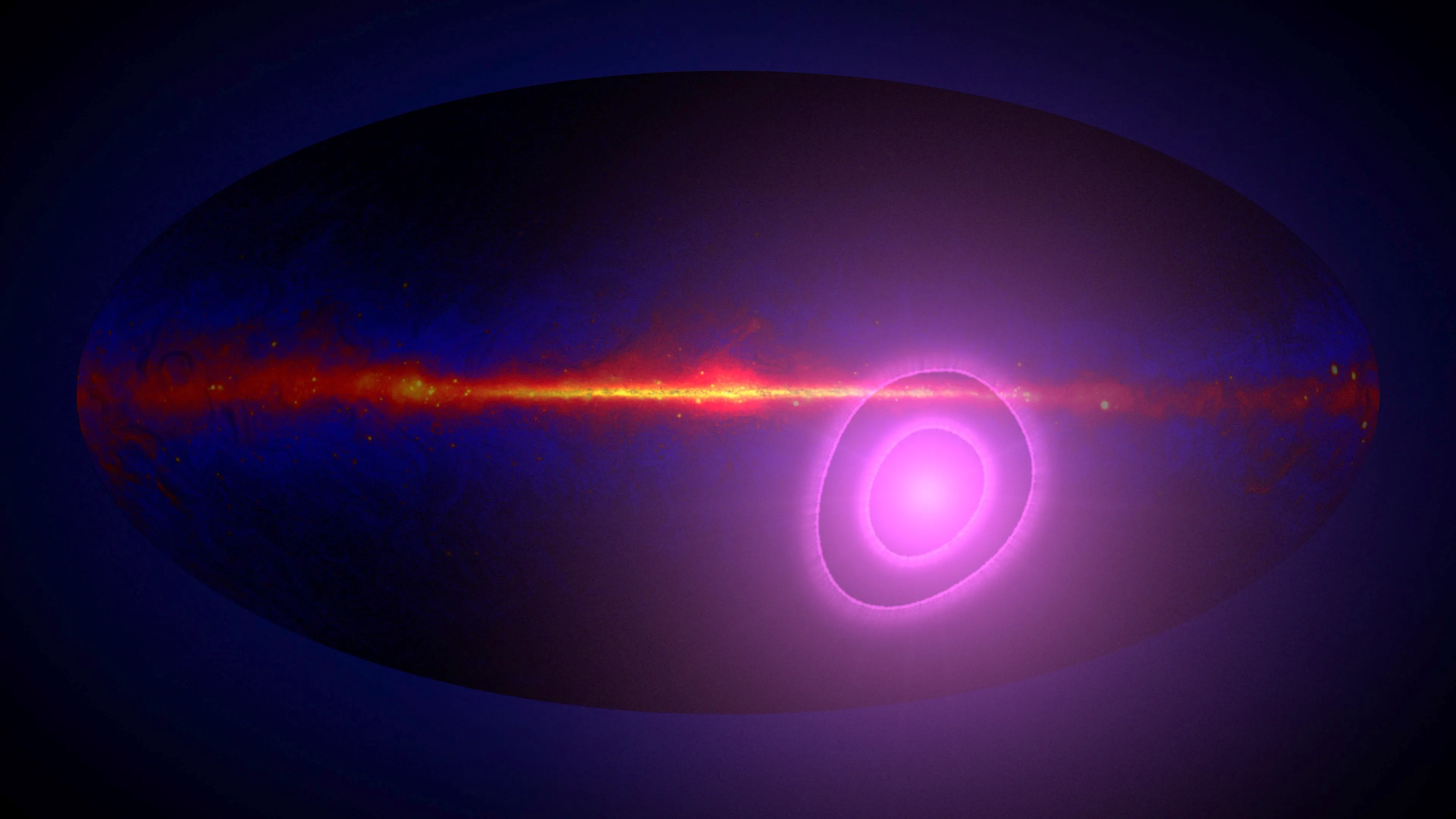
NASA's Fermi Gamma-ray Space Telescope has detected an unusual and unexplained signal from deep space while analyzing 13 years of data, challenging scientists' understanding of space rays. The signal, found by chance, is outside our galaxy and has a nearly identical magnitude to one of the oldest gamma-ray features, perplexing researchers. This discovery, detailed in The Astrophysical Journal Letters, could be linked to a cosmic gamma-ray feature observed in 2017, marking a significant and unexpected finding in the realm of gamma-ray astronomy.

astronomy2 years ago

"Unexplained Signal Detected Beyond Milky Way by NASA's Fermi Telescope"

NASA astronomers have discovered an unexpected and unexplained gamma-ray signal coming from outside our galaxy while analyzing data from the Fermi Gamma-ray Space Telescope. The signal, detected in a different part of the sky than expected, has created a cosmic conundrum for scientists and could be linked to a similar unexplained feature observed previously. This discovery could challenge current ideas about the universe's creation and provide insight into physical processes in the early universe.

astronomy2 years ago

Surprise Gamma-Ray Feature Detected Beyond Our Galaxy by Fermi Telescope

NASA's Fermi Gamma-ray Space Telescope has detected an unexpected gamma-ray feature beyond our galaxy, which is 10 times stronger than expected and located far from the cosmic microwave background (CMB) dipole. This discovery, presented at the American Astronomical Society meeting, suggests a link between the gamma-ray signal and ultrahigh-energy cosmic rays, both exhibiting similar magnitudes and directions. The findings challenge current understanding of astrophysical processes and may provide insights into the early universe.

astronomy2 years ago

"NASA's Fermi Discovers Unexpected Gamma-Ray Feature Outside Milky Way"

NASA's Fermi Gamma-ray Space Telescope has detected an unexpected gamma-ray feature outside our galaxy, similar to another unexplained feature produced by highly energetic cosmic particles. The gamma-ray signal was found in a direction and magnitude similar to the oldest light in the universe, known as the cosmic microwave background (CMB). This discovery suggests a potential link between the gamma rays and ultrahigh-energy cosmic rays, posing a cosmic conundrum that requires further investigation to identify the mysterious sources behind these phenomena.

astronomy2 years ago

"Stunning 14-Year Timelapse Captures Gamma-Ray Sky's Beauty"

NASA's Fermi Gamma-Ray Space Telescope has compiled a timelapse of its data collected between August 2008 and August 2022, revealing the sources of gamma radiation in the Universe. The timelapse showcases the Sun's steady arc across the screen, blazar galaxies with active supermassive black holes, and other sources such as supernova remnants. Fermi's observations provide insights into the most energetic events and objects in the cosmos, despite the challenges of studying gamma radiation from Earth's surface.

space2 years ago

"Stunning 14-Year Time-Lapse Reveals Gamma-Ray Sky Captured by Fermi Mission"

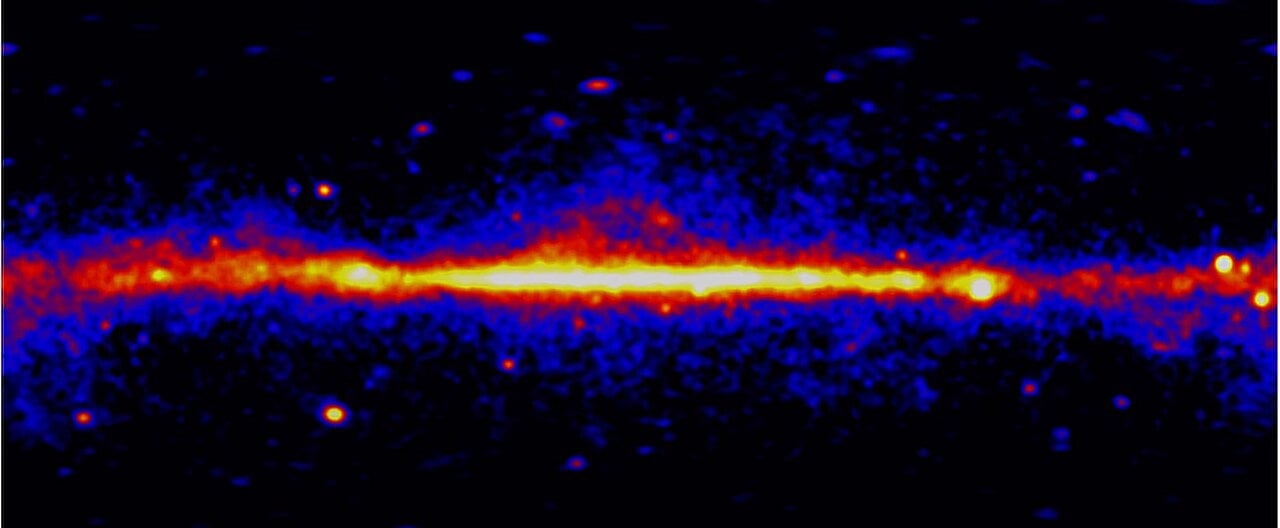
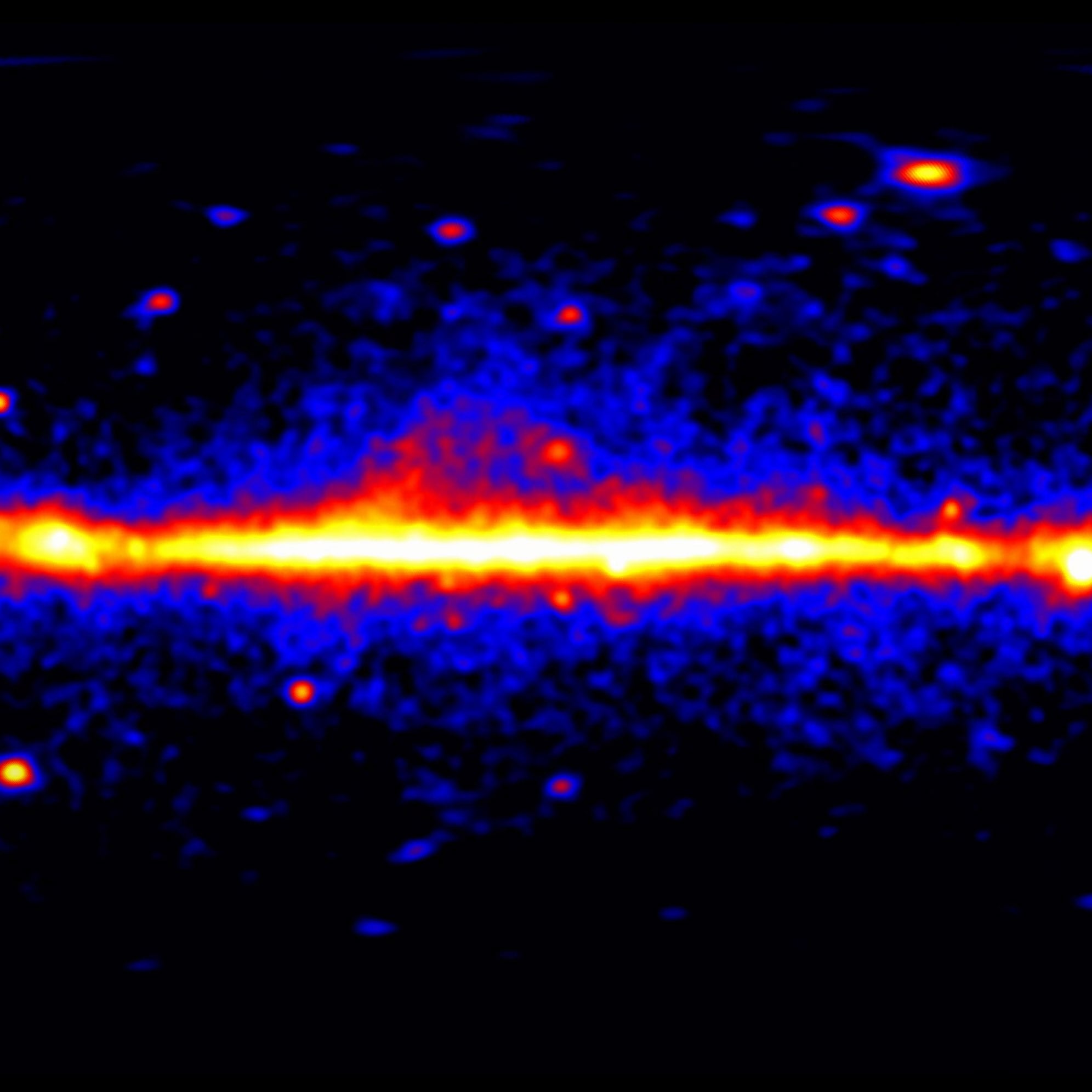
NASA's Fermi Gamma-ray Space Telescope has created a stunning 14-year time-lapse movie of the gamma-ray sky, showcasing the intensity of gamma rays above 200 million electron volts. The movie captures the sun's movement against the backdrop of high-energy sources within our galaxy and beyond, including powerful flares from supermassive black holes in distant galaxies. The time-lapse also reveals the central plane of the Milky Way, neutron stars, supernova remnants, and distant blazars, providing valuable insights into black hole activity throughout cosmic time.

space-science2 years ago

"Fermi Mission Captures 14-Year Gamma-Ray Sky Time-Lapse"

NASA's Fermi Gamma-ray Space Telescope has created a stunning 14-year time-lapse movie of the gamma-ray sky, showcasing the cosmic dance of high-energy sources. The movie captures the Sun's path against the backdrop of intense gamma-ray sources, including flares from supermassive black holes in distant galaxies. Gamma rays, the highest-energy form of light, are detected by Fermi's Large Area Telescope. The movie reveals the central plane of the Milky Way, neutron stars, supernova remnants, and distant blazars, which are galaxies hosting black holes with fast-moving jets of matter. The time-lapse provides valuable insights into black hole activity and cosmic events throughout the universe's history.

astronomy2 years ago

"NASA's Fermi Mission Discovers Over 300 Gamma-Ray Pulsars, Revolutionizing Astrophysics"

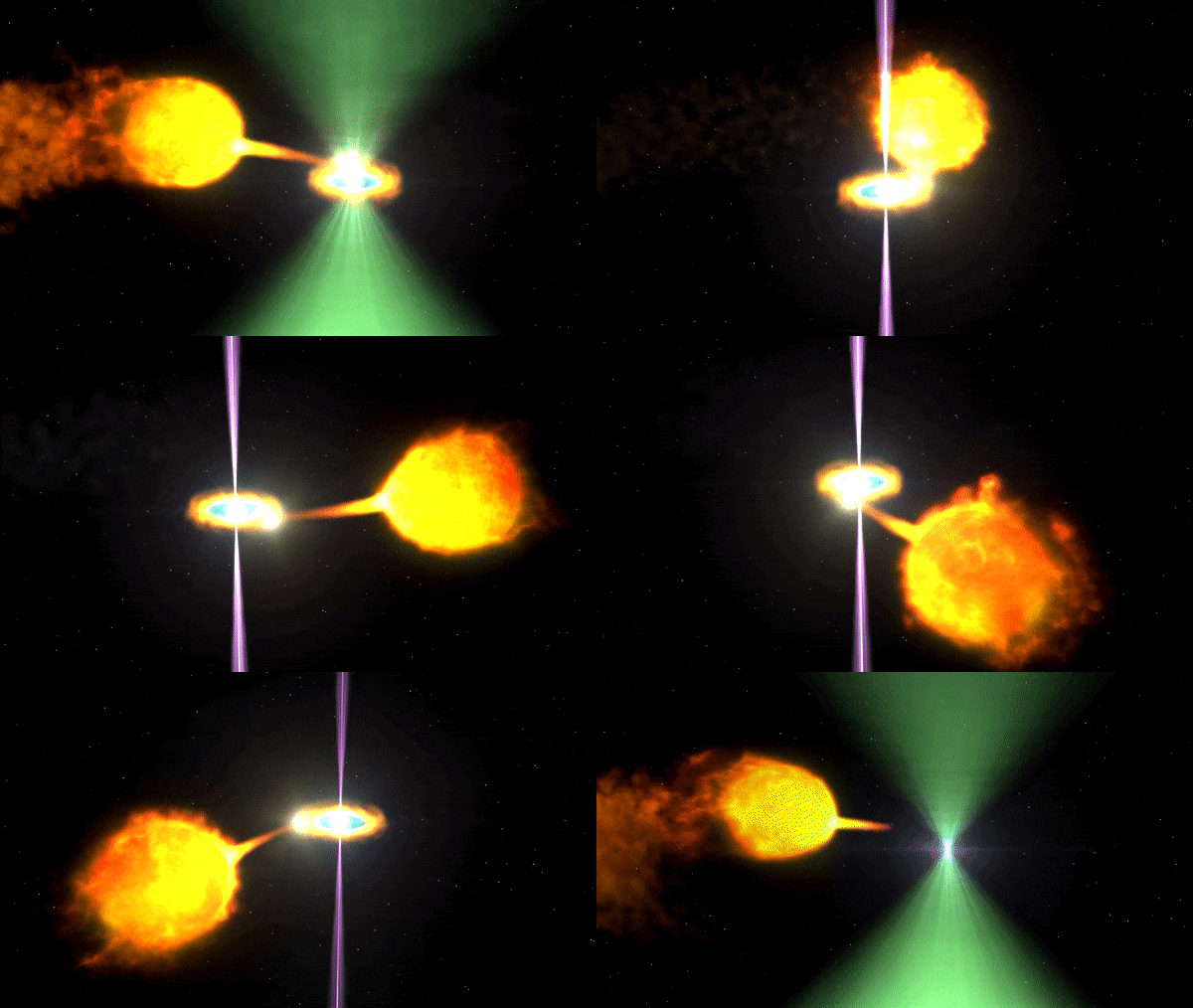
NASA's Fermi Gamma-ray Space Telescope has discovered 294 gamma-ray-emitting pulsars, with another 34 awaiting confirmation, marking a significant increase from the 11 known before the mission launched in 2008. Pulsars, which are neutron stars, emit narrow beams of energy as they rotate, and their study provides insights into cosmic rays, stellar evolution, gravitational waves, and dark matter. The new catalog, compiled by an international team of astronomers, aims to promote further exploration of these astrophysical phenomena.

astronomy2 years ago

"Unveiling Gamma Radiation Pulses: Insights from Fermi Gamma-ray Space Telescope's Data on Sagittarius A*"

Astrophysicists studying data from the Fermi Gamma-ray Space Telescope have discovered regular gamma radiation pulses emanating from Sagittarius A*, the supermassive black hole at the center of the Milky Way galaxy. The researchers found that every 76.32 minutes, a pulse of gamma radiation is emitted from something close to Sagittarius A*, likely a blob of gas orbiting the black hole. The periodicity of these pulses is connected to X-ray flares also observed near Sagittarius A*.

astronomy2 years ago

"Unprecedented Discovery: Scientists Detect Brightest Gamma-ray Burst in History"

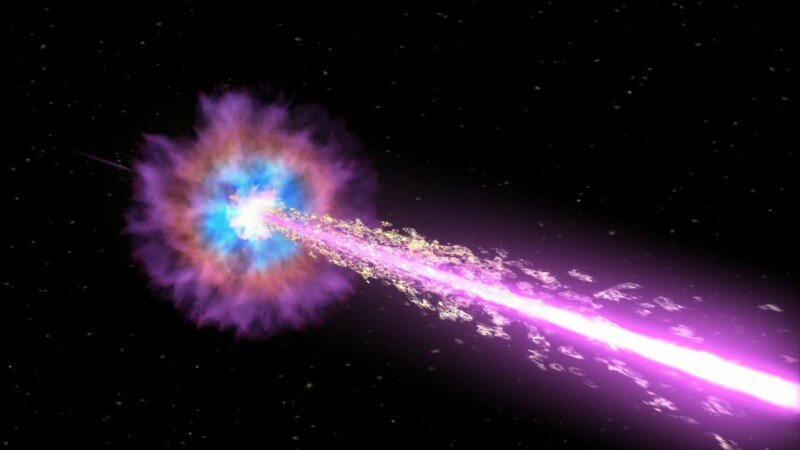
Researchers at the University of Alabama in Huntsville have discovered the brightest gamma-ray burst (GRB) ever observed, believed to have been triggered by the collapse of a massive star and accompanied by a supernova explosion, resulting in the birth of a black hole. The GRB, named Gamma-Ray Burst 221009A, occurred approximately 2.4 billion light-years away in the constellation Sagitta. The researchers operate the Gamma-ray Burst Monitor (GBM) aboard the Fermi Gamma-ray Space Telescope, which detected over 3,500 GRBs, with 221009A being the brightest ever detected.

astronomy2 years ago

"Visualizing the Universe's Gamma Ray Brilliance"

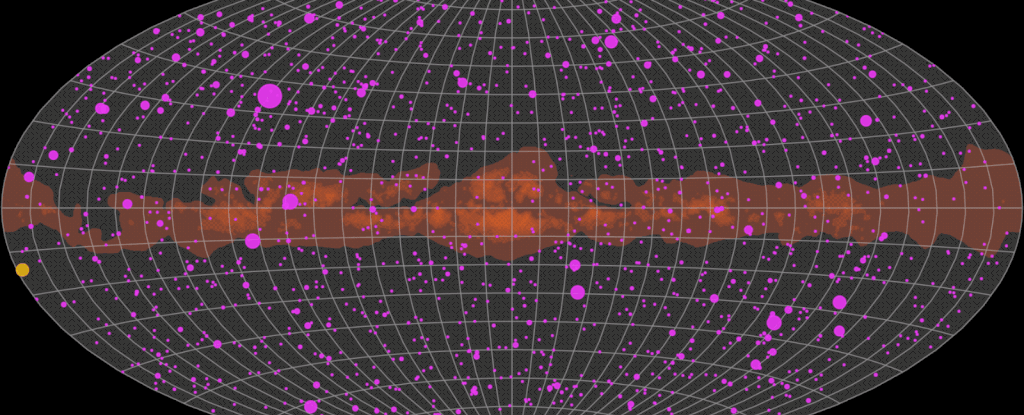
NASA's Fermi Gamma-ray Space Telescope has compiled a catalog of 1,525 sources of gamma radiation, including blazars, pulsars, supernova remnants, and binary systems. The telescope constantly monitors the sky for gamma rays, the highest-energy light in the Universe, and provides astronomers with a map of the various producers of gamma radiation that we can detect. The newly updated catalog is freely available and could lead to new insights into past events and phenomena associated with gamma-ray sources.