Urine can indeed help a tree stump rot faster due to its nitrogen content, which aids in speeding up the decomposition process by feeding the decay fungi and microbes. To use urine effectively, make significant cuts across the base of the stump, drill deep holes, fill the holes, cover the top of the stump with soil and compost, and douse it with urine daily. This method, although not the fastest, can take a few months to a few years depending on the size of the stump, and has been successful for many.
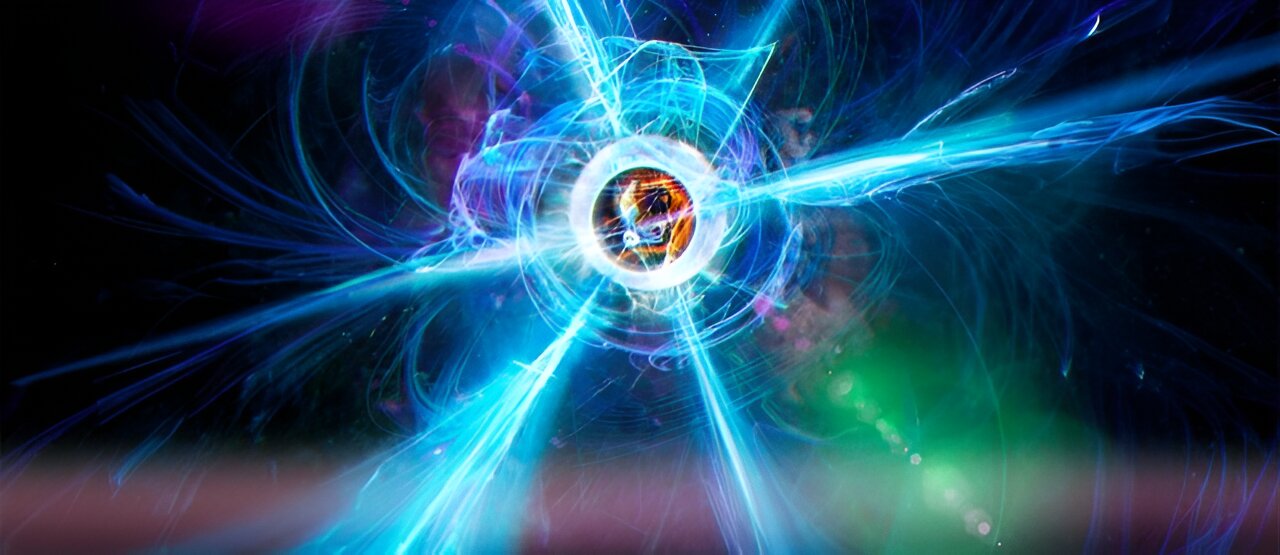
An international team of scientists may have discovered an exotic nitrogen-9 isotope, which features seven protons and two neutrons, making it the first known example of a nucleus that decays by releasing five protons. The team's experiments at the National Superconducting Cyclotron Laboratory detected nitrogen-9 nuclei, and the energy produced during its decay matched existing theoretical predictions. If confirmed, this discovery could provide new insights into the behavior of atoms with different numbers of protons and neutrons.
Scientists have captured a mesmerizing time-lapse video showing the birth and decay of a penis-shaped mushroom known as the stinkhorn fungus. The mushroom, which emits a foul smell similar to decomposing flesh, grows near rotting wood and plants. The video shows the mushroom emerging from its base and growing to its full size within three hours. Flies are attracted to the mushroom's putrid smell and feast on its slime for 10 hours, stripping it of its olive-brown cover. The remaining white body then begins to rot before eventually decomposing and disappearing back into the ground. This short life cycle allows the stinkhorn fungus to complete its reproductive cycle by dispersing its spores through the excrement of flies and other invertebrates.
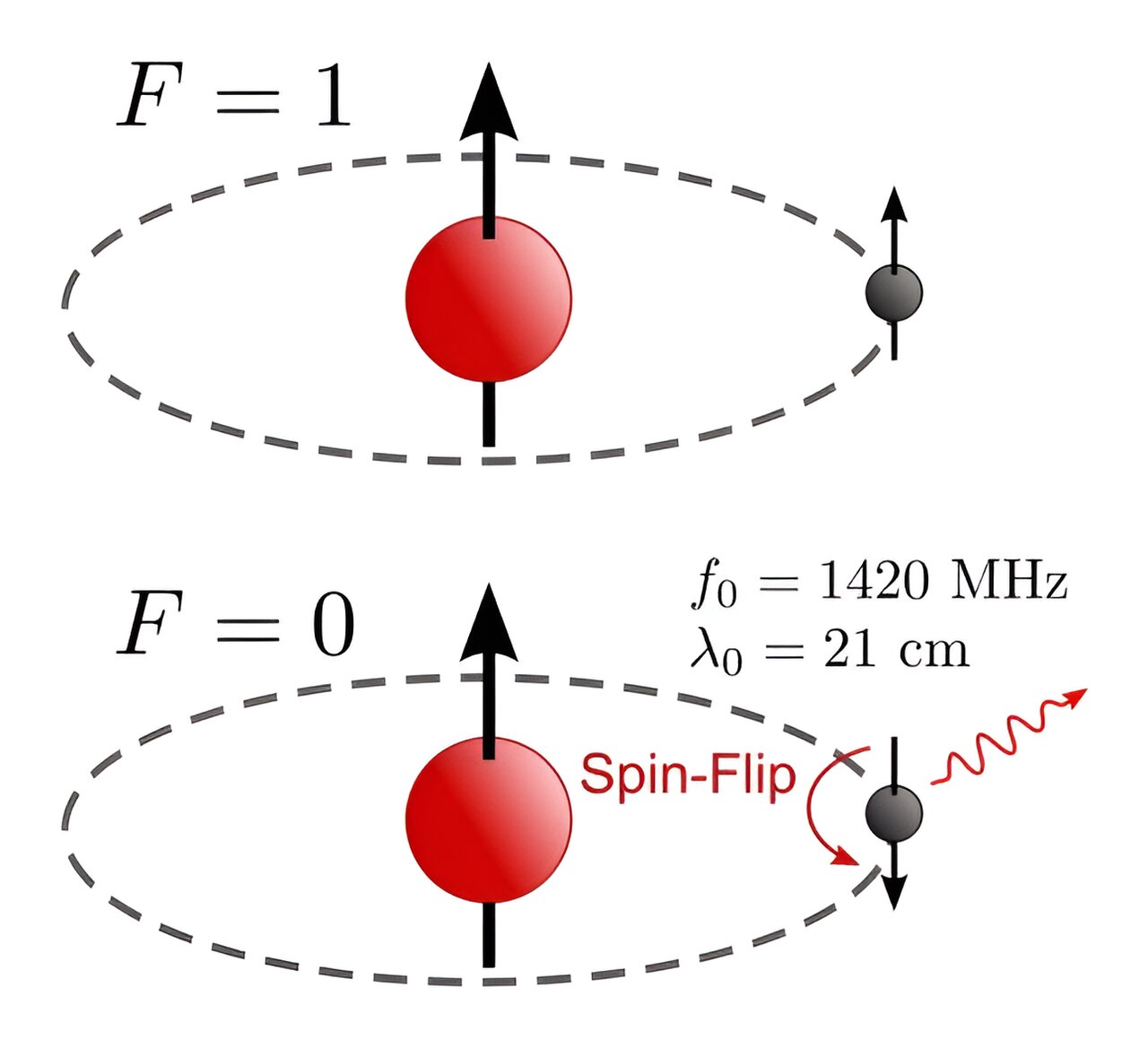
A new study suggests that the Hydrogen Epoch of Reionization Array (HERA), a radio telescope in South Africa, could potentially detect evidence of decaying dark matter particles in the early universe. By observing the 21-centimeter line emitted by neutral hydrogen, HERA could detect the interaction of energetic decay particles from WIMPs (Weakly Interacting Massive Particles) with the hydrogen light. Even if no evidence of dark matter decay is found, HERA's observations would still provide valuable constraints on dark matter half-life and help narrow down the range of dark matter models.
Researchers have observed the existence of an "Alice ring," a ring-like vortex formed when monopoles decay, confirming a decades-old theory. Monopoles are solitary counterparts to dipoles, carrying either a positive or negative charge. The Monopole Collaboration, through manipulating a gas of rubidium atoms, created and observed the decay of quantum monopoles into Alice rings. These rings exhibit peculiar properties and could potentially transform monopoles passing through their center into anti-monopoles of opposite charge. The discovery opens new doors for understanding the behavior of monopoles and their analogs in particle physics.
Nicosia International Airport in Cyprus, once the main airport on the island, has been abandoned since 1974 due to conflict. The airport, frozen in time for almost 50 years, is now filled with rusting airplanes, peeling paint, and overgrown vegetation. The abandoned site serves as a reminder of Cyprus' tumultuous past. However, a team of researchers has recently documented and digitized the airport, allowing the public to take a virtual tour of the decaying site.
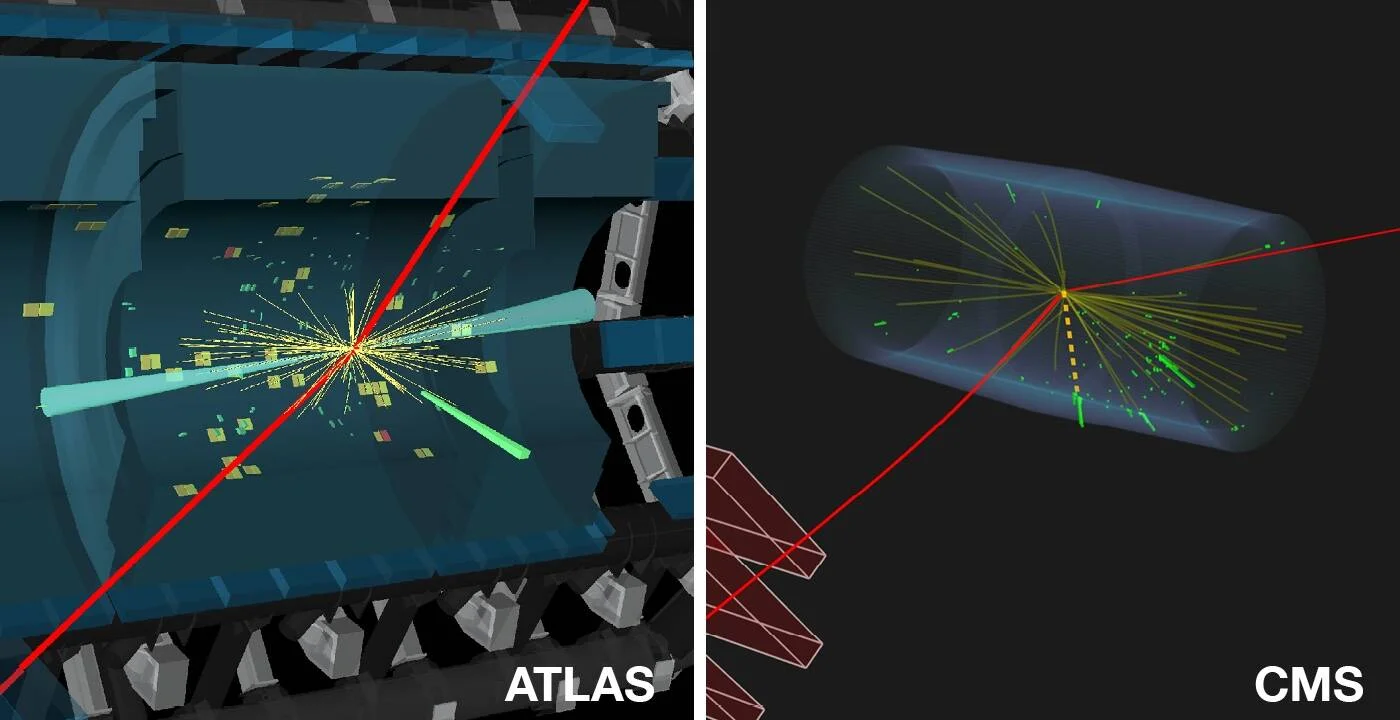
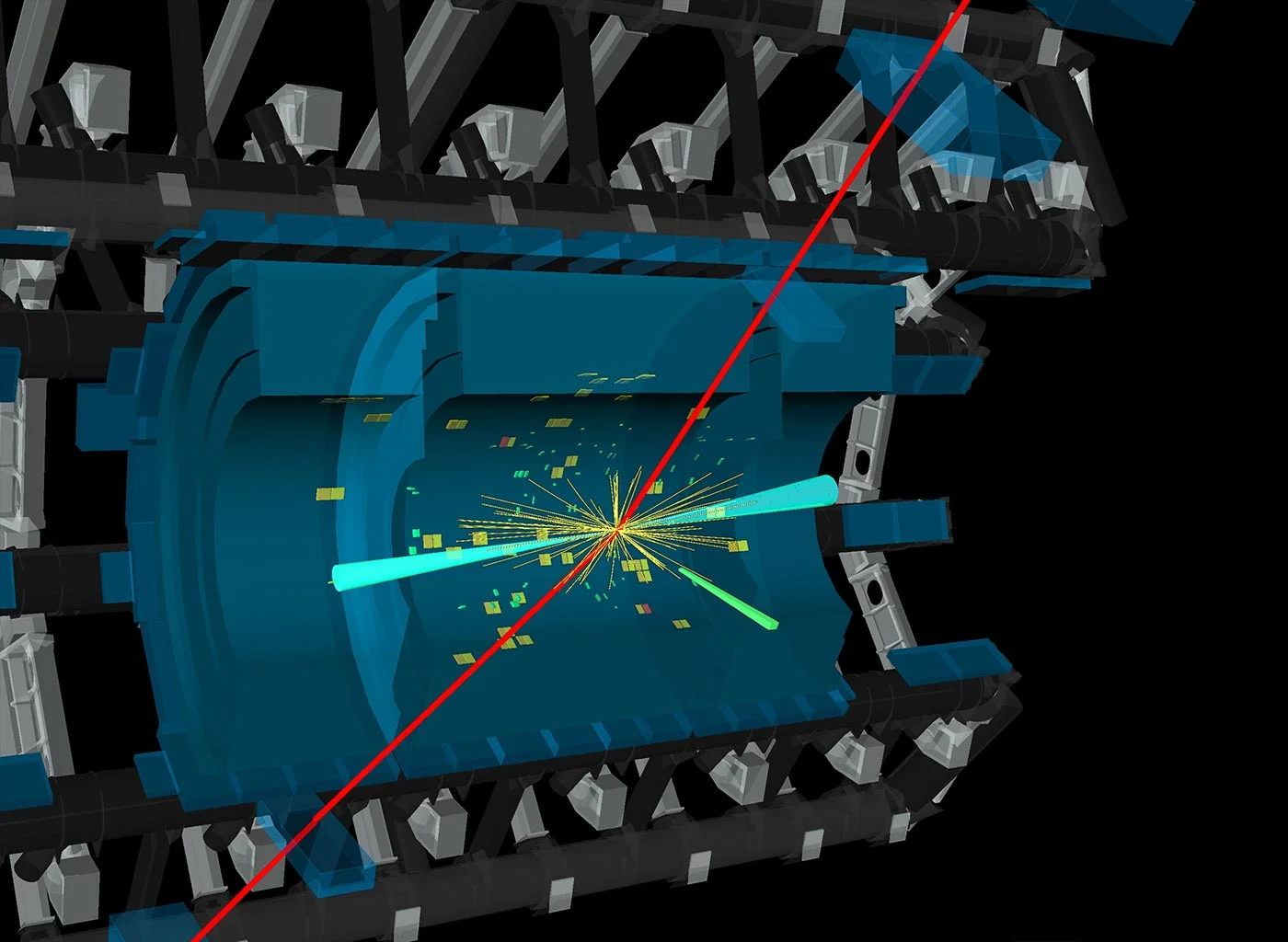
Researchers at CERN have discovered evidence of a rare form of Higgs boson decay, which could prove the existence of particles beyond those predicted by the Standard Model of particle physics. The discovery was made by combining data from two CERN experiments, ATLAS and CMS, and suggests that the Standard Model is pointing towards theories that extend beyond it. The discovery rates 3.4-Sigma, which is a low chance of being a mistaken observation, but greater than the discovery of the Higgs boson itself.
Teams at CERN have announced the first evidence of a rare decay in the Higgs boson at the Large Hadron Collider Physics Conference in Belgrade. The Higgs boson is essential to explanations of why certain other particles have mass. The Higgs boson can decay in multiple ways, the first of which was reported in 2018. These end up with different particles, and the distribution is thought to depend on its mass, now narrowed down to a tight range around 125.45 billion electronvolts.
Hundreds of people have traveled to a monastery in rural Missouri to view a nun's body which appears to show no signs of decay approximately four years after her death.
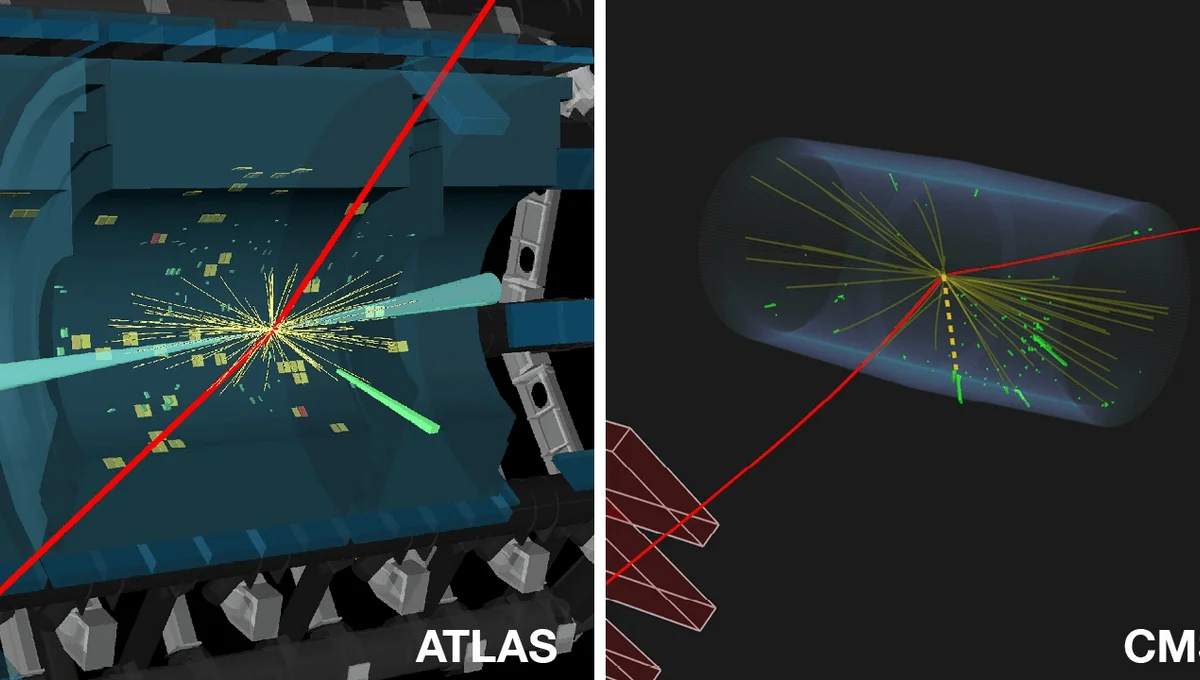
The ATLAS and CMS collaborations at CERN’s Large Hadron Collider (LHC) have discovered the first evidence of the Higgs boson decaying into a Z boson and a photon, a rare process that could provide indirect evidence of particles beyond those predicted by the Standard Model of particle physics. The decay of the Higgs boson into a Z boson and a photon could provide valuable insights into both physics beyond the Standard Model and the nature of the Higgs boson.
Chettinad, a region in southern India, is home to over 15,000 mansions built by wealthy bankers and traders over a century ago. After World War II, the region's wealth declined, and many of the mansions were left to decay. The average mansion spans up to 50,000 square feet and has over 50 rooms, making them difficult for current owners to maintain. Despite their state of disrepair, the mansions are a testament to the region's heritage and history.
Hundreds of theme parks have closed due to falling attendance, natural disasters, financial difficulties, or irrelevance to modern parkgoers. These abandoned parks attract urban explorers, social media enthusiasts, and people seeking to relive memories. Some of the world's most fascinating abandoned theme parks include Spreepark in Germany, Mimaland in Malaysia, Camelot in the UK, Six Flags New Orleans in the US, Nara Dreamland in Japan, Tivoli Garden in France, Pripyat Amusement Park in Ukraine, Yongma Land in South Korea, Cypress Gardens in Florida, and Hồ Thủy Tiên water park in Vietnam.
Scientists have discovered and synthesized a new isotope of uranium, uranium-241, which has 92 protons and 149 neutrons, making it the first new neutron-rich isotope of uranium discovered since 1979. The half-life of uranium-241 is estimated to be around 40 minutes. The isotope was created by firing a sample of uranium-238 at platinum-198 nuclei at Japan's RIKEN accelerator. The discovery is unlikely to have any practical or scientific applications due to the small numbers in which it is created.
Euler's Number or "e" is a mathematical constant found across fields from quantum mechanics to finance to zoology. Its presence is incredibly influential in growth, change, and decay. The number e is used as the base of the exponential function, and it is used to calculate the exponential decay of radioactive elements, the rate of heat loss, and the exponential growth of bacteria. It is also used to calculate the probability of losing 37 games of roulette in a row and the temperature of the whole universe based on the cosmic microwave background.
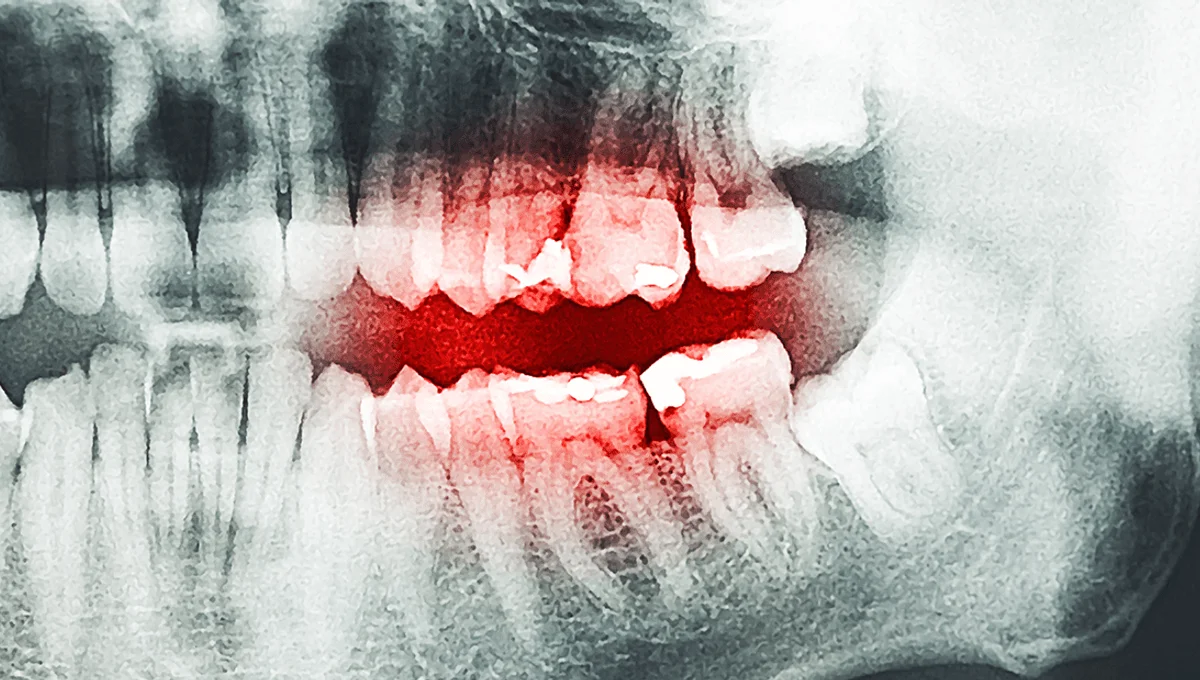
In the 1800s, several patients in the US complained of their teeth exploding in their mouths. Dentists proposed theories, including gas buildup within a decaying tooth and the use of old-fashioned chemicals to make fillings. The latter theory suggests that if two different metals were used in the same mouth, it could turn their mouth into a battery, causing spontaneous electrolysis and a build-up of hydrogen within a tooth. The tooth could then either explode due to pressure or be ignited, say when smoking a cigarette. However, there is no evidence these patients had fillings, and the phenomenon stopped happening around the 1920s.