Tag

Taurid Meteor Shower

All articles tagged with #taurid meteor shower

science2 months ago

November Nights Dazzle with Multiple Meteor Showers: When and How to Watch

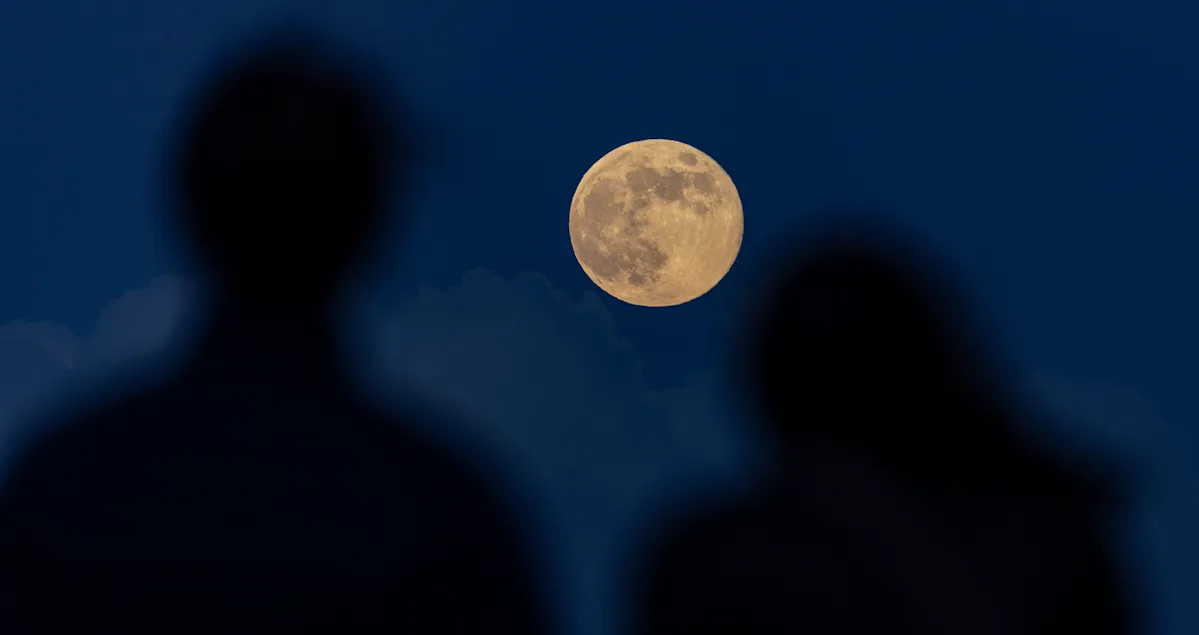
This week features the peak of the Beaver moon, a supermoon, and the Taurid meteor shower, offering prime opportunities for stargazing. The Beaver moon, the second of three supermoons this year, will be at its closest approach to Earth, appearing larger and brighter. The Taurid meteor shower, known for fireballs, peaks early on November 5th, but visibility may be affected by the full moon. Best viewing spots are dark, open areas away from city lights, with the moon visible in the eastern sky.

science1 year ago

Spectacular Taurid Meteor Shower Peaks Tonight with Fireballs

The North Taurid meteor shower is set to peak on Monday night, offering a chance to see bright fireballs in the night sky. Originating from the breakup of a large comet 10,000 years ago, the North Taurids are active from October 20 to December 10. Although 2024 is expected to be a low-activity year with fewer than 5 meteors per hour, the shower will be visible across the U.S. after midnight, especially near the constellation Taurus. Observers are advised to use their unaided eyes for the best viewing experience.

science-and-nature1 year ago

Catch the Taurid Meteor Shower's Spectacular Fireballs This Week

The Taurid meteor shower, known for its bright and colorful meteors, is visible all night and peaks between November 5 and 12, offering a chance to see 8 to 12 meteors per hour under dark skies. Originating from Comet Encke, these slow-moving meteors are distinctive for their varied colors and occasional fireballs. The shower is divided into Northern and Southern components, with the radiant point highest around midnight, making it an excellent opportunity for stargazers.

science1 year ago

Spectacular Taurid Meteor Shower Peaks with Fireballs This Week

The Taurid meteor shower, originating from Comet Encke, is expected to be visible around midnight on Election Day, with the Southern Taurids peaking on November 6-7 and the Northern Taurids on November 11-12. Known for producing bright fireballs, the Taurids are best viewed away from light pollution, with patience being key as they typically produce fewer than five meteors per hour. The Taurids are part of a series of recent astronomical events, including the Orionids and the upcoming Geminids meteor showers.

science1 year ago

Catch the Taurid Meteor Shower's Spectacular Fireballs This Week

The Taurid meteor shower, originating from Comet Encke, is expected to be most visible on the eve of Election Day, with optimal viewing conditions due to a low moon phase. The shower, which has two branches, the Southern and Northern Taurids, is known for producing bright fireballs. The Southern Taurids are currently active and will peak on November 6-7, while the Northern Taurids will peak around November 11-12. Observers are advised to find dark areas away from light pollution for the best viewing experience.

science1 year ago

Catch the Taurid Meteor Shower's Dazzling Fireballs This Week

The Southern Taurids meteor shower, known for its bright fireballs, will peak on Monday night into early Tuesday, offering a spectacular display for sky-gazers. The shower, visible after midnight, is characterized by larger, brighter meteors, though it produces only about five meteors per hour. The Taurids, originating from Comet Encke, are active from September to December, with optimal viewing conditions due to a low moon phase. The Northern Taurids will peak a week later, potentially increasing meteor visibility.

astronomy2 years ago

"Tonight's Northern Taurid Meteor Shower: How to Catch the Spectacular Show"

The Northern Taurid meteor shower, the second part of the Taurid meteor shower, will peak on November 12-13, 2023. Although the shower has a low hourly rate, there is a chance of seeing fireballs or shooting stars. The Taurids originate from the constellation Taurus, with the Northern Taurids radiating slightly further north. The best time to view the shower is when Taurus is high in the sky, with the peak occurring on November 13 at 12:21 am. The shower is caused by the remnants of the asteroid 2004 TG10, and it is unique due to its long-lasting display and two distinct streams.

science-and-astronomy2 years ago

"Northern Taurid Meteor Shower: A Spectacular Display of Extra-Bright Fireballs"

The Northern Taurid meteor shower, an annual minor shower, is set to peak this weekend, offering sky-gazers the chance to witness bright meteors streaking across the night sky. Stemming from the parent comet Encke, the Taurid showers produce low rates of meteors but with larger debris, resulting in brighter meteors known as fireballs. The best time to observe the Northern Taurids will be after midnight, with ideal viewing conditions due to the new moon phase. While the rates are low this year, astronomers predict an increase in activity in 2025.

skywatching2 years ago

"Veterans Day Weekend: Witness the Spectacular Northern Taurids Meteor Shower in Maine"

The Northern Taurid meteor shower is peaking this weekend, offering skywatchers the chance to see brilliant fireballs. The best time to view the Taurids is in the hours after midnight, and this weekend is especially ideal as the moon is approaching its new moon phase. To increase your chances of seeing a meteor, find a dark viewing area away from light pollution and allow your eyes to adjust for at least half an hour. The Taurids are known for their slow speed but higher rate of fireballs. They are caused by debris from the periodic Comet 2P/Encke burning up in Earth's atmosphere.

skywatching2 years ago

"Capture Jupiter's Brilliance: A Guide to Photographing the Gas Giant"

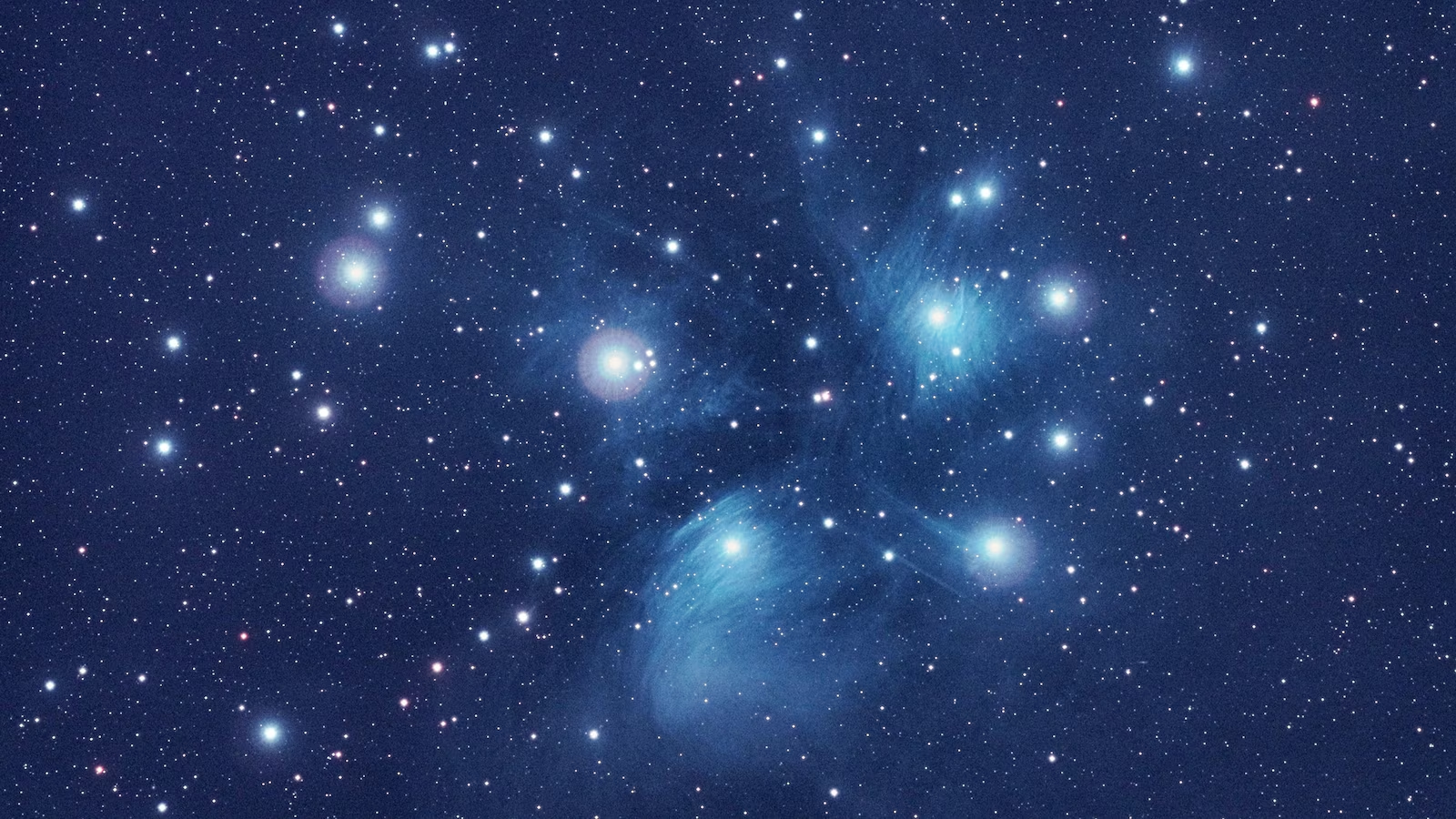
On Friday night, Jupiter will be bright and prominent in the eastern skies, accompanied by the dimmer Uranus and the Pleiades star cluster. Additionally, the Northern and Southern Taurid meteor showers will be visible. Skywatchers can use telescopes or binoculars to observe Jupiter's Galilean moons and the Pleiades, while also keeping an eye out for Taurid meteors. The Taurid meteor showers occur as Earth passes through debris left behind by comet 2P/Encke.

astronomy2 years ago

"Stunning Meteor Show Lights Up St. Vincent's Skies: Don't Miss the Taurid Meteor Shower Tonight!"

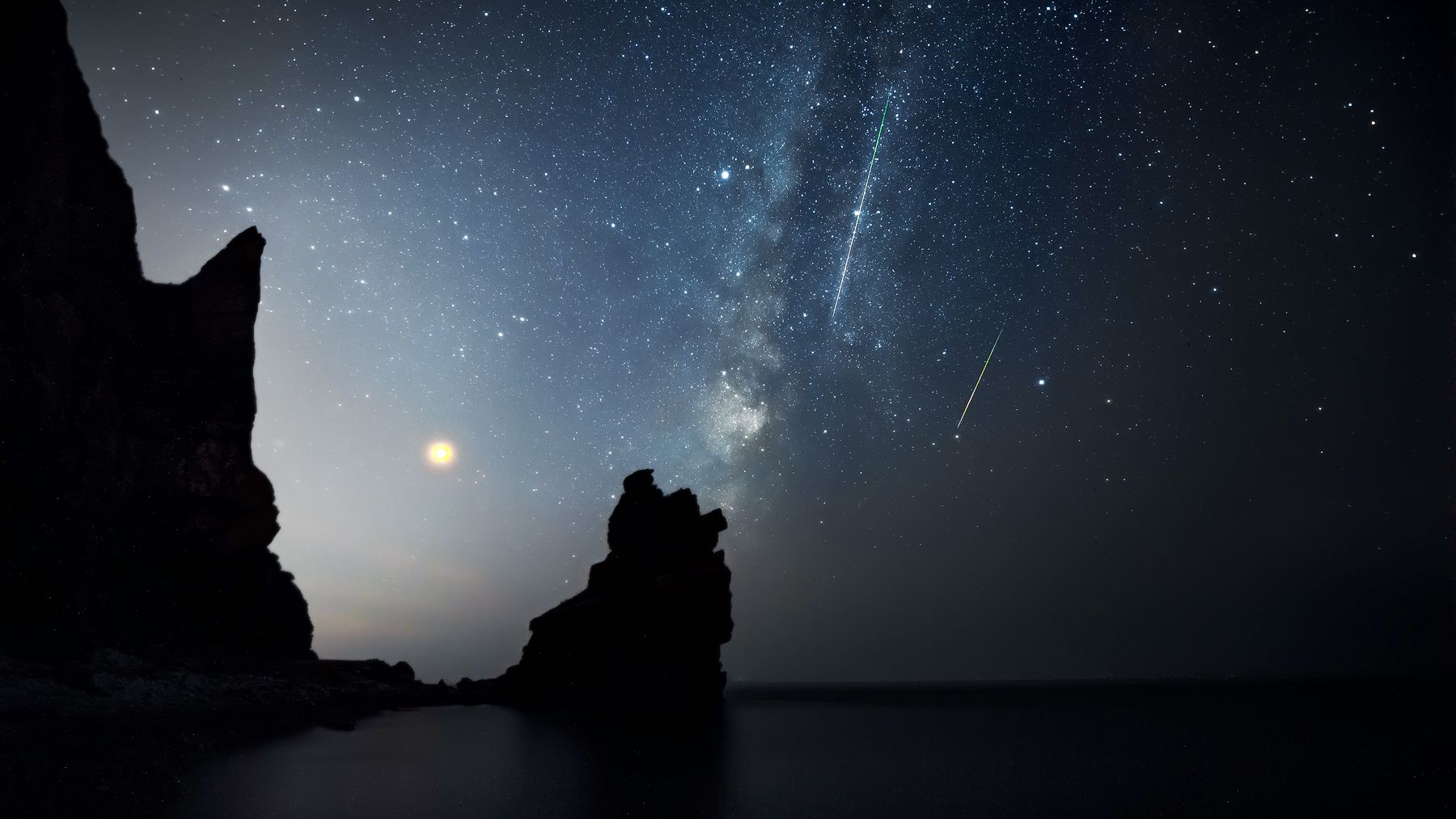
A luminous meteor disintegrated over the skies of St. Vincent, producing a vivid orange path and green luminescence. The sighting coincides with the commencement of the Taurid meteor shower, known for its production of enduring meteors called "fireballs." The shower is divided into the Southern and Northern Taurids, with the former starting on September 10 and lasting until November 20, 2023.

astronomy2 years ago

"Stargazers Alert: Witness the Spectacular Taurid Meteor Shower's Fiery Orange Fireballs Tonight!"

The Taurid meteor shower, one of the longest meteor showers of 2023, begins tonight. Although not the most active, it produces bright, long-lasting meteors known as fireballs. The shower consists of two streams: the Southern Taurids and the Northern Taurids. The Southern Taurids start this weekend and peak in mid-October, while the Northern Taurids peak in November. Both streams radiate from the constellation Taurus the Bull. The best time to see the meteors is after midnight when Taurus is high in the sky. The Southern Taurids have the potential for fireballs, making them worth watching. The Taurid meteor shower is caused by debris from Comet Encke, a short-period comet with a nucleus of about 4.8km in diameter.