Tag

Fireballs

All articles tagged with #fireballs

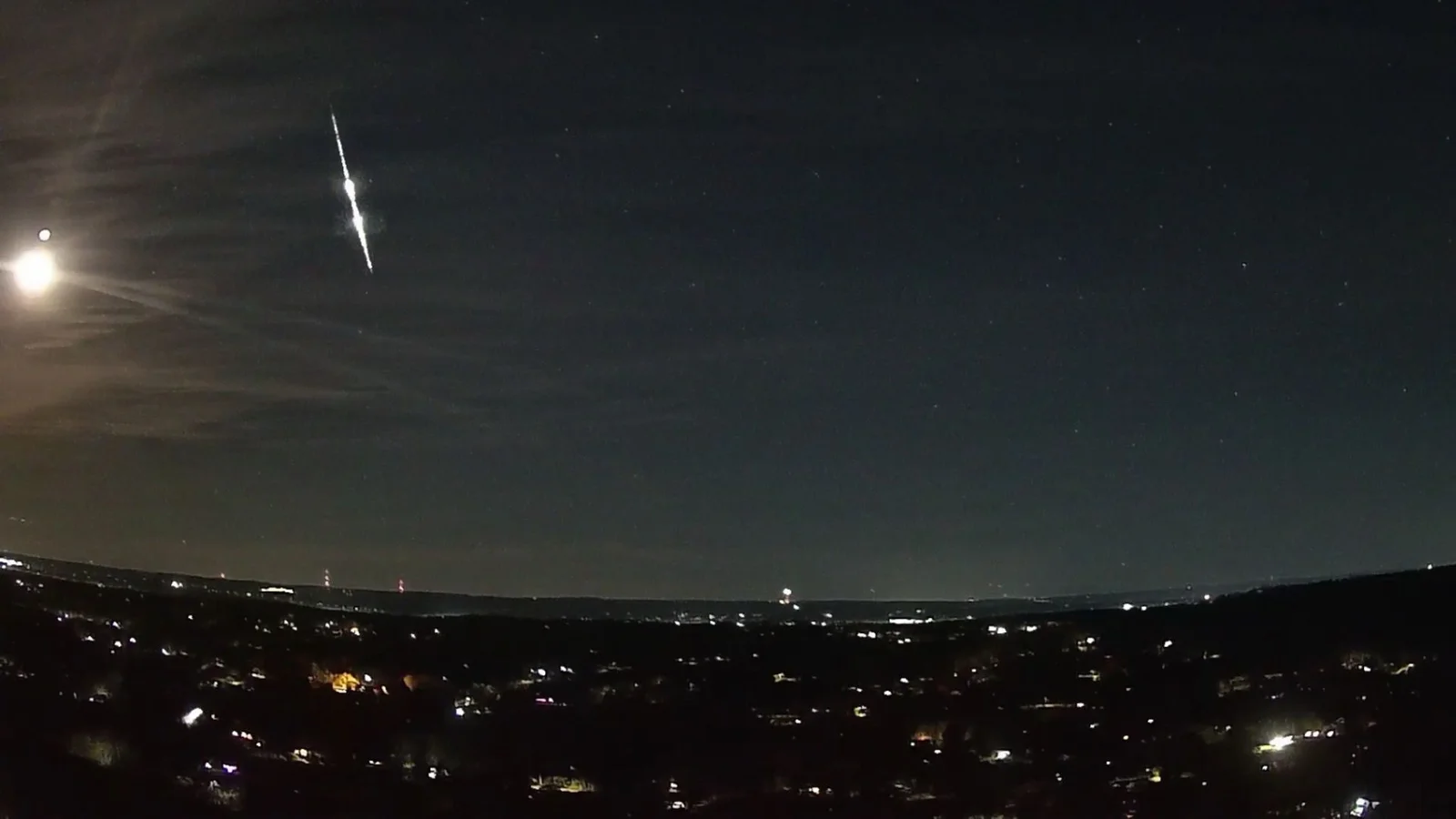
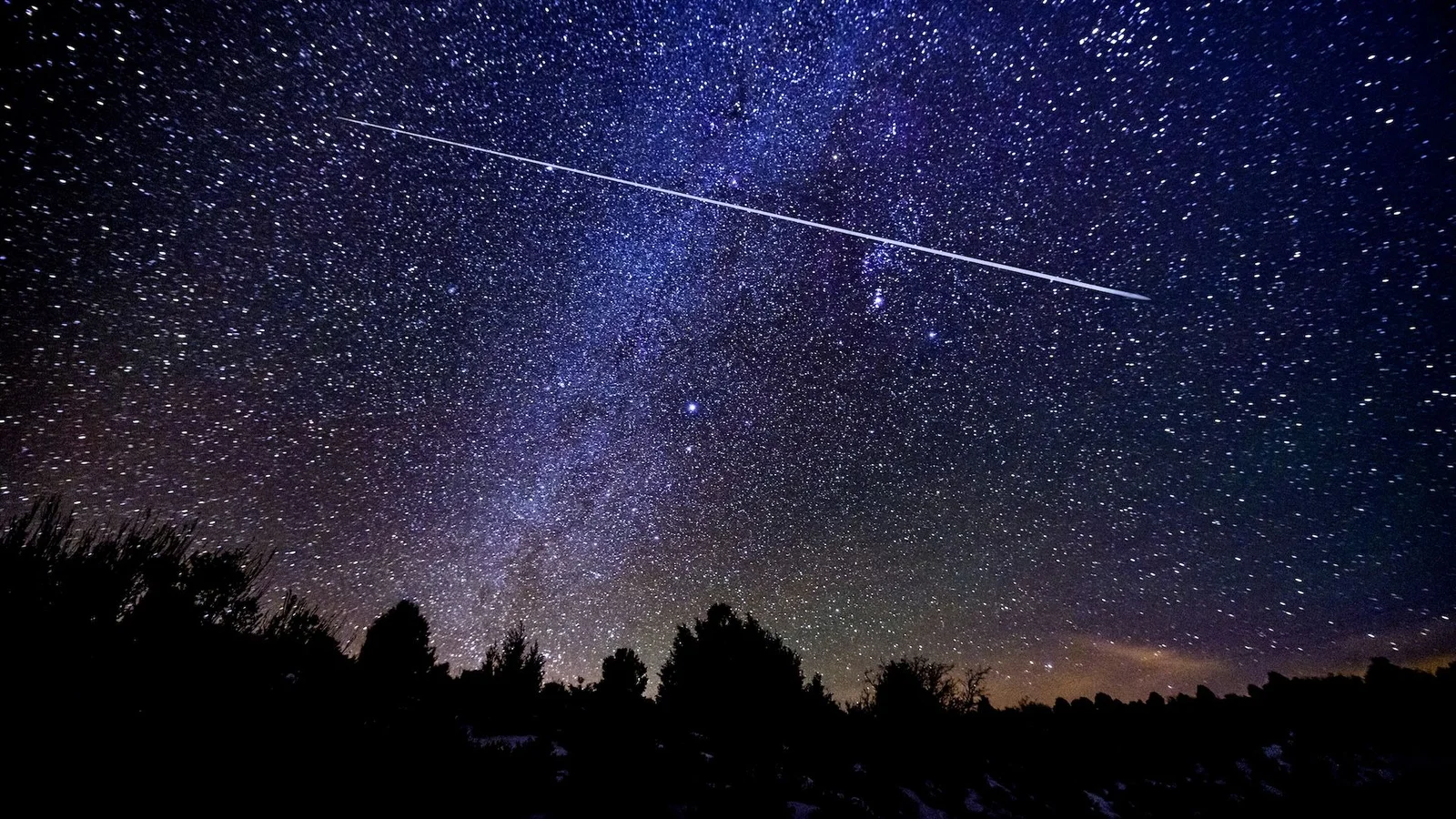
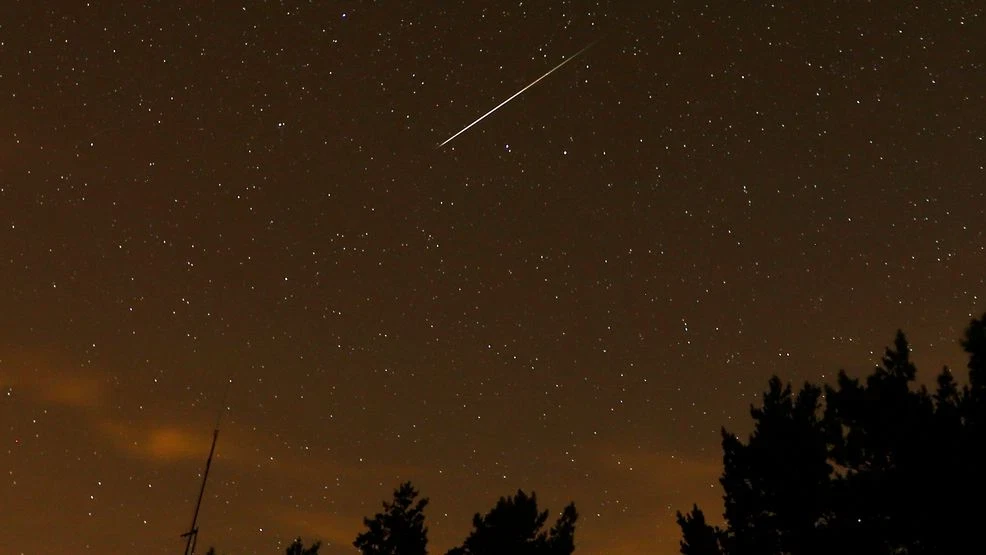
Upcoming Fireball Meteor Showers Start Monday

Originally Published 3 months ago — by Forbes

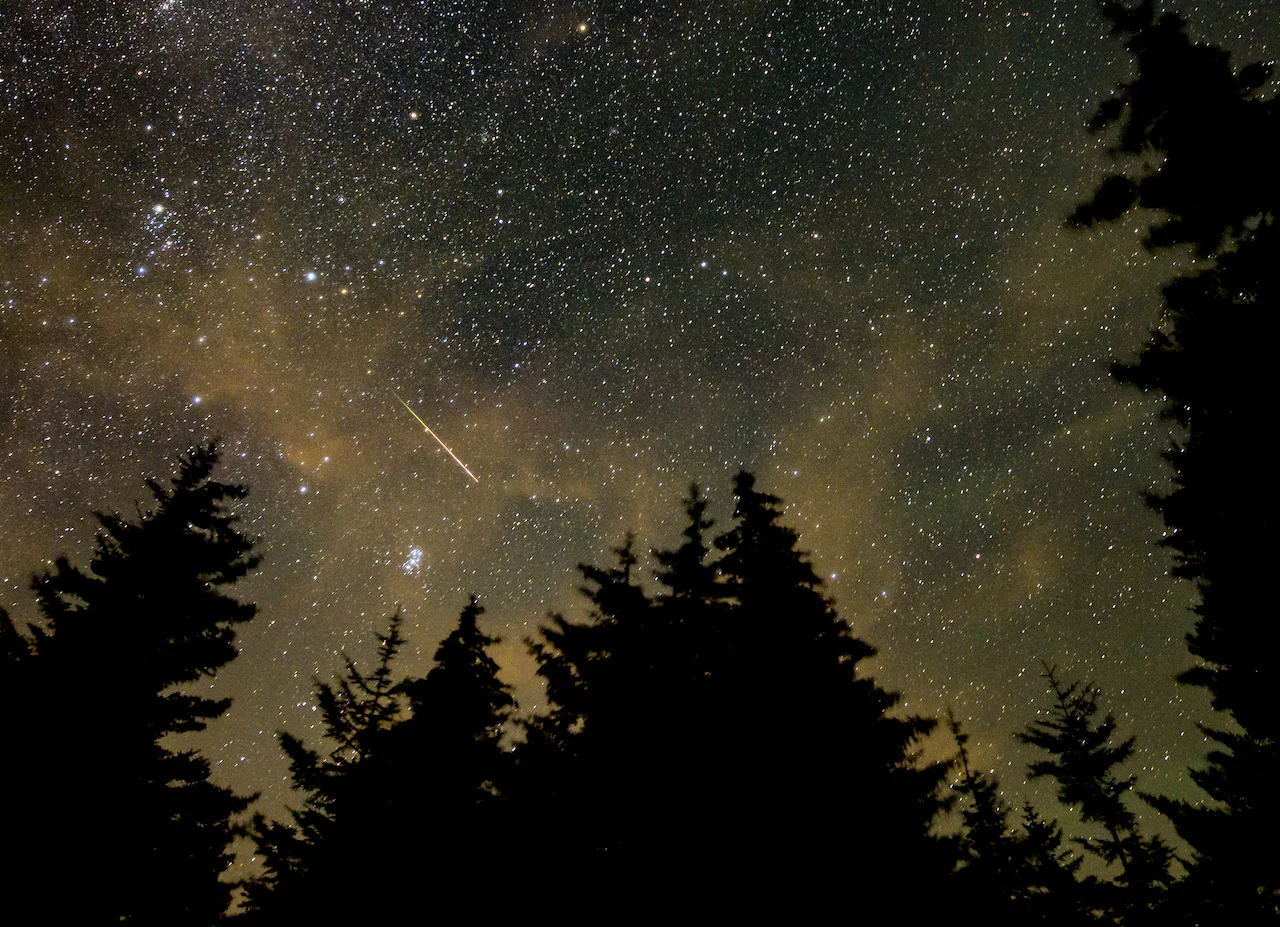
Featured image for Upcoming Fireball Meteor Showers Start Monday
Source: Forbes

The Southern and Northern Taurid meteor showers, known for bright fireballs, begin around October 11, 2025, with peak activity in mid-November, offering the best viewing from midnight to dawn when Taurus is high overhead. These showers are caused by debris from Comet Encke, which has the shortest orbital period of any known comet, completing its orbit every 3.25 years.

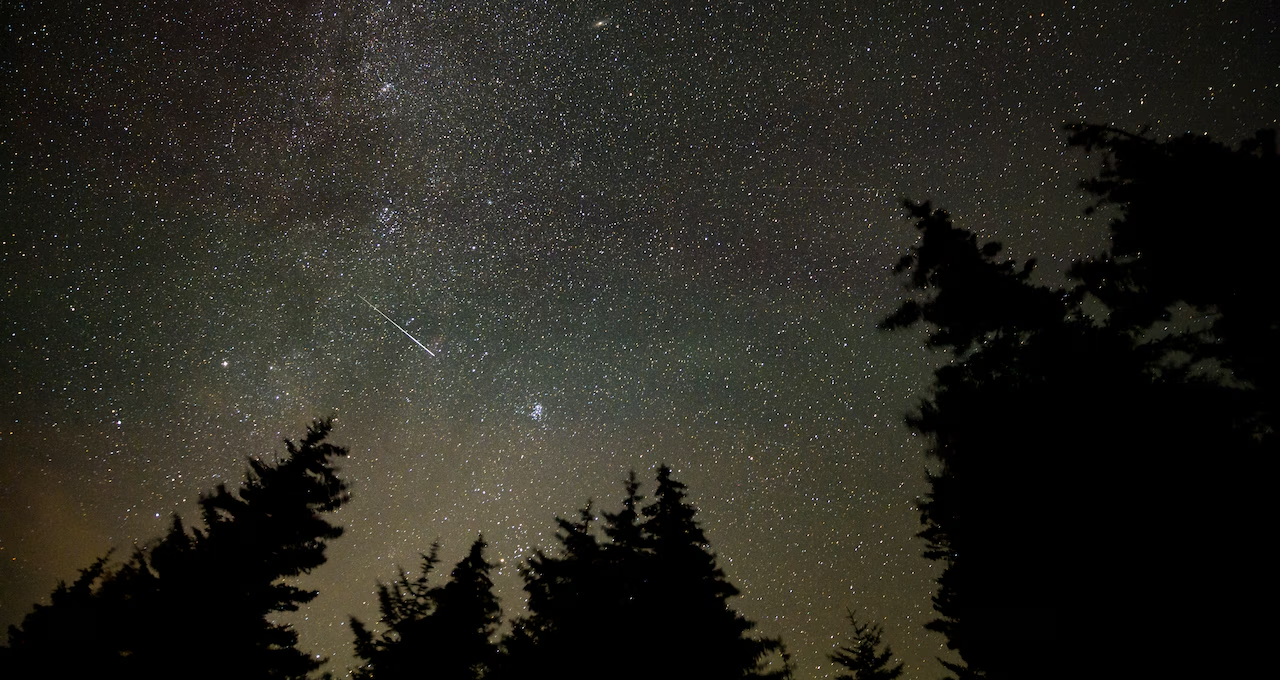
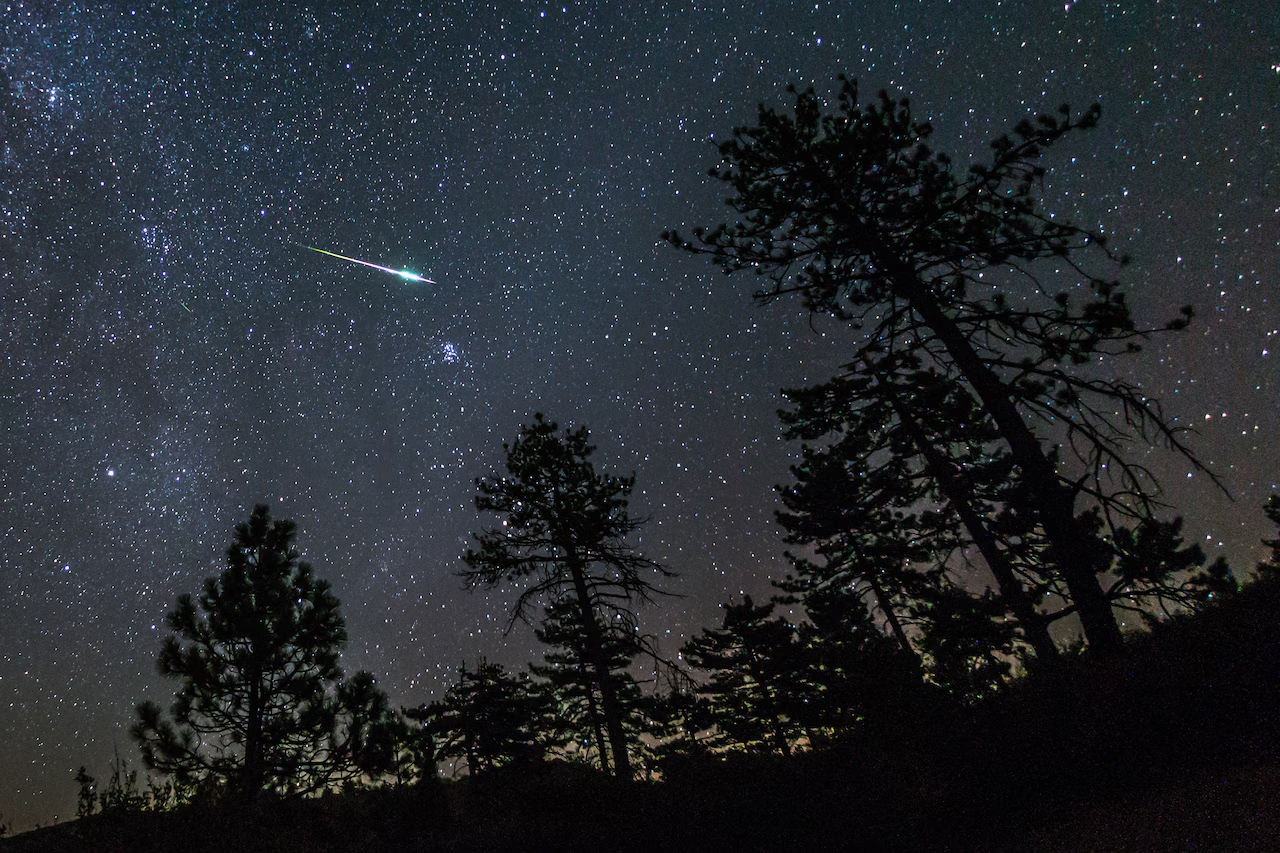
Upcoming Draconid Meteor Shower and Supermoon: Viewing Tips and Dates

Originally Published 3 months ago — by Live Science

Featured image for Upcoming Draconid Meteor Shower and Supermoon: Viewing Tips and Dates
Source: Live Science

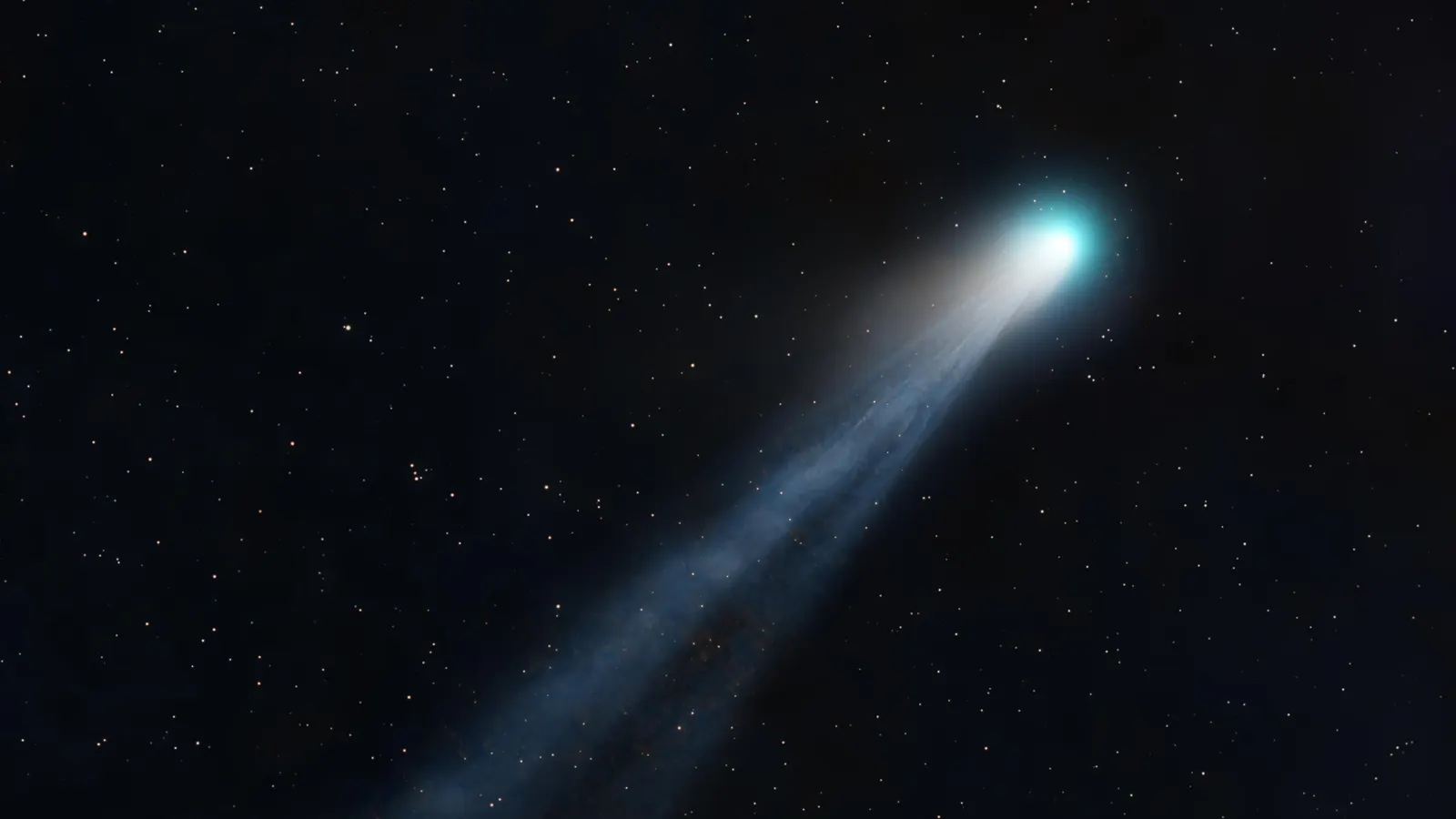
The Draconid meteor shower peaks on October 8, offering a chance to see bright 'fireballs' and meteors originating from the constellation Draco, with optimal viewing soon after dark, especially in the Northern Hemisphere, amid a bright moon and potential northern lights. Additionally, two comets, Lemmon and SWAN R2, are visible with binoculars or telescopes.

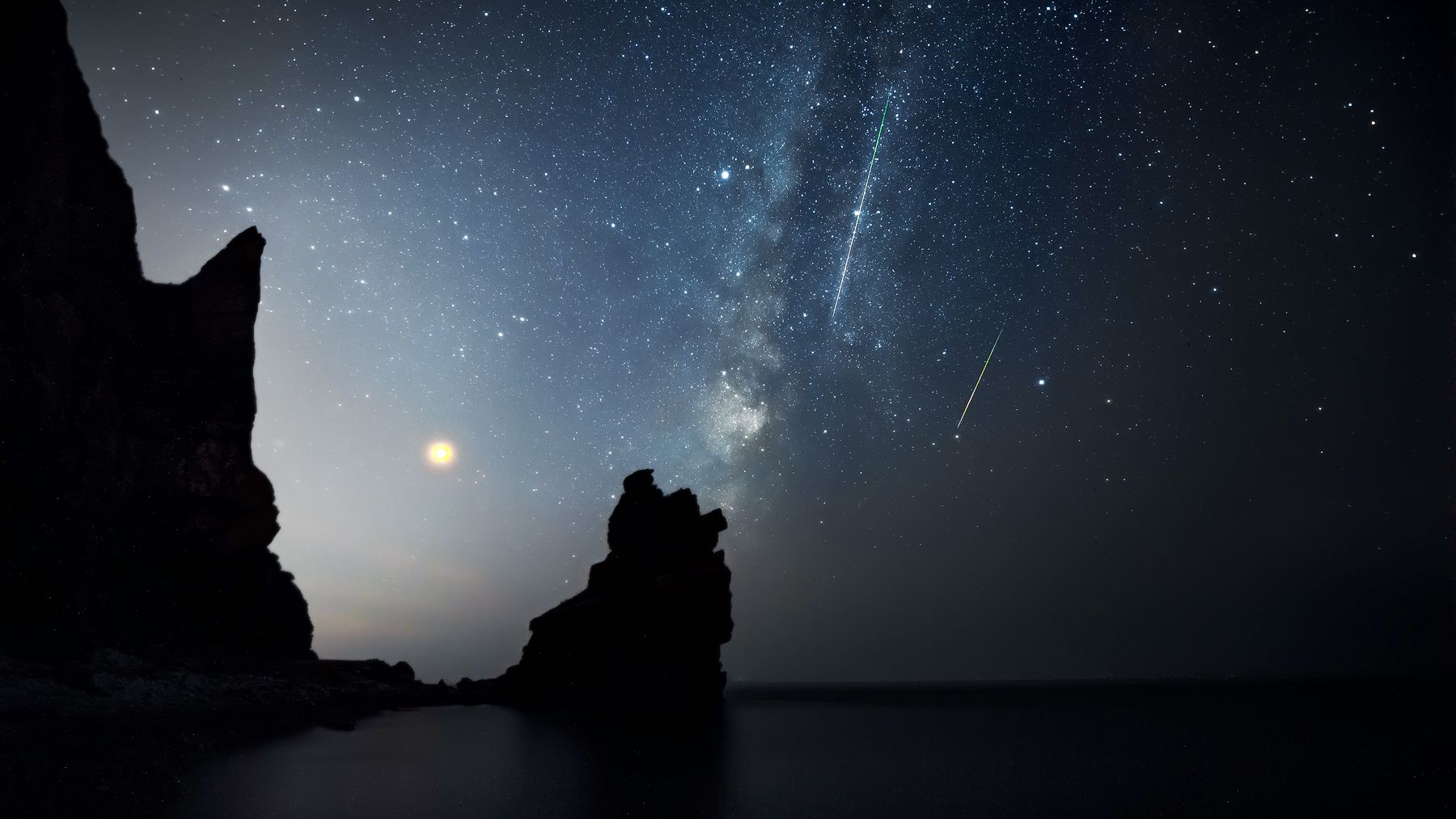
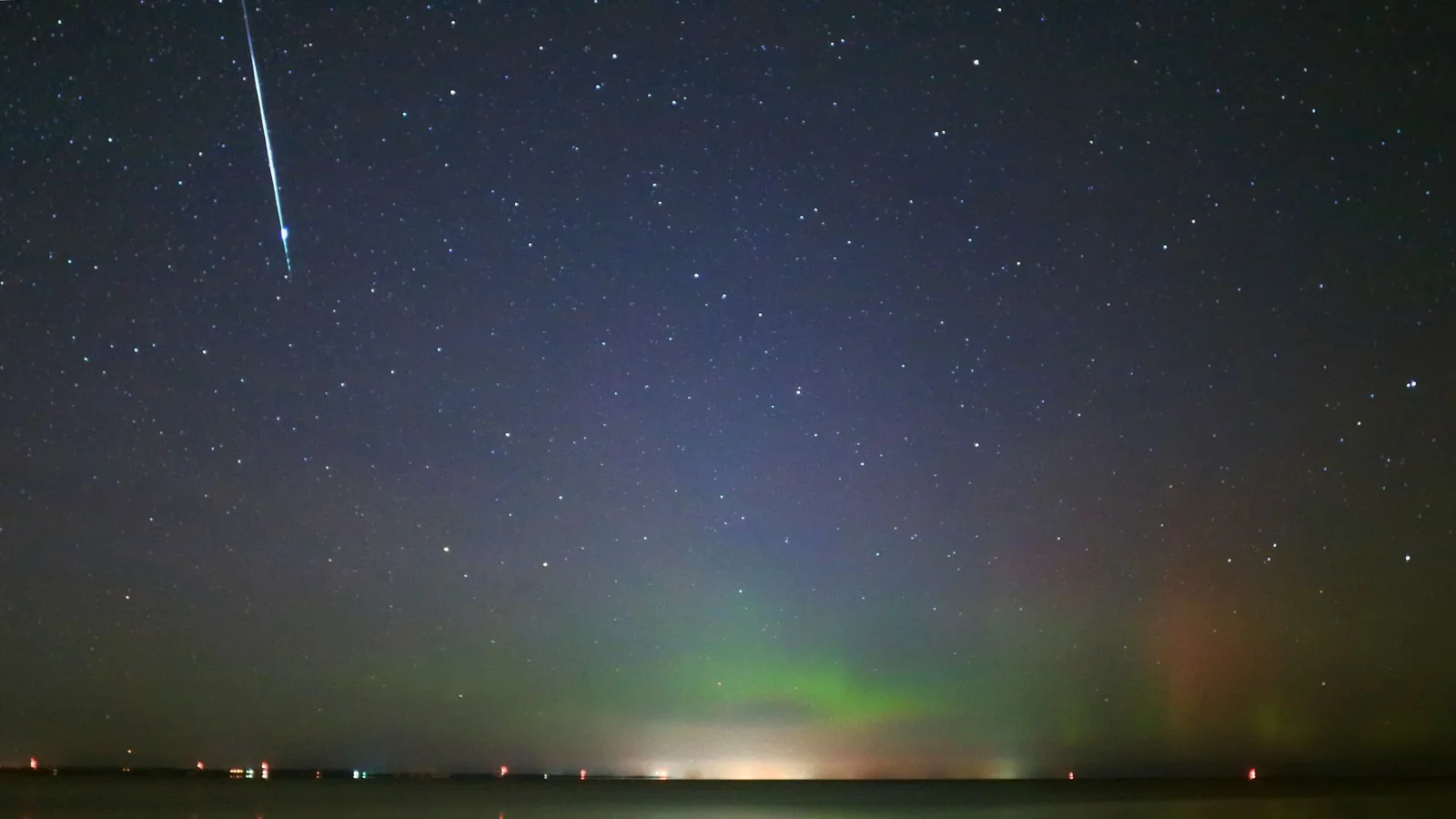
October Skywatch: Comets and Meteor Showers Light Up the Night

Originally Published 3 months ago — by Forbes

Featured image for October Skywatch: Comets and Meteor Showers Light Up the Night
Source: Forbes

October 2025 promises a spectacular night sky with Comet Lemmon, Orionid and Taurid meteor showers, and a swarm of fireballs, offering skywatchers a rare chance to see bright comets, shooting stars, and fireballs, especially around October 21 when Comet Lemmon reaches its closest approach to Earth.

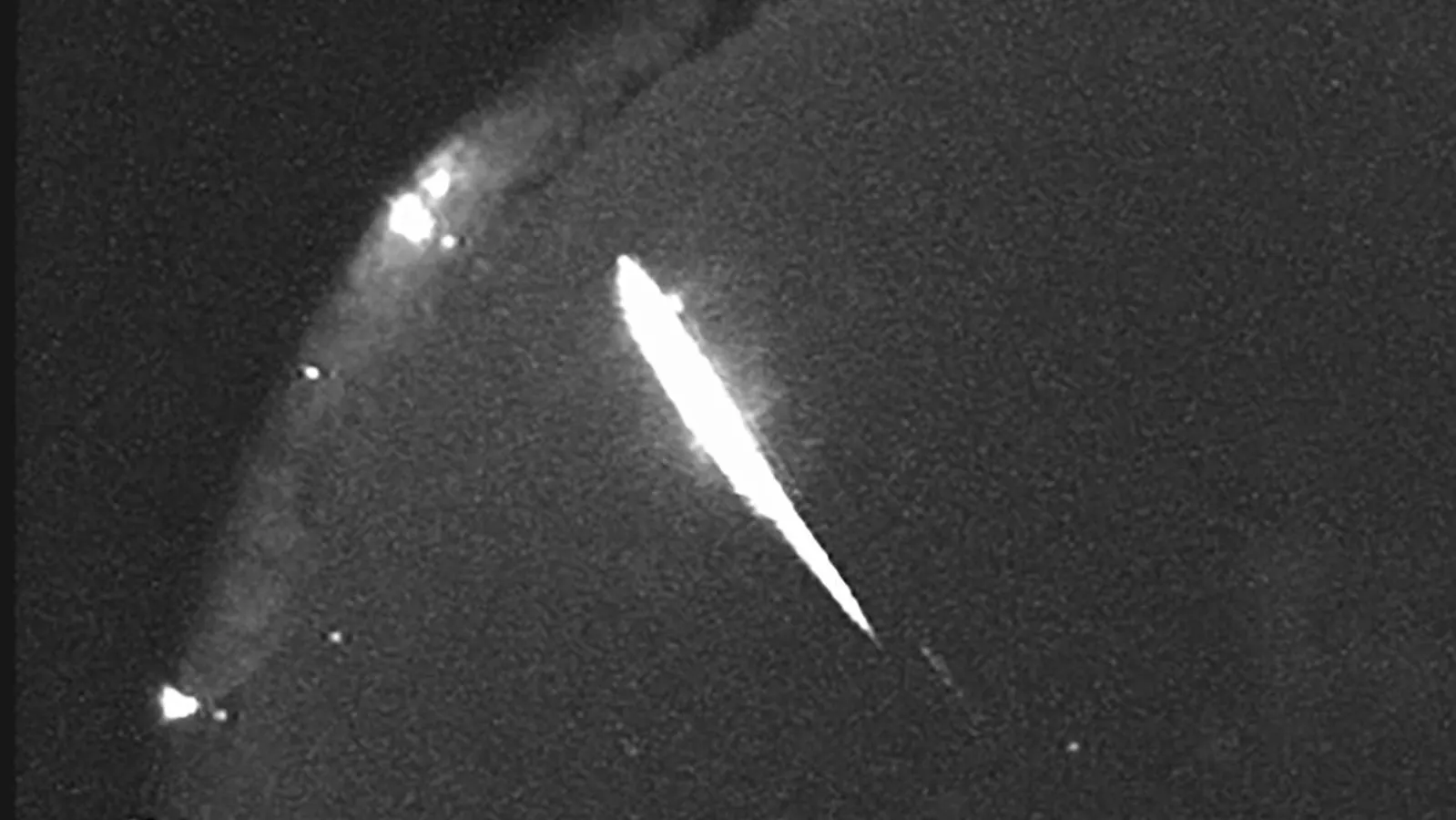
August Night Sky: Fireballs, Moon Phases, and Planetary Showcases

Originally Published 5 months ago — by CNET

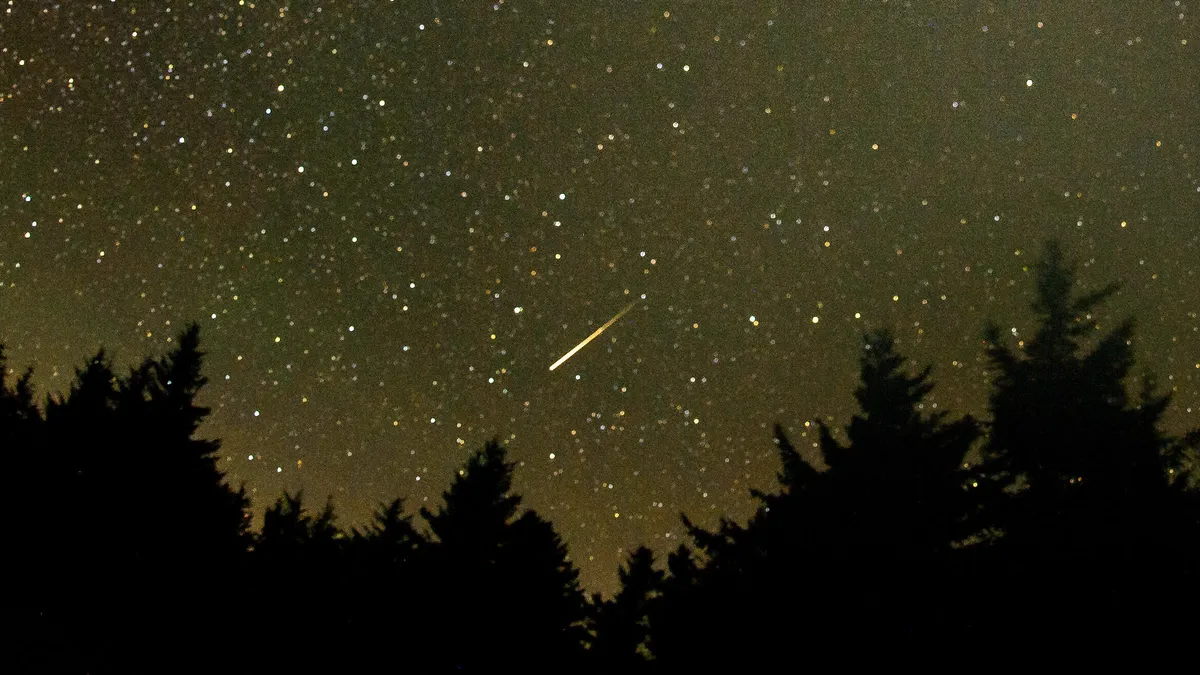
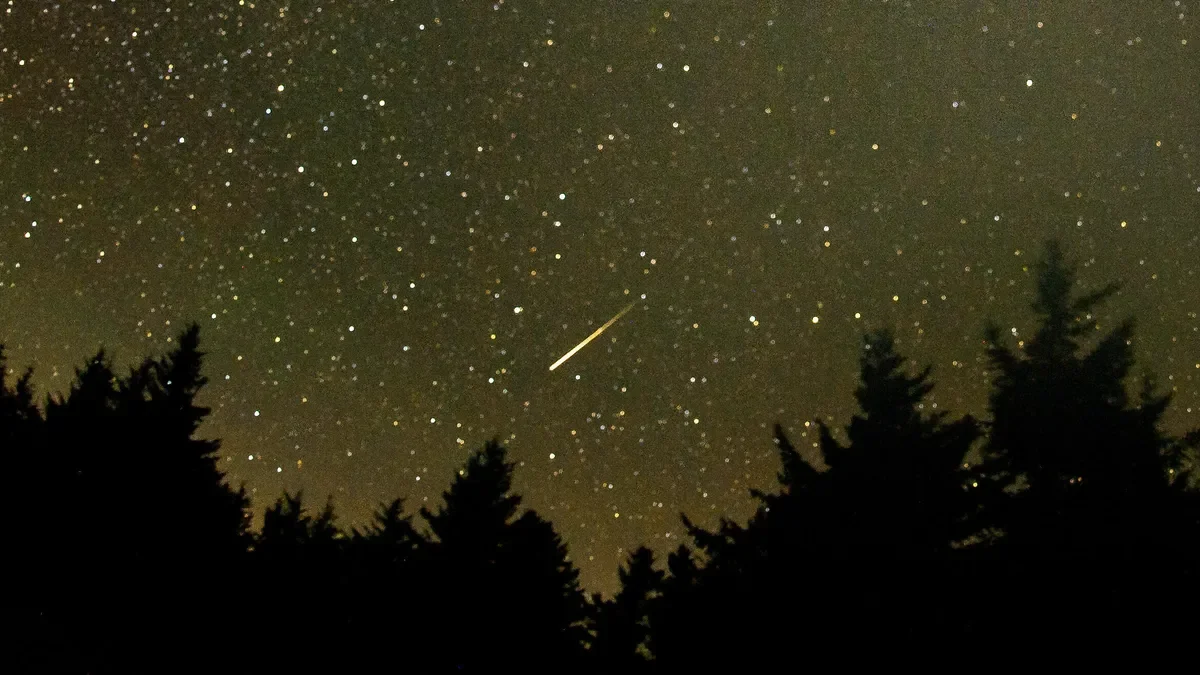
Featured image for August Night Sky: Fireballs, Moon Phases, and Planetary Showcases
Source: CNET

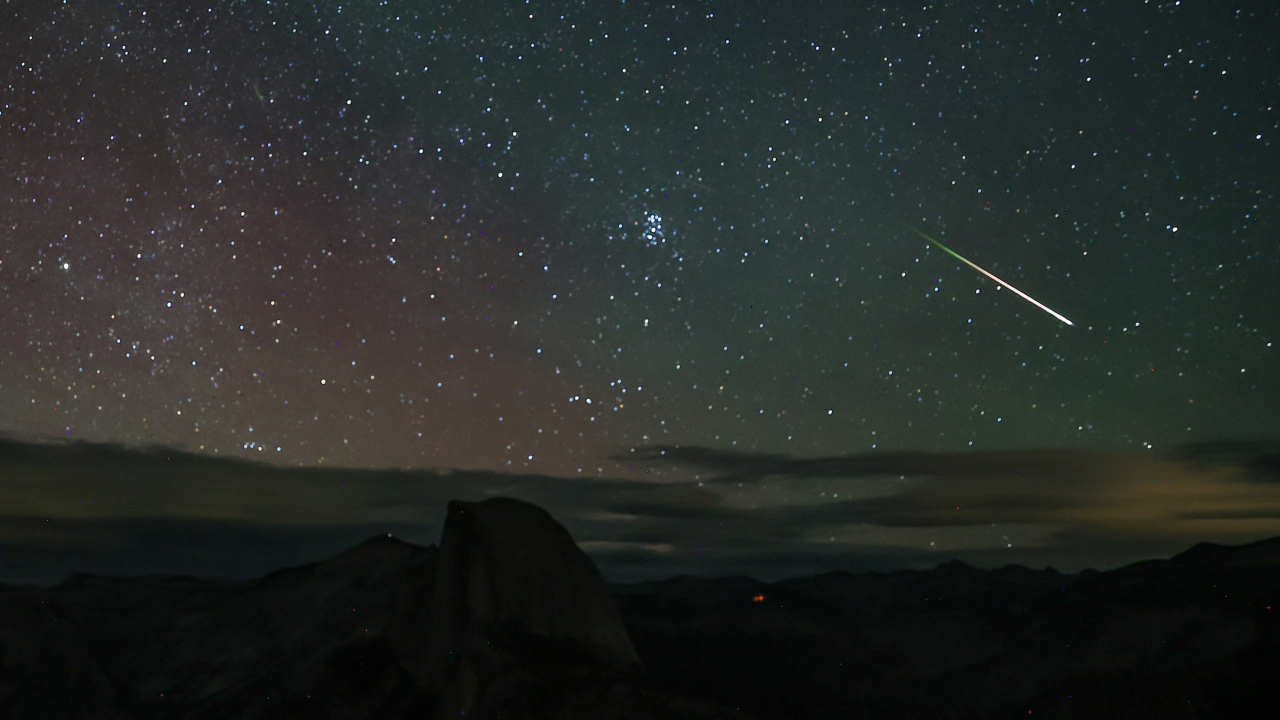
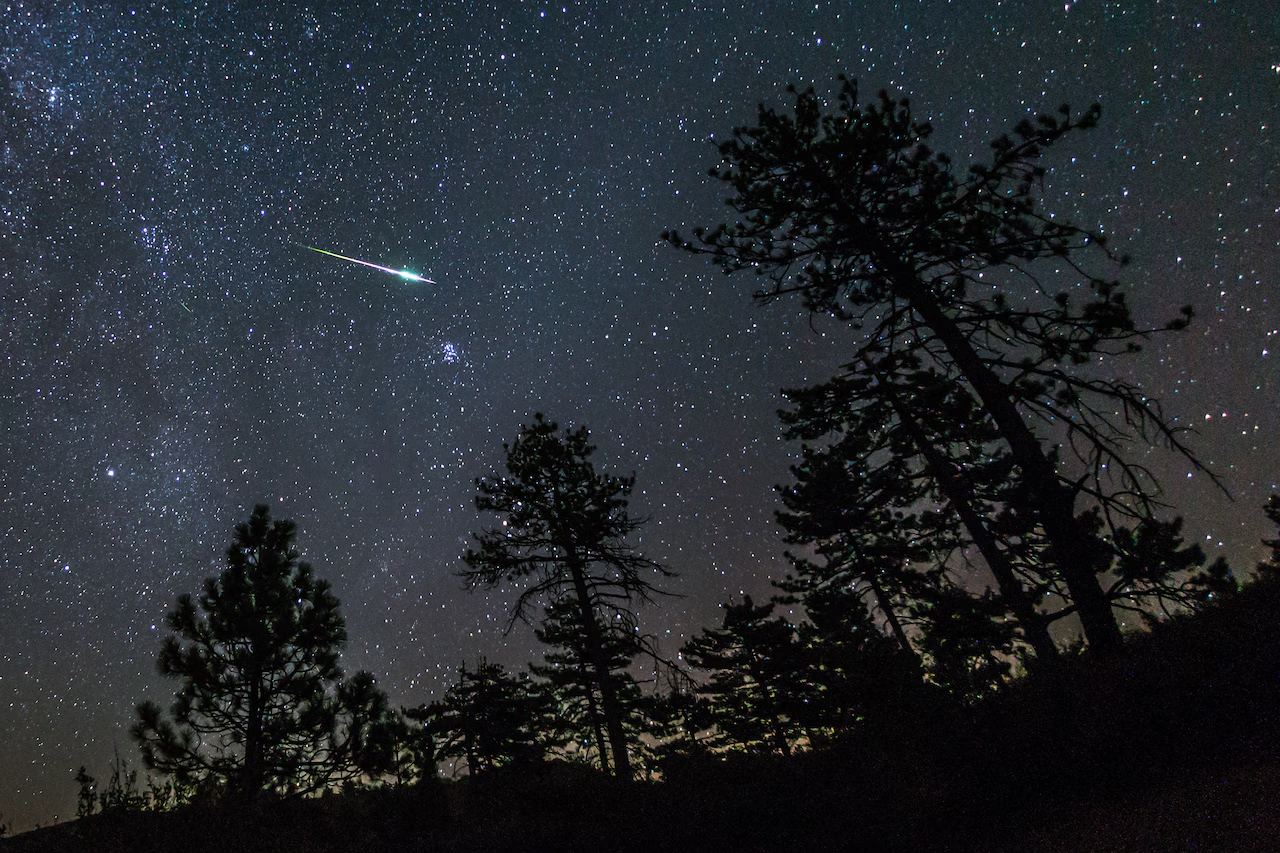
The Perseids meteor shower, active from July 17 to August 23 and peaking on August 12-13, offers a spectacular display of bright meteors and fireballs, especially for those away from city lights. Originating from the Swift-Tuttle comet, the shower can produce up to 100 meteors per hour at its peak, though moonlight may reduce visibility. Best viewed by looking east towards Perseus, the event is a highlight of the summer sky-watching calendar.

Perseid Meteor Shower: Peak Time and Potential Disruptions

Originally Published 5 months ago — by Los Angeles Times

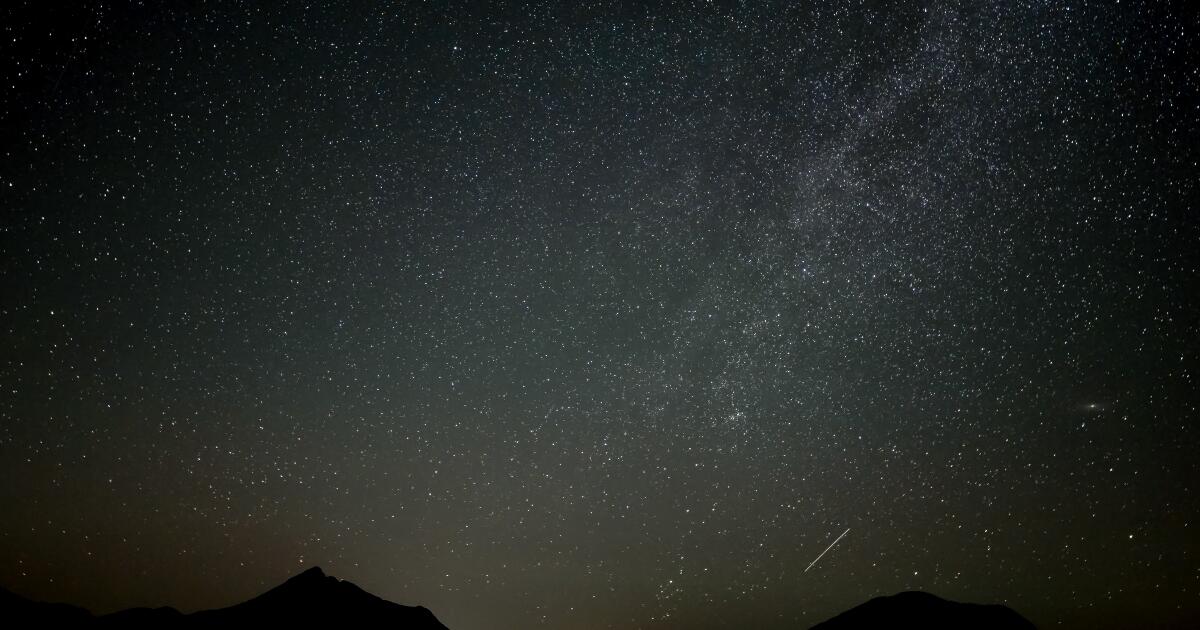
Featured image for Perseid Meteor Shower: Peak Time and Potential Disruptions
Source: Los Angeles Times

The Perseid meteor shower in 2025 will peak on August 11-12, but the bright, 92% full moon will significantly reduce visibility, especially for fainter meteors. Despite this, enthusiasts are advised to find dark, open areas away from city lights for the best chance to see the fireballs and brighter meteors, with good viewing prospects expected in 2026.