Tag

Astronomical Events

All articles tagged with #astronomical events

astronomy19 days ago

Six Celestial Events to Watch for Over a Lifetime

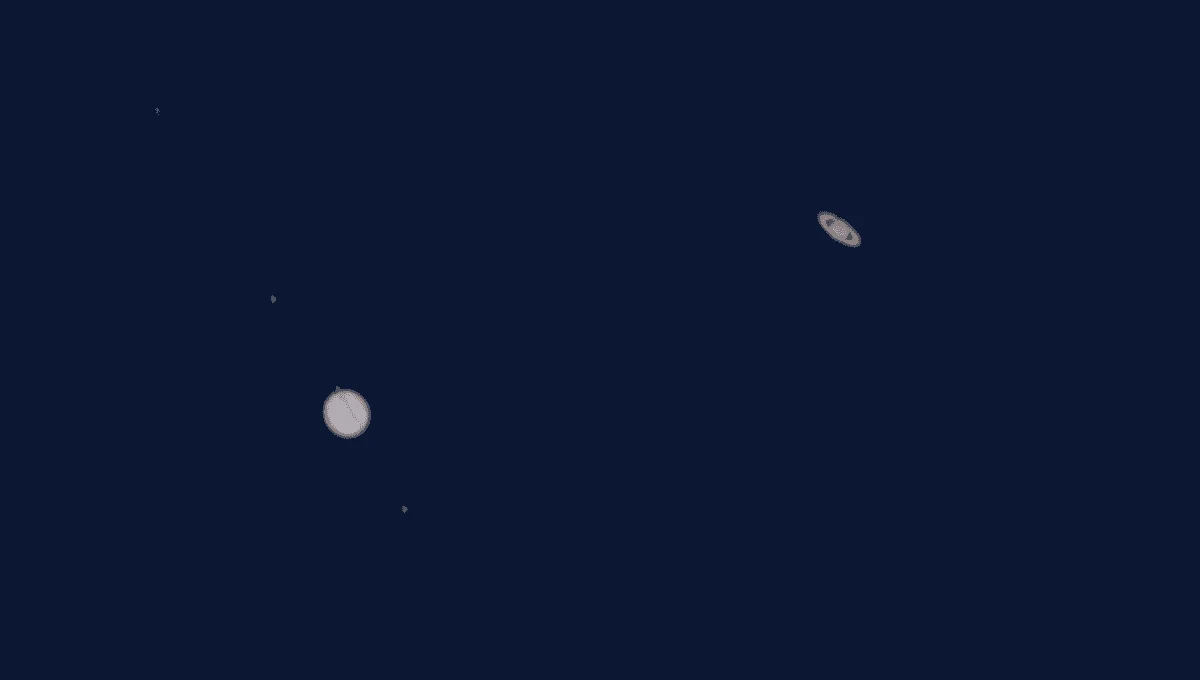
This article highlights major astronomical events to look forward to this century, including the close approach of asteroid Apophis in 2029, the return of Halley's Comet in 2061, potential explosive activity of V Sagittae, and several notable Great Conjunctions of Jupiter and Saturn, with the most significant occurring in 2080, offering exciting opportunities for both amateur and professional astronomers.

astronomy1 year ago

"Rare Fireball Illuminates Northeastern Morning Sky"

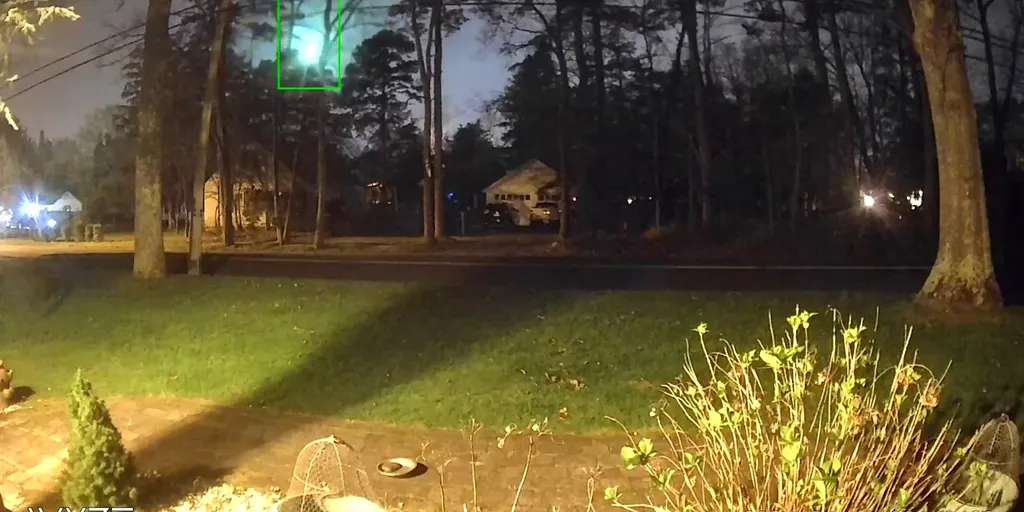
Dozens of people reported seeing a bright fireball in the sky early Wednesday morning in several Northeastern states, with about 37 witness reports received by the American Meteor Society. Footage and doorbell camera videos captured the phenomenon in New Jersey, and the sightings come ahead of the upcoming Lyrid meteor shower, which may be impacted by the brightness created by the Moon.

astronomyweather1 year ago

"Chasing the Eclipse: Overcoming Weather Challenges Across the US"

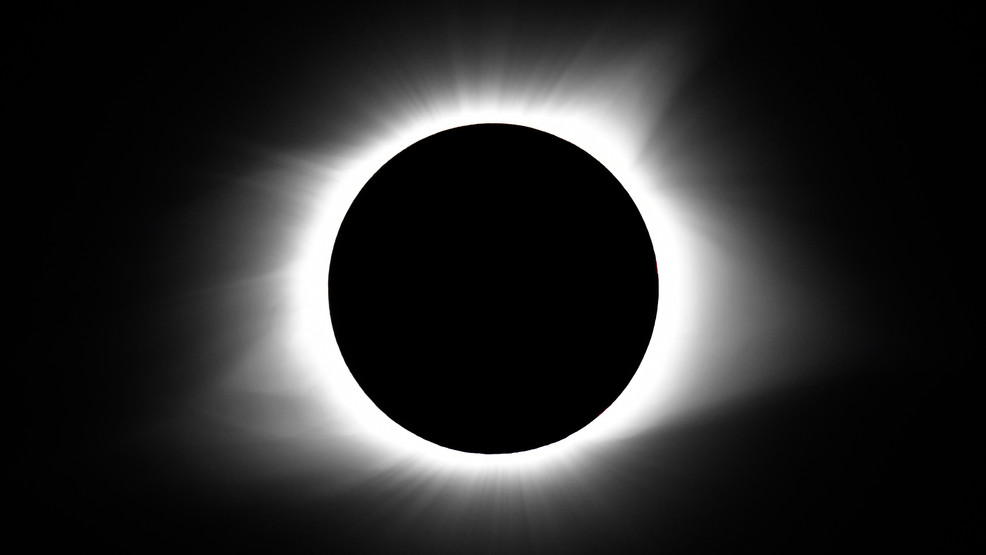
Western Washington is preparing for the upcoming solar eclipse on Monday, despite potential weather challenges. There is a 20% blockage of the sun expected, but overcast conditions may hinder visibility. Residents are eager to witness the event, recalling the memorable 2017 eclipse experience. Safety precautions are emphasized, with experts advising against looking directly at the sun without proper eye protection. The next total solar eclipse in the continental United States is not expected until 2044.

astronomyevents1 year ago

"Best Viewing Spots for NYC Solar Eclipse"

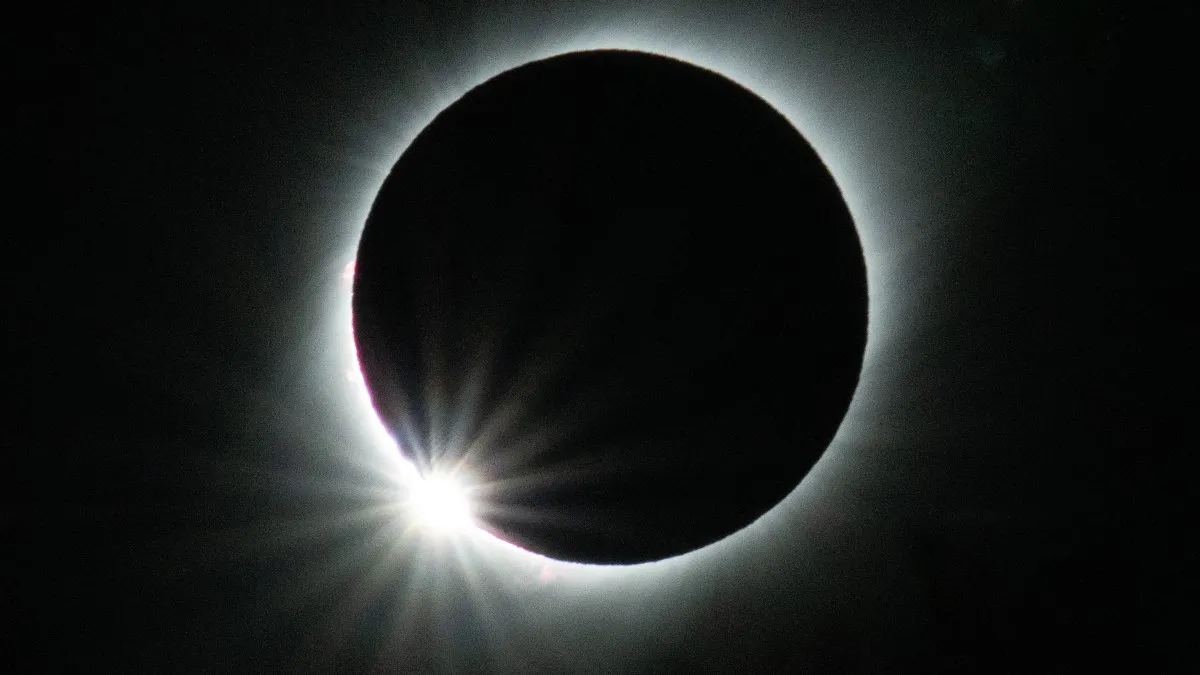
On April 8, a solar eclipse will be visible in New York and surrounding areas, and there are various free and ticketed events to watch the spectacle, including viewing parties at the American Museum of Natural History and Intrepid Museum in Manhattan, Brooklyn Botanic Garden and Green Wood Cemetery in Brooklyn, and New York Hall of Science in Queens. Additional events are also planned in Rochester, Syracuse, and Yonkers, offering activities such as ballet performances, NASA astronaut talks, and interactive activities.

astronomy1 year ago

"Preparing for the 2024 Solar Eclipse: Safety, History, and Weather"

As New Yorkers anticipate the upcoming solar eclipse on April 8, 2024, they reflect on the total solar eclipse that occurred in January 1925, which was a significant event drawing attention from scientists, photographers, and the public. The path of totality was initially uncertain but was eventually established between West 96th and 97th Streets. The event prompted extensive preparations, including aerial photography, radio broadcasts, and safety measures for the city. Spectators used smoked glass to view the eclipse, and the impact on the electrical grid was studied. The eclipse was a moment of scientific marvel and communal reflection, with various viewpoints and reactions captured in historical records and exhibits.

science-and-technology1 year ago

"Enigmatic Blue Spiral Mystifies Skywatchers Amid Northern Lights"

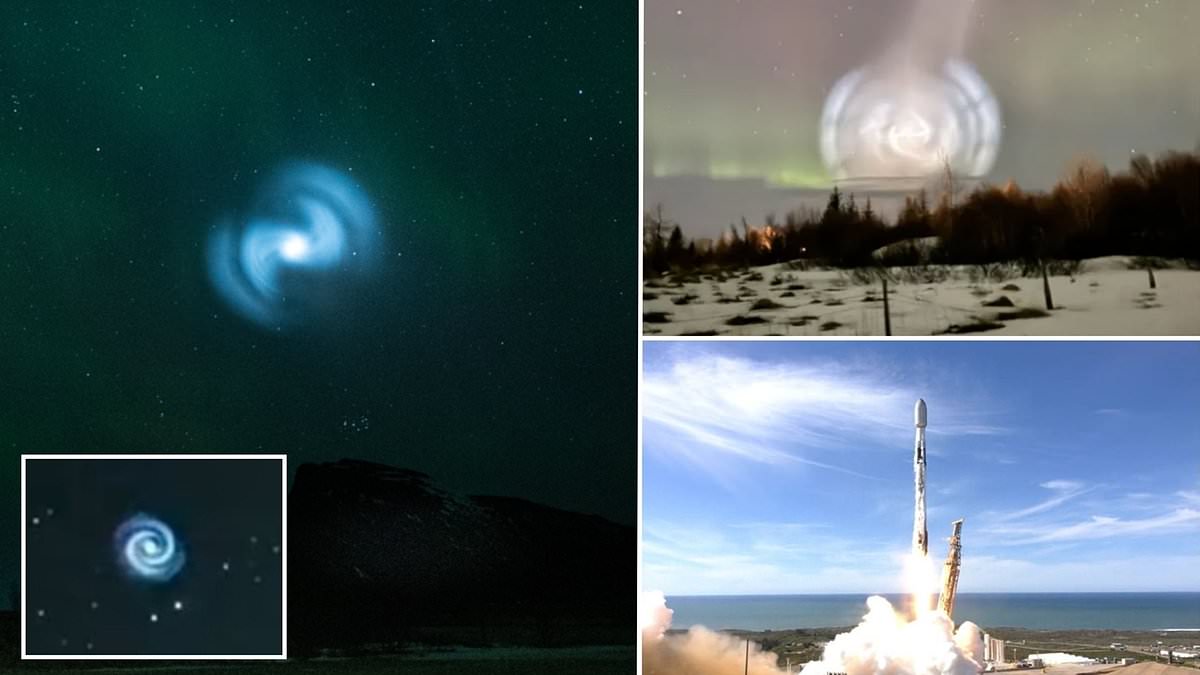
A mysterious blue spiral that appeared in the Northern Lights was actually caused by SpaceX's rocket venting unneeded fuel during its descent into the ocean, freezing and crystallizing in the shape of a spiral illuminated by the sun. This phenomenon has been captured by photographers in Iceland and Norway, and is a routine by-product of SpaceX operations. The next predicted occurrence of this spiral is expected during SpaceX's Transporter-12 mission in October, potentially coinciding with auroras and meteor showers.

astronomy2 years ago

"Get Ready for the Spectacular Leonid Meteor Shower this Weekend"

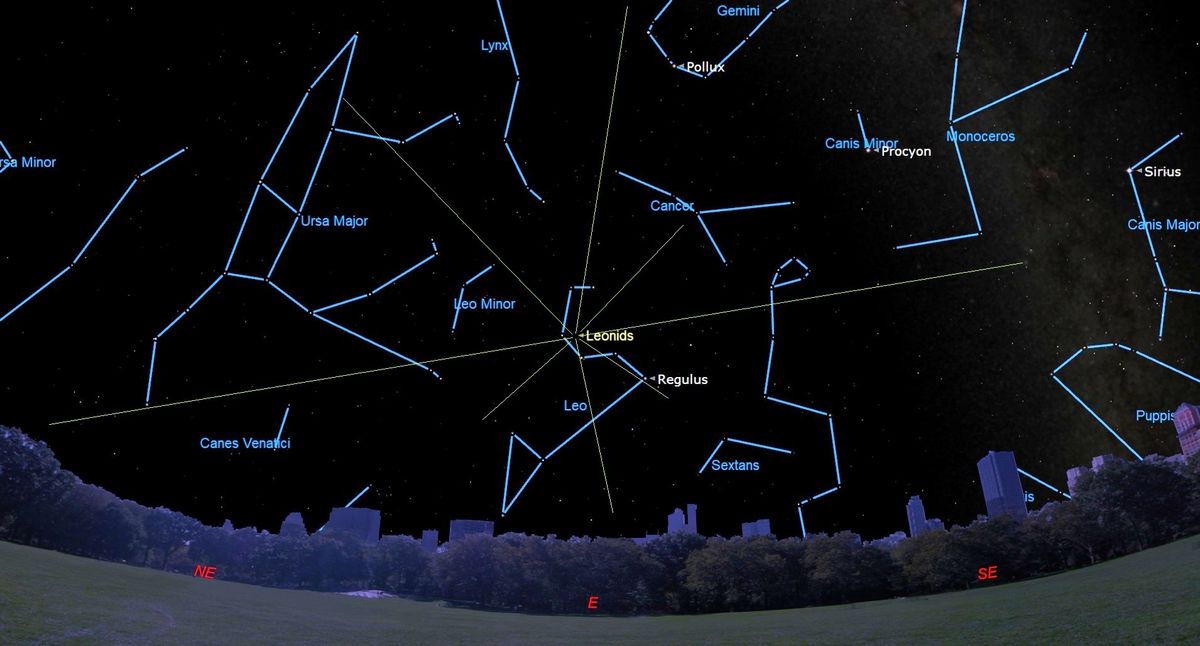
The Leonid meteor shower, known for its spectacular displays in the past, is expected to reach its peak on Saturday morning. However, this year's shower is predicted to be weak, with only 10 to 15 meteors per hour. To maximize your chances of seeing the meteors, find a dark, non-light polluted area and look towards the Leo constellation after midnight. The Leonids are caused by the periodic Comet Tempel-Tuttle, which leaves a trail of debris in its wake. While this year's shower may be underwhelming, future years are expected to bring more impressive displays.

astronomy2 years ago

"Tonight's Northern Taurid Meteor Shower: How to Catch the Spectacular Show"

The Northern Taurid meteor shower, the second part of the Taurid meteor shower, will peak on November 12-13, 2023. Although the shower has a low hourly rate, there is a chance of seeing fireballs or shooting stars. The Taurids originate from the constellation Taurus, with the Northern Taurids radiating slightly further north. The best time to view the shower is when Taurus is high in the sky, with the peak occurring on November 13 at 12:21 am. The shower is caused by the remnants of the asteroid 2004 TG10, and it is unique due to its long-lasting display and two distinct streams.

astronomy2 years ago

"Spot Comet Lemmon in the Sky This Week: November 10-17"

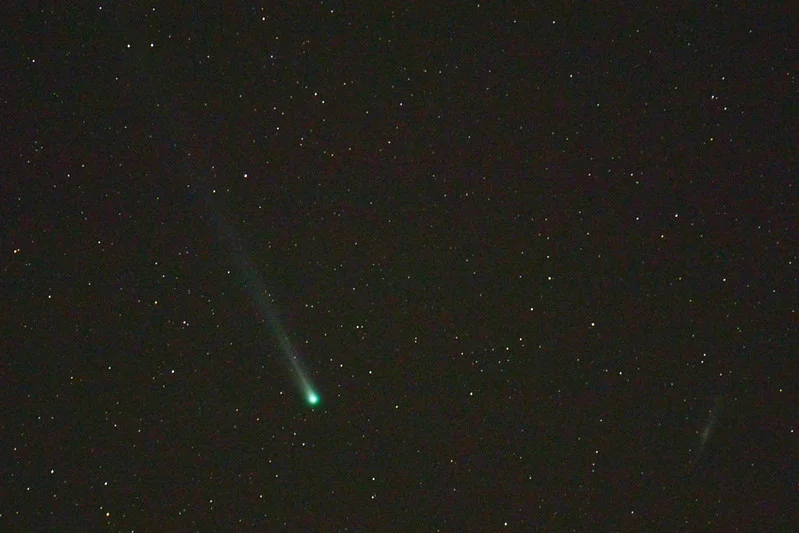
This week, skywatchers have the opportunity to observe Comet Lemmon, which will be at its brightest and visible with binoculars in the evening sky. Other celestial events include the Blinking Planetary Nebula in Cygnus, an occultation of Jupiter's moon Io, the opposition of Uranus, the close pass of the Moon and Antares, the pairing of Comet Tsuchinshan with the Beehive Cluster, Mercury passing Antares, and the peak of the annual Leonid meteor shower.

astronomy2 years ago

Celestial Spectacle: Venus and Moon Align in Rare Sky Dance

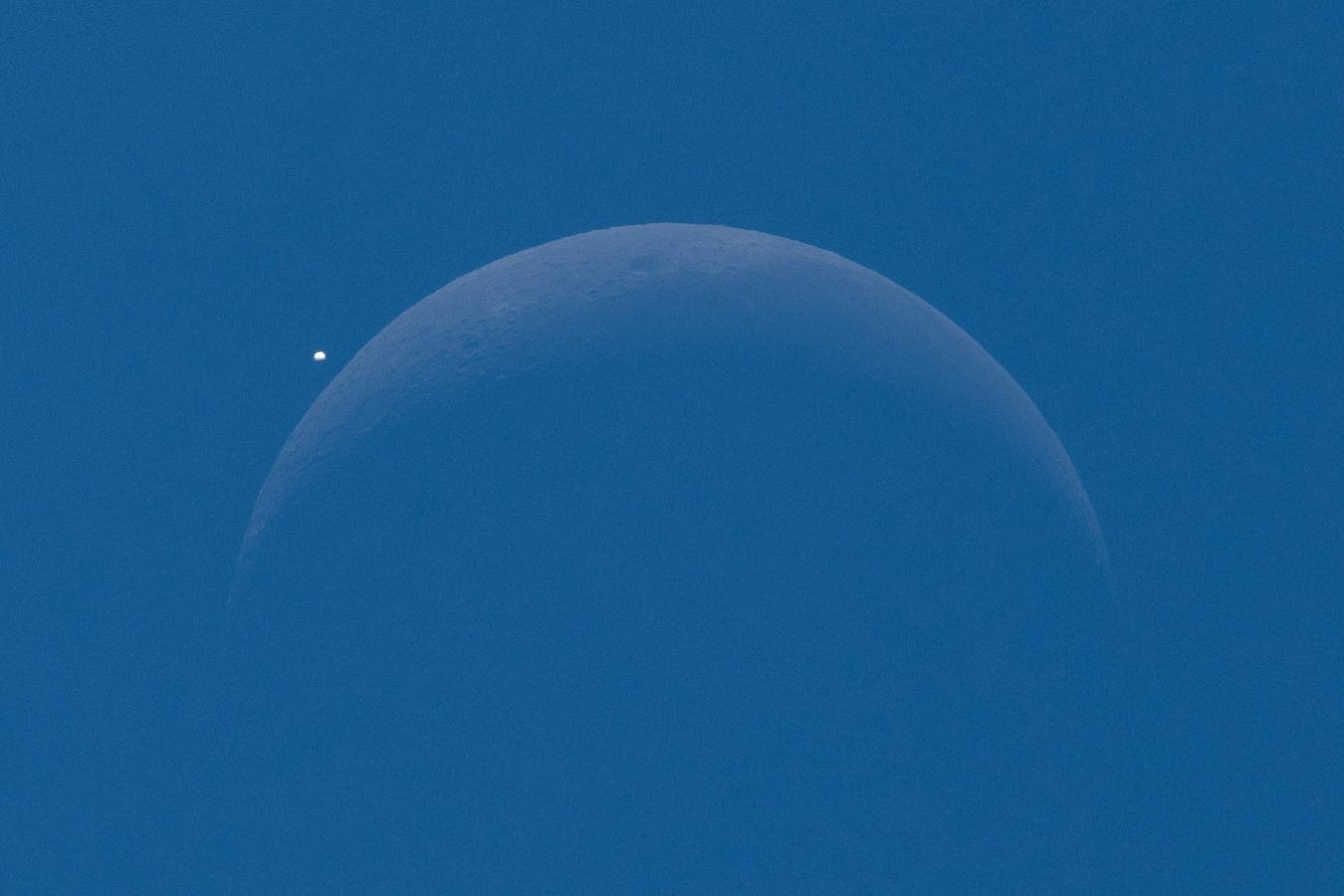
Sky-watchers and photographers captured the rare sight of Venus disappearing behind a slim crescent moon in an occultation event visible in Europe, Russia, and a small part of northeastern Africa. The planet's ingress and egress occurred in daylight, with observers using binoculars and cameras to glimpse the event between clouds. The next occultation of Venus by the moon will be visible from the U.S., Canada, Mexico, and southern Greenland, coinciding with the "Great American Eclipse." The path of the occultation will loosely follow the path of totality, where the moon will block the sun for up to 4 minutes 26 seconds, creating a twilight-like darkness and a 360-degree sunset.

astronomy2 years ago

"Rare Alignment: 'Devil Comet' and Solar Eclipse Bring Spectacular Celestial Show to Indiana"

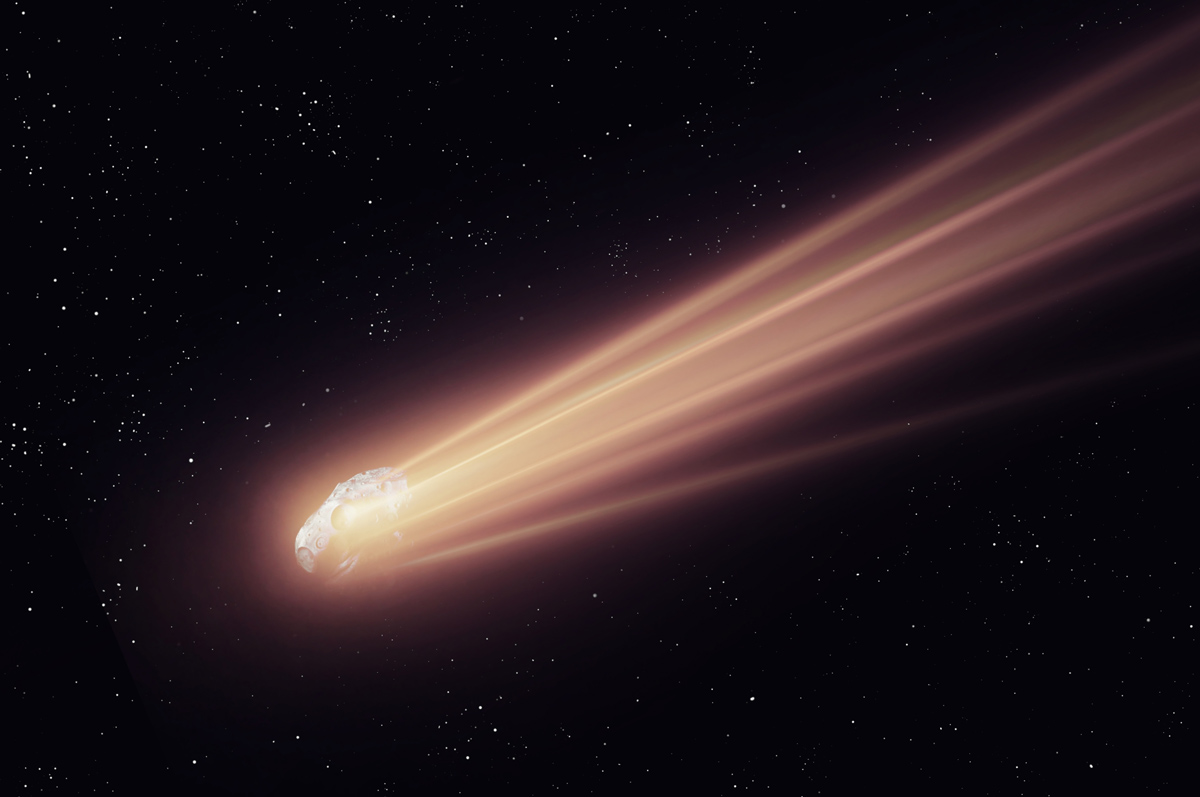
Comet 12/P Pons-Brooks, also known as the "devil comet," is set to make its first pass over Earth since 1954. Visible with the naked eye in April 2024 and again in June, the comet is classified as a Near Earth Asteroid by NASA but is not considered potentially hazardous. Coinciding with a total solar eclipse in April, the comet's near-earth approach could provide a unique experience in Indiana. The comet, twice the size of Mount Everest, orbits the sun every 71 years, with its peak brilliance predicted for June 2, 2024. Best viewed away from city lights, the comet may be visible with binoculars or a small telescope, weather permitting.

astronomy2 years ago

"Get Ready for a Spectacular Meteor Show: Draconid and October Meteor Showers to Peak Soon"

The Draconid meteor shower, also known as the Giacobinids, will be visible from October 6 to October 10. The best time to watch is around 8 pm on October 8 in the northwest sky. Although not the busiest meteor shower, the Draconids have the potential to turn into a meteor storm, with over a thousand meteors visible. The shower occurs when Earth passes through the debris left behind by comet 21P/Giacobini-Zinner. If you miss the Draconids, the Orionids will peak on October 21 and 22, caused by debris from Halley's Comet.

astronomy2 years ago

"October's Celestial Show: Comet 103P/Hartley Shines Bright and Soars High"

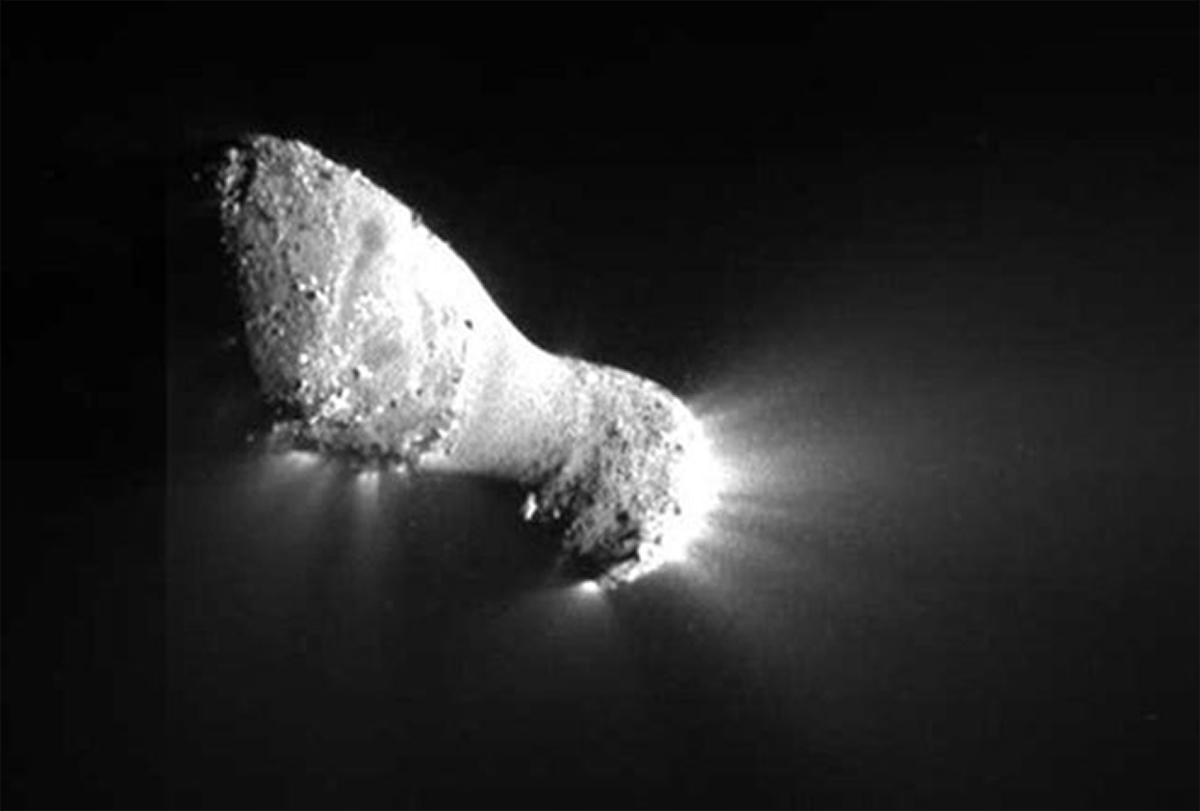
Comet 103P/Hartley, also known as Hartley 2, is approaching perihelion on October 12th and is expected to reach a peak brightness of mag. 8.5. It will appear large and diffuse as it comes relatively close to Earth in late September. Observers can track the comet's path throughout October, with key dates including October 5th-11th when it crosses the Gemini constellation, and October 27th when it passes close to Altarf in the morning. The period leading up to October 27th is optimal for observing the comet without the Moon interfering with the view.