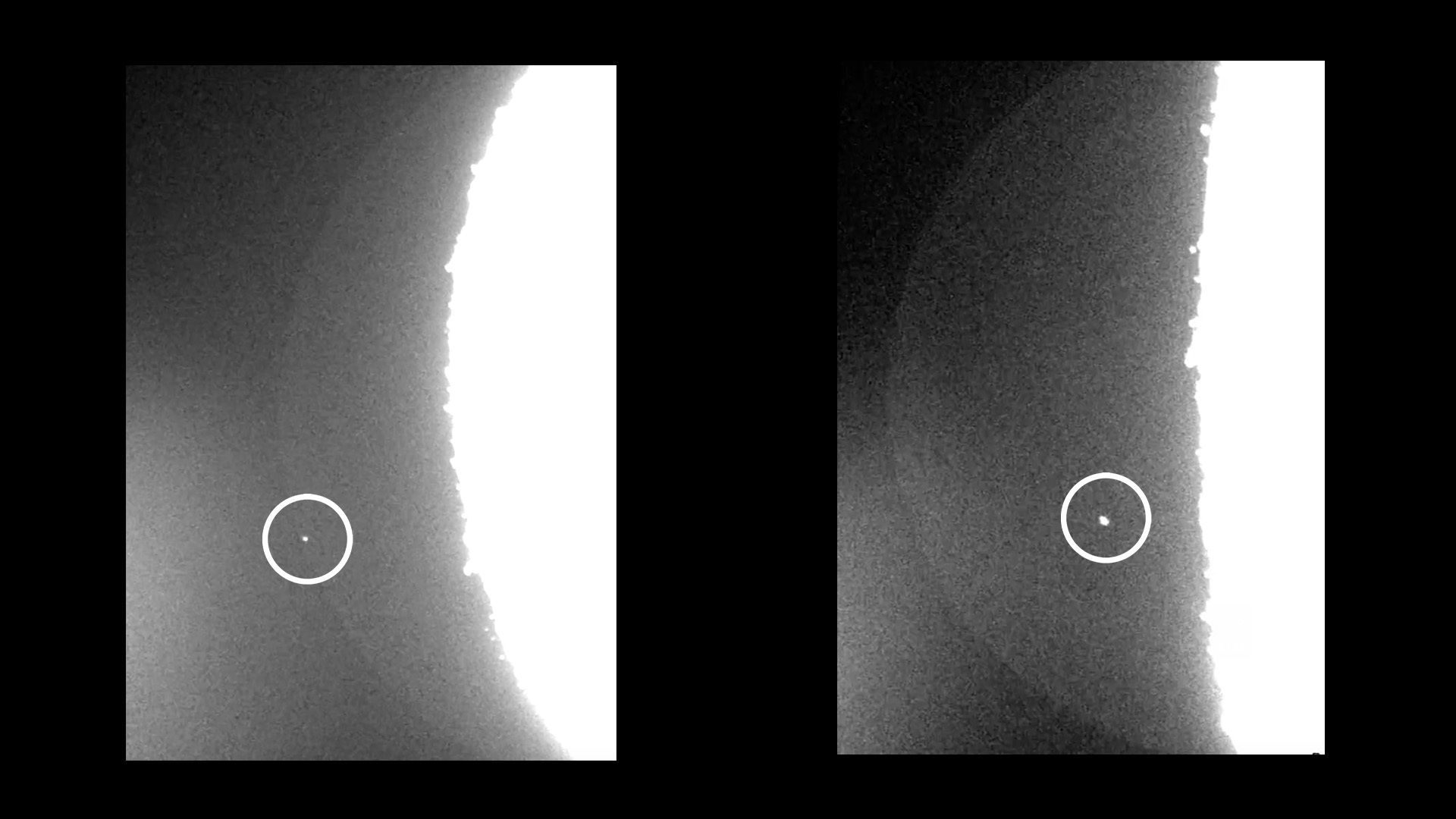
Japanese astronomer Daichi Fujii captured videos of two meteors striking the moon's surface, likely related to the upcoming Taurid meteor showers, highlighting lunar impacts that occur due to meteoroids traveling at high speeds in space.
Astronomers have discovered a large mass of granite buried beneath a crater on the Moon, indicating ancient volcanism. This is the first evidence of a traditional Earth-like volcano on the Moon. Using data from Chinese and American lunar orbiters, researchers identified a heat-emitting mass below the surface, suggesting a volcanic process never before seen on the Moon. The heat is not from recent volcanic activity but from radioactive elements trapped in the rocks. The discovery of granite on the Moon suggests the possibility of finding it in other areas of the Moon and even elsewhere in the Solar System.
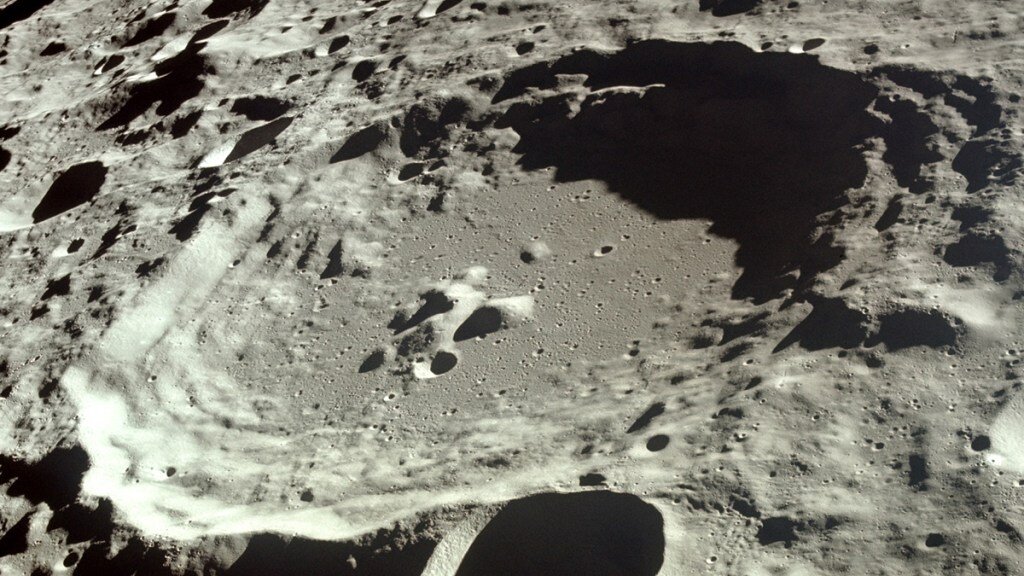
Researchers have demonstrated that machine learning can be used to estimate the ages and densities of lunar craters, providing valuable insights into the moon's impact history. By training an algorithm on over 50,000 images of previously characterized craters, the researchers were able to improve our understanding of the moon's surface. However, the algorithm's accuracy was affected by lighting conditions and the presence of rocks or buried craters. With careful oversight, machine learning can offer a wealth of information about lunar craters.