RFK Jr promotes a fringe theory linking autism to circumcision and Tylenol use, but experts dismiss these claims as pseudoscience, citing flawed studies and lack of evidence for any causal connection between Tylenol, circumcision, and autism.
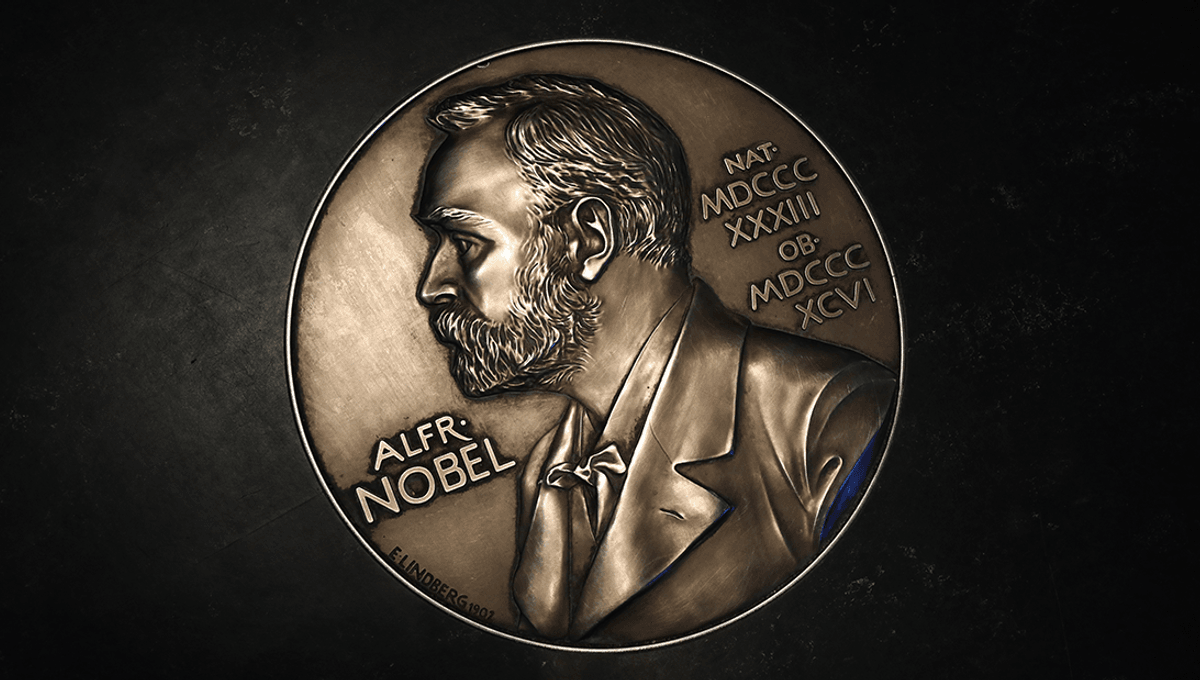
The article discusses 'Nobel disease,' a phenomenon where many Nobel laureates develop pseudoscientific beliefs after their win, possibly due to external pressures and cognitive biases, though it is not a real disease. Notable examples include scientists who believed in paranormal phenomena or held controversial views, highlighting that even the most accomplished scientists can fall prey to unscientific thinking.
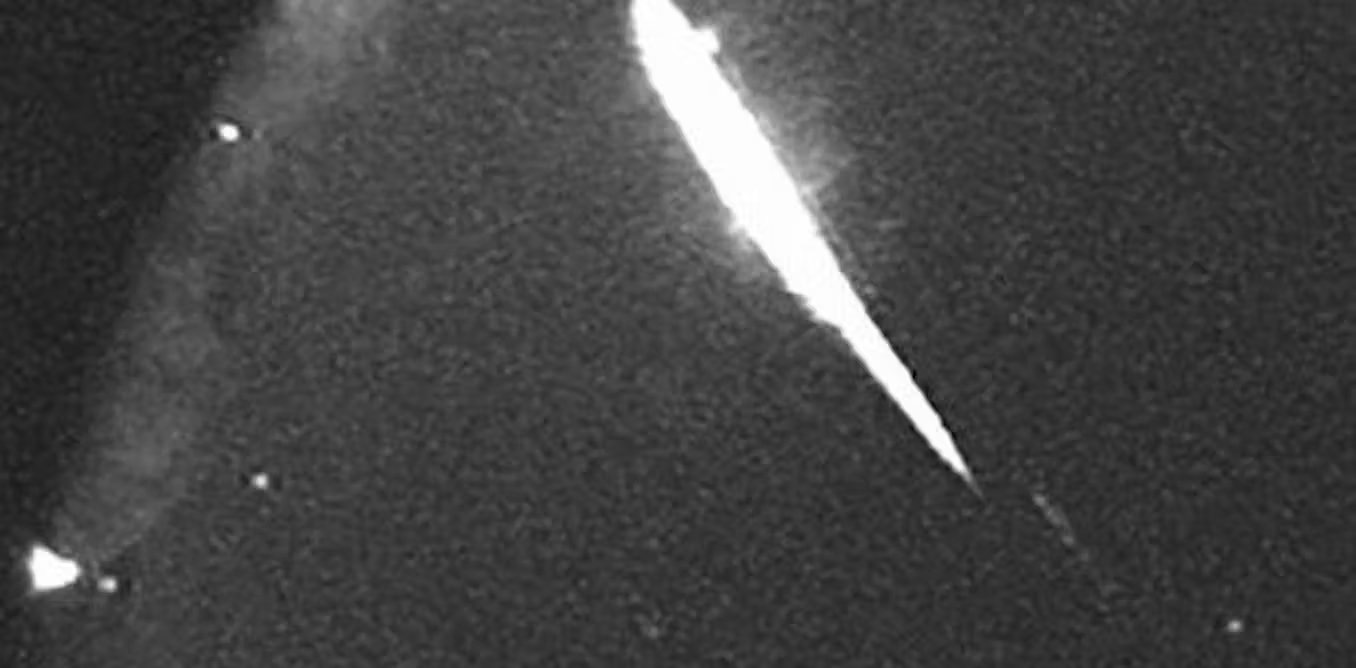
The Taurid meteor shower, currently visible from Earth, is being overshadowed by pseudoscientific claims, which may distract from legitimate concerns about potential space threats. Experts in various fields are prepared to provide accurate information to counter misinformation and emphasize the importance of scientific understanding.
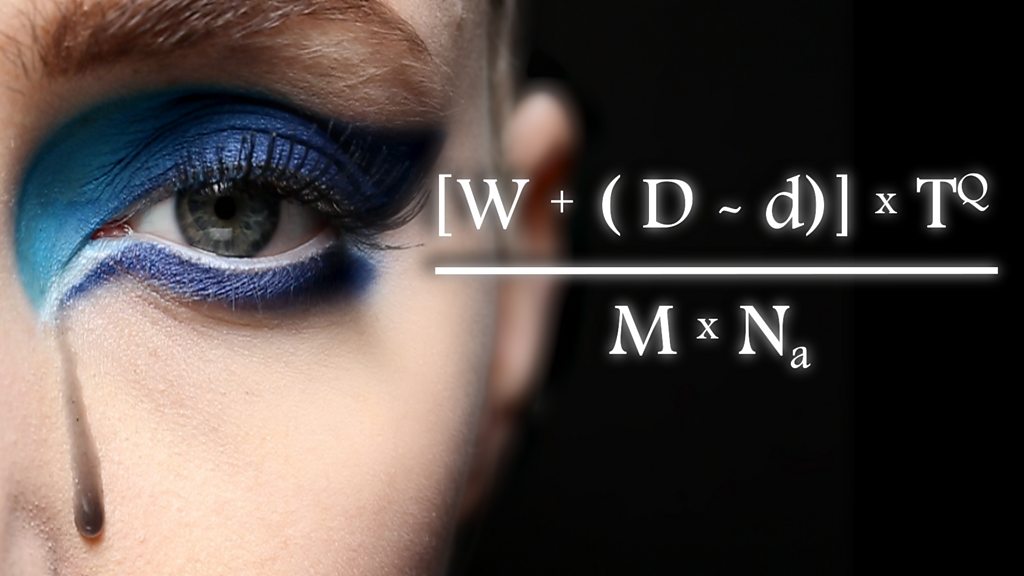
The concept of Blue Monday, supposedly the most depressing day of the year, is based on a hoax equation and has been widely criticized as pseudoscience. Originally created as a marketing ploy, the idea has been debunked by mental health experts, who emphasize the importance of addressing depression and mental well-being with evidence-based approaches rather than relying on arbitrary calculations.
Over 100 consciousness researchers have criticized the Integrated Information Theory (IIT) as pseudoscience, sparking a debate about the intersection of science and philosophy in understanding consciousness. IIT suggests that consciousness is more widespread than traditionally believed, but critics argue that its broad claims lack comprehensive empirical support. The theory combines scientific and philosophical perspectives, leading some researchers to question its scientific rigor. The controversy highlights the challenge of studying consciousness, which is not publicly observable, and the need for a partnership between science and philosophy to unravel its mysteries.
The debate over the nature of consciousness is intensifying as two rival theories, integrated information theory and global workspace theory, vie for prominence. A group of 124 consciousness scientists and philosophers recently published an open letter criticizing integrated information theory as "pseudoscience," sparking controversy within the field. While the theory has its flaws and is difficult to test, it is considered a leading theory of consciousness and has garnered significant support among scientists. The letter's claims about the theory's implications and its classification as pseudoscience are disputed, highlighting the ongoing challenges in understanding and studying consciousness.
Over 100 consciousness researchers have accused the integrated information theory (IIT) of being pseudoscience, sparking a debate within the field. IIT, proposed by neuroscientist Giulio Tononi, aims to provide mathematical conditions for determining consciousness. Supporters of the theory argue that it expands the concept of consciousness, while critics claim that it lacks experimental support for its bold implications. An "adversarial collaboration" between IIT and the global workspace theory recently produced mixed results. The controversy highlights the challenge of studying consciousness, which involves both scientific experimentation and philosophical reflection. The debate underscores the need for a partnership between science and philosophy to unravel the mysteries of consciousness.
An open letter signed by 124 researchers claimed that Integrated Information Theory (IIT), one of the most widely discussed theories in consciousness science, should be considered "pseudoscience." The letter argued that IIT's commitments to panpsychism and its lack of empirical testability justified the charge. However, the author argues that while IIT may have strange implications and be difficult to test, it still qualifies as science and should not be dismissed. The author emphasizes the importance of creative thinking and the right to be wrong in the pursuit of understanding consciousness.
The science of consciousness is a challenging field, with researchers debating different theories on how it works. A recent open letter by 124 consciousness scientists and philosophers criticized integrated information theory as "pseudoscience," sparking controversy. Integrated information theory proposes that consciousness is related to the amount of integrated information a system contains. While the theory has received significant attention and support, critics argue that it is not a leading theory and has potential ethical implications. The charge of pseudoscience is disputed, as the theory generates testable predictions and should be subject to scientific scrutiny.
A letter signed by 124 scholars has sparked controversy in the consciousness research community by labeling the integrated information theory (IIT) as "pseudoscience". The theory, which describes what makes someone or something conscious, has been a central theory in understanding consciousness. Some researchers argue that the theory lacks scientific support and is promoted more by popular media attention than academic acceptance. However, proponents of IIT argue that it is a testable theory with clear assumptions and predictions. The letter has raised concerns about increasing polarization in the field and the potential negative impact on the perception of consciousness research.
The World Health Organization (WHO) is facing backlash as it advocates for the integration of traditional and complementary medicine into national health systems. Despite criticism from experts who view these practices as pseudoscience, WHO Director General Tedros Adhanom Ghebreyesus emphasized the contributions and potential of traditional medicine in preventing and treating non-communicable diseases. The WHO's support for traditional medicine has sparked controversy, with critics calling out the promotion of homeopathy as "quackery." The organization defended its stance, stating that its work aims to bring evidence and scientific validation to traditional medicine for the benefit of millions worldwide.
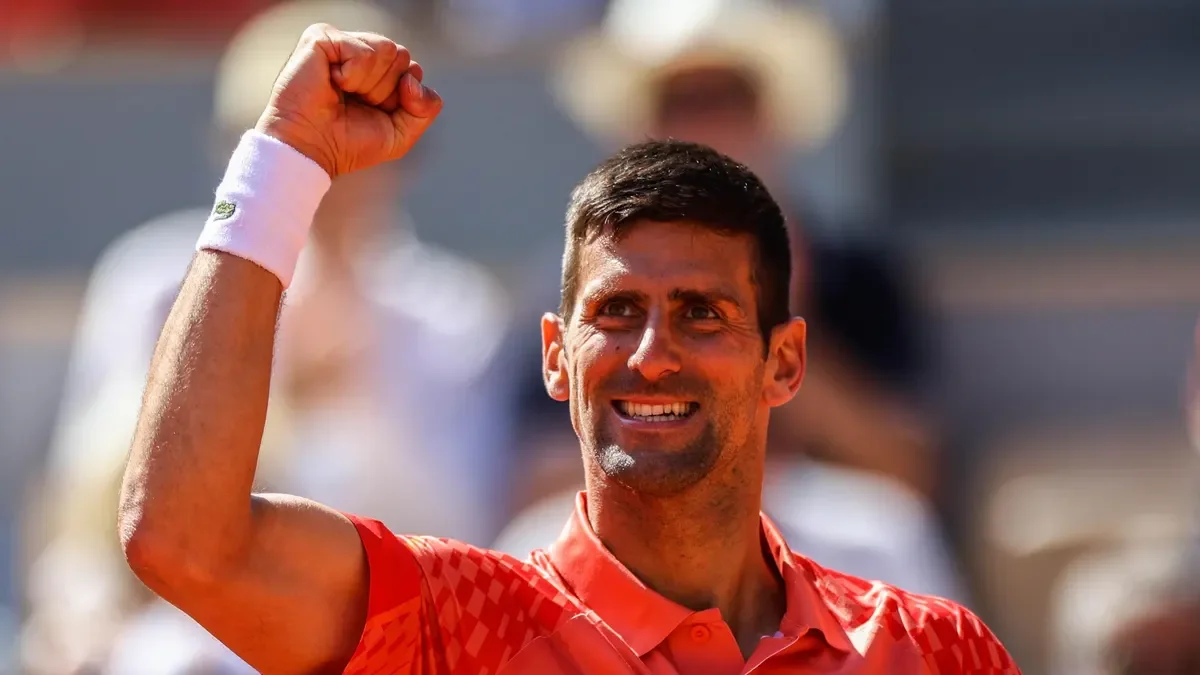
Novak Djokovic, the tennis star, claimed that a small patch powered by "nanotechnology" stuck to his chest is the secret to his success on the court. The patch, called the TaoPatch, is sold by an Italian company called Tao Technologies, which claims that the patch is "activated by sunlight and body heat" and provides several health benefits. Djokovic has previously come under criticism for promoting wellness fads and pseudoscience.