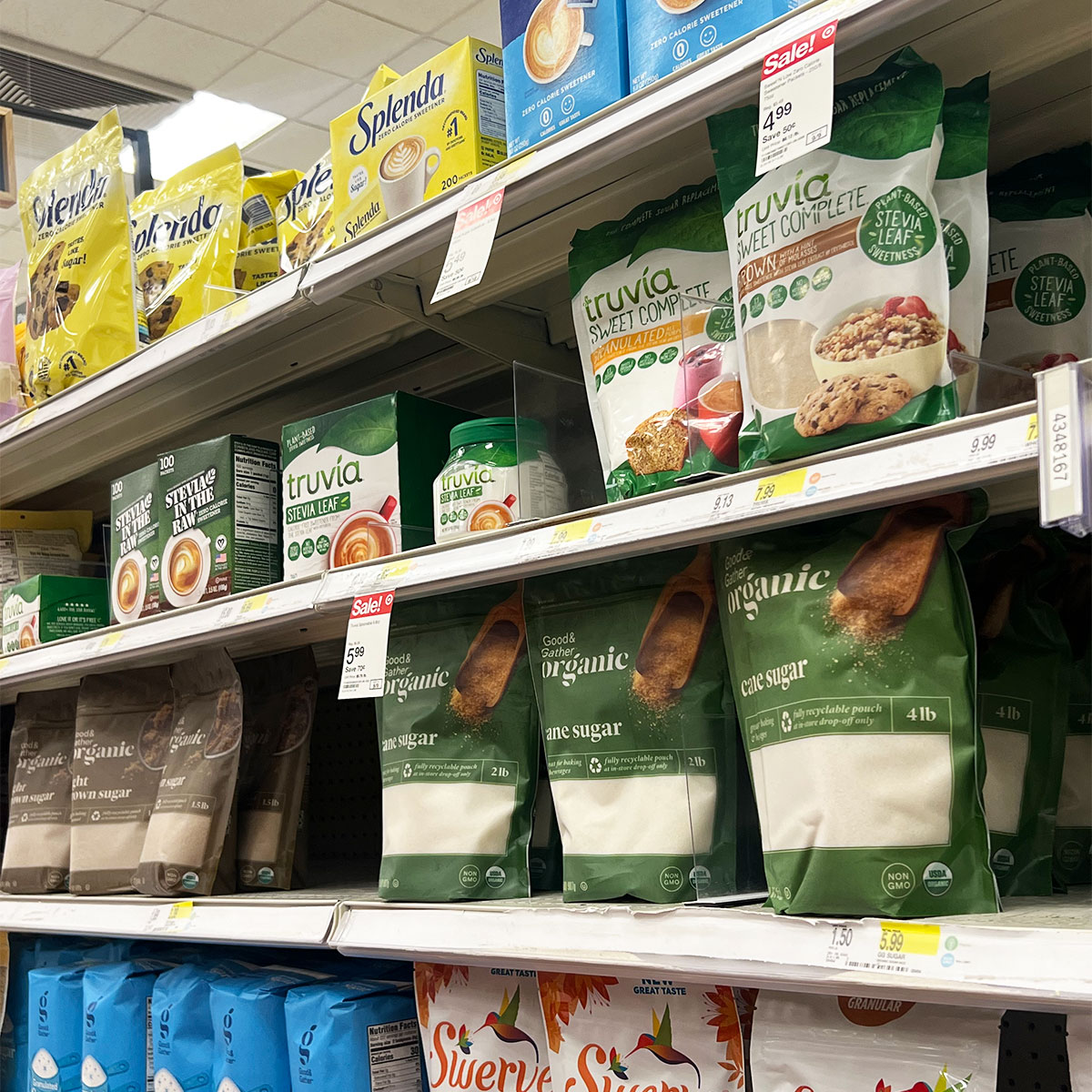
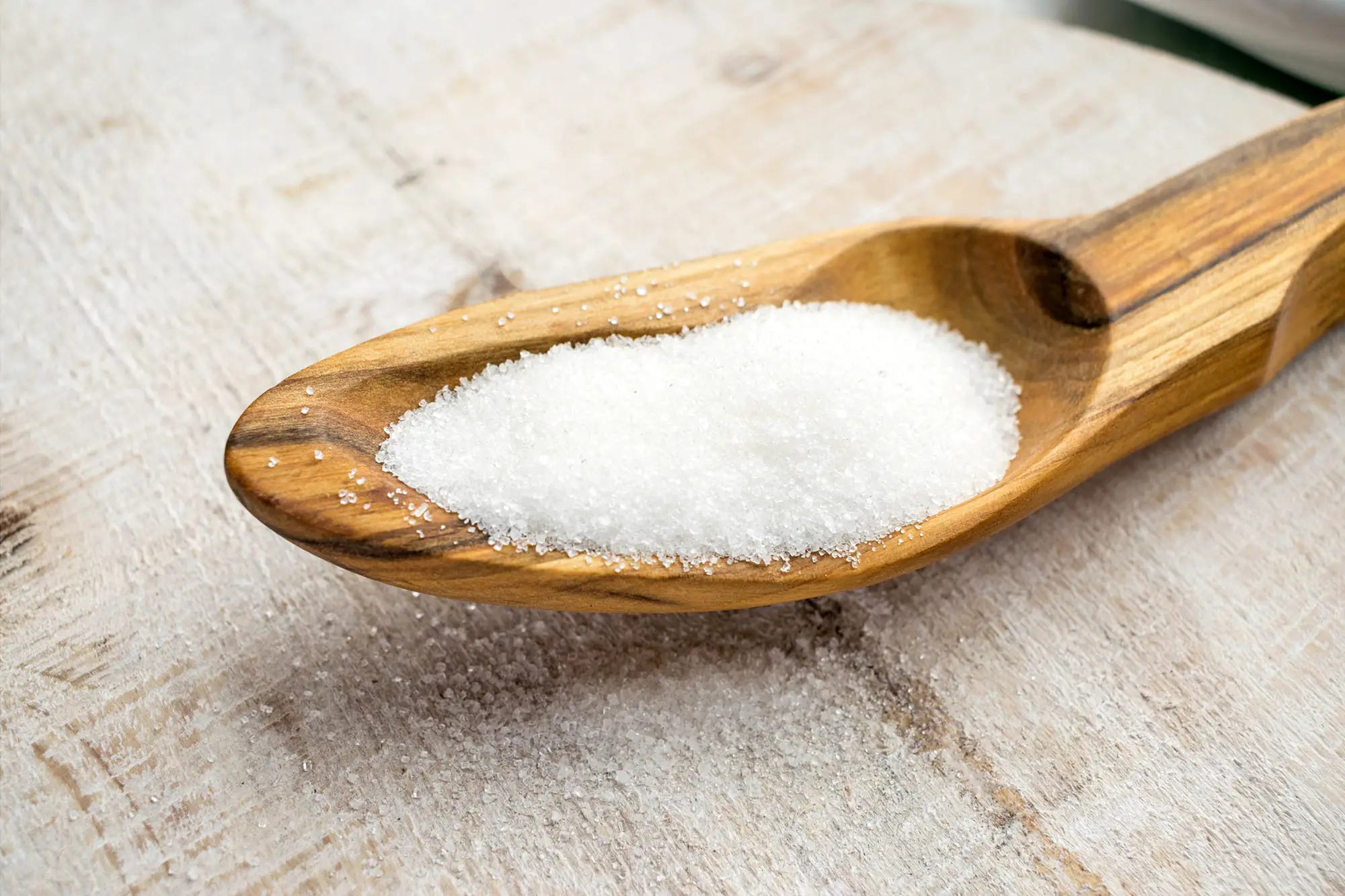
A study from the University of Colorado Boulder suggests that erythritol, a common sugar substitute found in many products, may immediately impair brain blood vessel function by increasing vessel constriction and reducing clot breakdown, potentially elevating the risk of stroke and heart attack, especially with daily consumption.
Nutritionist Suman Agarwal explains that while natural sweeteners like jaggery, honey, and dates have some benefits, they are not calorie-free and can have high glycemic indexes, making moderation important. Zero-calorie options like stevia and monk fruit are safer alternatives, but overall, limiting all added sugars is recommended for long-term health, following WHO guidelines and recent studies linking high sugar intake to increased cardiovascular risk.
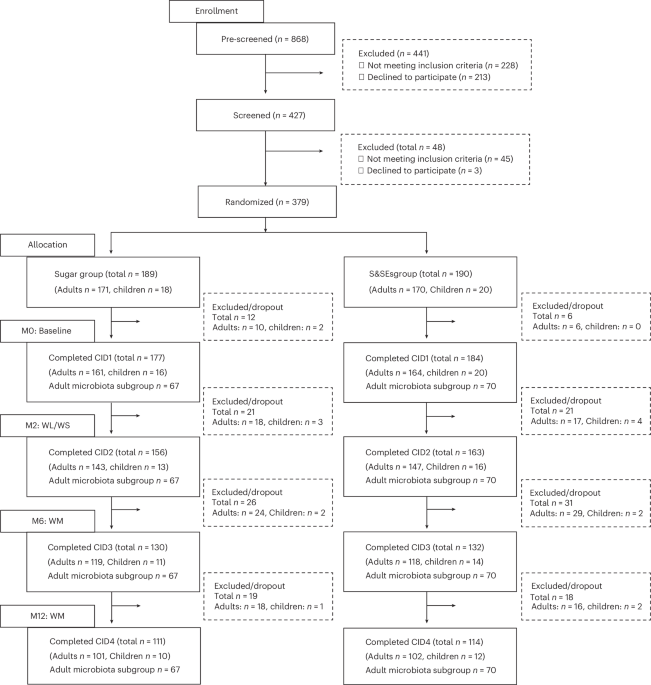
The SWEET study is a 1-year randomized controlled trial that found replacing sugar with sweeteners and sweetness enhancers in a healthy, sugar-reduced diet improved weight loss maintenance and altered gut microbiota composition in adults with overweight or obesity, without adverse effects on cardiometabolic health markers.
A study suggests that consuming artificial sweeteners like aspartame and saccharin may accelerate cognitive decline, equivalent to aging 1.6 years, especially in people under 60, raising concerns about their long-term health effects.
Maple syrup and honey are natural sweeteners with health benefits and moderate glycemic indices, making them better options than refined sugar for diabetes management. Maple syrup has a slightly lower GI and higher mineral content, while honey offers more vitamins and antioxidants. Moderation and individual monitoring are key, and consulting healthcare providers is recommended for personalized advice.
A study presented at ENDO 2025 links common sweeteners like aspartame, sucralose, and glycyrrhizin to early puberty in children, especially those with genetic predispositions, highlighting potential health risks and the need for moderated intake and screening.
President Trump claimed Coca-Cola in the US would switch to cane sugar, but the company did not confirm this, leaving it unclear whether the switch will happen as Trump suggested. Coca-Cola typically uses corn syrup in the US but uses cane sugar in other countries. The company has not officially announced any change to its sweetener formulation following Trump's statement.
A new study, known as the Sweet Project, suggests that replacing sugar with sweeteners and sweetness enhancers (S&SE) could help with weight management and doesn't appear to increase the risk of type 2 diabetes or heart disease. The research found that adults who consumed sweeteners after rapid weight loss continued to lose weight for a year, experienced enhanced mood, increased diet satisfaction, and reduced cravings for sweets. However, the study had limitations, and previous research has suggested potential health risks associated with sweeteners. Experts recommend a personalized, holistic approach to weight management, including physical activity, mindful calorie and carbohydrate consumption, a plant-forward diet, and finding easy ways to satisfy sweet cravings with natural sugars.
A recent study suggests that replacing sugar with sweeteners like stevia does not increase appetite levels, contrary to previous lower-quality studies. The research, conducted by the SWEET consortium, involved 53 healthy adults and found no difference in appetite levels between those who consumed sugar and those who consumed sweeteners. Additionally, participants who consumed sweeteners had lower insulin responses, and stevia showed a significant reduction in blood sugar response compared to sugar. While this study provides valuable insights, more research is needed to confirm these findings and their long-term health impact.
A new study has found that replacing sugar with artificial and natural sweeteners in foods does not increase hunger and can help lower blood sugar levels, providing benefits for people at risk of developing type 2 diabetes. The double blind randomized controlled trial, led by the University of Leeds, provides strong evidence that sweeteners do not negatively impact appetite and are beneficial for reducing sugar intake. The study, part of the SWEET consortium, is the first of its kind to look at the effects of sweeteners on appetite and glycemia using food products, and it found that sweeteners can be a helpful tool to reduce added sugar intake without leading to increased appetite or energy intake.
A new study presented at the European Congress on Obesity suggests that replacing sugar with low or no-calorie sweeteners could aid weight management without increasing the risk of diabetes or heart disease. The research found that adults using sweeteners experienced greater diet satisfaction, improved mood, and reduced cravings for sweet foods. However, conflicting with other studies, more research is needed to fully understand the health effects of sweeteners. Despite ongoing debate about their safety, the study's positive findings suggest that incorporating sweeteners into a healthy, low-sugar diet could help with weight maintenance after rapid weight loss.
A reader is concerned about contracting herpes simplex virus (HSV-1) after a sexual encounter with a partner who is on antiviral medication. Dr. Keith Roach explains that the risk of transmission is reduced but not eliminated by the medication and brief exposure, and recommends using condoms. He also addresses concerns about artificial sweeteners for people with Type 2 diabetes, noting that there is no clear benefit of using natural sweeteners over synthetic ones. Additionally, he shares a success story of diagnosing takotsubo cardiomyopathy in a reader and provides advice on various personal issues in his column.
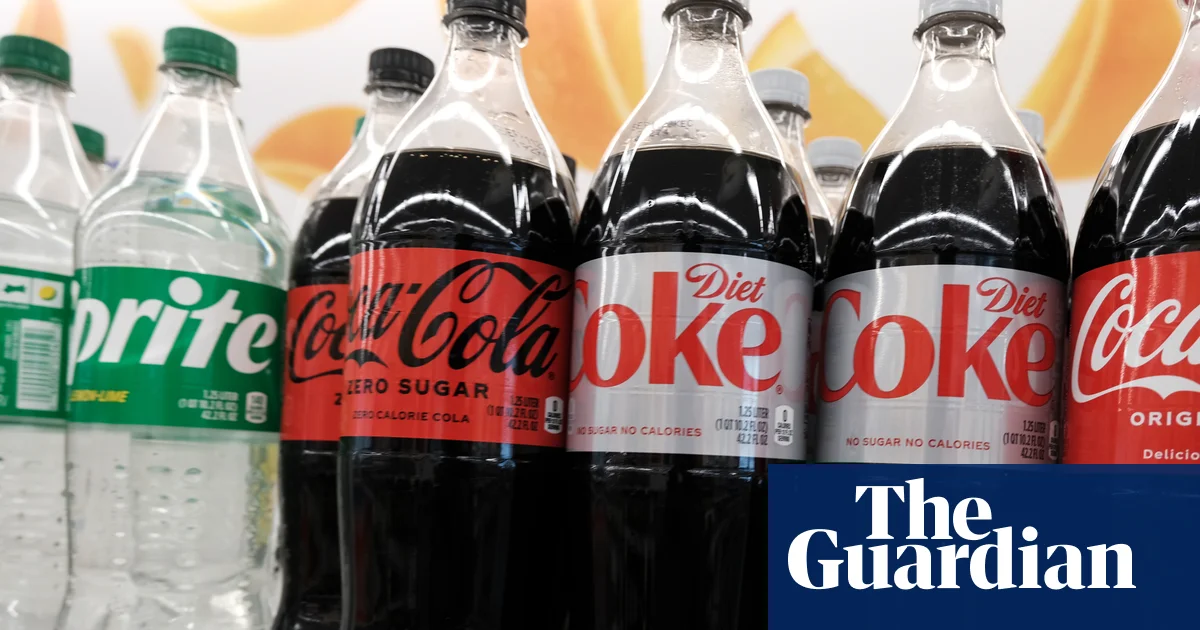
A study conducted in the UK found that consuming drinks containing artificial sweeteners, such as Diet Coke or Coke Zero, for a year had no significant impact on body weight. In fact, participants who drank the equivalent in water may have ended up heavier. The study also showed that the group consuming artificial sweeteners lost an average of 7.5 kilograms (16.5 pounds), while the water group lost 6.1 kilograms (13.4 pounds), although this difference was not statistically significant. The findings contradict previous research suggesting that artificial sweeteners lead to weight gain, diabetes, and cancer. However, conflicting conclusions between studies may be due to factors such as unreliable self-reporting and genetic predisposition to obesity.
Dietitians recommend monk fruit as a healthy sweetener to add to oatmeal due to its natural source, low impact on blood sugar, low glycemic index, zero calories, anti-inflammatory benefits, and intense sweetness. Monk fruit is a great alternative to refined sugar and can be used in various recipes, making it a delicious and healthy choice for those watching their calorie intake or trying to manage their weight.
Scientists have discovered that blends of mineral salts, including potassium, magnesium, and calcium salts, can enhance the taste and mouthfeel of noncaloric sweeteners, making them more similar to real sugar. By reducing the lingering sweetness and improving the texture of these sugar substitutes, low- and zero-calorie beverages can taste more like their sugary counterparts. This research offers a promising solution for replicating the taste of sugar in low-calorie and zero-calorie drinks, addressing the dissatisfaction among consumers with existing sugar substitutes.