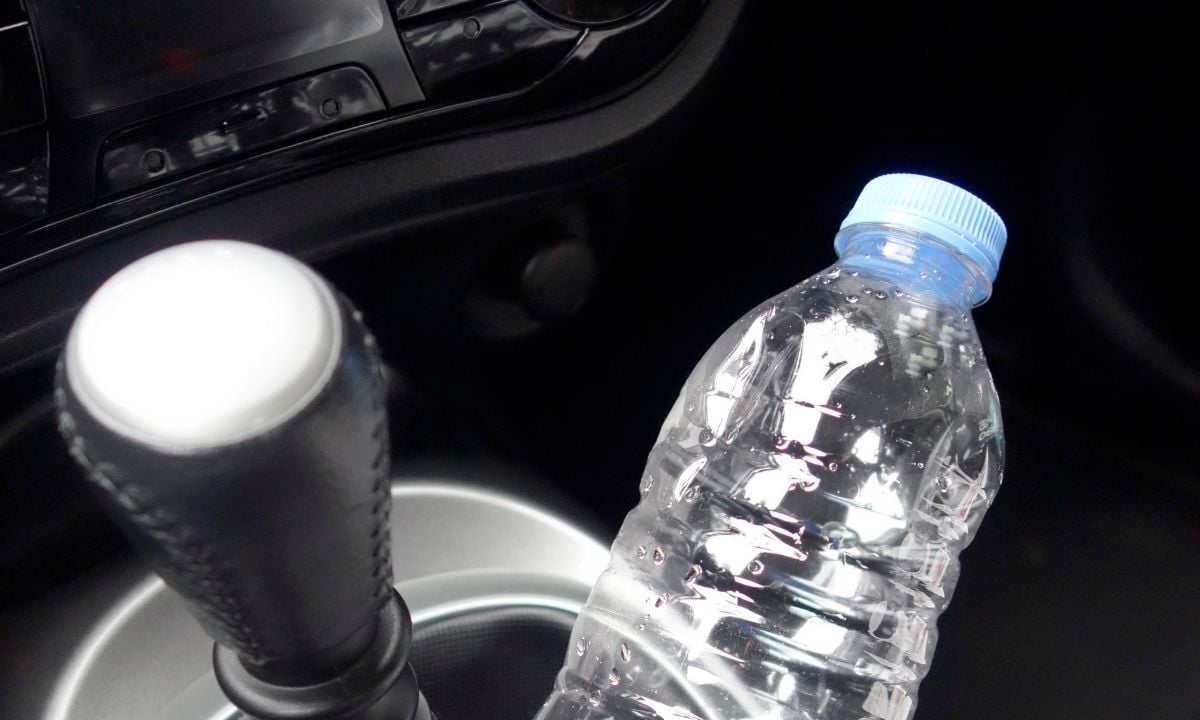
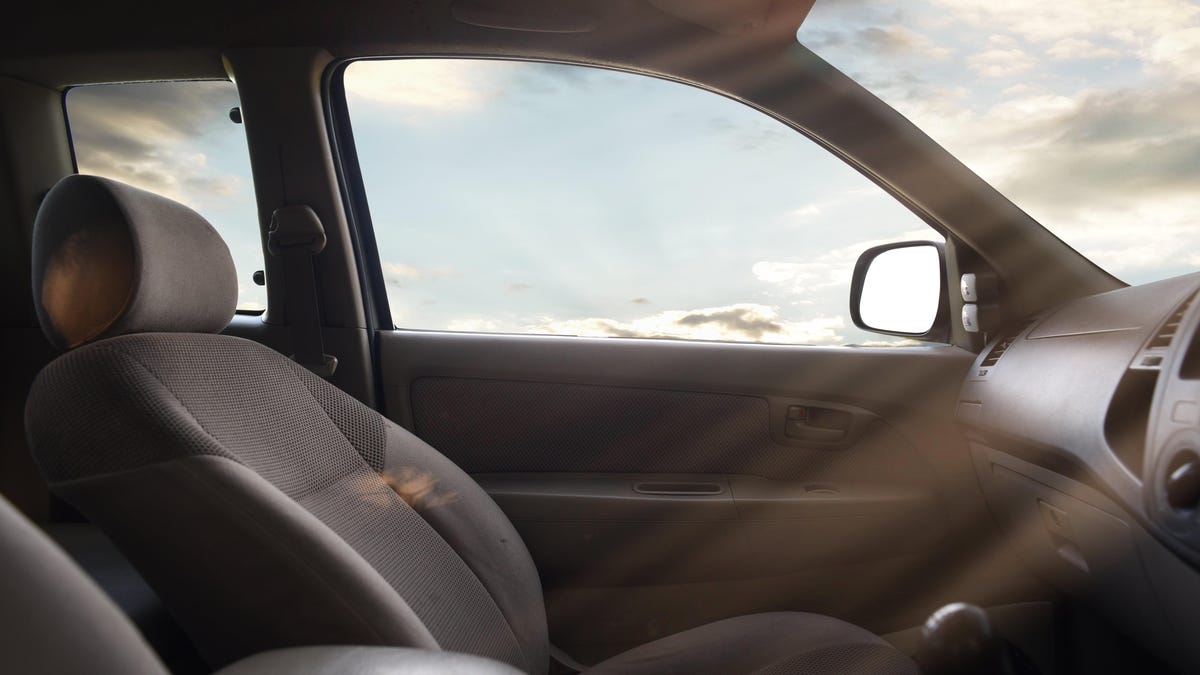
Experts warn against leaving plastic water bottles in hot cars during summer, as high temperatures can cause plastic particles to break down and potentially enter the body, posing health risks such as increased blood pressure and inhalation of microplastics.
A doctor explains that dehydration, often caused by heat, alcohol, and sweating, is a common and overlooked cause of erectile dysfunction. Staying well-hydrated by drinking water, replenishing electrolytes, and eating water-rich foods can help improve the condition. Lifestyle factors like poor diet, smoking, and lack of exercise also contribute, and persistent symptoms should be checked with a GP.
A 9-year-old girl died at Hersheypark's wave pool amid crowded conditions during hot weather, marking the park's first guest fatality in its 119-year history, according to an eyewitness.
The National Weather Service has issued an Excessive Heat Warning for Boston from June 22 to June 24, with temperatures in the 90s and high humidity. Boston University is opening cooling centers across campus to provide relief, and students, faculty, and staff are advised to take precautions against heat-related illnesses, including staying hydrated, avoiding outdoor activities during peak heat hours, and seeking shade.
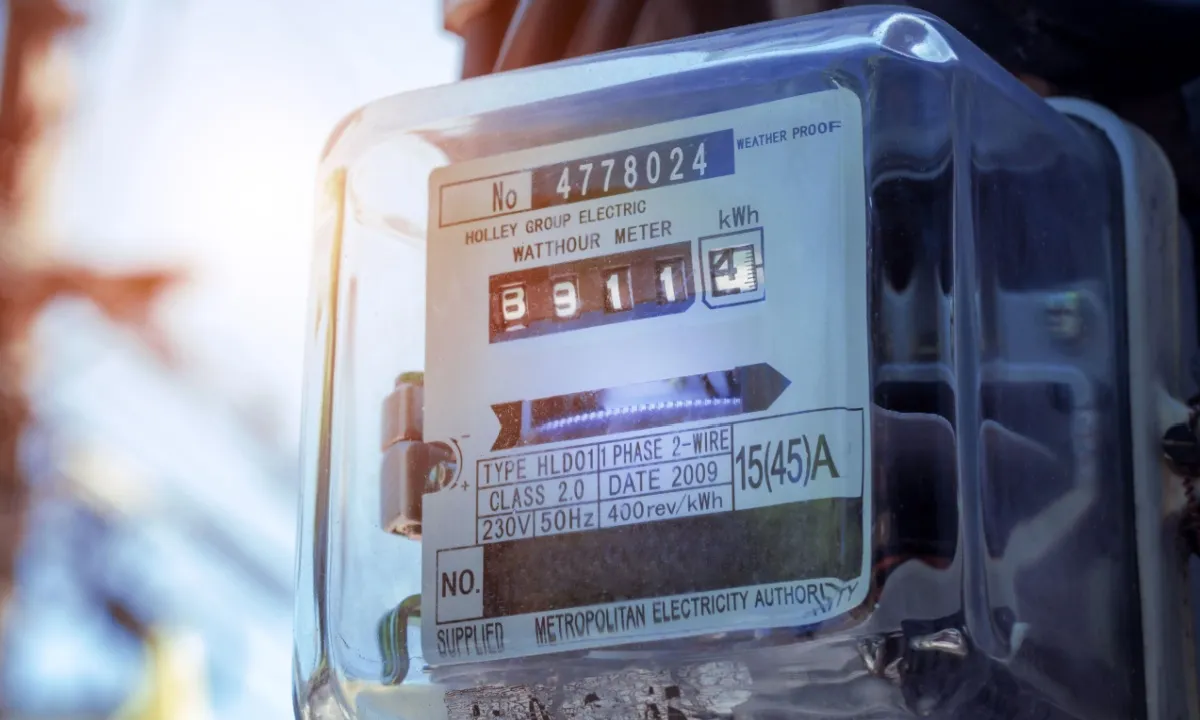
Americans can expect a 3.7% increase in average summer electricity bills due to hotter weather and rising natural gas prices, with the highest increases in New England. Meanwhile, consumer spending is tightening amid trade policy uncertainties, potentially shrinking the economy by up to $92 billion annually. Additionally, mobile wallets are rapidly expanding globally, driven by local preferences and trusted substitutes, with significant adoption across all generations.
A weather forecast for the D.C. area predicts strong storms and potential flooding tonight, with a risk of severe weather including damaging gusts and hail, followed by cooler, partly cloudy days and a warming trend into early next week with increasing summer heat. A flood watch is in effect from Friday evening to early Saturday morning due to expected heavy rainfall.
U.S. electricity bills are expected to rise by 7.9% this summer due to record-breaking heat, with low-income families being the hardest hit. The National Energy Assistance Directors Association (NEADA) and the Center for Energy Poverty and Climate (CEPC) report that average bills will increase from $661 to $719 from June through September. Factors include higher fuel prices, maintenance costs, and extreme weather. Reduced federal aid and lack of summer shut-off protections exacerbate the issue for vulnerable populations.
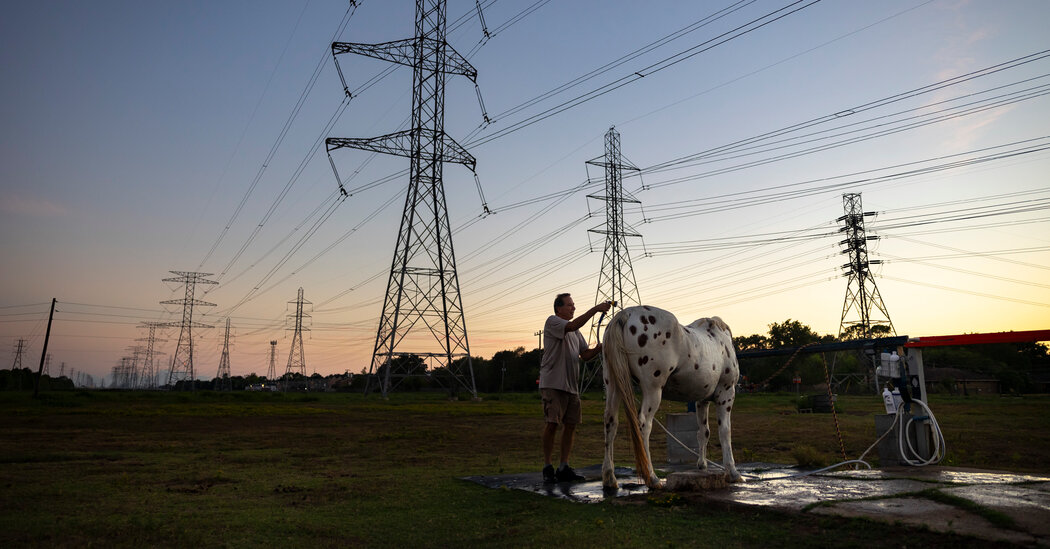
An analysis by the independent market monitor of Texas' electricity market found that the state's grid operator, ERCOT, intentionally created "artificial shortages" this summer, resulting in soaring electricity prices that cost consumers about $8 billion over three months. The introduction of a new reserve mechanism aimed at preventing blackouts led to the withholding of electricity supply from the market, pushing up prices even during periods of ample supply. While power companies and cryptocurrency miners benefited from the price spikes, ordinary Texans are likely to face higher energy costs in the future. Critics argue that the change did not significantly improve grid reliability and is essentially a transfer of wealth from consumers.
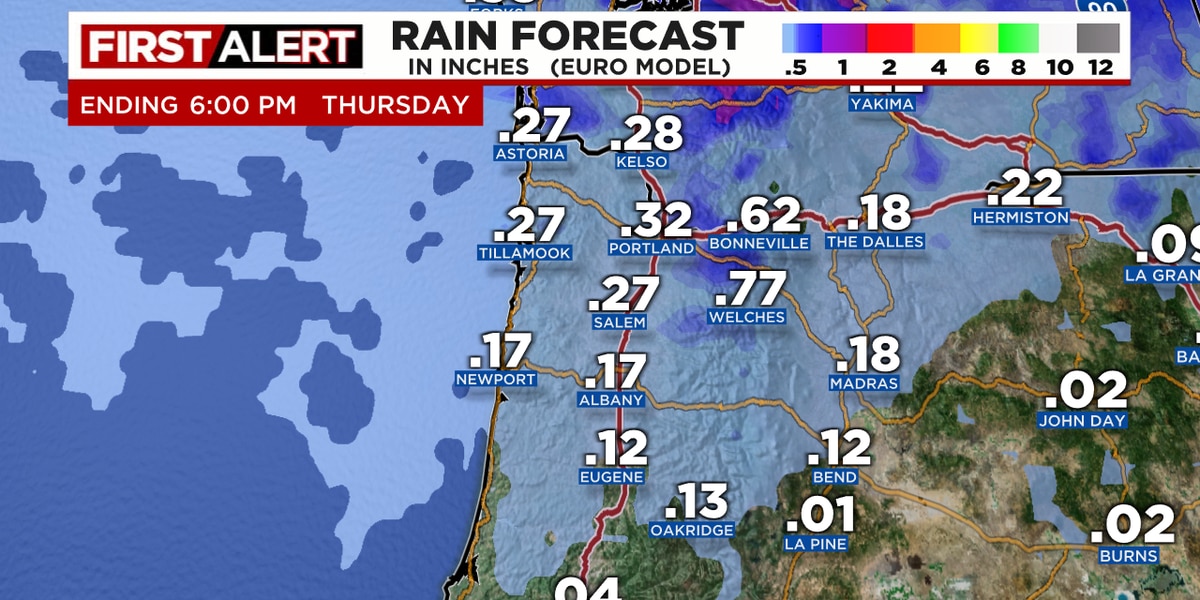
The summer heat in Portland, Oregon, has come to an end as cooler fall weather arrives early this year. A thick marine layer has moved inland, which was a common occurrence in summers before 2013 but has become rare in recent years due to consistent warm/hot weather. The temperature in Portland reached a high of 71 degrees, the coolest day in over two months. August is still on track to be the warmest on record in Portland, but the forecast for the next 10 days shows a lack of heat with a possibility of showers. The wettest period is expected to be in the first seven days, which will help dampen fires and bring relief to the region.
Wisconsin Public Service is offering energy-saving tips to residents as the state braces for scorching temperatures. With the summer heat expected to increase energy consumption, the utility company suggests adjusting thermostats, using fans, and closing blinds during the hottest parts of the day to reduce energy usage. They also recommend using energy-efficient appliances and sealing air leaks to improve overall energy efficiency.
Excessive sweating in the pubic area is a common issue, particularly in hot weather. Dr. Michelle Campbell Mitchell, a Consultant Obstetrician/Gynaecologist, advises against inserting foreign objects or attempting improper cleaning methods, as they can lead to infections. Instead, she recommends maintaining proper hygiene by using mild soap, grooming the hair, wearing breathable cotton underwear, considering antiperspirants sparingly, and altering one's diet to avoid excessive sugar and processed foods. Men are also advised to maintain proper pubic health by washing regularly and keeping hair trimmed.
A bear was spotted in a residential neighborhood in Burbank, Southern California, where it was found sitting in a Jacuzzi behind a home. After a short dip, the bear climbed over a wall and headed to a tree behind the house. Police have issued warnings for residents to avoid bears and to secure garbage and food to discourage them from coming to their residences.
A baby was rescued from a hot car in southern Texas after the family accidentally left the keys inside. Bystanders worked together to smash the front windshield, allowing a woman to climb through and hand the child out. The incident occurred in a parking lot with a heat index of over 100 degrees. It is unclear how long the baby was in the vehicle before being rescued.
As temperatures rise, car interiors can become unbearably hot, even in the shade. Strategies to keep your car's interior cooler in the summer include using cool packs for the seats, keeping instant cold packs in the trunk, using a pot holder or oven mitt for hot seatbelts, draping a white towel over the steering wheel, and using a windshield sun shade. While lighter-colored interiors may be slightly cooler, both light and dark interiors can reach temperatures exceeding 100°F (38°C) in hot weather.
Two-thirds of North America is at risk of energy shortfalls this summer during periods of extremely high electricity demand, warns the North American Electric Reliability Corporation (NERC). Although all 20 NERC assessment areas have adequate power resources to meet normal peak summer demand this year, certain areas are at elevated risk of electricity supply shortages if confronted with more extreme summer conditions, including the U.S. Western Interconnection, SPP, MISO, ERCOT, SERC-Central, and New England. The combination of higher electricity demand and reduced supply can cause energy shortfalls.