Research suggests that erythritol, a common sugar substitute found in many processed foods, may damage the blood-brain barrier and disrupt blood vessel function, potentially increasing the risk of stroke and cardiovascular disease, raising concerns about its safety despite regulatory approval.
Recent research suggests a potential link between artificial sweeteners and accelerated brain aging, with some studies indicating they may impair memory and cognitive functions, raising concerns about their long-term health effects despite FDA approval. Experts recommend further investigation to fully understand these impacts.
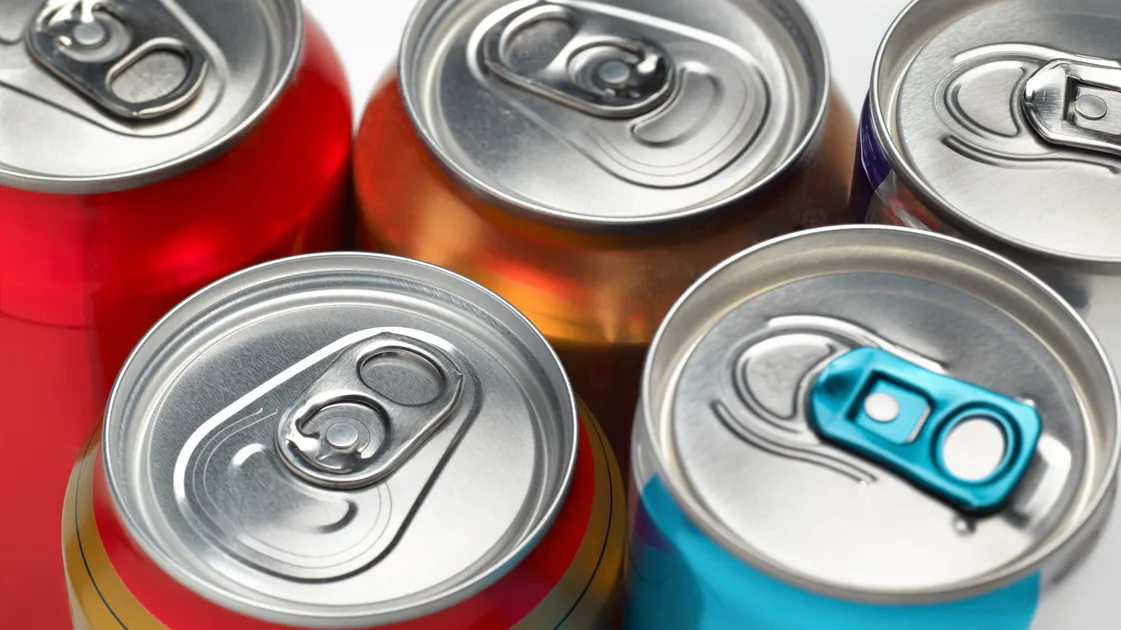
Drinking excessive diet soda, especially 30-40 cans daily, can pose health risks such as increased chances of type 2 diabetes, heart disease, and weight gain due to artificial sweeteners affecting gut bacteria and insulin sensitivity. Experts recommend limiting intake to one or a few cans per day and prioritizing water or unsweetened drinks for hydration.
A study suggests that high consumption of artificial sweeteners may accelerate brain aging by over 1.5 years, with increased risks of cognitive decline, especially in middle-aged individuals, raising concerns about their safety despite industry claims.
For people with Type 2 diabetes, the best approach remains reducing sugar and refined carbs, and current science suggests caution with sugar substitutes, emphasizing a balanced diet over reliance on artificial sweeteners.
A recent study suggests that erythritol, a common sugar substitute found in many processed foods, may damage the blood-brain barrier, impair blood vessel function, and increase the risk of heart attack and stroke, raising concerns about its safety despite regulatory approval.
A recent study suggests that erythritol, a popular artificial sweetener found in many sugar-free products, may negatively impact blood vessel cells in the brain, potentially increasing the risk of strokes and heart attacks, though further research in humans is needed.
A study suggests that erythritol, a common sweetener in sugar-free products, may increase the risk of strokes and heart attacks by damaging blood vessel cells and reducing clot-busting proteins, raising concerns about its widespread use amid rising stroke rates in young people.
The article explores the safety and health implications of various sugar substitutes, including newer options like allulose, monk fruit, and stevia, compared to traditional artificial sweeteners such as aspartame and sucralose. It questions whether these alternatives are healthier choices for consumers.
A new study published in the European Heart Journal links the sugar substitute xylitol to an increased risk of cardiovascular events such as heart attacks and strokes. Researchers found high blood levels of xylitol in individuals who had suffered such events and observed that xylitol enhances blood clotting. The study raises concerns about the safety of xylitol and other sugar alcohols, which are widely used in low-carb and keto diets. Experts call for further research to understand the implications for public health.
A study by the Cleveland Clinic, published in the European Heart Journal, links the sugar substitute xylitol to an increased risk of heart attack, stroke, and cardiovascular-related deaths. Researchers found that high levels of xylitol in the blood doubled the risk of these conditions. The study suggests that xylitol activates platelets, increasing clotting risk. While the study is observational and not definitive, experts recommend limiting artificial sweeteners and opting for natural sugars like those in fruits and vegetables.
Artificial sweeteners, including non-nutritive sweeteners, plant-based sweeteners, and sugar alcohols, are widely used as sugar substitutes. While the FDA considers them safe when consumed at typical levels, research on their long-term health effects is ongoing. They can help reduce sugar and calorie intake, but may also have potential impacts on blood sugar, blood pressure, digestive health, and gut microbiome. It's important to consume them in moderation and consider natural sweet alternatives, while pregnant or breastfeeding women should be cautious due to limited research on their effects.
A new study has found that people who have suffered a stroke or heart attack had higher levels of erythritol, a sugar substitute, in their bodies. The study suggests that consuming erythritol can increase blood clot formation, potentially increasing the risk of heart attack or stroke. However, experts caution that it is too early to make sweeping recommendations about erythritol and more research is needed. Stevia, on the other hand, is considered a healthier choice, especially for people with diabetes, as it does not cause blood sugar disturbances. Both erythritol and stevia can be used as sweeteners in various foods and beverages, but they may not be perfect substitutes for sugar in all recipes. It is important to read labels and consume sweeteners in moderation, with a focus on a diet rich in minimally processed and fresh produce.
Scientists have discovered that blends of mineral salts, including potassium, magnesium, and calcium salts, can enhance the taste and mouthfeel of noncaloric sweeteners, making them more similar to real sugar. By reducing the lingering sweetness and improving the texture of these sugar substitutes, low- and zero-calorie beverages can taste more like their sugary counterparts. This research offers a promising solution for replicating the taste of sugar in low-calorie and zero-calorie drinks, addressing the dissatisfaction among consumers with existing sugar substitutes.
Artificial sweeteners, commonly used as a sugar substitute, may be causing more harm than good. The World Health Organization has suggested that they could potentially cause cancer. These sweeteners can disrupt metabolic processes, trigger insulin responses, and contribute to issues like insulin resistance and type 2 diabetes. They may also lead to increased calorie consumption, hinder weight management efforts, disturb the gut microbiome, and potentially impact mental health. The intense sweetness of artificial sweeteners could desensitize the brain's reward pathways, leading to overeating and a preference for overly sweet options. Instead, it is recommended to opt for naturally sweet foods like fruits, honey, and maple syrup while maintaining a balanced and holistic approach to diet.