Tag

Artificial Sweetener

All articles tagged with #artificial sweetener

health5 months ago

Artificial Sweetener Sucralose May Reduce Cancer Treatment Effectiveness

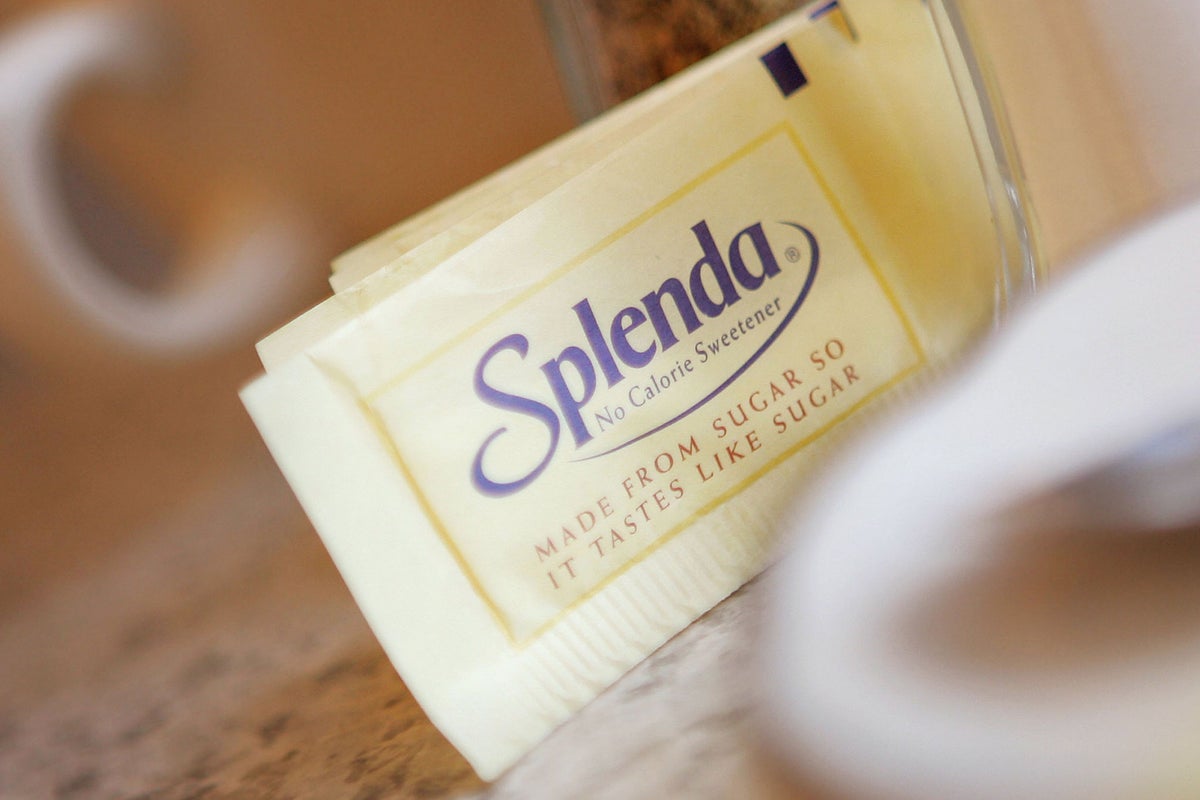
New research indicates that sucralose, a common artificial sweetener found in products like Splenda, may impair the effectiveness of cancer immunotherapy by disrupting gut bacteria and reducing arginine levels, but supplementation with arginine could potentially counteract these effects. The study emphasizes the importance of considering dietary factors in cancer treatment outcomes.

health2 years ago

The Potential Cancer Risk of Aspartame: WHO's Warning

The World Health Organization has classified the artificial sweetener aspartame as possibly carcinogenic to humans, causing confusion and concerns about its risks. Aspartame is found in various foods, including diet sodas, breakfast cereals, chewing gum, and desserts. The WHO's cancer research group categorized aspartame as a possible carcinogen, while the agency's food safety group found the evidence unconvincing. The FDA, on the other hand, believes that aspartame is safe and one of the most studied food additives. The WHO recommends moderation in consuming aspartame, with a maximum of 40 milligrams per kilo of body weight.

health2 years ago

The Cancer Risk of Aspartame: What You Need to Know

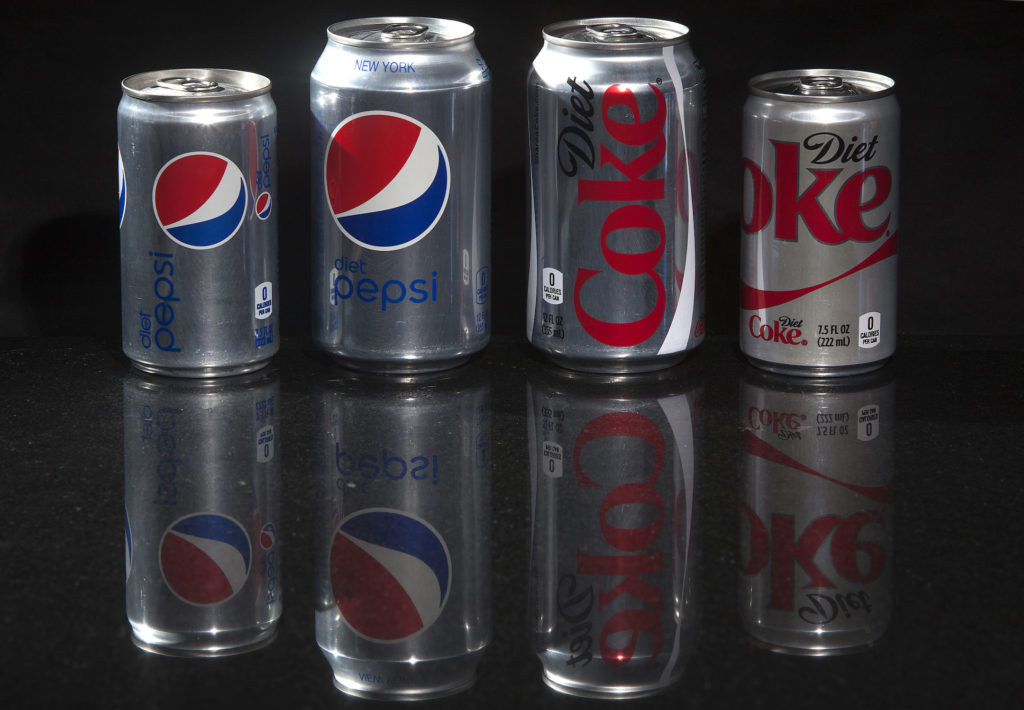
The World Health Organization's International Research Agency on Cancer has classified the artificial sweetener aspartame as a "possible carcinogen." However, the Expert Committee on Food Additives did not change its safe daily limit for aspartame consumption. Aspartame is commonly found in various sugar-free foods and drinks, including Diet Coke. While past research has not conclusively proven a link between aspartame and cancer in humans, consuming large amounts of artificial sweeteners has been associated with a slightly higher risk of cancer. Additionally, artificial sweeteners, including aspartame, may pose other health risks such as heart disease, high blood pressure, diabetes, and obesity. Experts recommend moderation and opting for a natural, healthy diet with naturally sweet foods.

health2 years ago

The Controversy Surrounding Aspartame: Health Risks and Cancer Concerns

The World Health Organization's International Agency for Research on Cancer (IARC) is expected to declare that aspartame, an artificial sweetener used in numerous food and beverage products, is "possibly carcinogenic to humans." The IARC's findings will be released on July 14. While the U.S. Food and Drug Administration (FDA) has approved aspartame for use in food products and considers it safe, questions about its safety have arisen over the years. Some studies suggest a possible association between aspartame consumption and type 2 diabetes, mood disorders, and mental stress, but the link to cancer remains inconclusive. Other sweeteners, such as erythritol, have also faced scrutiny for potential health risks.

health2 years ago

The Potential Cancer Risk of Aspartame in Diet Coke and Chewing Gum

Aspartame, a commonly used artificial sweetener found in products like Diet Coke and chewing gum, is expected to be classified as a "possible carcinogen" by the International Agency for Research on Cancer (IARC), a division of the World Health Organization (WHO). The ruling, set to be announced next month, aims to determine the potential hazards of the substance. While the US FDA has previously deemed aspartame safe for general use, the agency continues to monitor scientific literature for new information. The Joint WHO and Food and Agriculture Organization's Expert Committee on Food Additives (JECFA) is also reviewing the use of aspartame and will announce its findings on the same day as the IARC.

health2 years ago

Artificial Sweetener Linked to DNA Damage and Cancer Risk

A new study suggests that sucralose, a common artificial sweetener sold under the brand name Splenda, may increase the risk of cancer by damaging DNA. The study also found that sucralose may lead to a leaky gut lining and increase the activity of genes related to inflammation and cancer. Sucralose is used in thousands of products, including baked goods, beverages, chewing gum, gelatins, and frozen dairy desserts. The authors of the study called for a new regulatory review of the health effects of sucralose in food products. Experts recommend using artificial sweeteners in moderation, if at all, and suggest using stevia or monk fruit sweeteners as an alternative.

health2 years ago

The DNA-Destroying Risks of Common Artificial Sweeteners

A research team has discovered that Splenda, a common artificial sweetener, is potentially damaging the DNA within our cells after we ingest it. The genotoxic compound created by ingesting and metabolizing it means that it is simply too dangerous to eat. Splenda could cause a "leaky gut" in which everything from digested food to dangerous toxins could exist the gut and enter into your bloodstream. The research team is encouraging everyone to avoid consuming Splenda directly and to avoid consuming any products that were made with it.

health2 years ago

Artificial Sweetener Sucralose Linked to DNA Breakdown and Cancer Risk

A research team has discovered that Splenda, a common artificial sweetener, is potentially damaging the DNA within our cells after we ingest it. The genotoxic compound created by ingesting and metabolizing it means that it is simply too dangerous to eat. Splenda could cause a "leaky gut" in which everything from digested food to dangerous toxins could exist the gut and enter into your bloodstream. The research team is encouraging everyone to avoid consuming Splenda directly and to avoid consuming any products that were made with it.

health2 years ago

Artificial Sweeteners: A DNA Damage Risk?

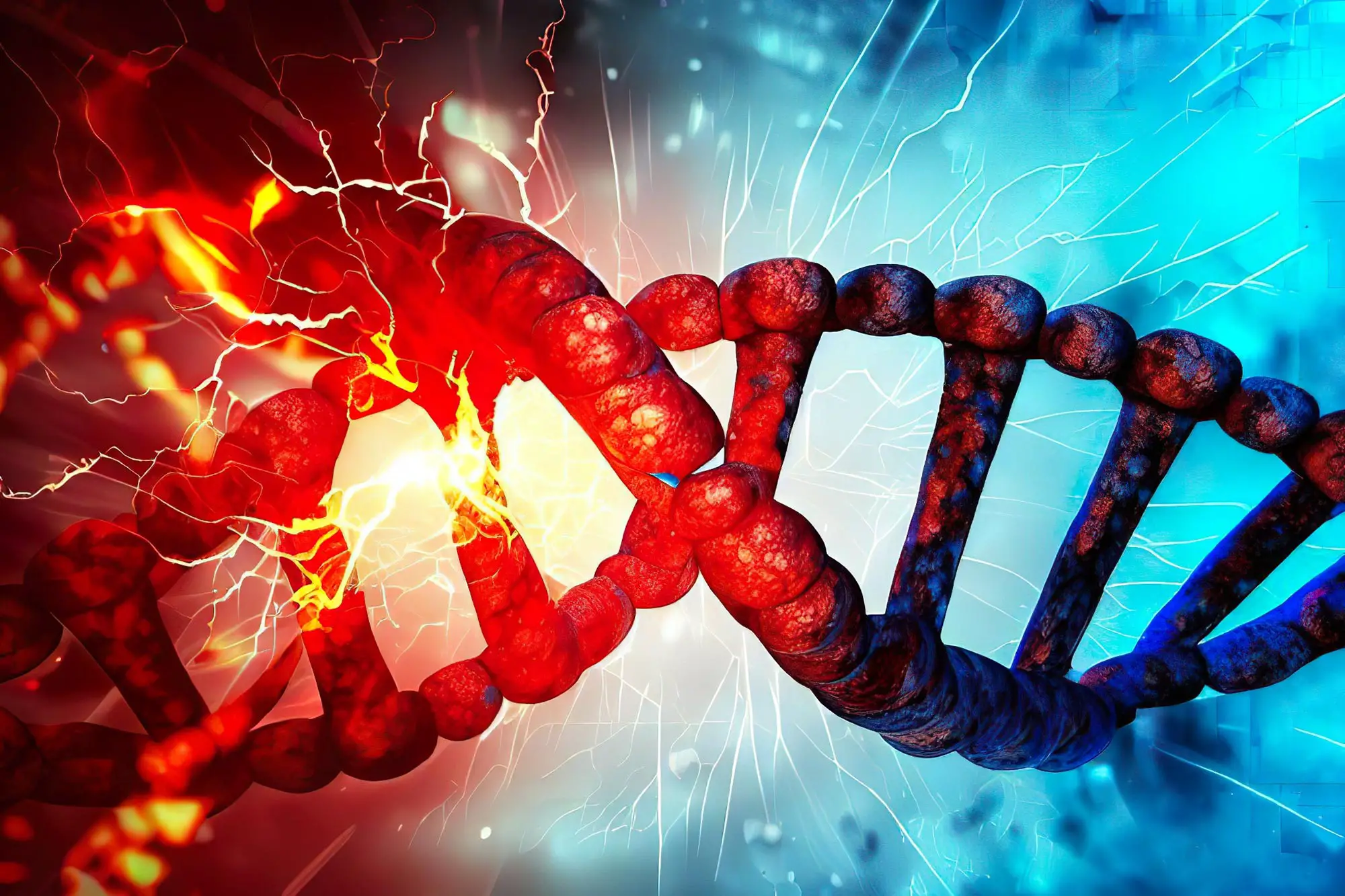
A recent study by researchers at North Carolina State University has raised concerns about the safety of sucralose, the leading sugar substitute marketed under the brand name Splenda. The study found that the chemicals present in sucralose can break down human DNA, potentially posing risks to human health. The study also revealed that sucralose-6-acetate, an impurity and structural analog found in commercially available sucralose samples, is genotoxic, causing DNA strand breaks classified as clastogenic. Sucralose-6-acetate also significantly increased the expression of genes associated with inflammation, oxidative stress, and cancer, and impaired intestinal barrier integrity. These findings have raised significant concerns about the safety and regulatory status of sucralose itself.

health2 years ago

Artificial sweetener sucralose linked to DNA damage and health risks

In vitro studies have shown that the artificial sweetener sucralose, sold under the brand name Splenda, can be metabolised in the gut to form a compound that damages DNA. The harmful chemical sucralose-6-acetate was found to be formed during digestion and can even be found in trace amounts in sucralose itself. The researchers concluded that the trace amounts of sucralose-6-acetate in a single, daily sucralose-sweetened drink exceeded the safe threshold set by the European Food Safety Authority. Sucralose has been linked to various health conditions, including leukaemia, diabetes and obesity.

health2 years ago

Common Sweetener Chemical Poses Genotoxic Threat to DNA

A recent study has found that sucralose, a widely used artificial sweetener marketed as Splenda, produces a genotoxic compound called sucralose-6-acetate when metabolized, which can break up DNA. Trace amounts of sucralose-6-acetate were also found in the sweetener itself. The chemical is also found in trace amounts in the sweetener itself, and the finding raises questions about how the sweetener may contribute to health problems. The study also found that both sucralose and sucralose-6-acetate cause "leaky gut" and increase activity in genes related to oxidative stress, inflammation, and carcinogenicity. The authors suggest that it's time to revisit the safety and regulatory status of sucralose.

health2 years ago

Study links widely used sweetener to DNA damage.

A new study by North Carolina State University has found that a chemical, sucralose-6-acetate, which forms when humans digest the widely used artificial sweetener, sucralose, is genotoxic, meaning it damages DNA. The study also found that trace amounts of sucralose-6-acetate can be found in off-the-shelf sucralose, even before it is consumed and metabolized. The research raises concerns about how the sweetener may contribute to health problems, including oxidative stress, inflammation, and carcinogenicity. The World Health Organization recently urged people not to use non-sugar sweeteners to control body weight or reduce the risk of noncommunicable diseases.

health2 years ago

Study finds widely used sweetener damages human DNA.

A new study by North Carolina State University has found that a chemical, sucralose-6-acetate, which forms when humans digest the widely used artificial sweetener, sucralose, is genotoxic, meaning it damages DNA. The study also found that trace amounts of sucralose-6-acetate can be found in off-the-shelf sucralose, even before it is consumed and metabolized. The research raises concerns about how the sweetener may contribute to health problems, including oxidative stress, inflammation, and carcinogenicity. The World Health Organization recently urged people not to use non-sugar sweeteners to control body weight or reduce the risk of noncommunicable diseases.

health2 years ago

Erythritol linked to higher risk of heart attacks and strokes.

Cleveland Clinic research has found that erythritol, a commonly used artificial sweetener, is associated with an increased risk of heart attack and stroke. Even healthy people given a single serving saw elevated blood levels associated with clotting risks for several days. There is no mandatory labeling requirement for erythritol, and those with diabetes or heart disease or at risk for it should avoid foods with this artificial sweetener.