Consuming artificially sweetened diet sodas may have several health risks including weight gain, heart issues, mental health problems, gut microbiome disruption, and dental erosion, despite being marketed as a zero-sugar alternative. Experts recommend reducing intake and choosing healthier beverages to avoid these potential health impacts.
A 28-year-old obstacle course racer filed a lawsuit against Panera Bread, claiming she suffered heart problems after consuming 2.5 servings of the chain's "Charged Lemonade," which allegedly contains as much caffeine as three cans of Red Bull. This comes after two other individuals suffered fatal heart attacks. Panera has dismissed the lawsuits as without merit. The plaintiff experienced irregular heartbeat and was diagnosed with atrial fibrillation, leading to ongoing health issues. Families of the deceased individuals have also filed lawsuits, alleging that the beverage was responsible for fatal heart attacks. Panera has expressed sympathy but maintains that their products were not the cause of the reported incidents.
A 28-year-old woman has filed a lawsuit against Panera Bread, alleging that their Charged Lemonade caused her to suffer heart problems, leading to lasting health issues. This is the third lawsuit against the company regarding the drink, which contains up to 390 milligrams of caffeine per 30 ounces. Two other individuals with underlying health conditions have died after consuming the lemonade. The lawsuits claim that Panera failed to adequately warn consumers of the high caffeine content and made the drinks easily available for refills. Panera has disputed the claims, stating that they stand by the safety of their products.
A Rhode Island woman has filed a lawsuit against Panera Bread, alleging that its highly caffeinated Charged Lemonade caused her to develop long-term heart problems. This follows previous wrongful death claims against the chain eatery. The plaintiff claims to have suffered from atrial fibrillation and ongoing symptoms after consuming the beverage. The lawsuit alleges that Panera did not adequately warn customers about the high caffeine levels in the drink. Panera has denied culpability in previous cases and has since lowered the caffeine content of the drinks, as well as added enhanced disclosures about their products.
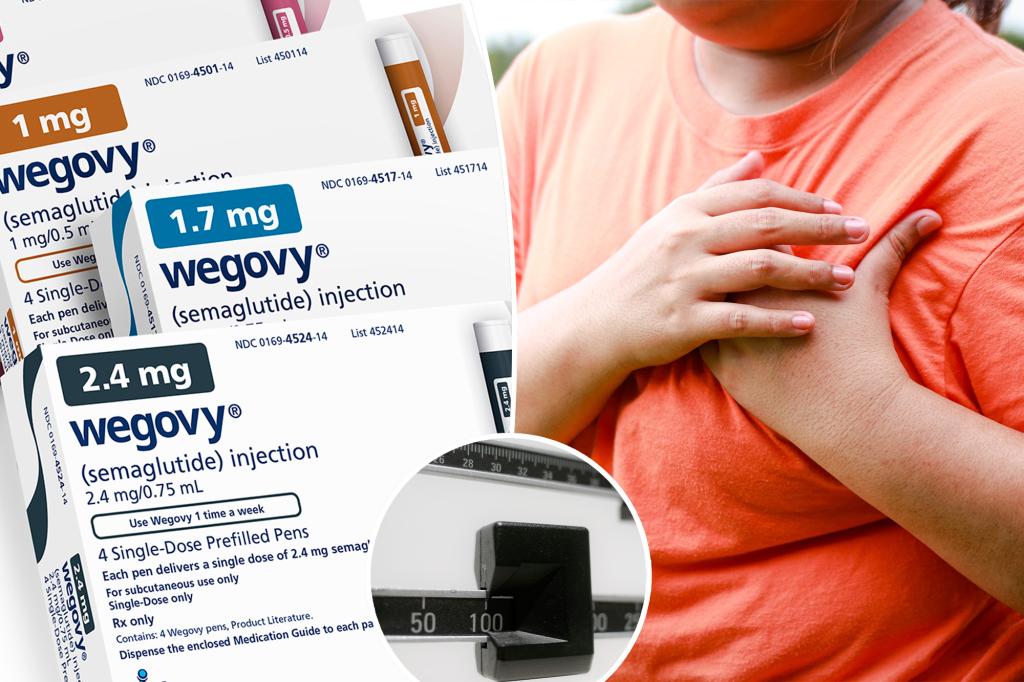
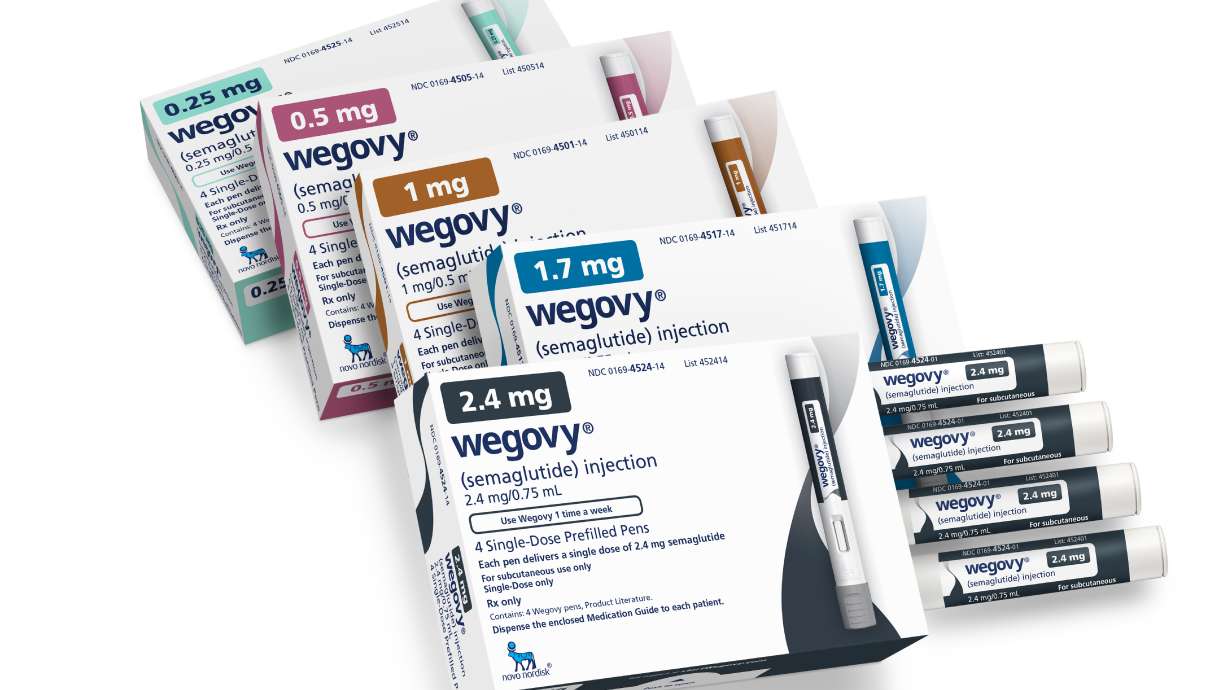
A landmark study has found that the obesity drug Wegovy can reduce the risk of severe heart problems by 20%, paving the way for applications beyond weight loss. The study enrolled over 17,600 participants with preexisting cardiovascular disease and a body-mass index of 27 or greater. Those who received Wegovy experienced a lower rate of heart attacks, strokes, and heart-related deaths compared to those who received a placebo. Participants on Wegovy also saw improvements in inflammation, cholesterol, blood sugars, and blood pressure. However, the drug does come with side effects and high costs. Novo Nordisk has requested the FDA to include heart benefits on Wegovy's label.
A large international study has found that the weight-loss drug Wegovy reduced the risk of serious heart problems by 20% in individuals with heart disease but without diabetes. The study is the first to demonstrate that an obesity medication can not only help with weight loss but also safely prevent heart attacks, strokes, and heart-related deaths. The findings could change treatment guidelines and put pressure on health insurers to cover these medications, shifting the perception that they are solely cosmetic treatments. Wegovy is a high-dose version of the diabetes treatment Ozempic and has already been shown to reduce heart risks in people with diabetes.
Distinguishing between heart problems and anxiety attacks can be challenging due to overlapping symptoms. Panic attacks are characterized by abrupt changes in mental state, while heart disease symptoms, such as chest pain, are often triggered by exertion. A thorough history exam, blood pressure check, electrocardiogram, and blood tests can help in diagnosing the cause. Treatment options are available for panic disorder, but it is important to rule out cardiac or other medical conditions. The digital rectal exam has a modest benefit in detecting prostate tumors compared to the PSA test, and the decision to undergo it should be based on patient preference and understanding of the small benefit and nonexistent risk.
A new study has found that people who have suffered a stroke or heart attack had higher levels of erythritol, a sugar substitute, in their bodies. The study suggests that consuming erythritol can increase blood clot formation, potentially increasing the risk of heart attack or stroke. However, experts caution that it is too early to make sweeping recommendations about erythritol and more research is needed. Stevia, on the other hand, is considered a healthier choice, especially for people with diabetes, as it does not cause blood sugar disturbances. Both erythritol and stevia can be used as sweeteners in various foods and beverages, but they may not be perfect substitutes for sugar in all recipes. It is important to read labels and consume sweeteners in moderation, with a focus on a diet rich in minimally processed and fresh produce.
Canine Chagas disease, caused by the parasite Trypanosoma cruzi (T. cruzi), is estimated to infect 2% to 6% of dogs in the southern U.S., but rates can be as high as 20% to 30% in rural areas. The disease, which can lead to heart problems and sudden death, is primarily transmitted by triatomine bugs. While infected dogs do not pose a high risk of transmission to humans, prevention and early detection are crucial. Treatment options for dogs are limited, and efforts to develop common-use diagnostics and medications are needed to address this potentially life-threatening disease.
A study conducted in France found that 11% of patients admitted to cardiac intensive care had taken recreational drugs such as marijuana, ecstasy, and cocaine. These patients were nearly nine times more likely to die or require emergency intervention compared to other heart patients, and the risk increased to 12 times if multiple drugs were used. Taking drugs can increase the risk of heart problems due to elevated blood pressure, heart rate, and temperature. While testing urine samples for drugs in cardiac intensive care patients may have potential value, issues of cost, patient confidentiality, and discrimination need to be addressed before widespread screening can be recommended.
Chagas disease, transmitted by the 'kissing bug' parasite, is a silent killer that slowly destroys the heart, but most people are unaware they have it. The disease is incurable and can cause severe heart problems. In the US, over 300,000 people are estimated to have Chagas disease, but only around 1% of cases have been identified due to a lack of awareness and testing. The disease is primarily found in rural Latin America, but cases are increasing in the US. Doctors and advocates are calling for increased access to testing and treatment, as well as government action to combat the disease.
Deaths and disabilities caused by heart problems related to air pollution have increased by 31% worldwide since 1990, according to a study. Particle pollution, specifically PM2.5, is to blame and can come from various sources such as coal plants, cars, and wildfires. Long-term exposure to particle pollution can lead to respiratory problems, cancer, dementia, depression, and heart problems. The study analyzed data from 204 countries and found that the total number of premature deaths and years of heart disease-related disability attributed to particle pollution rose from 2.6 million in 1990 to 3.5 million in 2019. While there was a decline in premature deaths, more people were living with disability. Men were more likely to die from particle pollution exposure, and richer countries had the highest number of people living with heart-related disability. Experts warn that as global temperatures rise, heart problems due to pollution will likely continue to increase.
A study claiming that Covid vaccines increase the risk of dying from heart problems has sparked outrage online. The study, conducted by US academics, analyzed two existing studies and found a higher rate of cardiac-related fatalities among vaccine recipients. However, independent experts have criticized the study for relying heavily on a controversial and flawed study, calling it a "tool for misinformation." Major projects have already debunked claims of vaccines causing a rise in deaths due to heart problems. While there is a very rare risk of myocarditis and pericarditis associated with the vaccines, the benefits of vaccination far outweigh the potential risks, especially considering the higher risk of heart problems associated with Covid itself.
Mexican President Andrés Manuel López Obrador has tested positive for COVID-19 for the third time and has suspended his tour of the Yucatan peninsula. López Obrador, who has a history of heart problems, stated that he would isolate for a few days in Mexico City. He previously contracted COVID-19 in early 2021 and again in January 2022. López Obrador declined to enact mandatory mask mandates and refused to wear a mask even at the peak of the pandemic unless it was absolutely necessary.
Nutritional studies have repeatedly shown an association between ice cream and a lower risk of diabetes and heart problems, despite it being a dessert loaded with saturated fat and sugar. Researchers generally don't like to talk about it or trumpet it in research. The possible factors in ice cream's favor include its relatively low glycemic index, but self-reporting study participants often lie about what they're eating. However, none of the experts interviewed for the article is inclined to believe that the ice-cream effect is real.