Waking up exhausted despite 8 hours of sleep can be due to various hidden issues such as disrupted sleep cycles, sleep apnea, dehydration, blood sugar imbalances, stress, inflammation, and other factors. Addressing these underlying problems through lifestyle changes and medical insights can significantly improve sleep quality and morning energy.
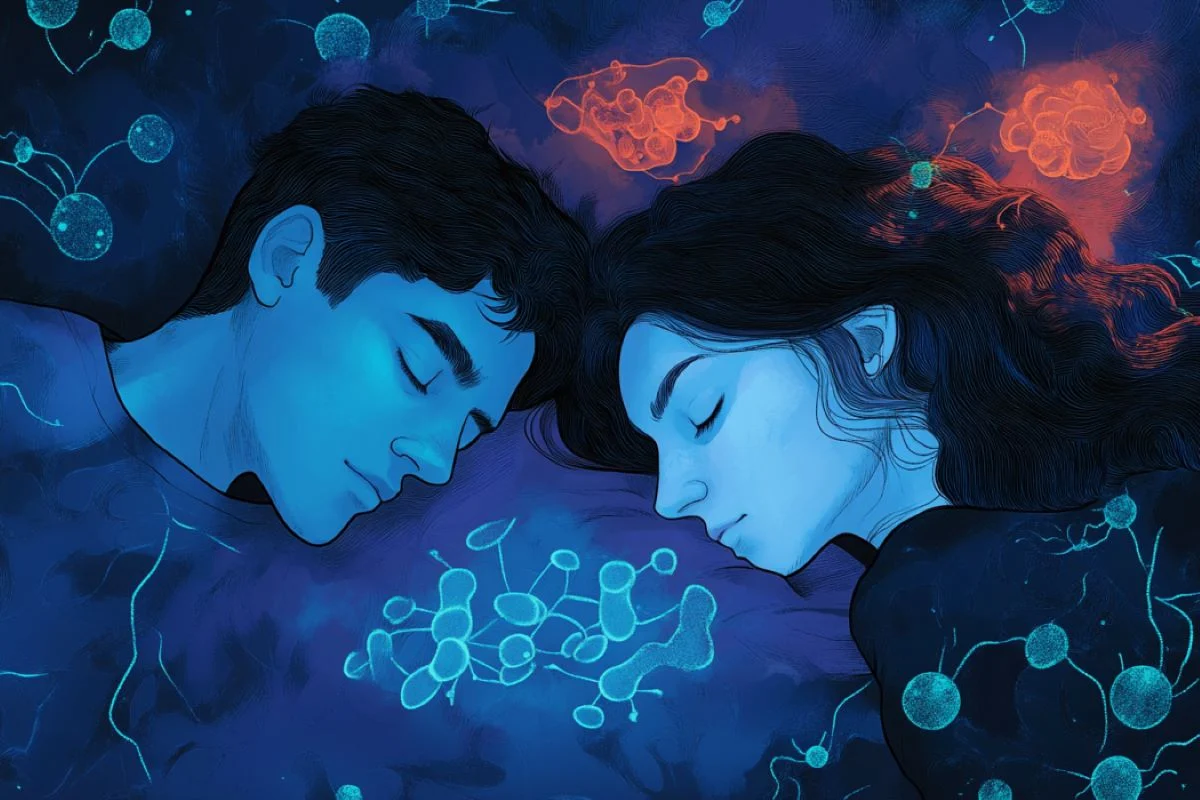
A new study from the University of Colorado reveals that female mice experience less total sleep, more frequent awakenings, and reduced restorative sleep compared to males, due to biological factors like stress hormones and evolutionary roles. This research challenges previous sleep studies that often overlooked female-specific data, highlighting the need for gender-inclusive research to ensure accurate results, especially in developing treatments for sleep-related disorders. The study emphasizes the importance of considering sex differences in biomedical research to avoid skewed drug efficacy and safety data.
A recent study suggests that playing violent video games might decrease stress hormones in some players, contrary to popular belief. The research found no increase in aggressive tendencies, indicating a more complex relationship between video game content and player responses. The study involved 54 male participants playing either a violent or non-violent passage from the game "Uncharted 4: A Thief’s End" for 25 minutes, and measured cortisol and testosterone levels, personality traits, and aggressive cognition. The results showed that playing the violent game had a relaxing effect on players and did not influence aggressive thoughts or tendencies. However, the study was limited to male participants, and further research with larger sample sizes and female participants is needed to better understand the effects of violent video games.
A study conducted by researchers from Aarhus University and the United States found that women on birth control pills do not experience the same reduction in stress hormone levels during social activities as those not on the pill. The study revealed that the stress response in women who do not take birth control pills depends on their menstrual cycle phase, which may influence the production of stress-regulating hormones. The researchers suggest that birth control pills could suppress the body's own production of progesterone, impacting the stress response. Further research is needed to fully understand the complex interactions between hormone levels and the stress response.
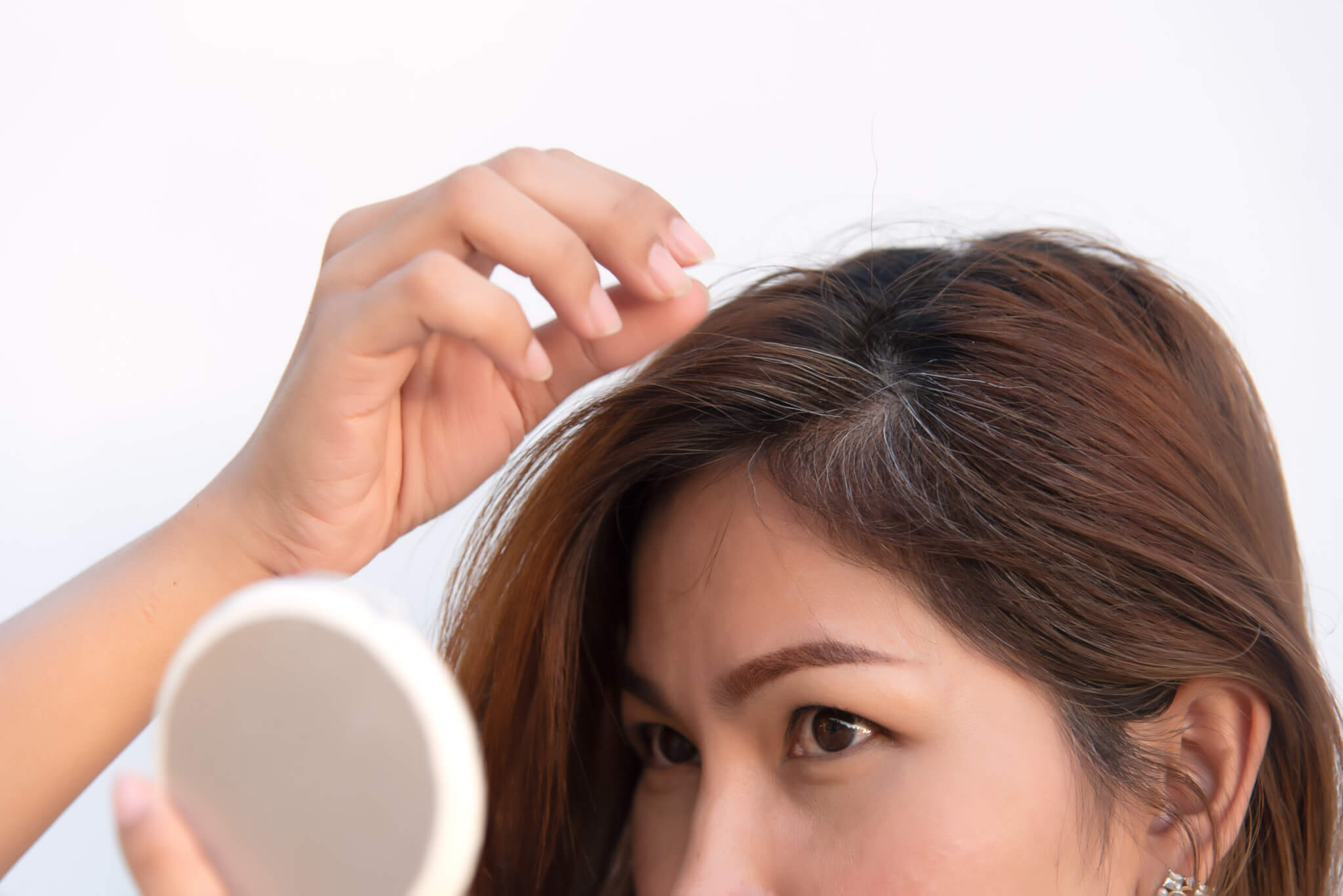
A new study has linked hair appearance to a possible cardiac event. Researchers found that stress hormones in our hair can predict the likelihood of having a heart attack or stroke, and the likelihood increases to more than three times in those aged 57 and younger. The study tested long-term levels of hair cortisol in the scalp, as well as the long-term levels of its inactive form, hair cortisone, to determine if they can be used as markers to indicate the presence or severity of stress in individuals. The study hopes that hair analysis may eventually be useful as a test that can help doctors determine those at high risk of developing cardiovascular disease.
Elevated levels of stress hormones cortisol and cortisone found in hair could predict the risk of experiencing a heart attack or stroke, according to a study. The research team from the Netherlands found that individuals with high levels of these hormones were twice as likely to experience a cardiovascular event in their lifetime, with the probability increasing to over three times for those aged 57 or younger. The study involved analyzing cortisol and cortisone levels in over 6,000 hair samples collected from adult men and women participating in the multi-generational Lifelines study.
Northwestern Medicine investigators have discovered novel sex-specific mechanisms that control how stress hormones impact dopamine transmission and motivation, findings that can inform new therapeutic strategies for treating major depressive disorder. Men are more likely to have a dysregulated HPA axis that is associated with depressive symptoms, while women have higher levels of binding proteins for stress hormones that may prevent dysregulation of the HPA axis. The findings shed new light on how stress hormones impact dopamine transmission and how this impacts depression on a sex-specific basis.