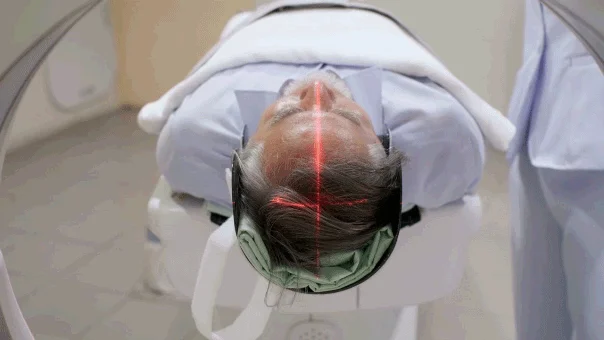
Dr. Tim Williams, a 69-year-old Florida physician who previously directed Delray Medical Center's Proton Therapy Institute, survived a fall that caused a brain bleed and a nine-day coma, underwent a bedside craniotomy, and endured a lengthy recovery before returning home. Nine months on, he’s about 80% back to normal, has shifted toward radiation oncology research, and credits Delray Medical Center’s staff and stroke expertise with saving his life. He emphasizes that anyone experiencing stroke symptoms should seek care at a stroke center to maximize chances of survival.
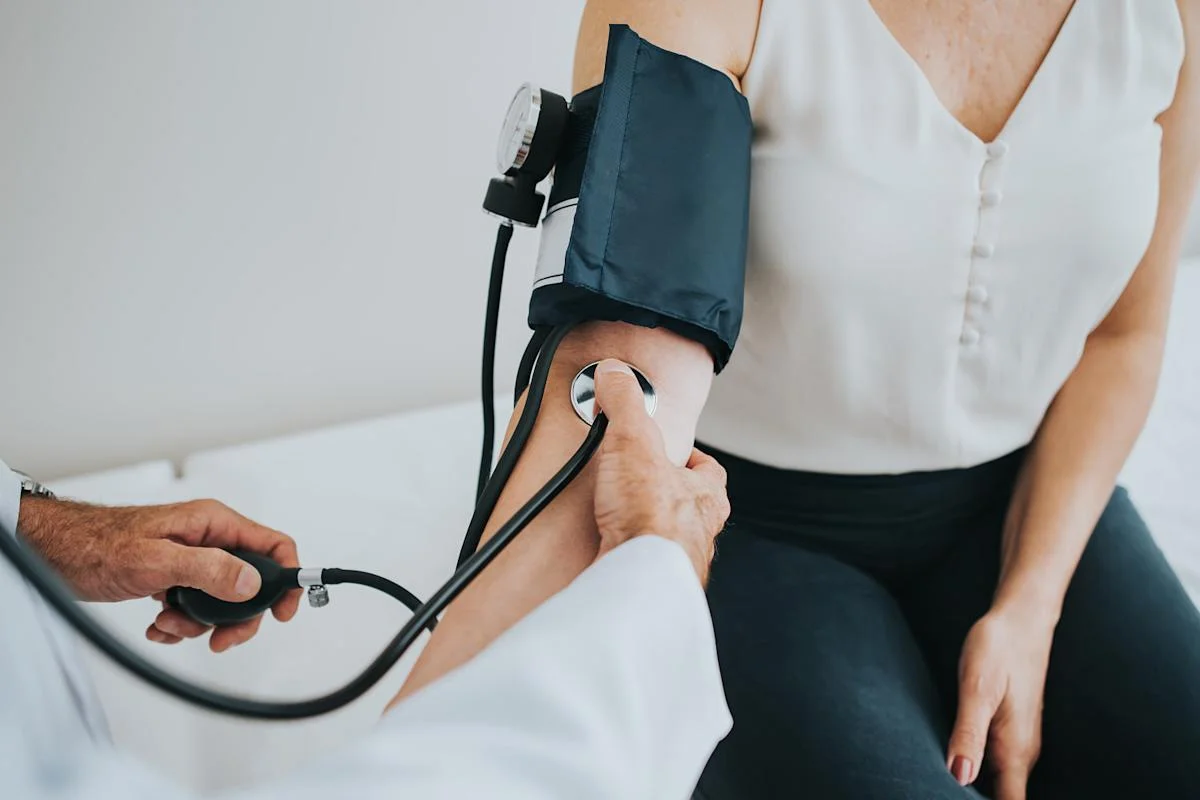
The final day of the Brain Health Challenge emphasizes the importance of monitoring blood pressure, maintaining good sensory and oral health, and getting vaccinated to protect brain health and reduce the risk of stroke and dementia. Regular check-ups and lifestyle changes are key to preserving cognitive function.
A study from the University of Colorado Boulder suggests that erythritol, a common sugar substitute found in many products, may immediately impair brain blood vessel function by increasing vessel constriction and reducing clot breakdown, potentially elevating the risk of stroke and heart attack, especially with daily consumption.
Recent studies suggest that erythritol, a common artificial sweetener, may increase oxidative stress, disrupt vascular signaling, and impair clot regulation in brain blood vessel cells, potentially raising the risk of stroke and heart attack, especially with high consumption. While approved and widely used, its long-term effects remain uncertain, prompting further research into its safety.
A 20-year-old man from Sterling Heights, Edward Constantineau, suffered a rare brain stroke caused by arteriovenous malformation while at the gym, but with quick medical intervention, family support, and intensive rehab, he is making a remarkable recovery and plans to continue his education and pursue a career in healthcare.
A healthy man in his 50s experienced a stroke likely caused by excessive consumption of high-potency energy drinks containing high levels of caffeine, which led to high blood pressure and vascular constriction. Quitting energy drinks resulted in the normalization of blood pressure and full recovery, highlighting the potential cardiovascular risks associated with energy drink overconsumption.
The article warns about increased heart attack and stroke risks during the holiday season due to rich foods, alcohol, stress, and disrupted routines. It emphasizes recognizing symptoms like chest pressure and sudden shortness of breath, and highlights the importance of timely medical care and maintaining medication routines to prevent serious health issues during holidays.
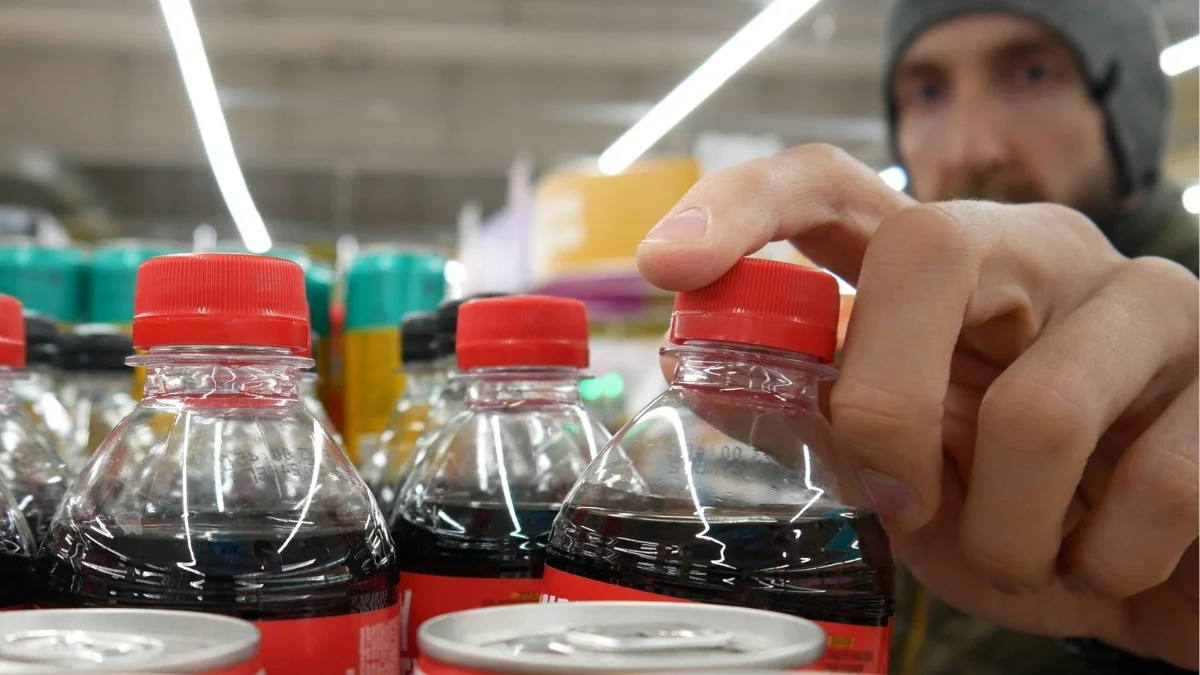
Dr. Clint Steele warns that daily consumption of diet soda may increase the risk of stroke by 300% and dementia by 290%, urging people to switch to water or tea to protect brain health, based on research tracking drinking habits over ten years.
Doctors from Scotland and the US performed a world-first remote stroke thrombectomy using robotics, demonstrating that specialist surgeons can operate from anywhere, potentially transforming stroke treatment accessibility and timing.
Research indicates that even slightly elevated blood pressure in one's 30s can increase the risk of heart attack or stroke later in life, emphasizing the importance of early and ongoing blood pressure management to protect heart health.
A study published in the New England Journal of Medicine shows that Amgen's cholesterol injection Repatha significantly reduces the risk of heart attacks, strokes, and cardiovascular death in high-risk individuals without prior events, outperforming traditional statin therapy.
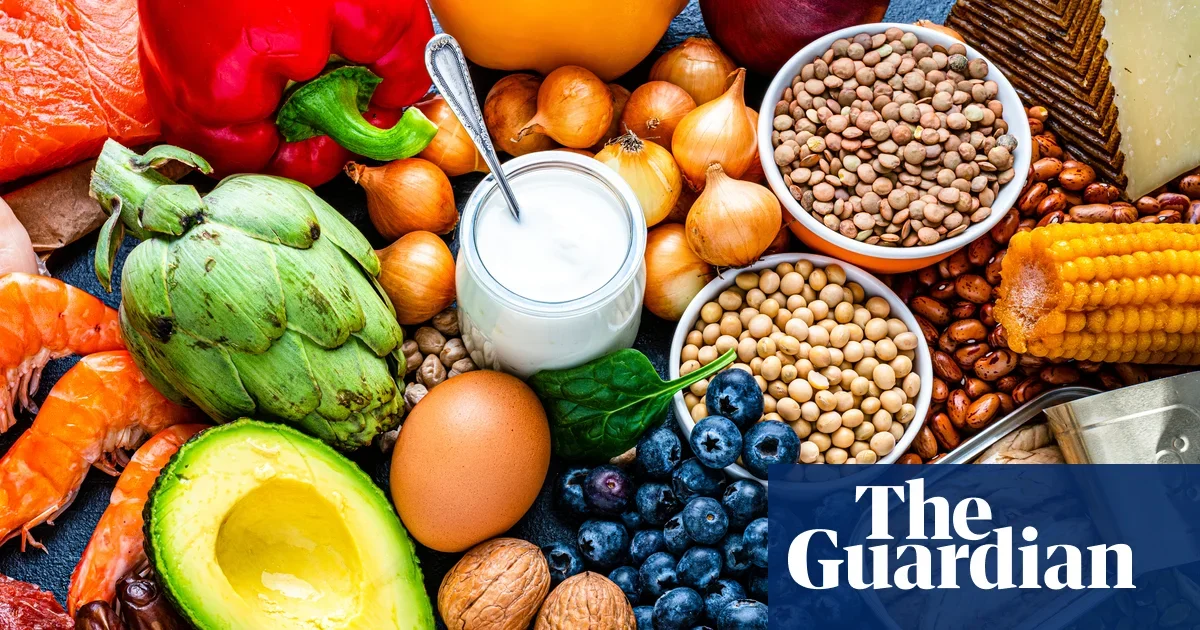
Maintaining good oral hygiene, including regular brushing, flossing, and dental visits, can significantly reduce the risk of serious health issues such as heart disease, stroke, and dementia. Consuming omega-3 rich foods, nitrate-rich vegetables like beetroot, and high-fiber foods, along with regular exercise and possibly deep cleaning treatments, can improve oral and overall health, highlighting the mouth-body connection.
Olivia Barash, known for 'Repo Man' and 'Little House on the Prairie,' is facing a difficult period after suffering a stroke, which has left her bedridden and struggling financially, with her facing eviction and her disability claim denied, though a GoFundMe has provided some support.
Even healthy-looking individuals can be at risk of stroke due to hidden factors like stress, dehydration, and genetic predispositions. Key risk factors include hypertension and diabetes, but lifestyle habits such as stress management, hydration, and regular exercise are crucial for prevention. Recognizing subtle warning signs and maintaining a healthy lifestyle can significantly reduce stroke risk.
Early detection of neurological issues like tremors, memory lapses, stroke symptoms, and subtle seizures is crucial for effective intervention and better outcomes, emphasizing the importance of public awareness and timely medical evaluation.